
The Real-Life Rumor Turned Sitcom: An In-Depth Look at Matthew McConaughey and Woody Harrelson’s Apple TV+ Series ‘Brothers’
Main Facts: A Celebrity-Driven Meta-Comedy on Apple TV+
In the landscape of modern television, few projects carry a premise as uniquely bizarre yet inherently marketable as Brothers, the new scripted comedy series premiering on Apple TV+. Co-created by television veteran Lee Eisenberg, David West Read, and its leading men, the show casts Academy Award winner Matthew McConaughey and Emmy nominee Woody Harrelson as fictionalized versions of themselves.
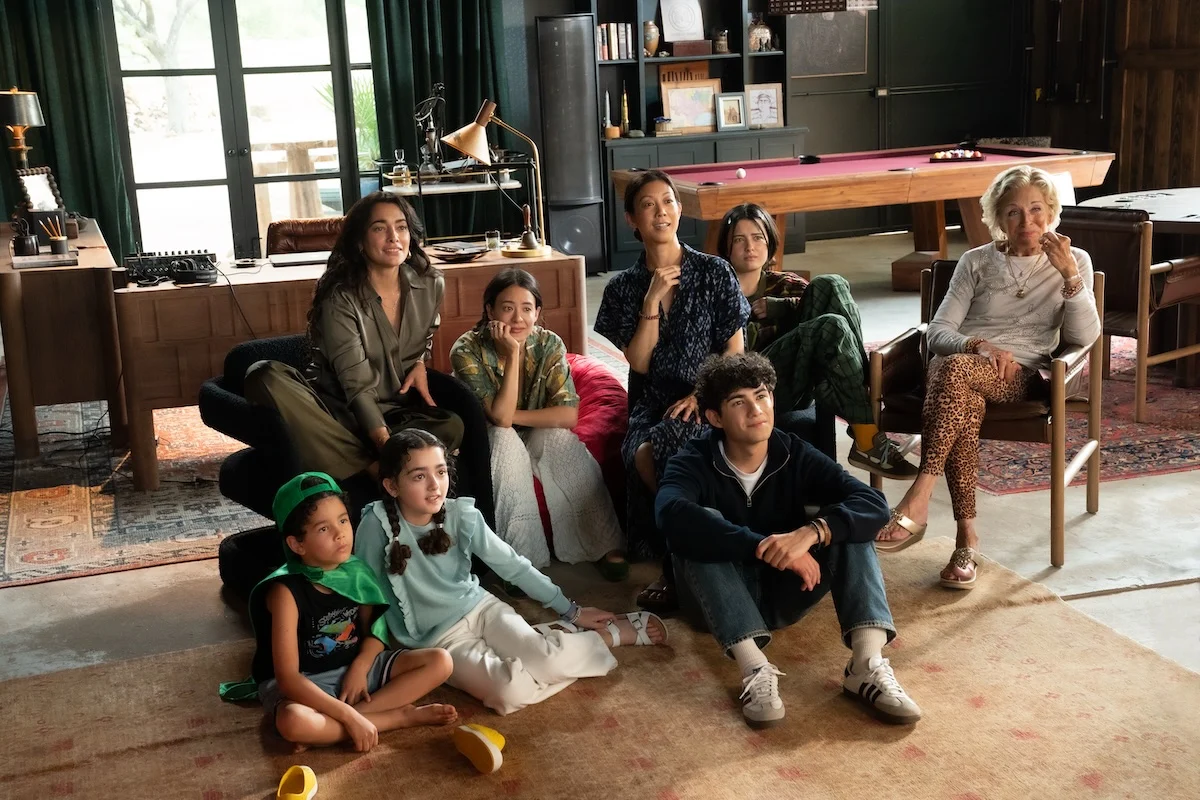
The series kicks off with a high-concept premise plucked straight from tabloid headlines: the real-life revelation that McConaughey and Harrelson might actually share the same biological father. The narrative catalyst arrives when Woody’s eldest daughter is dumped by her fiancé, prompting the Malibu-based Harrelson family to pack up and drive to Austin, Texas, to seek solace with their close friends, the McConaugheys.
However, peace is hard to come by. Matthew is struggling with a severe bout of writer’s block as he attempts to draft a tribute speech for his late father, "Big Mac," whose football jersey is being retired by their high school the next morning. Complications escalate rapidly when Woody overhears a life-altering secret from Matthew’s mother, Kay “MaMac” McConaughey (played by Holland Taylor). Before Woody can break the news, Matthew drops an even bigger bombshell: he has decided to run for governor of Texas, inspired by his love for his supposed father’s legacy.
Despite boasting a powerhouse cast, a buzzy premise, and the undeniable chemistry of its two A-list leads, Brothers has arrived to a lukewarm critical reception. Critics and fans alike are left questioning whether the half-hour comedy is a clever meta-satire or simply an expensive, self-indulgent vehicle for two of Hollywood’s most relaxed superstars to hang out on screen.

Chronology: From Tabloid Confession to the Small Screen
To fully understand the absurdity of Brothers, one must look back at the strange sequence of events that brought these two actors into the center of a real-life genealogical mystery.
- April 2023: During a promotional tour for an earlier project, Matthew McConaughey reveals on a podcast that he and Woody Harrelson have long suspected they might be biological brothers. The catalyst? A casual remark by Kay "MaMac" McConaughey, who admitted that she knew Woody’s father, Charles Harrelson, during a time when she was separated from her husband. The timing roughly aligned with Woody’s conception.
- Late 2023–2024: The internet explodes with speculation. Fans pore over the striking physical similarities between the two actors and their shared Texan roots. Despite public curiosity, the duo reveals that they have refused to take a DNA test. With Charles Harrelson having passed away in 2007 and MaMac keeping further details close to her chest, the truth remains deliberately shrouded in mystery.
- 2025–2026: Capitalizing on the public fascination surrounding their familial ambiguity, McConaughey and Harrelson team up with showrunners to turn the viral rumor into a scripted narrative. Apple TV+ greenlights the series, positioning it as one of its major comedy flagships.
- September 23, 2026: Brothers officially premieres on Apple TV+ with a two-episode launch, setting up a weekly rollout culminating in a November 4 season finale.
Supporting Data: Behind the Scenes and Critical Reception
While Brothers leans heavily on the star power of its co-creators, the structural data of the production reveals a reliance on traditional sitcom tropes rather than groundbreaking television:
- Format: Scripted half-hour comedy (episodes run under 30 minutes).
- Release Schedule: Premiered Wednesday, September 23, with weekly drops through November 4.
- Key Cast: Matthew McConaughey (as "Matthew"), Woody Harrelson (as "Woody"), Holland Taylor (as MaMac), and Lisa Gilroy (as original character Gwen Hillcrest-Barnes-Davies).
- Creative Team: Co-created by Matthew McConaughey, Woody Harrelson, David West Read, and showrunner Lee Eisenberg.
- Critical Standing: The series has drawn mixed-to-negative reviews, highlighted by a C- grade from major trade publications like IndieWire. Critics have noted that the show fails to capitalize on the satiric potential of meta-comedy, instead settling into clichéd sitcom storylines—such as hunting trips, forgotten Valentine’s Days, and high school dances.
Official Responses and Public Persona
Neither McConaughey nor Harrelson have taken the genealogical mystery too seriously in public, preferring to lean into the playful folklore of their lifelong friendship. They have routinely brushed off questions about formal DNA testing, treating the uncertainty as an entertaining footnote to an already storied brotherhood built on decades of working together in films like EdTV and television masterpieces like HBO’s True Detective.
In Brothers, this real-life dynamic is translated into a metatheatrical gray area. The characters are neither entirely distinct fictional creations nor authentic documentary-style versions of the actors. Instead, they operate in a surreal middle ground. In a standout early scene, an original character played by Lisa Gilroy confronts the two men about their grand claims of bootstrapping and personal grit, asking if they genuinely believe their successes are completely detached from their massive celebrity status.

When the fictional Matthew and Woody respond with absolute, deadpan earnestness—comparing their self-made business and academic ventures to weed dispensaries and tequila brands—the scene encapsulates the show’s core tension: Are the actors brilliantly satirizing celebrity entitlement, or are they unironically indulging in it?
Implications: What Brothers Means for Apple TV+ and Star-Driven TV
The release of Brothers carries several broader implications for the current television landscape, particularly regarding the streaming industry’s reliance on high-profile talent and "star-fuckery."
1. The Limits of Meta-Comedy
For years, meta-fiction and celebrity self-parody—seen in shows like Curb Your Enthusiasm or The Larry Sanders Show—have relied on actors subverting their public images to uncomfortable, hilarious effect. Brothers attempts a similar tightrope walk but ultimately pulls back from the edge. By refusing to let Matthew and Woody look genuinely foolish or unlikable, the series dilutes its own satirical bite. The implication is that modern streaming comedies featuring A-listers are often too risk-averse to truly bite the hand that feeds them.
2. The Legacy of True Detective
It is impossible to discuss McConaughey and Harrelson’s television reunion without invoking the ghost of True Detective Season 1. That landmark 2014 HBO anthology redefined cinematic television and set a high-water mark for both actors. While True Detective proved that prestige cable could pull movie stars into serialized drama, Brothers reflects a different era: one where tech-backed streaming giants like Apple TV+ leverage interpersonal chemistry and viral internet rumors to populate their content libraries with frictionless, easily digestible comfort food.

3. The Commodification of Personal Lives
Brothers represents a fascinating evolutionary step in modern celebrity culture. Rather than hiding from tabloid rumors or issuing dry public relations statements, modern stars are increasingly weaponizing their personal lives as intellectual property. By turning an unresolved paternity rumor into a multi-episode Apple TV+ comedy, McConaughey and Harrelson have monetized their own genealogical mystery.
Ultimately, Brothers leaves audiences in a strange ontological space. As the credits roll on each breezy, low-stakes episode, viewers are left with the lingering sensation that the entire enterprise might just be an elaborate, multi-million-dollar inside joke played on the public. And as the central question of the series echoes into the background—Are these guys actually brothers?—an even more pressing question takes its place: Are they just messing with us?
