
Beyond the Veil of Wakanda: How Black Panther: Wakanda Forever Redefined Grief, Cinema, and Craft
Main Facts
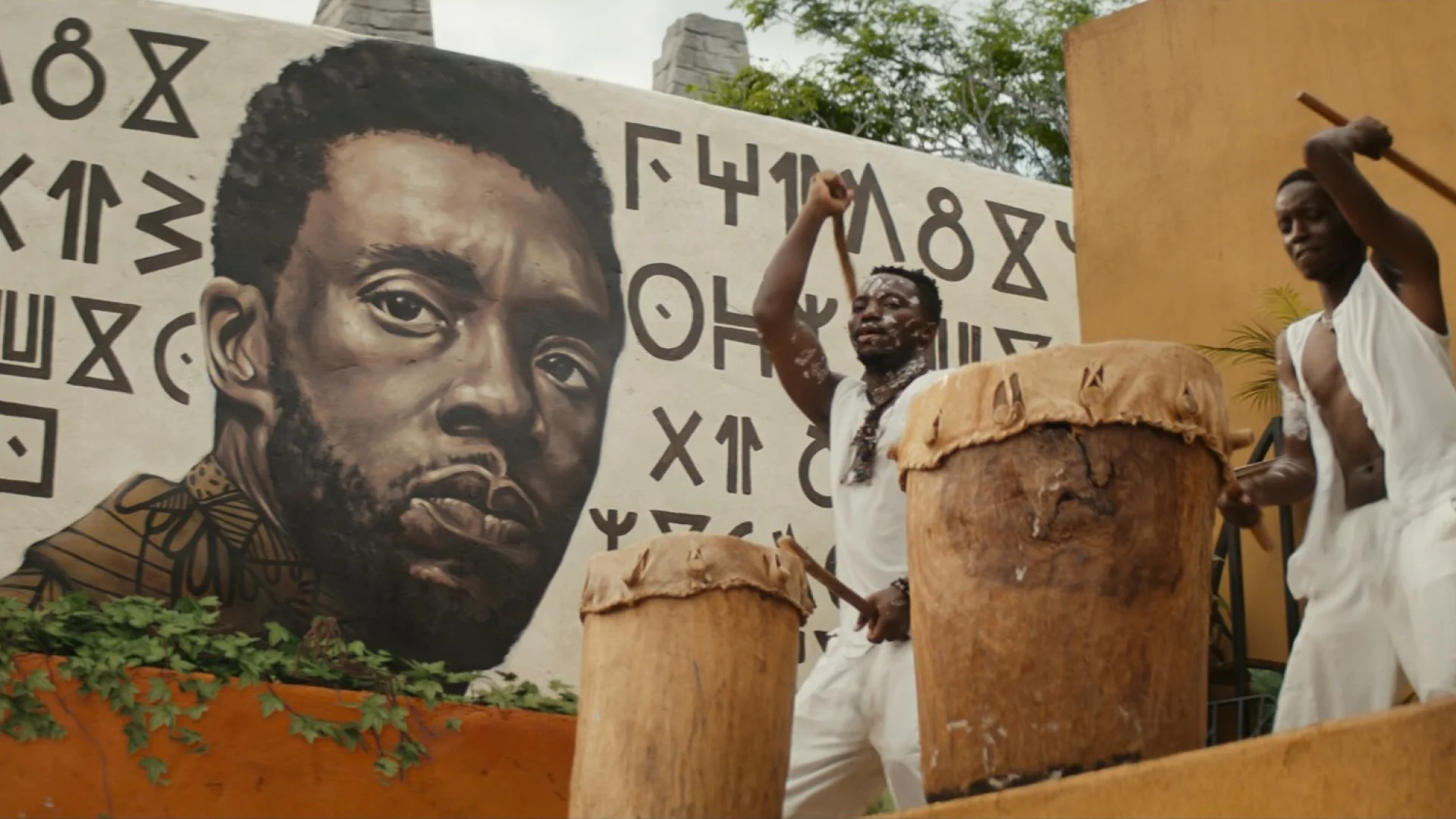
Released in 2022, Black Panther: Wakanda Forever stands as one of the most structurally complex and emotionally heavy blockbusters in modern cinematic history. Directed by Ryan Coogler, the epic sequel to the 2018 cultural phenomenon Black Panther faced a nearly insurmountable challenge: how to continue a billion-dollar franchise following the tragic, untimely death of its central star, Chadwick Boseman. Rather than casting a new actor to play King T’Challa, Coogler and co-writer Joe Robert Cole chose a path of radical authenticity, weaving the real-life grief of the cast and crew directly into the narrative fabric of the film.
The result was a sprawling, majestic exploration of loss, legacy, and geopolitical tension. The story introduces the underwater civilization of Talokan, led by the formidable mutant monarch Namor (Tenoch Huerta), while the fictional African nation of Wakanda grapples with the vulnerability of losing its protector. Anchored by powerhouse performances—including Angela Bassett, who received an Academy Award nomination for her searing portrayal of Queen Ramonda—the film grossed over $859 million worldwide, proving that audiences were hungry for blockbusters rooted in genuine emotional weight.
Crucially, the visual and technical brilliance of Wakanda Forever was propelled by top-tier filmmaking talent, including cinematographer and American Film Institute (AFI) Alum Autumn Durald Arkapaw (AFI Class of 2009). Durald Arkapaw’s lush, vibrant framing and sophisticated use of natural and practical lighting elevated the movie from a standard superhero flick into a visually transcendent work of art. Her subsequent historic achievement—becoming the first woman to win the Academy Award for Best Cinematography for her work on Coogler’s 2025 film Sinners—retroactively casts her work on Wakanda Forever in an even more monumental light, cementing her as a trailblazer in modern cinematography.
Chronology
To understand the cultural and artistic triumph of Black Panther: Wakanda Forever, it is essential to trace the timeline of events that shaped its creation, release, and enduring legacy:
- February 2018: Marvel Studios releases Black Panther, directed by Ryan Coogler. The film shatters box office records, eventually grossing over $1.3 billion, winning three Academy Awards, and becoming a profound global cultural touchstone.
- August 2020: The entertainment world is left in profound shock following the private death of Chadwick Boseman, who had quietly battled colon cancer for four years while filming some of the most demanding roles of his career.
- Late 2020 – Fall 2021: Marvel Studios president Kevin Feige confirms that the role of T’Challa will not be recast. Ryan Coogler undertakes a complete page-one rewrite of the Wakanda Forever script, shifting the narrative focus to explore grief, succession, and the protection of a kingless nation.
- June – November 2021: Principal photography commences primarily in Atlanta, Georgia, and later moves to Massachusetts. Cinematographer Autumn Durald Arkapaw steps behind the camera, tasked with bridging the bright, sunlit aesthetic of the first film with the shadowy, underwater, and nocturnal environments required for the sequel.
- November 2022: Black Panther: Wakanda Forever premieres in theaters worldwide. It receives widespread critical acclaim, particularly for its respectful handling of Boseman’s passing and the standout performances of Bassett, Letitia Wright, and Lupita Nyong’o.
- March 2023: The film garners five Academy Award nominations, including a historic Best Supporting Actress nod for Angela Bassett, marking the first time an acting performance in a Marvel Cinematic Universe film was nominated for an Oscar.
- March 2025: Autumn Durald Arkapaw achieves a historic milestone at the Academy Awards, winning the Oscar for Best Cinematography for her work on Ryan Coogler’s Sinners, further validating the elite caliber of visual artists Coogler consistently collaborates with.
- Present Day: Wakanda Forever remains a benchmark for how major intellectual properties can handle tragedy with grace, continuing to stream globally and serving as a case study in empathetic blockbuster filmmaking.
Supporting Data
The scale of Black Panther: Wakanda Forever is matched by the impressive data surrounding its production, box office performance, and awards trajectory:
- Box Office Performance: The film grossed approximately $859.6 million globally against an estimated production budget of $250 million, making it one of the highest-grossing films of 2022.
- Critical Acclamation: It holds an 84% Certified Fresh rating on Rotten Tomatoes, with critics praising its emotional resonance, ambition, and world-building.
- Oscar Milestones:
- Earned 5 Academy Award nominations (Best Supporting Actress, Best Costume Design, Best Makeup and Hairstyling, Best Visual Effects, and Best Original Song).
- Made history with Angela Bassett’s nomination, signaling a shift in how the Academy views performances within comic book adaptations.
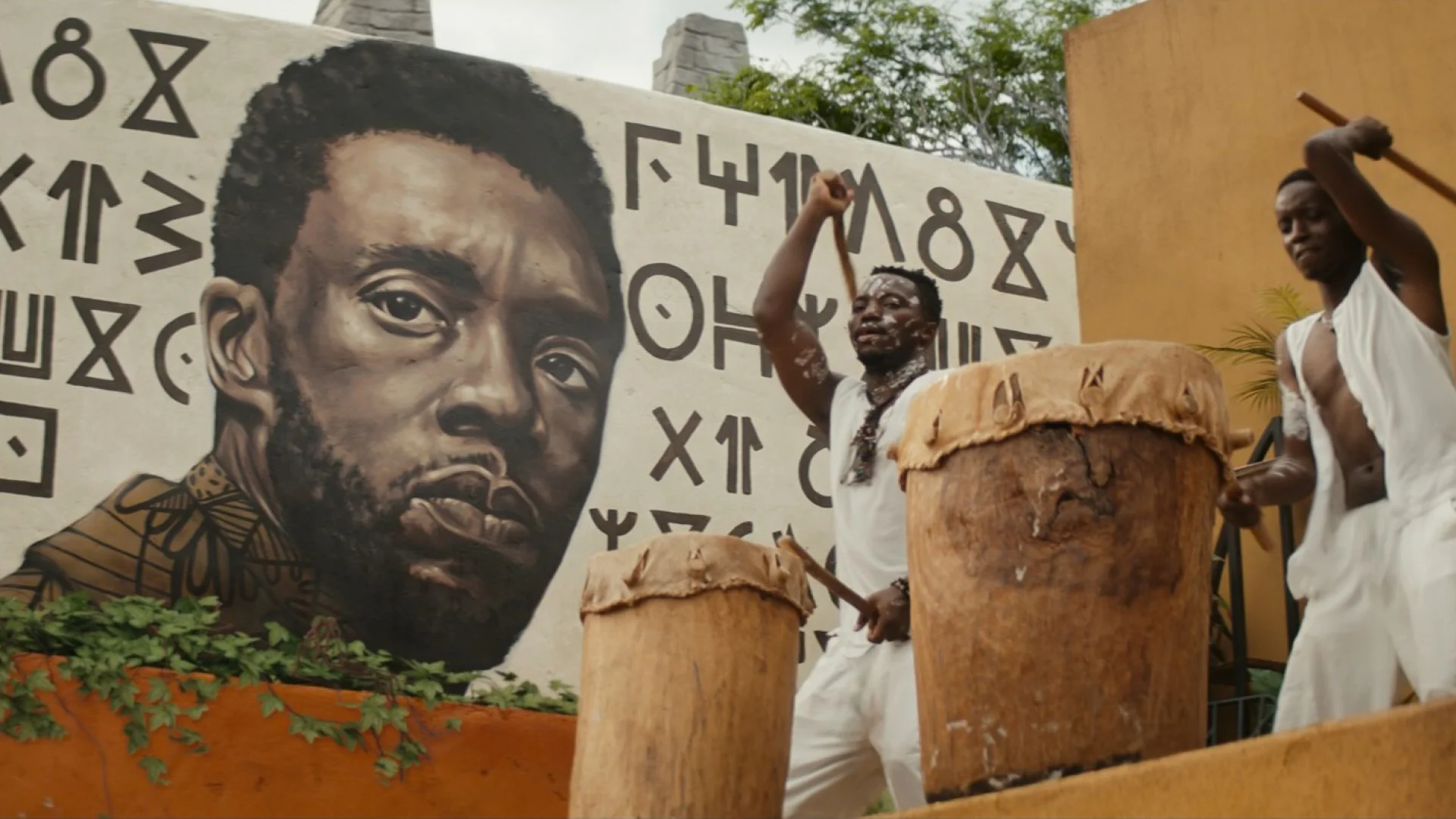
- Cinematography Pedigree: Autumn Durald Arkapaw (AFI Class of 2009) managed an expansive visual canvas featuring contrasting palettes—the sun-drenched vibrancy of Wakandan rituals versus the moody, oppressive, yet stunningly beautiful aquatic environments of Talokan. Her trajectory culminated in her historic 2025 Best Cinematography Oscar win for Sinners, underscoring her status as a master of the craft nurtured by institutions like the American Film Institute.
- Costume and Production Scale: Academy Award-winning costume designer Ruth E. Carter and production designer Hannah Beachler conducted extensive historical and anthropological research, integrating Mesoamerican influences for the Talokanil people and traditional African textiles for Wakanda, resulting in a world rich in authentic cultural texture.
Official Responses
The transition from the triumphant energy of the first Black Panther to the solemnity of its sequel elicited profound statements from the creative team, studio executives, and cast members alike.
Reflecting on the monumental task of rewriting the film after Boseman’s passing, director Ryan Coogler noted in interviews how deeply personal the project became. "We had to figure out how to keep moving forward when the person who anchored the entire enterprise was no longer here," Coogler explained. "The movie had to be about that exact feeling. If we tried to pretend nothing happened, it would have been hollow. We poured our real grief, our confusion, and our love for Chad onto the screen."
Marvel Studios President Kevin Feige echoed this sentiment, emphasizing that recasting was never a serious option. "There was a-sync moment where we all collectively felt that it was much too soon to recast," Feige stated. "Chadwick’s performance as T’Challa is iconic. Instead, we decided to lean into the mythology and honor his legacy by allowing the characters in the universe to experience the exact same grief that the world was feeling."
Angela Bassett, whose commanding performance as Queen Ramonda anchored the emotional stakes of the film, spoke candidly about the cathartic nature of the production. "When you lose someone who was such a pillar of grace, dignity, and talent, the work of honoring them requires everything you have," Bassett said during her press rounds. "Playing Ramonda was an exercise in channeling grief into strength. Ryan created a space where we could all heal together while telling a story that mattered."
Cinematographer Autumn Durald Arkapaw has frequently credited her foundational years at the American Film Institute Conservatory (Class of 2009) for preparing her to handle the immense scale and emotional delicacy of major studio filmmaking. Discussing her approach to Wakanda Forever, Arkapaw noted the importance of lighting human skin tones with reverence and capturing the psychological depth of characters navigating trauma. "When you’re dealing with a story about mourning, the camera cannot be objective; it has to feel empathetic, lingering on moments of silence and stillness just as much as the action," Arkapaw observed.

Implications
The cultural, artistic, and industrial implications of Black Panther: Wakanda Forever extend far beyond the confines of the superhero genre, offering a roadmap for how Hollywood can navigate tragedy, representation, and visual artistry.
1. Redefining Blockbuster Grief
For decades, high-budget commercial cinema has treated death and destruction as spectacle—collapsing buildings and casualty counts used as cheap narrative catalysts. Wakanda Forever subverted this convention entirely. By forcing its characters to sit with their grief, process their rage, and find a path forward without resorting to easy resolutions, the film proved that audiences do not require shallow escapism. They respond more deeply to catharsis. It demonstrated that commercial blockbusters can hold space for genuine human emotion without losing their entertainment value.
2. Elevating Craft and Institutional Training
The success of Wakanda Forever—and the subsequent historic achievements of its key creative personnel, such as Autumn Durald Arkapaw’s groundbreaking Oscar win for Sinners—highlights the vital role of specialized artistic training grounds like the American Film Institute. By fostering cinematographers, directors, and producers who understand both technical execution and narrative subtext, institutions like AFI ensure that major intellectual properties are placed in the hands of visionary artists rather than mere technicians. Arkapaw’s trajectory signals a long-overdue shift in the cinematography landscape, breaking historical barriers and inspiring a new generation of diverse visual storytellers.
3. Expanding Cultural Mythologies
By introducing Talokan and centering the narrative on the clash and eventual understanding between two distinct indigenous civilizations (Wakanda and the Talokanil), the film expanded the geopolitical and cultural horizons of the Marvel Cinematic Universe. It moved away from generic battles between good and evil, leaning instead into complex post-colonial themes, resource protection, and the historical scars left by external empires. This sophisticated world-building ensures that the Black Panther franchise remains a landmark achievement in modern cinematic representation, proving that commercial art can simultaneously entertain, provoke, and heal.
