Beyond the Blockbusters: The Defining Animated Masterpieces Shaping 2026
Main Facts: A Golden Age of Artistic Risk in Global Animation
The year 2026 is proving to be a watershed moment for the medium of animation. Coming off the heels of historic independent milestones—such as the unprecedented Oscar triumphs of indie darling Flow and the cultural phenomenon KPop Demon Hunters—the global animation landscape has shifted decisively. While traditional industry powerhouses like Pixar and DreamWorks continue to push technological boundaries with visually stunning, high-concept offerings like Hoppers and Forgotten Island, the true creative heartbeat of 2026 lies outside the major Hollywood studios.
International co-productions, independent art-house projects, and rescued cinematic outcasts have dominated the critical conversation this year. Directors and studios worldwide are utilizing animation not merely as a vehicle for family-friendly slapstick, but as a sophisticated, malleable canvas capable of tackling profound human grief, dark fantasy musicals, gritty magical realism, and deeply personal coming-of-age dramas. From meticulously crafted stop-motion nightmares to hand-painted French countryside epics, the first half of 2026 has redefined what animated storytelling can achieve.
Chronology: How the 2026 Animation Landscape Unfolded
The trajectory of 2026’s cinematic animation has been marked by unexpected industry shakeups, festival circuit breakouts, and dramatic distribution salvages:
- Early 2025 – Late 2025: The cultural juggernaut KPop Demon Hunters dominates the global box office, eventually capturing the Academy Award for Best Animated Feature. This success paves the way for riskier, genre-defying animated properties to secure financing and distribution.
- Early 2026 (The Spring Circuit): International festivals debut striking hand-painted and dialogue-driven works, showcasing a pivot toward mature thematic material. Pixar and DreamWorks release their respective tentpole projects, keeping studio coffers full while opening the door for niche masterpieces.
- Mid 2026: Following high-profile corporate shelving controversies from previous years, previously buried projects like Coyote vs. Acme finally see the light of day through independent distribution channels, shocking skeptics by becoming critical darlings.
- Present Day 2026: Streaming platforms and independent distributors like GKIDS, Sony Pictures Classics, and Ketchup Entertainment cement a diverse slate of films that redefine the global watchlist, spanning stop-motion horror, monochrome character studies, and magical realist mob dramas.
Supporting Data: The Standout Animated Features of 2026 (So Far)
1. Iron Boy (Sony Pictures Classics)
- Director: Louis Clichy (former Pixar animator)
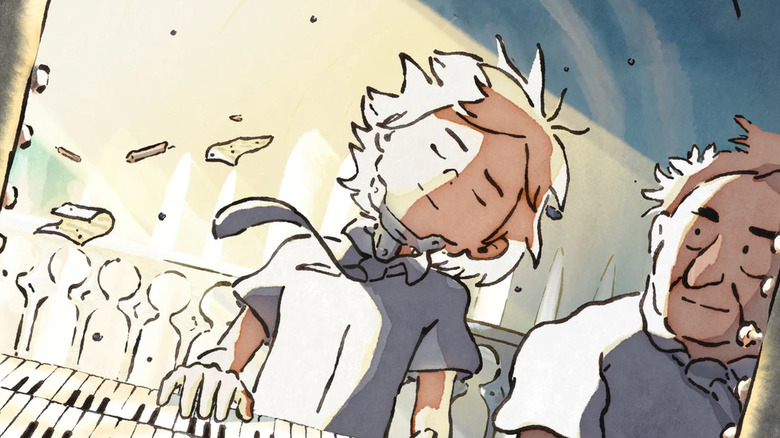
- Premise: Set in rural France, this hand-painted coming-of-age drama follows 11-year-old Christophe, who is diagnosed with scoliosis and forced to wear an iron back brace just as his family farm faces financial ruin.
- Artistic Style: A stunning blend of naturalism and cartoonish expressionism. Clichy employs Chinese ink brush line work over vast, empty skies of the French countryside, making simple character designs pulse with heavy emotion.
- Thematic Depth: The title Iron Boy functions on a dual level: it refers both to the physical medical brace restricting Christophe’s mobility and to the rigid emotional walls he builds against his family’s financial turmoil and social isolation. When he discovers the local church organ, his world opens to the possibility of belonging and soaring imagination.
2. Tangles (Independent Film Company)
- Directors: Leah Nelson (co-written by Sarah Leavitt, based on her graphic novel)
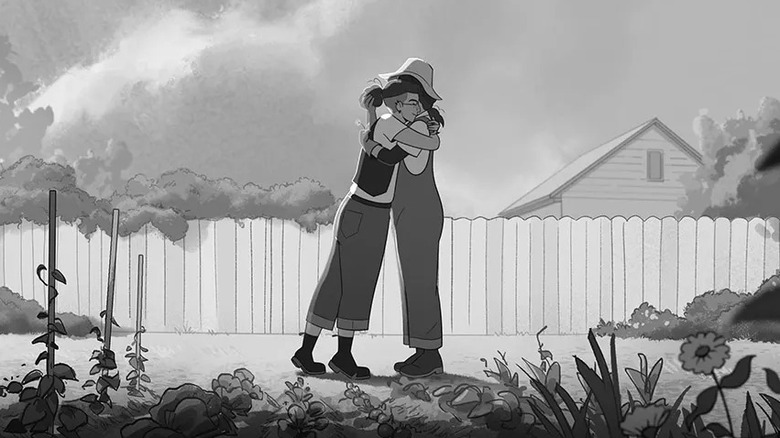
- Premise: One of the most emotionally devastating films of the decade, Tangles tracks a cartoonist navigating her mother’s harrowing progression through Alzheimer’s disease.
- Voice Cast: Boasts a star-studded ensemble of comedians delivering raw, grounded performances, anchored by Julia Louis-Dreyfus as Midge. Louis-Dreyfus transitions brilliantly from a vibrant, life-affirming presence to a fading spirit stripped of her warmth by cognitive decline.
- Artistic Style: Rendered primarily in monochrome to represent the rigid, upside-down reality of the family’s trauma, punctuated by deliberate, sparing bursts of color to signify fleeting memories and emotional anchors.
3. The Last Blossom (GKIDS)
- Director: Baku Kinoshita
- Premise: Following his critically acclaimed breakout series Odd Taxi (frequently described as an anime made by the Coen brothers), Kinoshita makes his feature directorial debut. The narrative centers on an aging, taciturn mobster serving a life sentence who unexpectedly discovers a talking potted balsam flower while facing his final days.
- Artistic Style & Approach: Unlike fast-paced action anime, The Last Blossom behaves more like a live-action prestige drama. It relies heavily on dialogue, prolonged static shots, and stark pacing to contrast past lives of crime with memories of love and found family. The talking plant injects a brilliant, absurdist level of magical realism and levity into a deeply tense narrative.
4. Coyote vs. Acme (Ketchup Entertainment)
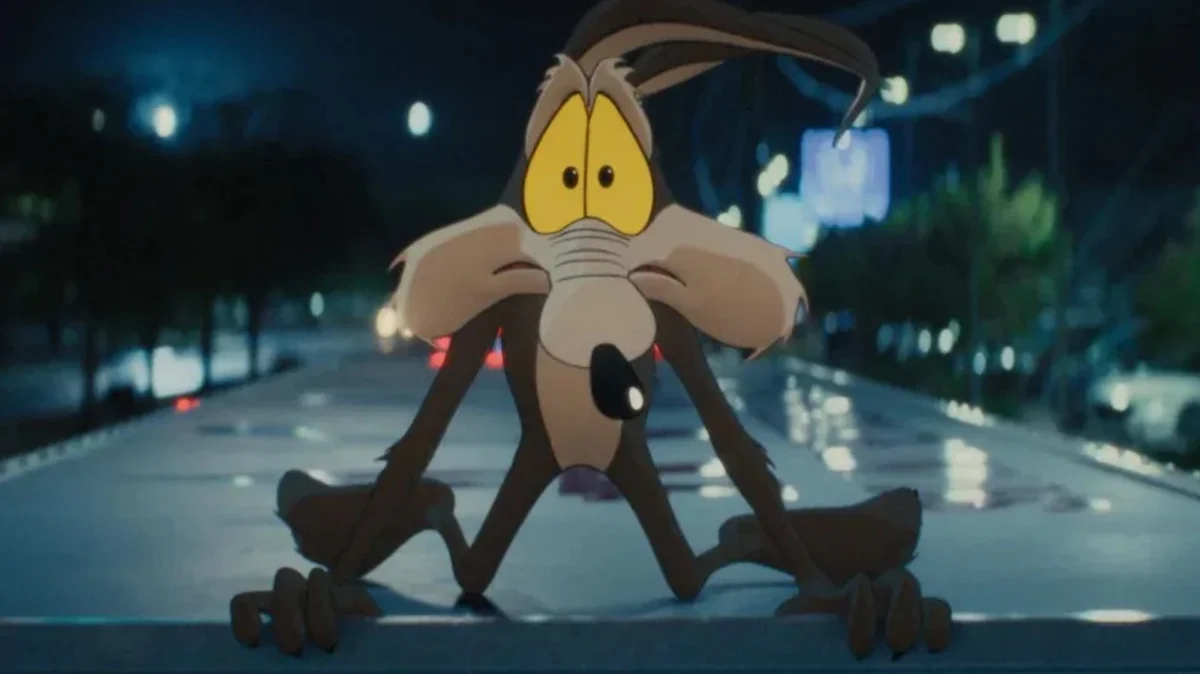
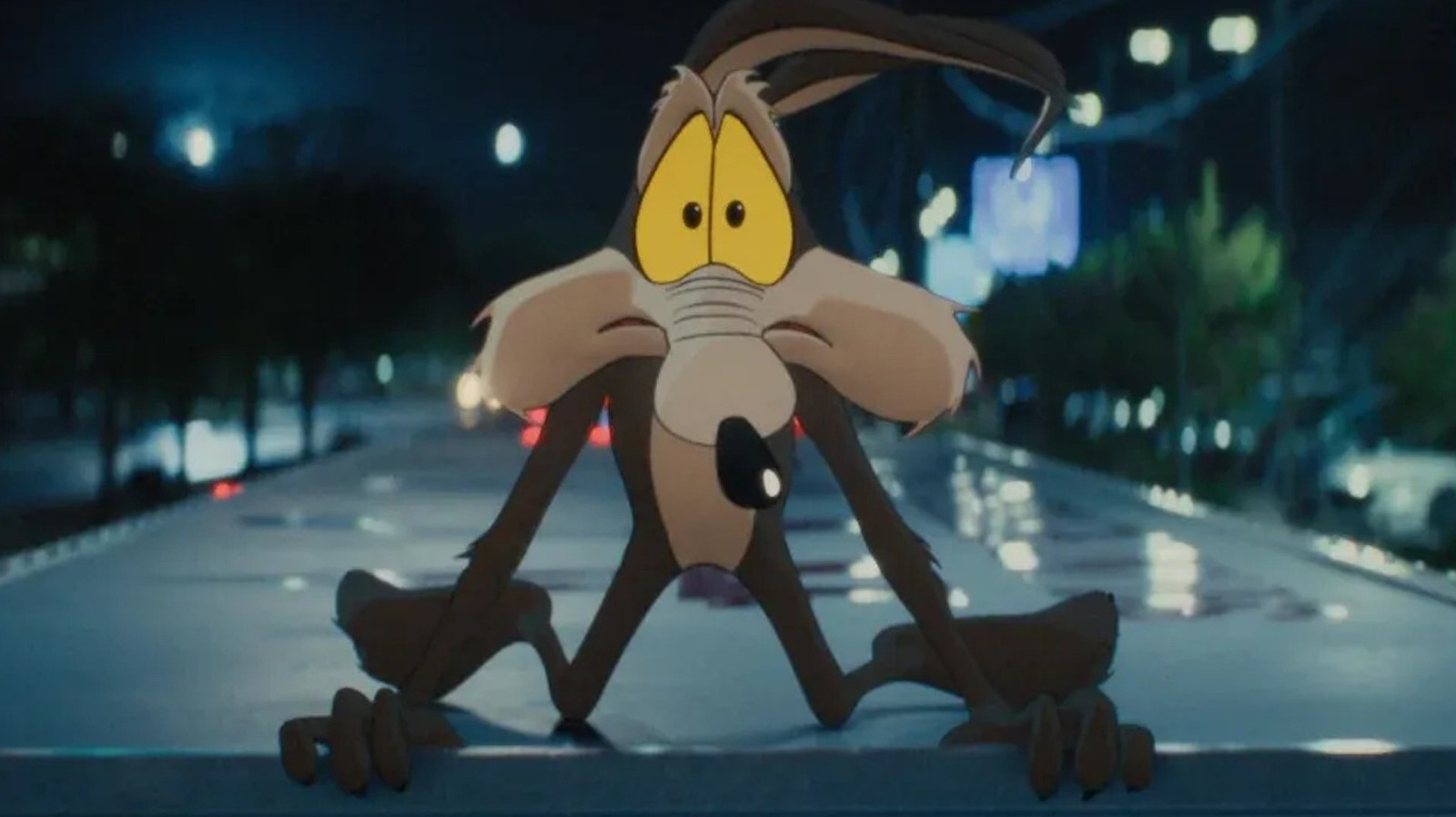
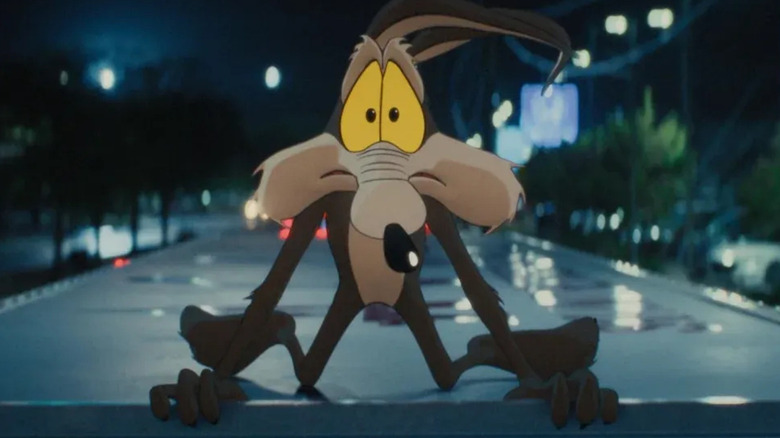
- Premise: A cinematic miracle of survival. After being infamously shelved and targeted for permanent burial by Warner Bros. Discovery, the hybrid live-action/animation feature was rescued by Ketchup Entertainment to become a massive box-office and critical triumph.
- Creative Execution: Following the blueprint of classics like Who Framed Roger Rabbit and classic Muppet features, the film treats its animated icons—specifically Wile E. Coyote and the Looney Tunes—not as walking merchandise, but as genuine, grounded underdogs with deep emotional dimensionality.
- Narrative Impact: The film establishes a gripping legal conspiracy and reframes Wile E. Coyote’s eternal pursuit of the Road Runner into a nuanced, heartbreaking friendship that subverts decades of cartoon tropes.
5. I Am Frankelda (Netflix)
- Creators: The Ambriz Brothers (Produced by Guillermo del Toro)
- Premise: Serving as a standalone prequel to the acclaimed series Frankelda’s Book of Spooks, this stop-motion dark fantasy musical follows a Mary Shelley-esque aspiring horror writer trapped in a parallel dimension where her monstrous creations come to life.
- Artistic Style: A tactile triumph of stop-motion craftsmanship. With massive, hyper-detailed sets and intricate creature designs (such as a show-stopping, highly expressive giant spider), the film evokes the eerie, magical dread of Jim Henson’s The Dark Crystal.
- Guillermo del Toro’s Influence: Del Toro’s signature touch is unmistakable in the film’s embrace of gothic romanticism, creature empathy, and spooky world-building, cementing the Ambriz Brothers’ universe as a major new voice in fantasy animation.
Official Responses and Industry Reception
The critical and commercial reception of 2026’s independent animation slate has triggered widespread dialogue across cinematic guilds and festival circuits:
- On the Studio Rescues: Industry analysts have pointed to the breakout success of Coyote vs. Acme as a severe indictment of corporate tax-write-off models. Representatives for Ketchup Entertainment noted that audience demand for preserved art vastly outweighs short-term ledger balancing.
- On International Collaboration: Major distribution houses like GKIDS and Sony Pictures Classics have issued joint statements praising the borderless nature of modern animation funding, emphasizing that foreign tax incentives and artistic freedom are generating work that pure commercial Hollywood apparatuses frequently reject.
- On Mental Health and Mature Narratives: Filmmakers behind projects like Tangles and Iron Boy have publicly commented on the necessity of utilizing animation to process complex real-world trauma—such as chronic illness, cognitive decline, and familial poverty—proclaiming that animated mediums allow audiences to digest heavy emotional truths without the sensory fatigue often accompanying live-action misery memoirs.
Implications: What 2026 Means for the Future of Animation
The triumphs witnessed in 2026 carry massive implications for the trajectory of the medium over the next decade:
- The Death of the "Animation is for Kids" Monolith: With Alzheimer’s dramas (Tangles), mobster-and-talking-flower magical realism (The Last Blossom), and chronic-illness coming-of-age stories (Iron Boy) leading the prestige conversation, studios can no longer pigeonhole animation into a singular demographic box.
- The Rise of Medium-Agnostic Hybridization: The seamless integration of live-action performance with classic cartoon physics in Coyote vs. Acme proves that practical-digital hybrid storytelling can achieve emotional resonance previously thought exclusive to pure cinematic forms.
- Empowerment of Independent Stop-Motion and Hand-Painted Works: The success of I Am Frankelda under Netflix’s banner, alongside independent foreign imports, signals that audiences are actively craving tactile, physical textures over homogenous computer-generated rendering. As the remainder of 2026 unfolds, the animation industry stands at a rare crossroads where commercial viability and uncompromised artistic vision are finally walking hand-in-hand.
