
Beyond the Stars: How Project Hail Mary and Dune: Part Three Are Redefining Modern Sci-Fi Cinema

The science fiction landscape of 2026 is proving to be one of the most commercially and critically explosive eras in cinematic history. As studios double down on high-concept, intellectually rigorous adaptations of beloved literary milestones, audiences are witnessing a fierce box-office and cultural battle between established cinematic dynasties and breakout masterpieces.
At the center of this cosmic clash are two monumental titles: Denis Villeneuve’s upcoming conclusion to his desert epic, Dune: Part Three, and Phil Lord and Christopher Miller’s cosmic triumph, Project Hail Mary. While Villeneuve prepares to close the book on Frank Herbert’s classic universe this coming December, the cinematic adaptation of Andy Weir’s 2021 novel has already rewritten the rules of modern space exploration cinema, conquering both the global box office and domestic streaming charts while propelling its lead star, Ryan Gosling, into the upper echelons of two of Hollywood’s most lucrative franchises.
Main Facts: The 2026 Sci-Fi Landscape
The cinematic calendar for 2026 has consistently delivered powerhouse genre entries, but none have captured the public imagination quite like the ongoing face-off between Project Hail Mary and the forthcoming Dune: Part Three.
- The Box Office Behemoth: Released earlier in the year, Project Hail Mary—directed by Phil Lord and Christopher Miller and adapted from Andy Weir’s bestselling novel—surpassed initial projections to gross a staggering $682 million worldwide. This global haul is anchored by $344 million domestically and an additional $338 million from international markets.
- The Streaming Resurgence: Following its theatrical run, the film transitioned seamlessly to home viewing. At the time of writing, Project Hail Mary has climbed back into the Prime Video U.S. top ten, currently sitting comfortably at number nine.
- The Climax of an Empire: On December 18, 2026—sharing a release date with Marvel Studios’ massive Avengers: Doomsday—Warner Bros. will release Dune: Part Three. Directed by Denis Villeneuve, the film adapts Frank Herbert’s universe further, starring a stacked ensemble including Timothée Chalamet, Zendaya, Javier Bardem, Rebecca Ferguson, Anya Taylor-Joy, Florence Pugh, and Jason Momoa.
- Gosling’s Franchise Expansion: Buoyed by his career-defining performance as Ryland Grace in Project Hail Mary, Ryan Gosling has officially signed on for two major tentpole franchises: Shawn Levy’s upcoming Star Wars: Starfighter and Marvel Studios’ newly announced Ghost Rider film, revealed during San Diego Comic-Con 2026’s Hall H presentation.
Chronology: From Literary Page to Cinematic Glory
To understand the current dominance of these properties, one must look at the timeline of how they transformed from printed words into global multimedia events.

Phase One: The Literary Foundations
- 2021: Andy Weir releases Project Hail Mary, following the monumental successes of The Martian and Artemis. The novel becomes an instant New York Times bestseller, praised for its hard-science approach, witty inner monologue, and a uniquely heartwarming alien companionship.
- Decades Prior: Frank Herbert’s Dune series continues to serve as the undisputed blueprint for modern space opera, inspiring generations of filmmakers, writers, and world-builders.
Phase Two: Development and Production
- 2020–2023: Phil Lord and Christopher Miller commit to directing Project Hail Mary for Amazon MGM Studios, casting Ryan Gosling not only as the film’s solitary human lead, Ryland Grace, but also welcoming him aboard as a producer alongside Aditya Sood, Amy Pascal, and author Andy Weir. Drew Goddard pens the screenplay adaptation.
- 2024–2025: Production ramps up on both Project Hail Mary and Denis Villeneuve’s Dune: Part Three (written by Brian K. Vaughan). While Villeneuve meticulously shoots the final chapter of Paul Atreides’ narrative arc, Lord and Miller utilize cutting-edge virtual production and practical effects to bring Weir’s microscopic-to-cosmic scale to life.
Phase Three: The 2026 Box Office Explosion
- March 2026: Project Hail Mary hits theaters. Critics praise it universally, with Collider’s Ross Bonaime awarding it a 9/10 and hailing it as "the first great film of 2026."
- Spring–Summer 2026: Word-of-mouth propels the film past the $650 million mark, eventually settling at $682 million globally. Although later pushed out of the immediate theatrical spotlight by Christopher Nolan’s historical epic The Odyssey and Marvel’s Spider-Man: Brand New Day, its legacy is secure.
- September 2026: Project Hail Mary lands on Prime Video, immediately sparking a home-viewing frenzy that lands it squarely in the U.S. streaming top ten.
- December 18, 2026: The scheduled theatrical debut of Dune: Part Three, setting up a historic year-end box office showdown alongside Disney/Marvel’s Avengers: Doomsday.
Supporting Data: The Numbers Behind the Success
The financial and critical metrics surrounding these projects paint a vivid picture of why science fiction is currently Hollywood’s most reliable asset.
| Metric / Category | Project Hail Mary | Dune: Part Three |
|---|---|---|
| Release Format / Date | Theatrical (March 15, 2026) / Prime Video | Theatrical (Dec 18, 2026) |
| Global Box Office | $682 Million | TBD (Anticipated Blockbuster) |
| Domestic Gross | $344 Million | TBD |
| International Gross | $338 Million | TBD |
| Runtime | 157 Minutes | TBD |
| Directors | Phil Lord, Christopher Miller | Denis Villeneuve |
| Key Writers | Drew Goddard, Andy Weir | Brian K. Vaughan (based on Frank Herbert) |
| Lead Star(s) | Ryan Gosling | Timothée Chalamet, Zendaya |
The financial trajectory of Project Hail Mary is particularly noteworthy. In an era where original IP and mid-budget risks often struggle to find theatrical footing, an uncompromising, hard-science narrative backed by heavy emotional beats managed to outpace several traditional superhero and fantasy releases earlier in the year.
Official Responses and Industry Reception
The critical consensus surrounding the 2026 sci-fi wave has been overwhelmingly positive, highlighting a shift toward smarter, character-driven storytelling wrapped in grand visual spectacles.
Reviewers have continuously singled out Ryan Gosling’s performance in Project Hail Mary as a masterclass in solo acting and comedic-dramatic balancing. Collider’s Ross Bonaime noted in his review:

"Phil Lord and Christopher Miller have crafted a masterpiece that balances existential cosmic dread with profound human optimism. Ryan Gosling anchors the film with a performance that is both heartbreakingly vulnerable and sharply humorous, making it easily the first great film of 2026."
On the studio front, Amazon MGM Studios executives have expressed immense satisfaction with the film’s dual performance—first as a theatrical heavyweight crossing the $680 million threshold, and second as a dominant streaming anchor that continues to drive subscriber engagement on Prime Video months after its theatrical window closed.
Meanwhile, Warner Bros. and Denis Villeneuve have maintained a measured, secretive promotional strategy for Dune: Part Three. Speaking at industry panels earlier this year, Villeneuve emphasized that the final chapter would challenge audiences just as much as its predecessors, focusing heavily on the philosophical and psychological fallout of religious fanaticism and imperial power.
Implications: What This Means for the Future of Sci-Fi
The massive success of Project Hail Mary and the looming anticipation for Dune: Part Three carry significant implications for Hollywood studios moving forward:
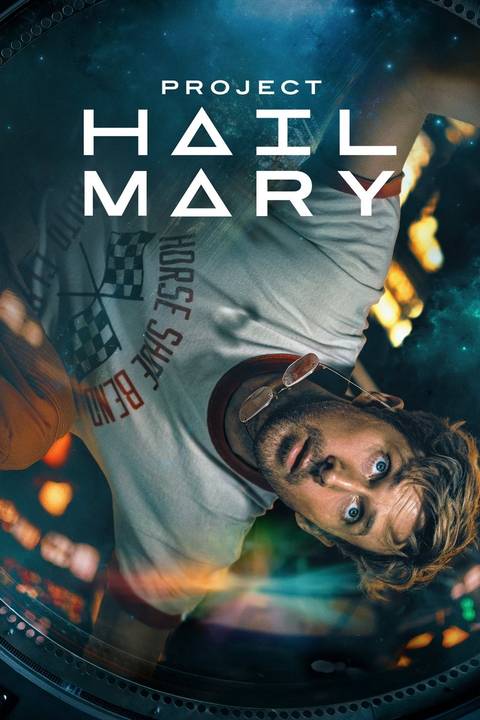
- Hard Sci-Fi is Commercially Viable: For years, studio executives feared that hard science fiction—stories reliant on astrophysics, problem-solving, and theoretical science rather than laser battles—would alienate mainstream audiences. Project Hail Mary has shattered this myth, proving that audiences will eagerly reward intelligent, scientifically grounded narratives when paired with charismatic lead performances and visionary direction.
- The Streaming-Theatrical Hybrid Ecosystem: The trajectory of Project Hail Mary—from a $682 million theatrical triumph to a top-tier streaming hit on Prime Video—demonstrates that robust theatrical runs do not cannibalize home-viewing metrics. Instead, theatrical prestige acts as a massive marketing engine for subsequent streaming adoption.
- The Rise of the A-List Franchise Pivot: Ryan Gosling’s post-Hail Mary career trajectory underscores a new reality for modern movie stars. By leveraging critical acclaim in an auteur-driven sci-fi drama, Gosling has successfully secured entry into two of the industry’s most fiercely guarded intellectual properties: Shawn Levy’s Star Wars: Starfighter and Marvel’s upcoming Ghost Rider reboot.
As the calendar ticks down to December 18, 2026, all eyes will turn to the desert sands of Arrakis to see if Dune: Part Three can dethrone Project Hail Mary as the definitive sci-fi achievement of the decade. Regardless of the box-office tally, one thing is certain: science fiction cinema is healthier, bolder, and more ambitious than it has ever been.
