
The Impossible Feat: Six Directors Who Won Best Picture on Their First Try
In the rarified air of the Academy Awards, the path to the podium is usually paved with years of dues-paying. The "Best Director" category, in particular, is often viewed as a career achievement award, a nod to a filmmaker who has honed their craft over decades. Yet, history tells a different story for a select few who skipped the apprenticeship and went straight to the top.
Winning an Oscar for Best Picture with your feature film debut is a statistical anomaly so rare it has occurred only six times in nearly a century of cinema. This feat represents a collision of perfect timing, undeniable vision, and, occasionally, the sheer magnetism of the filmmaker behind the camera.
The Genesis of the Academy Awards
To understand the gravity of these wins, one must contextualize the institution itself. The first Academy Awards were held on May 16, 1929, covering films released between August 1927 and August 1928. While modern cineastes view the Oscars as the pinnacle of artistic validation, the institution began with a more cynical motive. Film mogul Louis B. Mayer famously orchestrated the Academy’s formation as a tool to distract Hollywood workers from the growing labor union movement.
Despite these origins, the Oscars evolved into the industry’s ultimate "prom night"—a high-stakes barometer for what the establishment deems culturally significant. While the Academy is often accused of ignoring avant-garde risks, the six films that won Best Picture on a director’s first attempt stand as monuments to a specific kind of industry lightning-in-a-bottle.
Chronology of a Rare Achievement
1. Marty (1955): The Little Film That Could
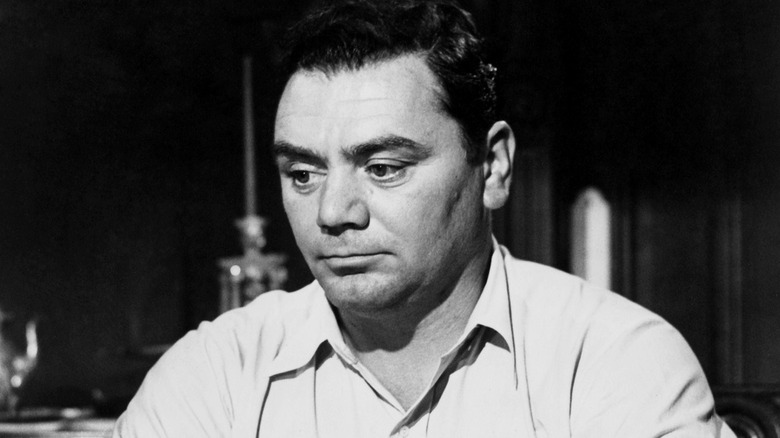
The first time a novice director shattered the ceiling was in 1956 when Delbert Mann’s Marty took home the Best Picture prize. In a year dominated by heavy, sweeping epics like The Rose Tattoo and Picnic, Marty was the underdog—a modest, 90-minute character study about a lonely Bronx butcher.
Marty remains the shortest film to ever win Best Picture. Its success was anchored in its raw, unvarnished honesty. Mann’s direction captured the quiet desperation of the post-war era, bolstered by an iconic performance from Ernest Borgnine. For Mann, who would later helm classics like Separate Tables, Marty proved that intimacy could trump spectacle.
2. West Side Story (1961): The Technicality of Talent
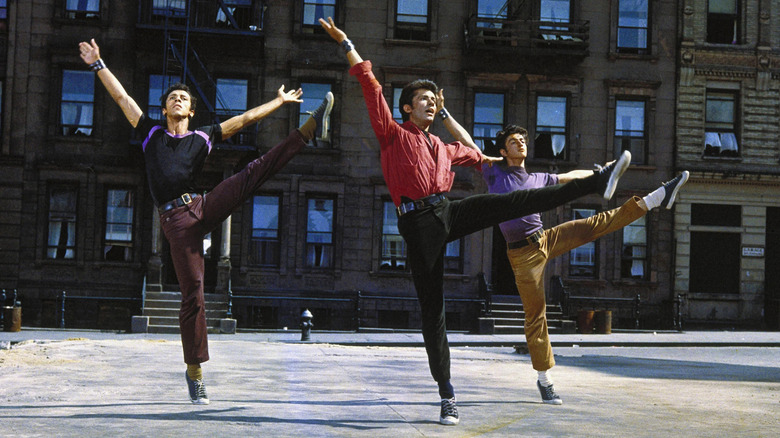
The 1962 ceremony saw a unique entry in the record books: West Side Story. While the film won Best Picture and Robert Wise and Jerome Robbins shared the Best Director award, the win is often cited with an asterisk. Robert Wise was a seasoned veteran of Hollywood, but Jerome Robbins was making his feature film debut.
Robbins brought his unparalleled experience from the Broadway stage to the screen, while Wise handled the heavy lifting of cinematic logistics. The result was a kinetic, vibrant reimagining of Romeo and Juliet set against the backdrop of 1950s New York street gangs. It was a rare case where the stage-to-screen translation resulted in a masterpiece that effectively launched a new era of the movie musical.
3. Ordinary People (1980): The Heartthrob Turned Auteur
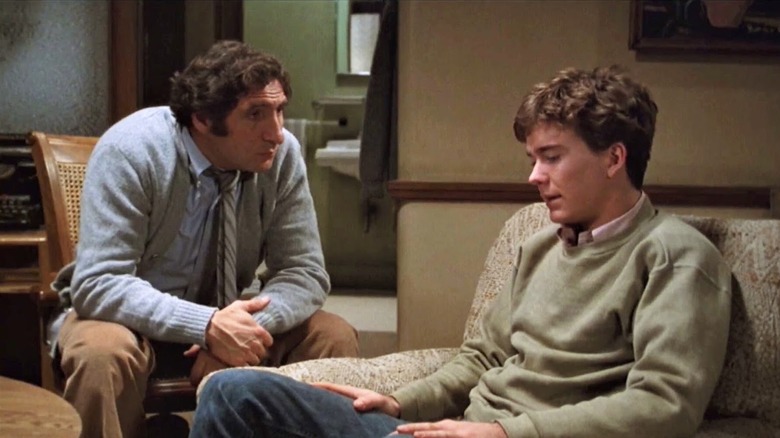
When Robert Redford, the quintessential 1970s leading man, announced he was stepping behind the camera for Ordinary People, the industry was skeptical. Hollywood has a long history of actors struggling to find their footing as directors. Redford, however, proved to be an exception.
Ordinary People dissected the disintegration of the American nuclear family with a cold, piercing precision that was deeply unsettling for its time. By focusing on a grieving household in Chicago, Redford proved he possessed a profound, soulful gaze. His win sent a message: the matinee idol was also a master of human psychology.
4. Terms of Endearment (1983): The TV Titan’s Triumph
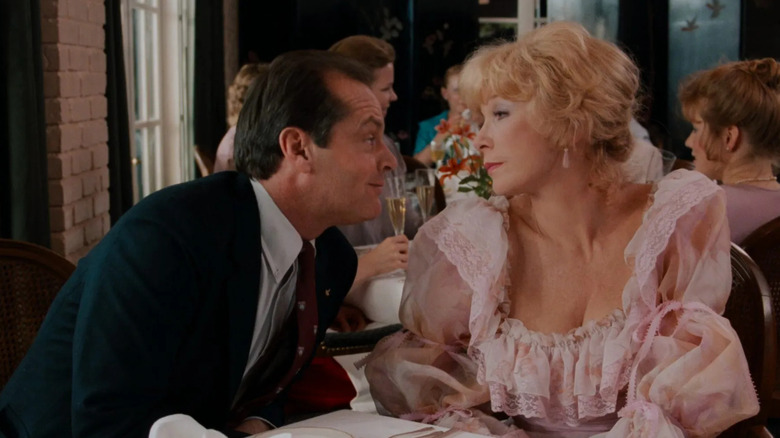
James L. Brooks arrived at his feature debut already a legend in television. Having co-created The Mary Tyler Moore Show and Taxi, Brooks arrived at the Paramount lot with a masterclass in tone control. Terms of Endearment managed to weave comedy and tragedy into a singular, emotional tapestry that became a box-office juggernaut.
Brooks didn’t just win; he dominated. The film took home Best Picture, Best Director, Best Screenplay, Best Actress, and Best Supporting Actor. His ability to elicit career-defining performances from Shirley MacLaine and Jack Nicholson proved that the transition from the small screen to the silver screen was not just possible, but potentially revolutionary.
5. Dances with Wolves (1990): The Western Resurgence
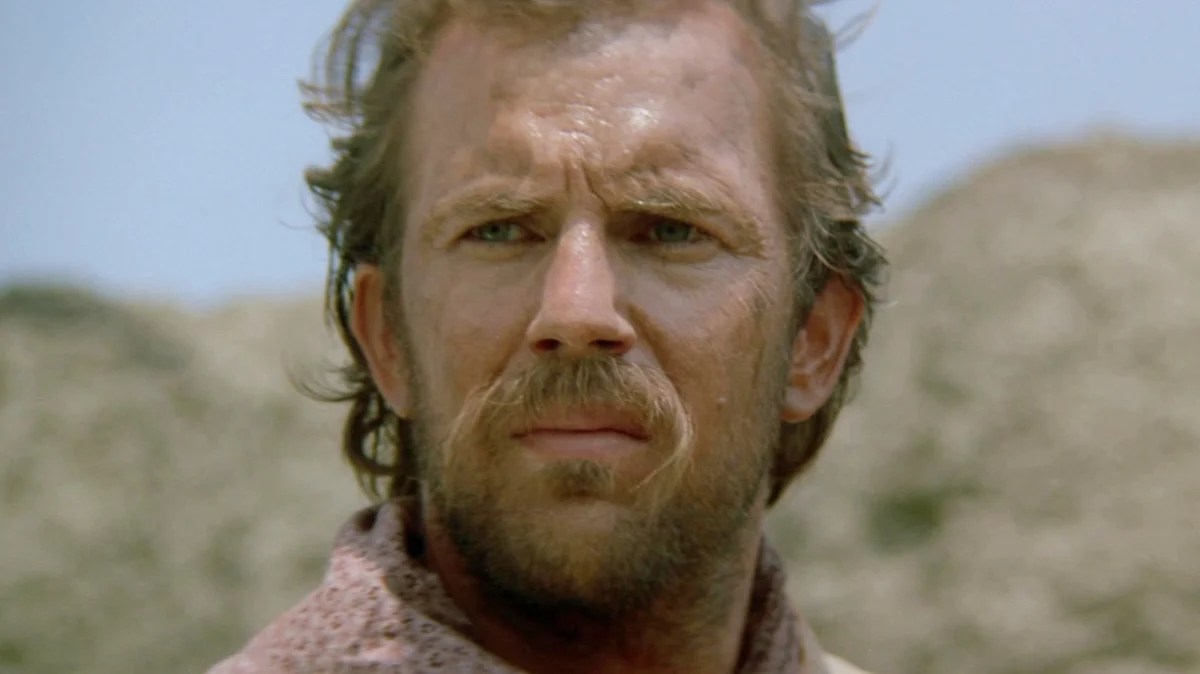
Kevin Costner’s Dances with Wolves arrived at a time when the Western was considered a dead genre. Like Redford, Costner was a beloved star who utilized his massive public appeal to secure funding for a passion project.
While modern critical discourse has noted the "white savior" tropes inherent in the narrative, the film’s success at the 1991 Oscars was undeniable. Costner’s meticulous attention to the portrayal of the Sioux people and his sprawling, epic visual language captivated the Academy. It was a massive, confident swing that redefined the potential scale of a directorial debut.
6. American Beauty (1999): The Millennial Mirror
The final entry in this list, Sam Mendes’ American Beauty, captured the zeitgeist of the late 1990s perfectly. A biting, dark satire of suburban malaise, the film felt like a cultural earthquake upon its release.
Mendes, a theater veteran, brought a painterly eye to the mundane horrors of the American dream. While the film’s legacy has faced critical re-evaluation in recent years due to its dated provocations, there is no denying the technical mastery Mendes displayed in his first outing. Winning five Oscars, it solidified his status as a prestige filmmaker overnight.
Supporting Data: Why First-Timers Usually Fail
The data supporting the difficulty of this feat is stark. In the 96-year history of the Oscars, hundreds of directors have been nominated for Best Director, but the vast majority had years of experience in television, music videos, or short films before landing a Best Picture contender.
- Average Career Length: Most Best Picture-winning directors have at least 10-15 years of professional experience before their victory.
- Genre Bias: The Academy historically favors dramas and epics. First-time directors who attempt sci-fi, horror, or experimental comedy rarely break through the "Best Picture" ceiling, even if they achieve critical acclaim.
- The "Mentor" Factor: Many of these six directors (particularly Brooks and Wise) had deep ties to industry veterans who acted as buffers against studio interference, allowing their first films to retain a unique, auteur-driven vision.
Official Responses and Industry Perception
The Academy of Motion Picture Arts and Sciences has historically maintained a stance of "rewarding excellence, regardless of seniority." However, in press junkets and post-win interviews, the common thread among these six directors is a rejection of the "novice" label.
James L. Brooks often noted in interviews that his transition from television was not a "start," but an "evolution." Similarly, the Academy’s willingness to award these filmmakers is often framed as a response to the "energy" they bring to the industry—a disruption of the status quo that the Oscars, for all their conservative tendencies, occasionally crave.
Implications for Future Filmmaking
What do these six directors signify for the next generation?
- The End of the "Long Climb": With the democratization of digital filmmaking, the gap between a debut feature and an Oscar contender is shrinking. However, the barrier to winning remains as high as ever.
- Star Power as Capital: The success of Redford and Costner highlights that a "name" director is more likely to get the resources required to create a Best Picture winner. Their celebrity acted as a shield for their creative choices.
- The Shift in Subject Matter: The history of these six films shows a shift from the character-driven dramas of the 50s and 80s to the more stylized, cynical visions of the late 90s. The industry is constantly looking for the "new voice," but the Academy requires that voice to speak a language the establishment understands.
In conclusion, while the path to a Best Picture win is traditionally a marathon, these six filmmakers turned it into a sprint. Whether through the sheer force of their previous reputations or a unique command of the medium, they proved that at the Oscars, greatness can indeed arrive on day one. For the aspiring director, they remain both an inspiration and a sobering reminder of the standard required to make history.
