
Unraveling the Temporal Maze: Inside the Visual Effects and Filmmaking Mastery of David Robert Mitchell’s The End of Oak Street
Main Facts
In the cinematic landscape of high-concept genre filmmaking, few directors command curiosity quite like David Robert Mitchell. Best known for his chilling, atmospheric work on It Follows and the neo-noir mystery Under the Silver Lake, Mitchell returned with an ambitious new feature: The End of Oak Street. Written and directed by Mitchell himself, the film stars powerhouse actors Anne Hathaway and Ewan McGregor as the heads of the Platt family, ordinary people navigating an extraordinarily surreal existence.
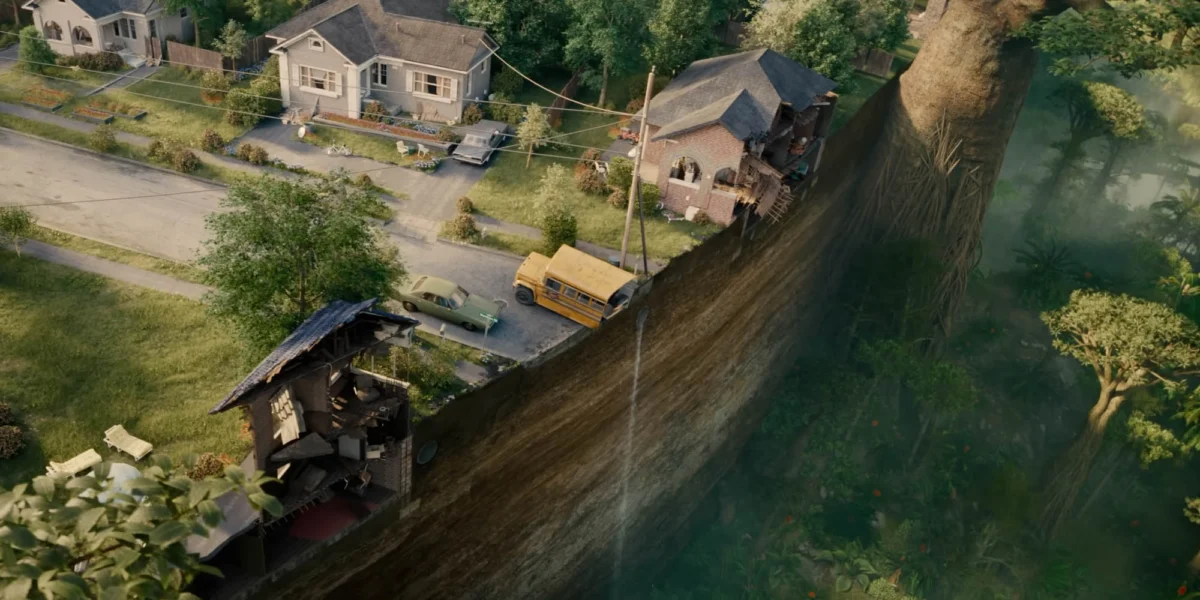
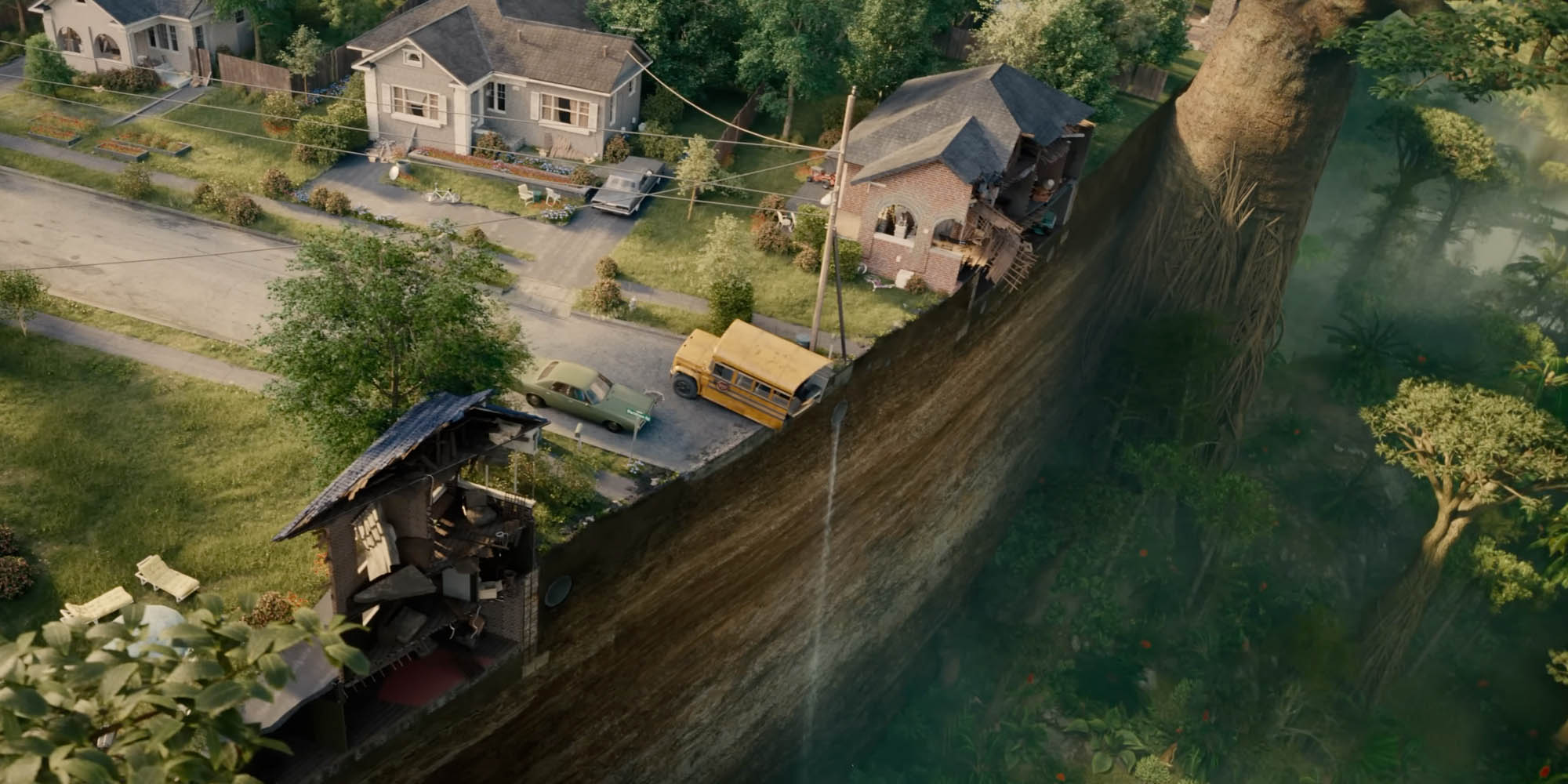
The core premise of The End of Oak Street centers on a seemingly ordinary American suburb that is suddenly upended by a cataclysmic, inexplicable anomaly. Following a mysterious event, the entire neighborhood is physically transported—not just across space, but backward in time to an unknown era. Thrust into an unsettling, displaced reality, the Platt family must band together with their displaced neighbors, reconcile the laws of physics as they know them, and fight for survival in a world where yesterday is quite literally right outside their front door.
To dissect the massive creative, technical, and narrative undertakings behind the film, a recent episode of The VFX Show (Episode 309) brought together an expert panel of industry insiders. Hosted by visual effects veterans and critics—including Matt Wallin, Jason Diamond, and Mike Seymour, with editing and production by Jim Shen—the episode places The End of Oak Street under a rigorous microscopic lens. The panel dove deep into how the film was constructed, evaluating the seamless integration of visual effects (VFX), practical design choices, and what ultimately worked—and what didn’t—in Mitchell’s ambitious temporal odyssey.
Chronology of Production and the Cinematic Release
The journey of The End of Oak Street from concept to screen has been closely watched by cinephiles and industry professionals alike. While David Robert Mitchell’s distinct directorial voice has long been celebrated, the scale of this project demanded an unprecedented alignment of pre-production planning, complex on-set execution, and a massive post-production visual effects pipeline.
- Development and Casting: Years prior to its premiere, Mitchell began developing a script that merged suburban mundane realism with speculative science fiction. The attachment of Anne Hathaway and Ewan McGregor as the leads elevated the project from an indie genre piece to a major prestige release, securing the necessary backing to execute Mitchell’s grand visual scope.
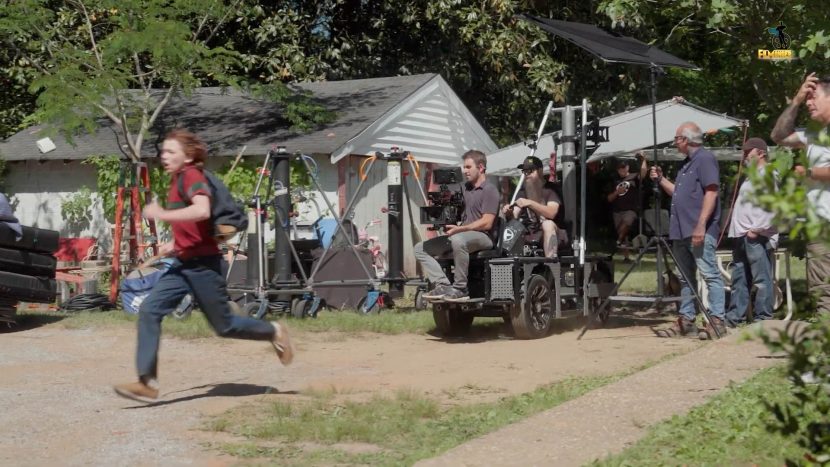
- Principal Photography: Filming required a delicate balance between tangible, physical set design and expansive green-screen environments. Because the narrative hinges on a recognizable suburban neighborhood being ripped out of its timeline, art departments had to construct hyper-detailed suburban environments that could later be digitally manipulated, degraded, or juxtaposed against impossible historical or alien horizons.
- The Post-Fringe VFX Pipeline: The post-production phase spanned many months, heavily relying on advanced pre-visualization (pre-vis) to map out the spatial displacement of the neighborhood. Visual effects supervisors worked hand-in-hand with Mitchell to ensure that the CGI elements—ranging from atmospheric temporal anomalies to subtle background horizon shifts—never overshadowed the grounded emotional performances of Hathaway and McGregor.
- The Critical Breakdown (Episode 309): Following the film’s release and subsequent rollout across theatrical and digital platforms, The VFX Show released Episode 309. The deep-dive podcast episode marked a critical milestone in public discourse regarding the film’s technical achievements, offering listeners a forensic look at how specific sequences were brought to life and debating the narrative risks taken by the director.
Supporting Data and Technical Breakdown
The technical ambition of The End of Oak Street is rooted in meticulous world-building and a complex cocktail of practical and digital wizardry. According to insights shared on The VFX Show, the film’s visual language relies heavily on contrast: the hyper-familiarity of mid-century or contemporary suburban aesthetics clashing against alien, untamed temporal landscapes.
Visual Effects and Practical Integration
- Scale and Environment Extension: To achieve the illusion of an isolated neighborhood suspended in an unknown void or unfamiliar epoch, the production utilized massive physical sets augmented by expansive digital matte paintings and environment extensions.
- Temporal Distortion Effects: The visual representation of time slipping—the core mechanic of the film’s inciting incident—required a nuanced approach. Rather than relying on overt, flashy sci-fi tropes (such as swirling vortexes or lightning bolts), the VFX teams opted for optical distortions, shifts in lighting color temperature, and subtle parallax anomalies that trick the viewer’s eye into feeling that the very air and light of the neighborhood are fundamentally wrong.
- Camera Work and Lens Choices: Cinematography played a massive role in grounding the surrealism. By utilizing classic framing techniques reminiscent of 1970s and 80s suburban thrillers, the camera forces the audience to look closely at background details—fencing, foliage, and distant horizons—to spot the gradual, creeping signs of temporal displacement before the characters themselves fully grasp the danger.
Podcast Insights: The Panelists’ Perspectives
During Episode 309 of The VFX Show, the expert panel broke down these technical facets piece by piece:
- Matt Wallin analyzed the digital composition work, noting how seamlessly the foreground live-action elements merged with the synthetic backgrounds. He pointed out specific framing choices that amplified the claustrophobia of the stranded neighborhood.
- Jason Diamond focused on the cultural and structural narrative elements, debating whether the script’s pacing allowed the audience enough breathing room to connect with the Platt family’s psychological dread amidst the spectacle.
- Mike Seymour put the pipeline choices under the microscope, discussing the rendering challenges associated with maintaining consistent lighting across sequences that simulate shifting historical eras and bizarre environmental light sources.
Official Responses and Industry Reception
The release of The End of Oak Street has sparked vibrant conversations across Hollywood, blending traditional film criticism with deep technical appreciation from the digital arts community.
Industry publications and visual effects forums have universally praised David Robert Mitchell for refusing to take the easy route. Instead of leaning into a high-budget, action-heavy blockbuster template, Mitchell chose to treat the sci-fi premise as an intimate family drama wrapped in a mystery box.
Anne Hathaway and Ewan McGregor have both spoken in press interviews about the unique challenges of shooting a film where the environment itself acts as the primary antagonist. Reacting to the script, Hathaway noted that the script’s genius lies in how ordinary domestic arguments—about chores, parenting, and neighborly disputes—suddenly feel trivial yet heightened when the lawn ends at the edge of a timeless void. McGregor echoed these sentiments, highlighting the collaborative nature of working on a set where physical acting had to be meticulously coordinated with future visual effects additions.
Meanwhile, the response from the technical community—championed by platforms like fxguide and The VFX Show—has centered on the bravery of the film’s visual choices. While the panel on Episode 309 engaged in healthy debate regarding certain editorial pacing decisions and narrative ambiguities, there was a unanimous consensus that the film represents a high-water mark for contemporary visual storytelling. The integration of high-end VFX into a deeply psychological, character-driven narrative proved that digital artistry can serve subtext just as effectively as spectacle.
Implications for Future Filmmaking and the Genre
The success and critical dissection of The End of Oak Street carry significant implications for the future of speculative fiction and independent studio filmmaking.
1. The Renaissance of Concept-Driven Mid-Budget Cinema
For years, the film industry has been polarized between micro-budget independent dramas and multi-hundred-million-dollar superhero tentpoles. The End of Oak Street bridges this gap. By combining marquee talent (Hathaway and McGregor) with a daring, high-concept narrative and sophisticated visual effects, the film proves that audiences and studios can still find immense value in original, mid-budget storytelling that respects the viewer’s intelligence.
2. Evolving VFX Workflows in Pre-Production
The technical breakdowns featured on The VFX Show illuminate how modern VFX supervision is shifting. As seen in The End of Oak Street, successful execution requires visual effects artists to be involved from the earliest stages of script breakdown and pre-vis. The blurring lines between practical set construction and virtual production mean that directors who understand spatial design—like David Robert Mitchell—can create worlds that feel tactile, lived-in, and viscerally real, even when digital trickery is heavily involved.
3. Deepening Audience Engagement Through Tech-Casts
The appetite for analytical, behind-the-scenes content—as evidenced by the popularity of podcasts dissecting film craft—shows that modern audiences are more media-literate than ever. Viewers no longer just want to consume a movie; they want to understand the invisible labor, the pipeline hurdles, and the creative compromises that brought the images to life. Shows like The VFX Show serve as a vital bridge between the creative sweat of the VFX studios and the curious minds of the viewing public.
Ultimately, The End of Oak Street stands as a testament to bold directorial vision, stellar performances, and cutting-edge visual effects working in tandem. Whether viewers walk away from the film pondering its existential themes or listening to industry veterans debate its rendering pipelines on Episode 309, one thing is certain: David Robert Mitchell has once again crafted an unforgettable cinematic experience that lingers long after the credits roll.
