
Beyond the Pastel: How My Little Pony: Friendship is Magic Redefined Modern Animation
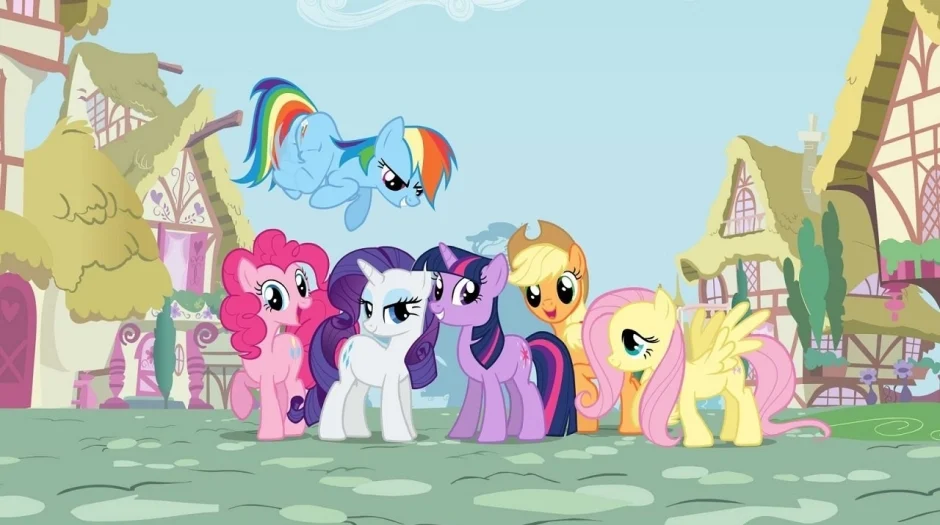
It is a rare phenomenon in the animation industry when a series transcends its intended demographic to become a cultural touchstone. My Little Pony: Friendship is Magic (FiM), which spanned over 200 episodes, five Leo Awards, and multiple Daytime Emmy nominations, stands as the gold standard for this shift. Yet, the road to this success was paved with skepticism and the daunting challenge of overcoming deeply entrenched industry stereotypes regarding "girl-focused" media.
Lauren Faust, the visionary creator behind the series, recently reflected on the nine-season journey that transformed a toy-based franchise into a cornerstone of contemporary animation. Her narrative is one of creative persistence, where a desire to respect the audience—regardless of gender—breathed life into a world that eventually captured the hearts of millions, including an unexpected global legion of adult fans known as "Bronies."
The Genesis of Equestria: Breaking the "Girly" Stigma
Looking back at the show’s inception in 2010, Faust admits that she was initially hesitant to take on the project. At the time, the My Little Pony brand was synonymous with a specific, often criticized, aesthetic.

"There was, for lack of a gentler word, a prejudice against shows for little girls," Faust notes. "At the time, I felt like My Little Pony might have even been the poster child for what people think is ‘dumb girly stuff.’ But what I’m really proud of is that I did get a lot of creative freedom… When somebody loves something and cares about it and wants to respect it and treat it seriously, they can make it into something more than the stereotype."
Faust’s approach was rooted in high-fantasy sensibilities. Drawing inspiration from classical literature like The Chronicles of Narnia and The Hobbit, she envisioned Equestria not as a shallow commercial platform, but as a realm with a rich history, complex geography, and epic stakes. From the Parthenon-inspired architecture of Cloudsdale to the Gondor-esque majesty of the capital city, Canterlot, Faust crafted a world that felt lived-in and legendary.
Chronology: A Nine-Season Evolution
The series, a collaboration between Allspark Animation and DHX Media Vancouver, debuted on The Hub in 2010. It centered on the "Mane Six": Twilight Sparkle, Spike, Applejack, Rarity, Fluttershy, Rainbow Dash, and Pinkie Pie.

Early Foundations (Season 1)
The initial episodes were critical in establishing the show’s identity. Episodes like "The Ticket Master" served as character studies, delineating the motivations and personalities of the core cast. Faust pushed her writing team to avoid the "soft" tropes typically associated with girl-targeted programming. She insisted on conflict, risk, and character growth.
The Turning Point: "Sonic Rainboom"
The defining moment for the series, according to Faust, was the "Sonic Rainboom" episode. The narrative balanced the high-stakes anxiety of Rainbow Dash’s athletic competition with the personal, often humorous, drama of Rarity’s vanity and social climbing. "That story struck this really great balance between an epic moment and very personal feelings," Faust explains. "I felt like the tone was really solid. That was the one that I kept pointing to and saying, ‘We have to keep hitting this.’"
Sustained Success and Legacy
The show maintained its momentum, eventually reaching 221 episodes—surpassing the combined total of the previous two iterations of the franchise. Its success has led to a sprawling multimedia empire, including Pony Life, My Little Pony: Make Your Mark, and My Little Pony: Tell Your Tale. Looking ahead, Hasbro has announced a new YouTube series, My Little Pony: Forever Friendship, slated for a 2027 launch, promising to keep the spirit of the original alive for a new generation.

Artistic Vision and Global Inspiration
The visual identity of My Little Pony: Friendship is Magic did not appear in a vacuum. Faust leveraged her experience working on Foster’s Home for Imaginary Friends, collaborating with artists Dave Dunnet and Martin Ansolabehere to depart from the "old-fashioned pastel watercolors" that had defined previous iterations.
However, the creative process involved a constant negotiation between artistic intent and corporate requirements. While Faust advocated for anatomical realism—such as saddles and stables—the necessity of a toy-driven narrative meant that concessions, such as the inclusion of beds, were made. These compromises, rather than hindering the show, became integrated into the world-building, proving that commercial goals and narrative integrity could coexist.
The "Brony" Phenomenon: An Unexpected Demographic
Perhaps the most significant legacy of Friendship is Magic is the emergence of the "Brony" fandom. What began as a ripple of interest on internet forums evolved into a massive, organized community of adult fans.

Faust recalls her initial trepidation when checking online feedback for the show. "One of the first things that came up was an article where the author hadn’t even seen the show, but was already damning it," she recalls. "But my theory is that article got enough attention that other people tuned in to hate the show and ended up loving it."
The fandom’s growth was so profound that it spawned the documentary Bronies: The Extremely Unexpected Adult Fans of My Little Pony, for which Faust served as an executive producer. At the inaugural BronyCon, Faust was struck by the personal resonance the show had for its audience. "Adult men in their 30s were saying, ‘Oh my gosh, I’m just like Pinkie Pie.’ I also met so many people who found friendship through this show. So, I guess friendship really is magic."
Implications for the Animation Industry
The success of Friendship is Magic serves as a case study for executives and creators alike. It demonstrated that audiences—regardless of age or gender—crave high-quality storytelling that does not talk down to them. By prioritizing character depth, emotional stakes, and consistent world-building, the series proved that "girly" media could be a vehicle for sophisticated, compelling entertainment.

The Future of the Franchise
While Lauren Faust is not currently involved in the upcoming Forever Friendship series, her influence remains the bedrock of the brand. Her stance on returning to the franchise is one of cautious optimism. "Never say never," she states. "It would depend a lot on the parameters and how much freedom I would have… I just care about these characters and I’d want to do it right. So, yeah. I’d say it’s a solid maybe."
The trajectory of My Little Pony: Friendship is Magic confirms that animation is at its best when creators are empowered to challenge the status quo. By refusing to accept the "dumb girly show" label, Faust and her team didn’t just sell toys; they created a shared cultural experience that redefined the possibilities of children’s television. As the franchise prepares for its next chapter, the lessons learned from Equestria remain clear: respect the audience, embrace the complexity of your characters, and never underestimate the power of a well-told story.
