
The Breaking of the Bat Enters Its Next Phase: Warner Bros. Unveils Batman: Knightfall Part 2 – Knightquest Trailer
By Staff Entertainment Reporter
Published September 22
Main Facts
Warner Bros. Entertainment has officially dropped the highly anticipated first trailer for Batman: Knightfall Part 2 – Knightquest, treating DC Comics fans to a blistering look at the continuation of the studio’s ambitious animated adaptation of one of the most iconic comic book storylines of all time.
The promotional footage arrived over the weekend, timed purposefully to coincide with global celebrations for Batman Day on September 19. While the first installment of the trilogy captivated audiences earlier this year with its faithful, hard-hitting adaptation of Bruce Wayne’s most devastating physical and psychological defeat, Knightquest shifts the focus to the tumultuous aftermath of Gotham City’s protector being taken off the board.
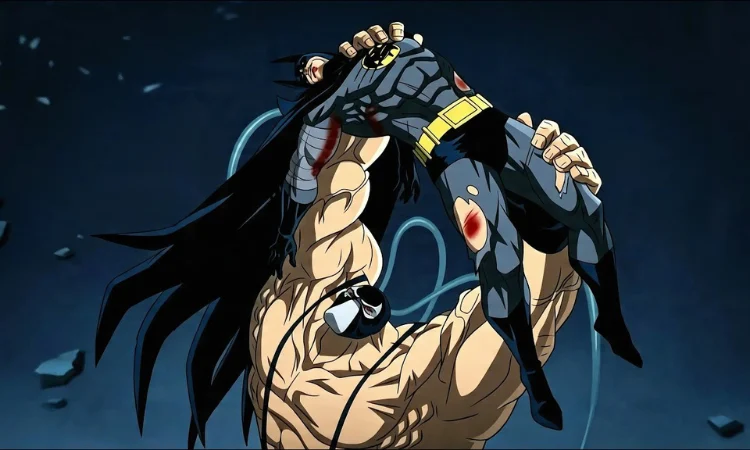
For those who have not yet experienced the first chapter, Warner Bros. and industry insiders strongly urge viewers to seek it out before Knightquest hits home video and digital platforms later this year. The overarching Knightfall narrative, originally published across DC’s comic titles between 1993 and 1994, is a legendary three-part saga. Its opening act saw the brutal introduction of Bane—a tactical genius fueled by the super-steroid Venom—who famously orchestrated a systematic breaking of the Batman, culminating in the iconic moment where he shatters Bruce Wayne’s spine across his knee.
With Wayne left paralyzed and unable to continue his war on crime, the mantle of the Dark Knight falls to a successor: Jean-Paul Valley, also known as the lethal vigilante Azrael. As Part 2 – Knightquest takes shape, the narrative explores the dangerous consequences of handing Gotham’s ultimate weapon to a man ill-equipped to wield it with Bruce’s moral compass.
The project boasts an all-star voice cast. Anson Mount (Star Trek: Strange New Worlds) leads the ensemble as Bruce Wayne / Batman, while Michael Mando (Better Call Saul) brings a menacing intensity to the towering villain Bane. Pablo Schreiber (Halo) steps into the complex and volatile role of Jean-Paul Valley / Azrael. The supporting roster includes Jack Griffo as Tim Drake / Robin, Bruce Boxleitner as Commissioner James Gordon, Simon Templeman as the ever-faithful Alfred Pennyworth, and Toks Olagundoye as Dr. Shondra Kinsolving.
While Warner Bros. has not yet attached a definitive, calendar-locked release date to Batman: Knightfall Part 2 – Knightquest, the film is confirmed to premiere later this year. Meanwhile, the studio is already looking far down the horizon, locking in a 2027 release window for the trilogy’s explosive concluding chapter, KnightsEnd.
Chronology of the Saga: From 1993 Pages to Modern Animation
To fully understand the gravity of Batman: Knightfall Part 2 – Knightquest, one must trace the historical and narrative timeline of the property, which has remained a cornerstone of DC Comics lore for over three decades.
The Comic Book Origins (1993–1994)
In the early 1990s, DC Comics editorial faced a daunting challenge: how to test the seemingly unbreakable spirit of their flagship hero. Spearheaded by a collaborative team of writers and artists—including Chuck Dixon, Doug Moench, Alan Grant, Jim Aparo, and Graham Nolan—the Knightfall saga was born.
The storyline began with a massive breakout at Arkham Asylum. Bane, recognizing that he could not defeat Batman through brute force alone while the hero was operating at peak condition, orchestrated a mass exodus of Gotham’s most dangerous criminals. For months, a depleted, exhausted Bruce Wayne pushed his body to the absolute limit to recapture villains like the Joker, the Riddler, Poison Ivy, and Scarecrow.
Once Batman was physically and mentally drained, Bane struck in the sanctity of Wayne Manor. The resulting showdown ended with the infamous, spine-shattering blow that redefined the stakes of superhero comics.
The Rise of Azrael and Knightquest
Unable to protect Gotham himself, Bruce Wayne made the controversial decision to pass the cowl to Jean-Paul Valley. Trained by the secretive, religious Order of Saint Dumas, Azrael possessed lethal combat skills but lacked the psychological stability and moral restraint that defined Batman.
In the comics, the Knightquest phase—which this new animated film adapts—chronicles two parallel narratives:
- The Crusade: Jean-Paul Valley patrolling Gotham City, slowly descending into madness, paranoia, and brutal violence, alienating Robin (Tim Drake) and Commissioner Gordon.
- The Search: A crippled Bruce Wayne and Dr. Shondra Kinsolving traveling across the globe in search of a miraculous cure, crossing paths with Lady Shiva and other martial arts masters.
The Cinematic Echoes
The profound cultural impact of the Knightfall arc extended far beyond the printed page. When Christopher Nolan, Jonathan Nolan, and David S. Goyer crafted the conclusion to their legendary cinematic trilogy, The Dark Knight Rises (2012), they drew heavily from the themes, character beats, and visual iconography of Knightfall. Tom Hardy’s portrayal of Bane, the physical breaking of Christian Bale’s Batman, and the subsequent descent of Gotham into lawlessness all trace their lineage directly back to the 1993 comic event.
Now, decades later, Warner Bros. Animation is finally giving the narrative the direct, faithful, multi-part treatment fans have demanded for years.
Supporting Data and Production Insights
The production of the Batman: Knightfall animated trilogy represents a major strategic shift for Warner Bros. Animation, moving away from standalone adaptations toward long-form, serialized storytelling that honors the sprawling complexity of classic comic events.
Critical and Fan Reception of Part 1
The first chapter of the animated trilogy arrived to widespread critical acclaim and fervent fan appreciation. Reviewers praised the film’s uncompromising tone, mature PG-13/R-adjacent intensity, and its faithful recreation of the psychological warfare waged by Bane. Unlike shorter animated films that are forced to compress legendary arcs into 75-minute runtimes, the multi-part structure has allowed creators to breathe life into subplots, character dynamics, and the grueling attrition of Bruce Wayne’s defeat.
Voice Cast Synergy
The casting choices for Knightquest have been lauded by industry analysts for their precision.
- Anson Mount delivers a vocal performance that balances world-weary resilience with quiet authority.
- Michael Mando’s Bane avoids the trap of becoming a one-dimensional brute, instead presenting a chillingly calculating tactician who views breaking Batman as both a physical conquest and an ideological victory.
- Pablo Schreiber, known for playing physically imposing and morally complex characters, is uniquely suited to capture the psychological unraveling of Jean-Paul Valley as the mantle of the Bat warps his mind.
Below is a breakdown of the core creative and vocal lineup steering the Knightquest production:
| Character | Voice Actor | Notable Prior Work |
|---|---|---|
| Bruce Wayne / Batman | Anson Mount | Star Trek: Strange New Worlds, Hell on Wheels |
| Bane | Michael Mando | Better Call Saul, Far Cry 3 |
| Jean-Paul Valley / Azrael | Pablo Schreiber | Halo, American Gods |
| Tim Drake / Robin | Jack Griffo | The Thundermans |
| Commissioner James Gordon | Bruce Boxleitner | Tron, Babylon 5 |
| Alfred Pennyworth | Simon Templeman | Uncharted, Mass Effect |
| Dr. Shondra Kinsolving | Toks Olagundoye | Castle, DuckTales |
Official Responses and Industry Reactions
The release of the Knightquest trailer over Batman Day weekend sparked an immediate wave of excitement across social media platforms, entertainment blogs, and comic book conventions.
Warner Bros. executives have emphasized that the trilogy is designed as a love letter to longtime comic collectors while remaining accessible to newer fans drawn in by modern superhero cinema. In an official statement accompanying the trailer rollout, studio representatives noted:
"The Knightfall arc is sacred ground for DC fans. When we approached adapting this story, we knew we couldn’t cut corners. The response to Part 1 proved that audiences are hungry for deep, character-driven storytelling that respects the emotional weight of a hero’s downfall. With Knightquest, we are diving headfirst into the complex dilemma of what happens when the symbol of Batman is co-opted by someone who plays by an entirely different set of rules."
Cast members have also voiced their enthusiasm for the project. Anson Mount previously shared in interviews that stepping into the cowl of Bruce Wayne during his most vulnerable era required a departure from traditional superhero bravado. Instead of playing an invincible icon, Mount had to lean into vulnerability, physical pain, and the humbling reality of mortality.
Similarly, Pablo Schreiber expressed excitement over voicing Azrael, highlighting the character’s tragic trajectory as a cautionary tale about extremism and the dangers of absolute justice unchecked by empathy.
Implications for the Future of DC Animation
The rollout of Batman: Knightfall Part 2 – Knightquest—and the already confirmed scheduling of Part 3: KnightsEnd for 2027—carries significant implications for the future of Warner Bros. Animation and the wider landscape of comic book adaptations.
1. A New Blueprint for Long-Form Animation
For years, direct-to-video DC animated films predominantly favored standalone stories or two-part adaptations of shorter graphic novels (such as The Dark Knight Returns or The Death of Superman). By committing to a sprawling, three-part epic with multi-year spacing, Warner Bros. is testing a serialized cinematic model traditionally reserved for theatrical blockbusters. If Knightquest and KnightsEnd maintain or exceed the commercial and critical success of the first film, this model could become the gold standard for adapting other massive crossover events from DC history, such as Crisis on Infinite Earths or No Man’s Land.
2. Elevating Adult Animation Standards
The mature themes explored in Knightquest—mental health deterioration, the ethics of vigilantism, religious fanaticism, and physical disability—demonstrate that superhero animation can cater successfully to an older demographic. By refusing to sanitize the darker aspects of the 1990s comic era, Warner Bros. continues to carve out a distinct identity for its animated division, separating it from family-friendly streaming content.
3. Sustaining Fan Engagement Through Long-Term Roadmaps
By announcing KnightsEnd for a 2027 release well in advance, the studio is building a long-term runway for fan engagement. Cultivating a multi-year narrative arc ensures sustained discussion, theorizing, and anticipation within the global comic community, cementing Batman’s enduring cultural dominance year after year.
As fans dissect every frame of the Knightquest trailer, all eyes remain fixed on the horizon. With Bruce Wayne sidelined, Azrael patrolling the shadows with a sword and a volatile temper, and Gotham bracing for an even darker reign, the legend of the Dark Knight is entering its most dangerous chapter yet.
Batman: Knightfall Part 2 – Knightquest is scheduled for release later this year. Stay tuned to SciFiNow for further updates, release date announcements, and exclusive interviews.
