
Resurrection of a Legend: The Long-Awaited Tupac Shakur Biopic Finds New Life
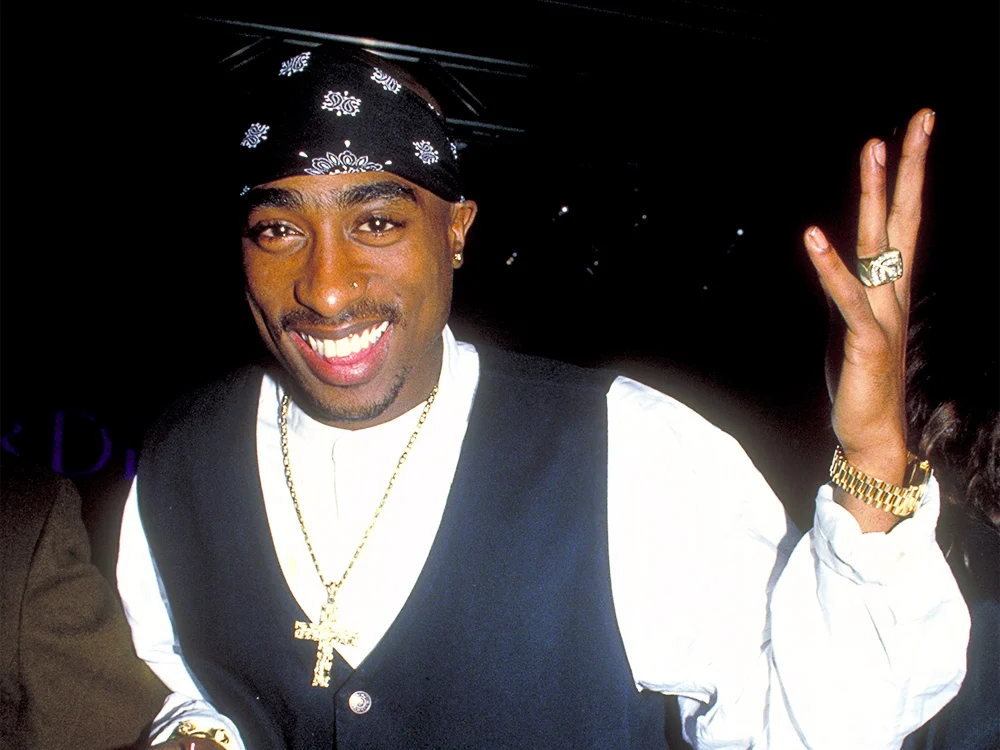
The cinematic journey of Tupac Shakur’s life has been as tumultuous and compelling as the artist’s own career. After years of development hell, legal disputes, and shifting creative visions, the long-stalled biopic centered on the life and legacy of the iconic hip-hop luminary has finally gained significant momentum. Emmett Furla Oasis Films has officially stepped in to co-finance and co-produce the project alongside Morgan Creek Productions, signaling that the cameras may finally begin rolling on a story that has remained one of Hollywood’s most sought-after narratives.
The Financial Engine: A Strategic Partnership
The infusion of capital and production expertise from Emmett Furla Oasis (EFO) represents a pivotal shift for the project. The company, led by producers Randall Emmett and George Furla, recently underwent a corporate rebranding following a major investment from Dubai-based Oasis Ventures Entertainment. With a track record that includes high-octane productions such as 2 Guns and Escape Plan, EFO brings a level of financial stability and industry clout that has been missing from the Tupac project since its inception.
The partnership is further bolstered by a broader financial framework; EFO recently secured a massive $125 million slate financing deal with the Belgian financier Corsan NV, a move solidified during the Toronto Film Festival. By aligning the Tupac biopic with this robust financial infrastructure, the producers aim to ensure that the production quality matches the grandeur of Shakur’s cultural impact.
Chronology of a Development Saga
The path to bringing Tupac to the silver screen has been anything but linear. The project has been under the stewardship of Morgan Creek Productions for years, with the studio first attempting to gain traction as early as 2011. During that period, the studio launched an ambitious and highly publicized open casting call, inviting hopefuls from across the globe to submit video auditions. These applicants were tasked with not only performing a dramatic reading from the script but also delivering a rendition of their favorite Tupac track, highlighting the difficulty of finding an actor capable of capturing the rapper’s complex, multifaceted persona.
Despite the initial excitement surrounding the casting call, the project stalled shortly thereafter. Issues ranging from screenplay disputes to internal studio shifts kept the production in a state of indefinite suspension. Fans and industry analysts alike had begun to wonder if the story of the man who sold over 75 million albums worldwide would ever reach the screen in a definitive capacity. The involvement of EFO marks the end of this prolonged period of dormancy, with production now tentatively slated to begin in February.
The Creative Vision and Authenticity
A central component of this revitalized project is the involvement of Afeni Shakur, the late rapper’s mother. Serving as a producer on the film, her participation ensures that the project remains grounded in the realities of Tupac’s life rather than succumbing to the sensationalism often associated with Hollywood biopics. Her presence is arguably the most critical element in maintaining the authenticity of the narrative, particularly given the sensitive nature of the subject matter.
The script, which has undergone several revisions over the years, is currently in the hands of writers Eddie Gonzalez and Jeremy Haft. Their challenge is to synthesize a life defined by extreme highs and lows into a coherent, cinematic experience. Previous iterations of the screenplay focused on the three pillars of Shakur’s public life: his meteoric rise to fame as a multi-talented hip-hop artist and actor, his controversial imprisonment on sexual assault charges, and the tragic, defining escalation of the East Coast-West Coast rap rivalry that ultimately claimed his life in 1996.
Supporting Data: The Magnitude of the Subject
To understand why Hollywood remains so invested in the Tupac Shakur story, one must look at the data. Shakur remains one of the highest-selling musical artists in history, with global sales exceeding 75 million albums. His influence transcends music; he is a permanent fixture in the cultural zeitgeist, cited as an inspiration by generations of artists, activists, and filmmakers.

The financial risk of a biopic is high, but the potential rewards—both critical and commercial—are immense. By securing the rights to Shakur’s expansive music catalog, the production team has ensured that the film will have the necessary sonic foundation to remain true to the artist’s legacy. This is a crucial detail, as any film attempting to tell his story without the rights to his actual work would inevitably be viewed as a hollow imitation.
Implications for the Industry
The revival of the Tupac biopic has significant implications for the landscape of modern film production. Firstly, it highlights the increasing importance of international financing in mid-budget and prestige projects. The combination of U.S. production houses and foreign equity—such as the Dubai-based Oasis Ventures and Belgium’s Corsan NV—is becoming the new standard for films that require substantial budgets but carry inherent production risks.
Furthermore, the film’s development signals a renewed interest in the "Hip-Hop Biopic" genre. Following the success of other musical biopics, studios are increasingly looking toward the lives of rap icons as potential franchise-level assets. However, the Tupac project stands apart because of the sheer density of his history. The film is not merely a music movie; it is a period piece that must grapple with the racial, social, and political climate of the 1990s, the emergence of gangsta rap, and the intersection of celebrity and criminality.
Challenges Ahead
Despite the new financial backing, the producers face significant hurdles. The most pressing is the casting process. Tupac Shakur was a man of intense charisma, intellect, and volatility. Finding an actor who can inhabit these traits without drifting into caricature is a monumental task. The 2011 casting call proved that while many can imitate his voice or style, very few can capture the essence of his internal struggle.
Additionally, the film must navigate the complexities of his life without alienating his massive and protective fanbase. Any deviation from the established historical record, or even slight misinterpretations of his motivations, will be scrutinized by millions. With Afeni Shakur’s involvement, the production has a shield against some of these criticisms, but the creative team must still balance the demands of commercial storytelling with the weight of biographical truth.
Conclusion: A Legacy in Motion
As production prepares to ramp up in February, the industry is watching closely. The revival of the Tupac Shakur biopic is more than just a standard production update; it is the resurrection of a project that represents a piece of modern history. If Emmett Furla Oasis and Morgan Creek can successfully navigate the complexities of his life, the film has the potential to become a definitive cultural document—a fitting tribute to a man who, even decades after his death, continues to shape the world of music and beyond.
For now, the focus shifts to the casting office and the final polish of the script. The long-stalled dream of a Tupac movie is finally moving, and for the first time in years, the project seems not just possible, but inevitable. Whether the final product will capture the fire and the vulnerability of the man known as "Makaveli" remains to be seen, but the machine is now in motion, and the world is waiting.
