
Decoding the Chemistry: A Comprehensive Breakdown of ‘The Love Hypothesis’ Ending and Legacy
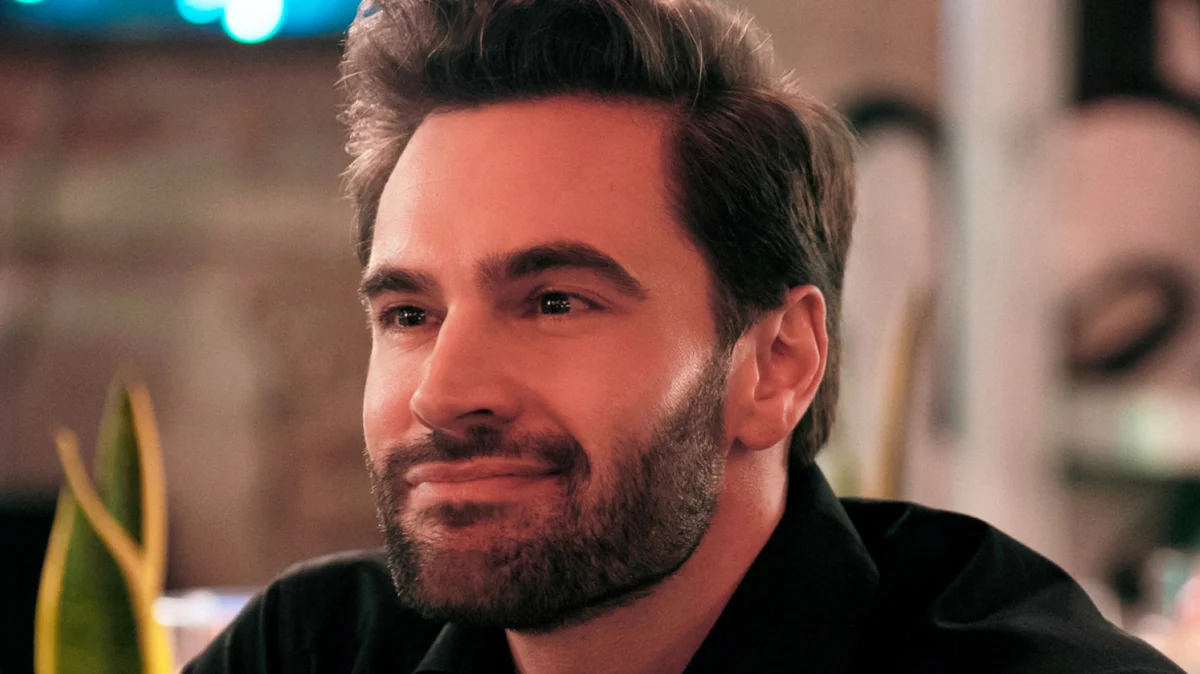
In the evolving landscape of modern romantic comedies, few transitions from page to screen have generated as much discourse as the adaptation of Ali Hazelwood’s The Love Hypothesis. What began as a viral sensation in the fanfiction community has solidified its status as a cornerstone of the "STEM-romance" genre. With the film’s arrival on Amazon Prime Video, starring Lili Reinhart and Tom Bateman, audiences are once again dissecting the volatile, high-stakes chemistry between graduate student Olive Smith and the formidable Professor Adam Carlsen.
As the film continues to draw viewers, many are left parsing the nuances of its conclusion—a finale that balances academic ambition with the messy, unpredictable nature of human connection.
The Academic Anatomy: Understanding the Source Material
To understand the stakes of the film, one must first look at the unique pedigree of the story. Author Ali Hazelwood, who holds a PhD in neuroscience, brought an authentic, albeit stylized, perspective to the world of academia. Her novel, published in 2021, originated as a piece of Star Wars fanfiction titled "Head over Feet," which reimagined the complex dynamic between Kylo Ren and Rey.
This intellectual lineage is crucial to the film’s tone. By transplanting these archetypes into the hallowed, pressure-cooker halls of Stanford University, the story taps into a specific cultural zeitgeist: the romanticization of the "grind" in academia. The film, directed by the acclaimed Claire Scanlon—known for her work on the hit rom-com Set It Up—maintains this tension, grounding the whimsical "fake dating" trope in the gritty, sleep-deprived reality of PhD candidates.
Chronology of the Conflict: From Lab Bench to Romance
The narrative trajectory of The Love Hypothesis is built upon a foundation of convenient misunderstandings.
The Catalyst
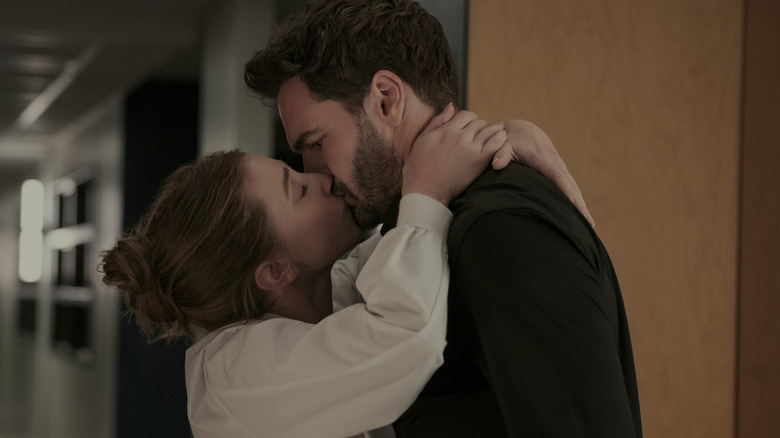
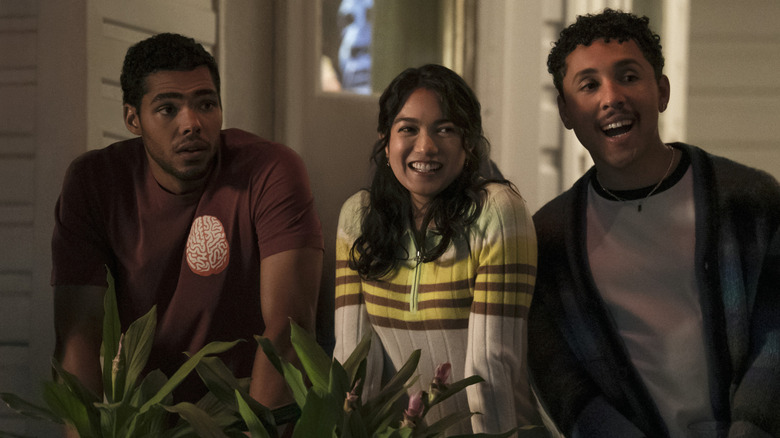
The story begins with Olive Smith, a determined graduate student dedicated to finding a biomarker for pancreatic cancer. Her motivation is deeply personal, stemming from the loss of her mother to the disease. The "fake dating" pact is born from a moment of social panic; needing to convince her friend Anh that she has moved on from a past crush, Jeremy, Olive impulsively kisses the first man she encounters in the hallway. That man is Adam Carlsen, a professor notorious for his icy demeanor and uncompromising academic standards.
The Arrangement
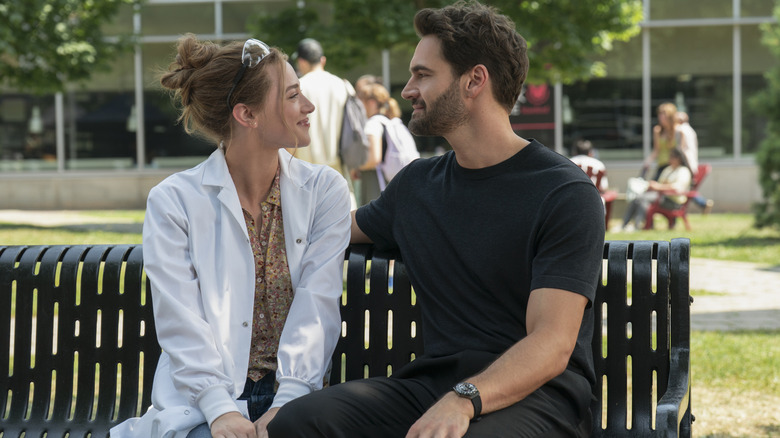
The plot thickens when Adam, facing pressure from the university’s administration regarding his potential departure, agrees to the charade. He believes a public relationship will signal stability to the university board, helping him secure a vital research grant. This mutual convenience serves as the primary engine for the first two acts, forcing two polar opposites into a proximity that breeds, as the genre demands, genuine affection.
The Breaking Point
The third act, as with most classic romantic comedies, introduces a significant rift. At a prestigious conference, where Olive presents her groundbreaking research, she suffers a blow to her confidence after overhearing rumors that her success is tied solely to her relationship with a powerful professor. The emotional fallout is compounded by the predatory actions of Tom Benton, a colleague and friend of Adam. Benton, representing the toxic side of academic gatekeeping, attempts to exploit his position of power over Olive, leading to a dramatic confrontation that forces Adam to move from a place of professional detachment to one of protective, open vulnerability.
Supporting Data: The Science of the "Rom-Com" Trope
Why does this specific story resonate so deeply with audiences? The "fake dating" trope is a staple for a reason: it allows for the "slow burn" of character development. By forcing characters to act as if they are in love, the narrative creates a safe space for them to explore their feelings without the immediate threat of rejection.
Furthermore, the film’s success is bolstered by the chemistry between Reinhart and Bateman. Their performances shift the narrative from a simple "will-they-won’t-they" to an exploration of power dynamics. In academia, the hierarchy is rigid; by placing a student and a professor in a relationship—even a fake one—the film engages with the inherent friction of such a dynamic. The resolution of their arc, which sees them both maintaining their careers while acknowledging their personal bond, provides a satisfying, modern conclusion that prioritizes individual success alongside romantic fulfillment.
Official Perspectives: Translating the Page to the Screen
Director Claire Scanlon has been vocal about the importance of maintaining the "heart" of the original text while navigating the practicalities of a feature-length adaptation. The film differs from the book in several key areas, most notably the streamlining of the supporting cast.
The omission of certain characters, such as Holden Rodrigues, was a calculated decision to focus the narrative lens squarely on the central duo. While some purists may miss the expanded ensemble of the book, the film’s tighter focus allows for a more intense exploration of Olive’s isolation in the competitive world of Stanford science. The creative choice to alter the nature of the confrontation with Tom Benton—moving from a nuanced lie in the book to a more direct, harrowing reality in the film—serves to heighten the stakes, ensuring that Adam’s eventual defense of Olive carries the weight of a true hero’s turn.
Implications for the Genre and Future Installments
The question of a sequel looms large, as is common with successful streaming adaptations. While Ali Hazelwood has authored other acclaimed novels like Love on the Brain and Love, Theoretically, these are standalone stories rather than direct sequels to The Love Hypothesis.
However, the industry precedent set by films like Red, White & Royal Blue—which is receiving a sequel despite a lack of source material—suggests that Amazon may be keen to capitalize on the intellectual property of The Love Hypothesis.
The "Academic Rom-Com" Market
The success of this film has significant implications for the future of the genre. We are witnessing a shift where "niche" settings—specifically the STEM field—are becoming the new standard for rom-com backdrops. Audiences are showing an appetite for stories that treat the protagonist’s career with as much gravity as their love life.
The lasting impact of the film lies in its balance. It manages to deliver the "fluff" and comfort of a traditional romance while respecting the intelligence of its characters. By portraying Olive as a brilliant, if occasionally overwhelmed, scientist, the film helps normalize the idea that emotional intelligence and academic rigor are not mutually exclusive.
Final Thoughts: The Verdict on the Finale
Does the film ultimately succeed? By all metrics, yes. The ending, which flashes forward two years to show Olive and Anh as successful, independent researchers, serves as the perfect coda. It reassures the audience that the characters’ professional aspirations were not sacrificed on the altar of romance.
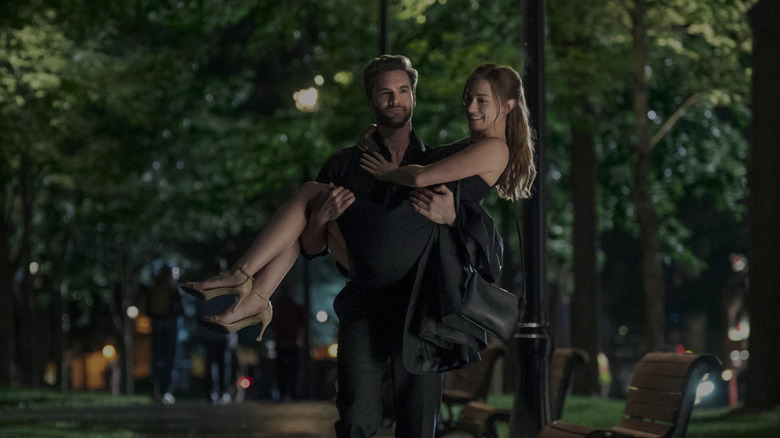
When we see Adam and Olive in the final frames, their touch—a simple, grounding hand-brush—suggests a relationship that has survived the pressures of academia and the scrutiny of their peers. They have moved beyond the "hypothesis" of their fake romance into the reality of a shared life.
For fans of the book and newcomers alike, the adaptation offers a window into a world where science is messy, love is more complicated than any formula, and the best conclusions are the ones that allow for growth. As The Love Hypothesis continues its run on Amazon Prime, it stands as a testament to the power of the genre to reinvent itself, proving that even in the most sterile of laboratory settings, there is always room for a little bit of magic.
