
Beyond the Final Frontier: Why Commander Sisko’s Earliest Line Defines the Complex Legacy of Star Trek: Deep Space Nine
Main Facts: The Enduring Philosophical Weight of "Emissary"
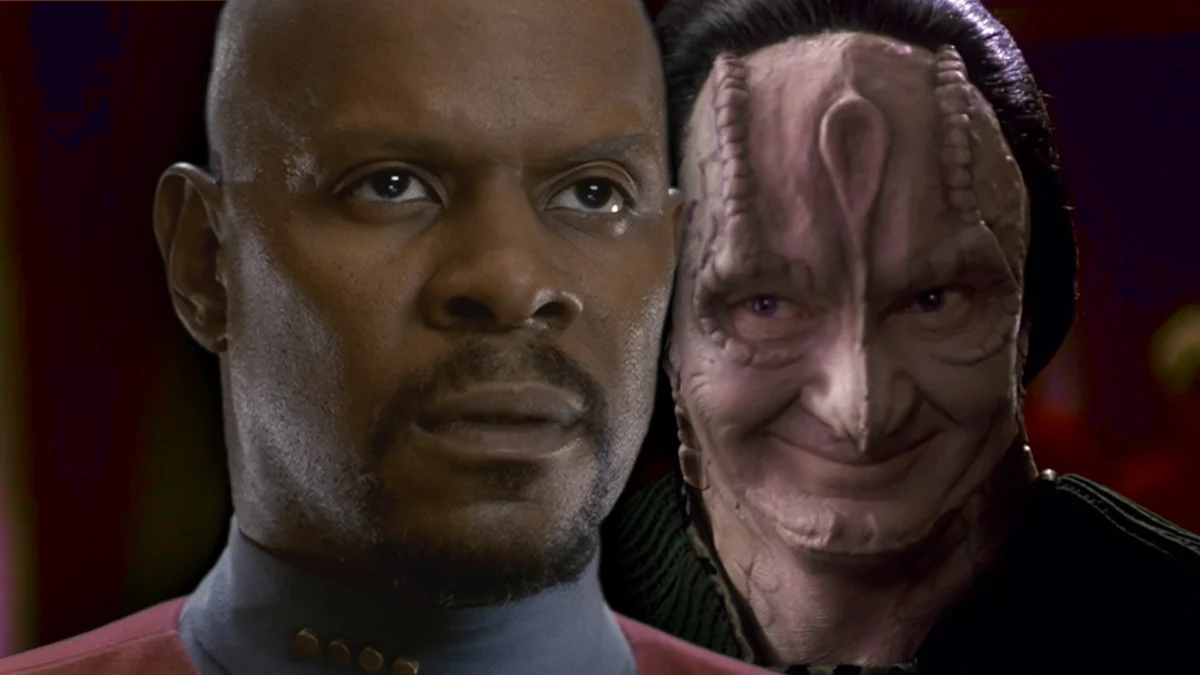
While the expansive lore of the Star Trek universe is overflowing with legendary monologues, rallying cries, and philosophical declarations, one of the franchise’s most profound statements arrives surprisingly early. In the two-part series premiere of Star Trek: Deep Space Nine, entitled “Emissary” and directed by David Carson, Commander Benjamin Sisko delivers a line that transcends typical science-fiction dialogue: "We are searching, not just for answers to our questions, but for new questions."
Spoken as Sisko confronts the staggering implications of the Bajoran wormhole and grapples with the haunting grief of losing his wife, Jennifer, at the Battle of Wolf 359, this quote functions on a dual level. On one hand, it is a brilliantly penned piece of introductory screenwriting that immediately establishes the intellectual curiosity of its protagonist. On the other hand, it serves as a bold, programmatic manifesto for Deep Space Nine itself—a series that would routinely challenge the utopian dogma of Gene Roddenberry’s universe in favor of grit, geopolitical nuance, and moral ambiguity.
More than three decades after its initial 1993 broadcast, Deep Space Nine is frequently reevaluated by critics and fandoms alike. While shows like The Original Series relied on swashbuckling optimism and The Next Generation leaned into Shakespearean elegance under the guidance of Captain Jean-Luc Picard, DS9 dared to ask whether the ideals of the United Federation of Planets could survive the harsh realities of total war, religious fervor, and systemic trauma. At the epicenter of this narrative evolution stood Avery Brooks’ Benjamin Sisko, a protagonist whose depth, flaws, and overarching evolution have cemented him as perhaps the most underrated and structurally unique captain in Star Trek history.
Chronology: From the Utopian Past to the Gritty Outpost of the 1990s
To fully understand the weight of Sisko’s early philosophy, it is necessary to trace the historical evolution of the Star Trek franchise on television through the late 1980s and 1990s.

1. The Roddenberry Blueprint and TNG’s Earnestness
When Star Trek: The Next Generation debuted in 1987, franchise creator Gene Roddenberry enforced a strict rule: human interpersonal conflict on Starfleet vessels must be virtually nonexistent. Humanity had evolved past petty jealousy, greed, and internal friction. Captain Jean-Luc Picard (Patrick Stewart) embodied this enlightened era—a diplomat, archaeologist, and moral compass who could quote Shakespeare as easily as he could negotiate a treaty.
While TNG occasionally touched upon existential dread—such as Riker’s memorable Season 1 observation in “The Last Outpost” that "Fear is the true enemy, the only enemy"—the episodic nature of the series meant that statuses were largely reset by the closing credits. The Federation was undeniably good, its enemies were clear-cut, and exploration was an unalloyed joy.
2. The Birth of DS9 (1993)
By the time The Next Generation was winding down, producers Michael Piller and Ira Steven Behr were tasked with launching a successor. Instead of placing another sleek starship in the deep unknown, the creative team made the radical decision to anchor their new series on a stationary, dilapidated Cardassian mining station orbiting the recovering planet Bajor.
This static setting completely altered the narrative rhythm of the franchise. Instead of flying away from their problems at warp speed, the crew of Deep Space Nine had to stay put and deal with the messy consequences of interstellar geopolitics. They inherited a brutal post-occupation landscape, a deeply fractured religious populace, and an influx of alien refugees, smugglers, and syndicates. It was within this pressure cooker that Avery Brooks introduced Benjamin Sisko to the world—not as a polished diplomat, but as a reluctant builder forced to pick up the pieces.

3. The Dominion War and the Deconstruction of Utopia
As the series progressed across its 176 episodes, the chronological arc shifted from localized station management to a sprawling, existential conflict against the Dominion—a shadowy empire hailing from the Gamma Quadrant.
During this era, Deep Space Nine introduced concepts that were previously taboo in the franchise: false flag operations, compromised admirals, military alliances of convenience with the morally bankrupt Romulans and Cardassians, and the psychological toll of prolonged warfare. Sisko evolved from a grieving widower and reluctant commander into a pragmatic military leader, and occasionally, a religious icon for the Bajoran people who revered him as the Emissary of the Prophets.
Supporting Data: Production Statistics and Narrative Frameworks
To contextualize the unique structural DNA of Deep Space Nine within the broader Star Trek canon, several production metrics and thematic shifts stand out:
- Total Episode Count: 176 episodes, broadcast via syndication from January 3, 1993, to June 2, 1999.
- Showrunners: Michael Piller (Seasons 1–2) and Ira Steven Behr (Seasons 3–7), whose stewardship steered the show into serialized storytelling long before modern streaming made it the industry standard.
- Station vs. Starship Focus: Unlike The Original Series, TNG, Voyager, and Enterprise, which utilized mobile vessels, approximately 90% of DS9 takes place on or immediately adjacent to the station or the planet Bajor, forcing a deep-dive character study style akin to contemporary prestige television.
- Moral Complexity Index: DS9 frequently blurred the lines of classic science fiction tropes. As media analysts have noted, the show served structurally as a bridge between traditional Star Trek optimism and the gritty, political realism found in franchises like The Expanse or Battlestar Galactica.
Official Responses and Creative Intentions
The deliberate choice to make Sisko a more grounded, morally flexible, and internally conflicted protagonist was not accidental; it was a calculated risk by the show’s creators to inject fresh vitality into a franchise that risked becoming formulaic.
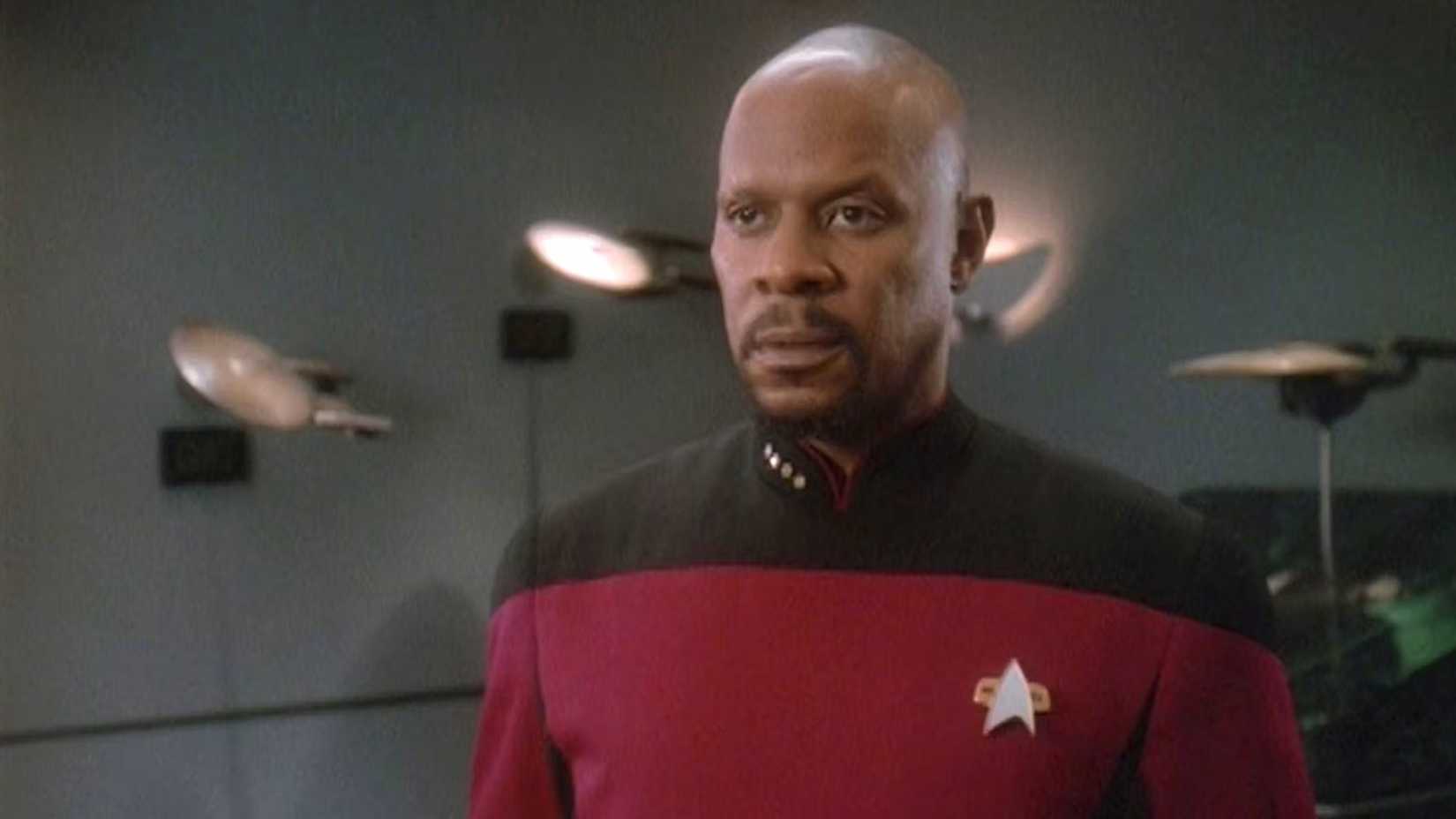
In various retrospective interviews, co-creator Ira Steven Behr has spoken candidly about the resistance the writing room occasionally faced from studio executives who preferred the clean, episodic storytelling of The Next Generation. Behr and his team, however, were determined to explore the grey areas of the Federation. They wanted a lead character who carried physical and emotional scars—someone who did not enter a room with the inherent, unchallenged authority of Picard, but had to earn the respect of his crew through trial, error, and sheer willpower.
Avery Brooks himself brought an immense theatricality and academic depth to the role. As a tenured professor of theater and a seasoned Shakespearean actor, Brooks infused Sisko with a simmering intensity, a profound love for African-American history and culture (seen through his cooking, his relationship with his father Joseph, and his appreciation for baseball and jazz), and a fierce paternal protectiveness toward his son, Jake.
When Sisko uttered the line, "We are searching, not just for answers to our questions, but for new questions," Brooks delivered it with an intellectual gravity that telegraphed to the audience that this captain was a thinker, an architect, and an explorer of the human (and alien) psyche.
Implications: The Legacy of Sisko and DS9 in Modern Science Fiction
The ripple effects of Deep Space Nine’s narrative risks can be felt across the entire contemporary science fiction landscape. By proving that audiences would embrace a serialized, morally gray Star Trek narrative, DS9 laid the groundwork for modern serialized sci-fi television.
1. Redefining the Starfleet Protagonist
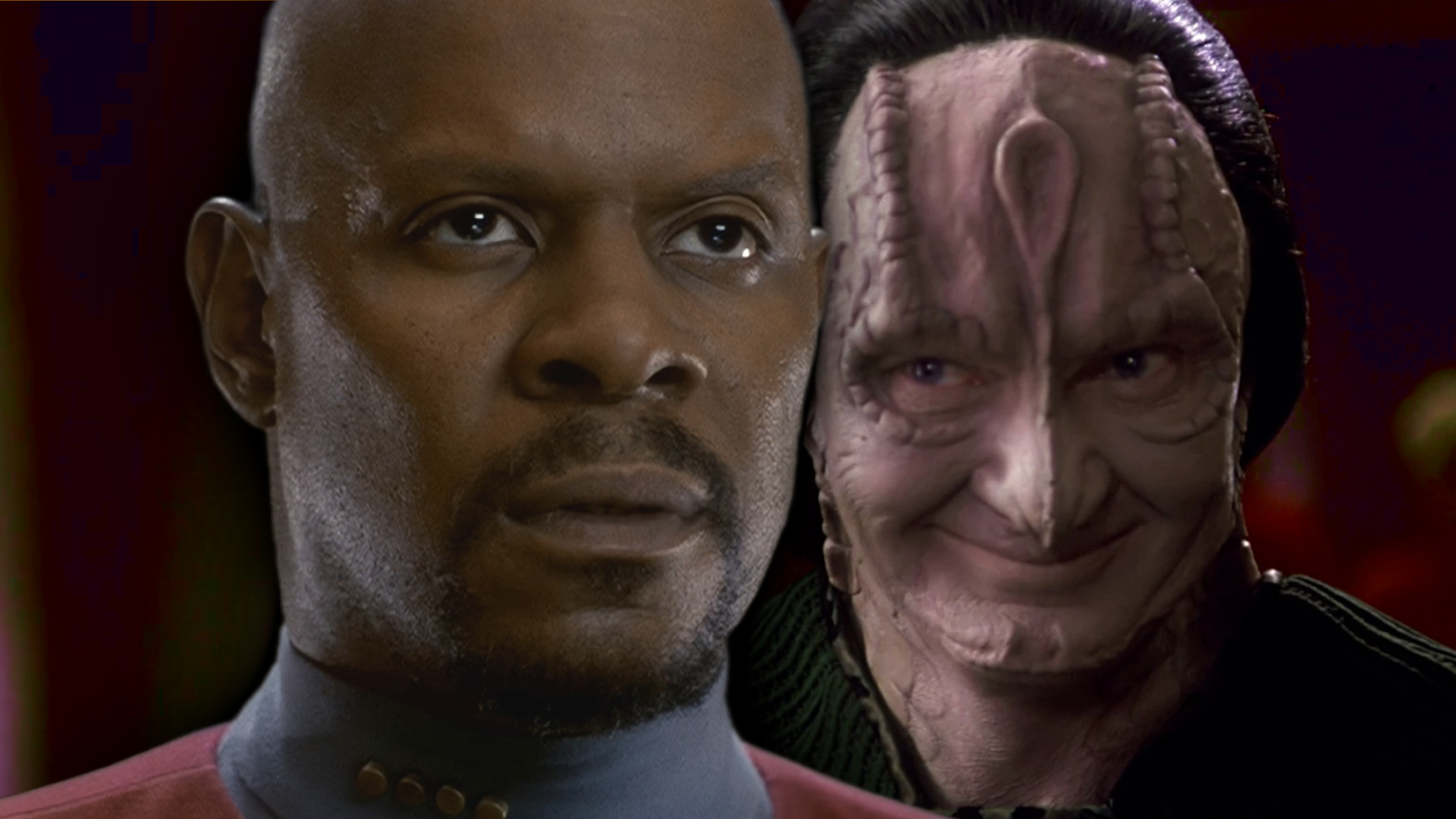
Before Sisko, captains were expected to be infallible moral arbiters. Sisko shattered that mold. He lied, he cheated, he conspired with criminal masterminds (most famously in the critically acclaimed Season 5 episode “In the Pale Moonlight,” where he admits to tricking the Romulans into entering the Dominion War), and he wrestled with divine destiny. Yet, these very flaws made him the most deeply human and relatable captain in the canon. He was a man striving every single day to be a better leader, a better father, and a better human being despite the dark universe surrounding him.
2. A Precursor to Modern Prestige TV
Deep Space Nine was doing serialized war arcs, long-form character transformations, and systemic political critique years before the "Golden Age of Television" officially began with shows like The Sopranos and The Wire. Its willingness to leave characters traumatized by their experiences—such as Chief Miles O’Brien dealing with psychological torture or Nog coping with the loss of his leg in combat—brought an unprecedented level of emotional realism to the genre.
3. The Ongoing Relevance of the "New Questions"
As science fiction continues to grapple with artificial intelligence, political polarization, and the ethics of technological expansion, Sisko’s mission statement feels more relevant than ever. The true value of exploration—whether outward into the stars or inward into the human soul—does not lie in finding neat, comforting conclusions. Instead, as Deep Space Nine so brilliantly demonstrated across its seven seasons, true intellectual and moral growth begins the moment we are brave enough to ask better, harder questions.
