The Long Game: Inside the Decades-Long Odyssey of Brad Bird’s ‘Ray Gunn’
In the landscape of modern animation, few names command the reverence of Brad Bird. From the poignant, soulful depths of The Iron Giant to the kinetic, mid-century brilliance of The Incredibles and the culinary artistry of Ratatouille, Bird has spent his career redefining the medium’s boundaries. Yet, for all his successes, a singular "white whale" has haunted his career for over thirty years: Ray Gunn.
Following the industry-shaking success of Netflix’s KPop Demon Hunters, the streaming giant is set to unleash what may be its most ambitious project yet. Arriving on December 18, 2026, Ray Gunn is not merely a new film; it is the culmination of a three-decade-old vision that survived studio rejections, changing corporate mandates, and the shifting tides of animation technology.
A Chronology of a Lost Masterpiece
The origins of Ray Gunn date back to the early 1990s, when Brad Bird and co-writer Matthew Robbins first conceived the story. At the time, the project was a radical departure from the sanitized, family-friendly fare that dominated the animated landscape. By aiming for a more mature, noir-inspired aesthetic, the duo found themselves hitting a wall of corporate skepticism.
The project became legendary within industry circles as the "one that got away." Famously, it was the script Pixar Animation Studios rejected in favor of what would become The Incredibles. While that decision paved the way for one of the most successful franchises in animation history, Ray Gunn remained in a state of suspended animation—a "Raiders of the Lost Ark" warehouse project waiting for the right moment.
That moment finally arrived thanks to a partnership between John Lasseter’s Skydance Animation and Netflix. When executives approached Bird about a new collaboration, the director didn’t pitch a new concept. He opened the crate on Ray Gunn. Today, the film stands as a testament to the idea that great stories are timeless, with Bird noting that roughly 75% of his original vision remains intact.
A World of Retrofuturistic Noir
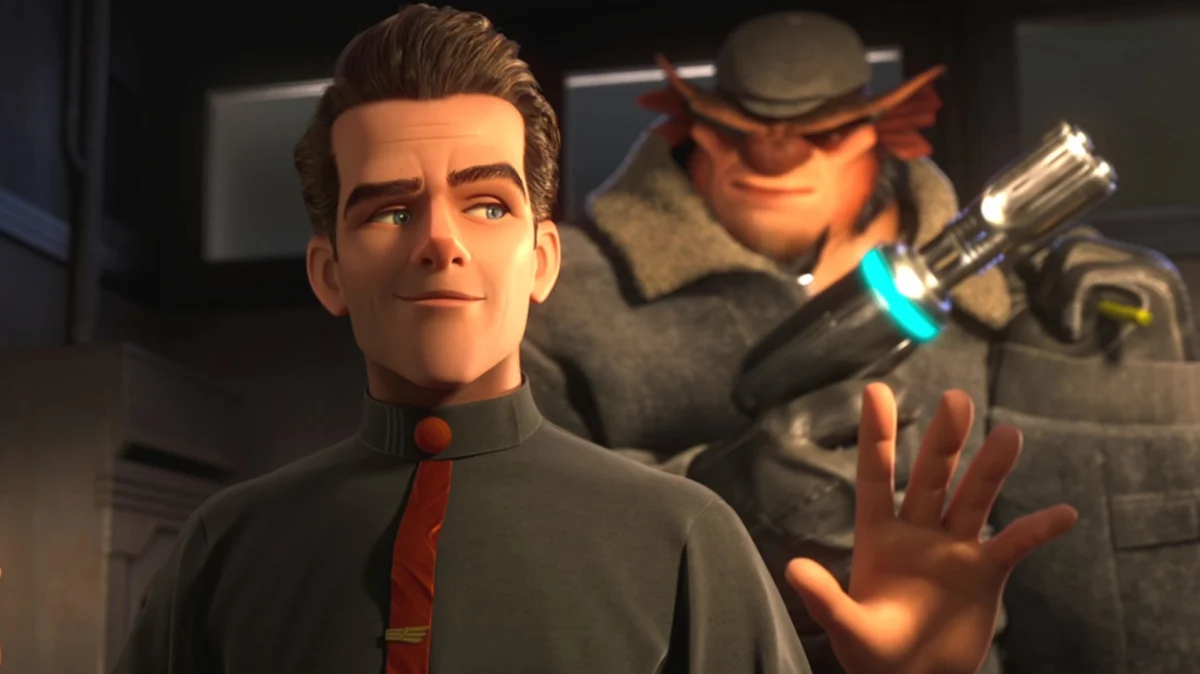
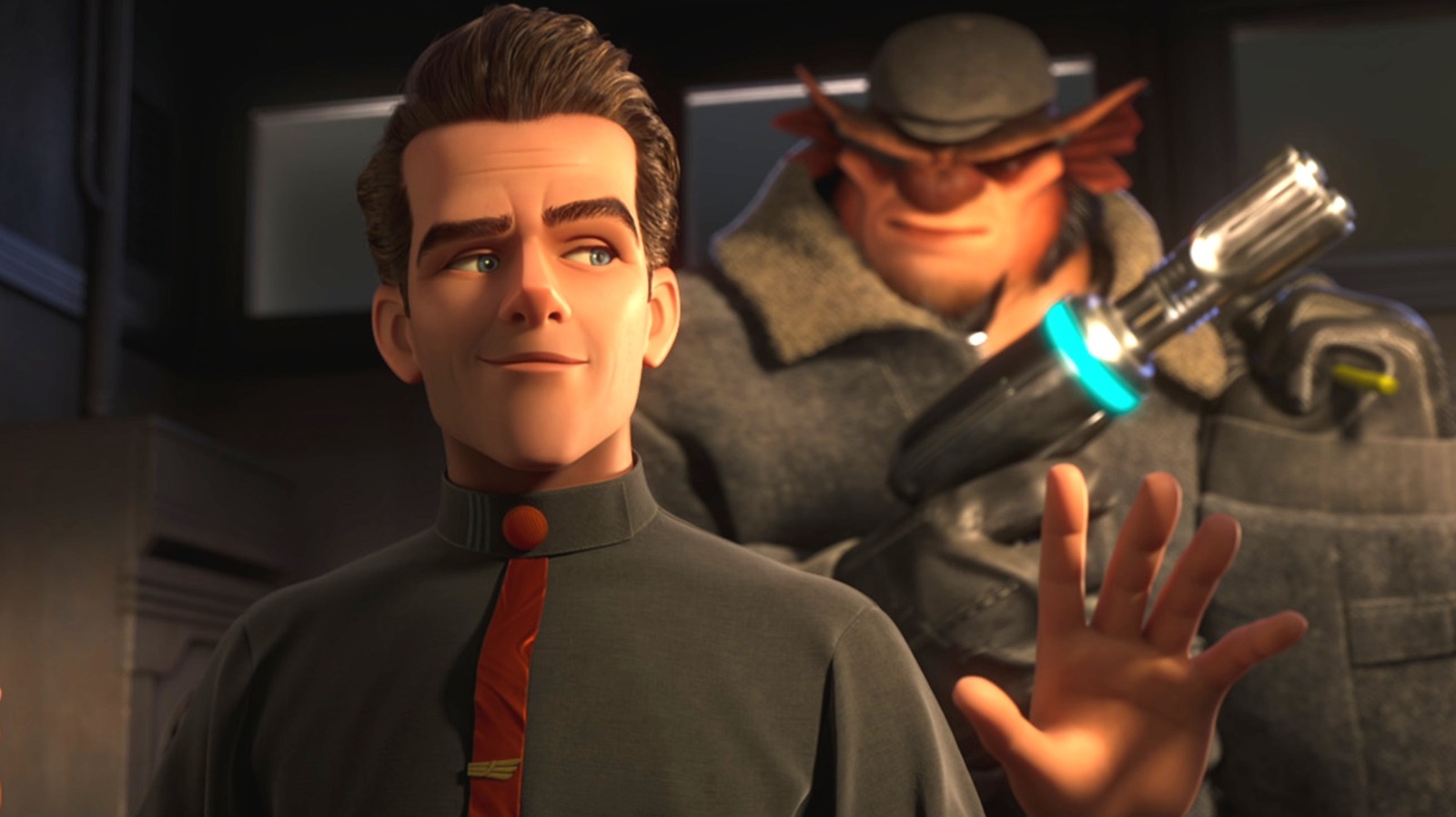
Ray Gunn is set in a world that feels both hauntingly familiar and entirely alien. It is a neon-drenched, retrofuturistic cityscape where private eyes navigate a landscape of Googie architecture, towering skyscrapers reminiscent of Hugh Ferriss’s conceptual drawings, and high-tech weaponry that pulses with a mid-century aesthetic.
The narrative follows Raymond "Ray" Gunn (voiced by Sam Rockwell), a world-weary private detective operating in the shadows of this neon metropolis. His investigation into a high-profile case involving a magnetic femme fatale pop starlet, Venus Nova (Scarlett Johansson), leads him deep into the bowels of organized crime. He is joined in this endeavor by his one-eyed extraterrestrial partner, Eyera (Tom Waits), a character that promises to add a layer of off-kilter charm to the film’s hard-boiled sensibilities.
What is perhaps most striking about the film’s production is its intentional resistance to current trends. As retrofuturism has become a dominant aesthetic in television—seen in works like Fallout, For All Mankind, and Severance—Bird was adamant about not chasing the trend. "I didn’t see a reason to change it just because someone else has used it in another way," Bird remarked. The result is a film that feels authentic to its own internal logic, untouched by the desire to capitalize on current pop-culture waves.
The Synergy of Sound: Bird and Giacchino
No Brad Bird film is complete without the auditory signature of Michael Giacchino. The duo’s collaboration is legendary, and for Ray Gunn, Giacchino has once again been tapped to craft a score that bridges the gap between science fiction and film noir.
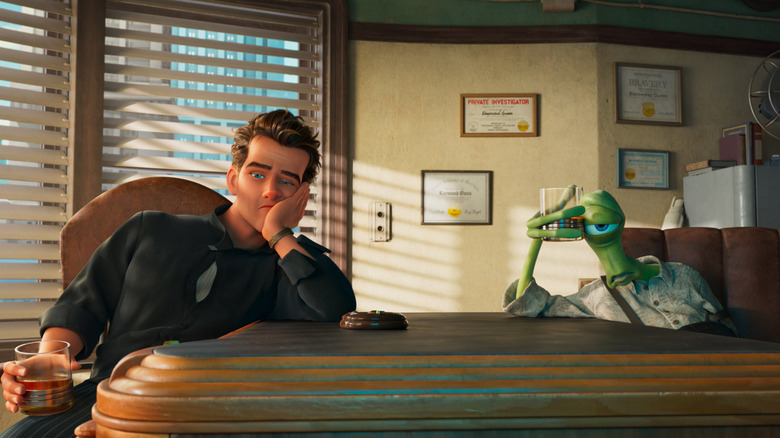
Their creative process is characterized by a "clasping hands" philosophy. Bird, who is known for his exacting standards, views the score not as an accompaniment but as a narrative pillar. "If you and I are not on the same page every step of the way, the audience is going to start thinking things we don’t want them to think," Bird explained during a recent press roundtable.
This commitment to storytelling is bolstered by the involvement of singer-songwriter Kimbra. Tasked with writing original music for the character of Venus Nova, Kimbra was challenged by Bird to create something that felt like a "banga"—an earworm that is simultaneously infectious and subtly, intentionally annoying. The result is a musical layer that grounds the film’s pop-culture elements in a tangible, believable reality.
The Art of Imperfection: Character Design
In an era where digital animation often trends toward the hyper-polished and the idealized, Bird is making a conscious choice to embrace the "imperfections" of humanity.
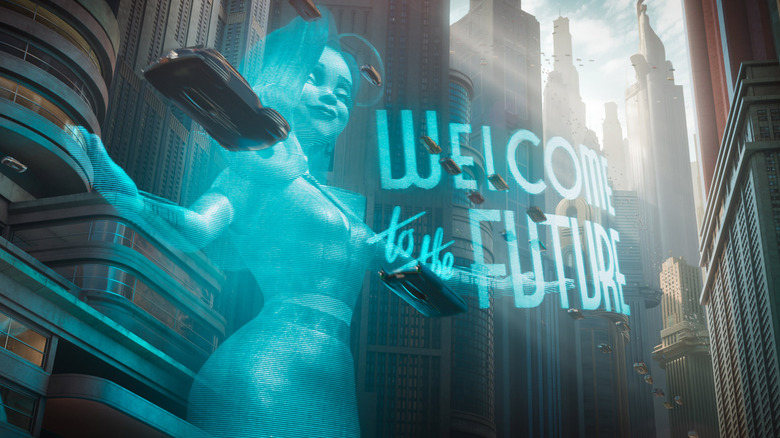
Bird believes that the mistake many animators make is "idealizing to the point of blandness." For Ray Gunn, the character designs are modeled on the quirks of real actors. Ray Gunn himself features prominent eyebrows and a forehead that defies conventional "looksmaxxing" beauty standards, echoing the rugged, unconventional charm of a young Montgomery Clift. Venus Nova, meanwhile, draws inspiration from the screen sirens of the 1940s, like Lauren Bacall and Veronica Lake.
"The visual reasons for [attractiveness] are their imperfections," Bird stated. He points to Humphrey Bogart—a man with a lisp and a distinct physical presence—as the ultimate leading man. By refusing to follow a science-based approach to design and instead treating it as pure art, Bird hopes to make his characters feel like living, breathing, flawed individuals.
Implications for the Future of Animation
The release of Ray Gunn serves as a critical litmus test for the animation industry. It poses a fundamental question: Is there a massive, untapped appetite for mature, high-concept, original animated storytelling?
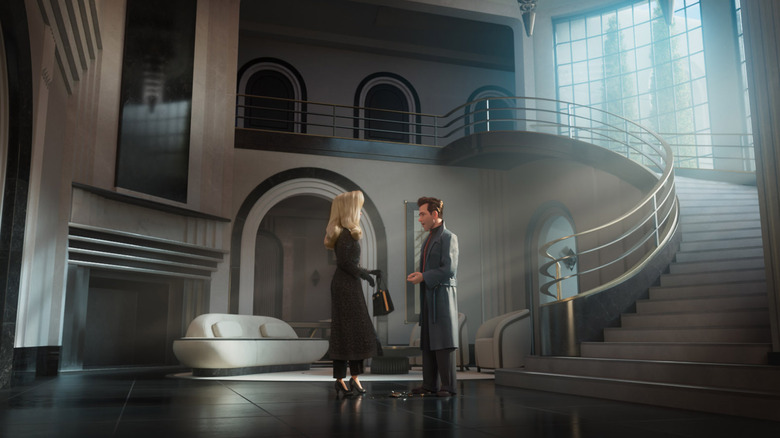
For years, the industry has been dominated by sequels, reboots, and established intellectual property. Ray Gunn, a project conceived in the pre-internet era, represents a return to auteur-driven cinema. If it succeeds, it could provide the leverage needed for other visionary directors to dust off their own "warehouse projects."
Furthermore, the film’s success would solidify Netflix’s position as the primary patron of high-risk, high-reward animation. By greenlighting a project that was once deemed too risky for traditional studios, the streaming service is positioning itself as a destination for the kind of creative risks that once defined the Golden Age of Hollywood.
As we look toward the December 18, 2026, release date, the anticipation is palpable. Ray Gunn is more than a movie; it is a bridge between the past and the future. It is a reminder that while technology evolves, the core of great cinema remains the same: a compelling story, a distinct vision, and the courage to refuse the "blandness" of the status quo.
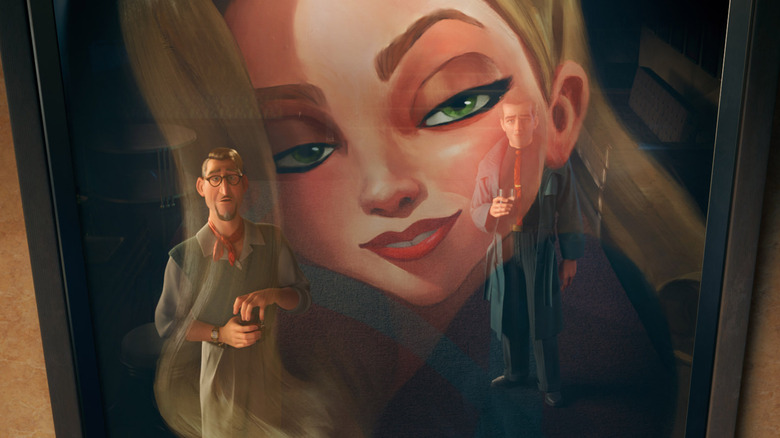
For fans of Brad Bird, the wait has been excruciating. But as the director himself noted, when the right moment finally arrived, he simply went to the warehouse and "opened the crate." The world is finally ready to see what has been hidden inside for thirty years.
