
The Shadow of the Federation: When Starfleet Betrayed Its Own Ideals
For over half a century, Star Trek has served as the gold standard for utopian science fiction. It presents a vision of a post-capitalist future where humanity has transcended poverty, war, and systemic division. Within the halls of the United Federation of Planets, Starfleet officers are ostensibly paragons of virtue, guided by the Prime Directive and an unwavering commitment to diplomatic discovery. Yet, as the franchise has matured, so too has its willingness to interrogate the darker impulses of its own institutions.
Beneath the veneer of the clean, white corridors of the Enterprise lies a complex history of compromise, bureaucratic failure, and moral bankruptcy. While the Federation often claims the high ground, its record is riddled with instances where the pursuit of security, political expediency, or mere survival led to the abandonment of the very principles it was built to protect.
The Institutional Crisis: A Pattern of Iniquity
The moral failures of Starfleet are rarely the result of a single bad actor. Rather, they often stem from an institutional complacency that prioritizes order over ethics. Throughout the various iterations of the franchise, from The Next Generation to Picard, we have seen how the pressure to maintain a fragile utopia can lead to the justification of atrocities. Whether through the lens of cold-war style border treaties or the systemic dehumanization of synthetic life, the Federation has frequently found itself in the position of the oppressor rather than the liberator.
This analysis examines the most egregious lapses in Starfleet’s ethical record, detailing how the organization has, at times, become its own worst enemy.
Chronology of Compromise
1. The Betrayal of the Border Colonies (2370)
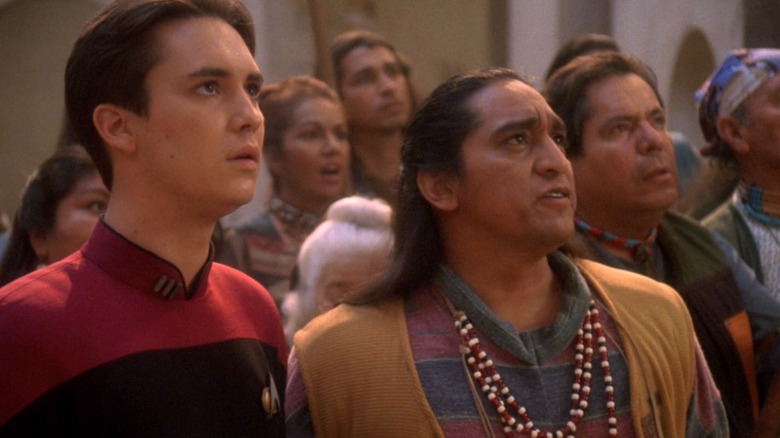
In the Star Trek: The Next Generation episode "Journey’s End," the Federation’s diplomatic failure reached a nadir. Faced with the threat of renewed conflict with the Cardassian Union, Starfleet negotiated a treaty that essentially ceded several Federation worlds to Cardassian rule. Among these was Dorvan V, a planet home to a colony of Puebloan-descendant citizens who had spent generations cultivating a culture of peace and connection to their land.
Starfleet’s response was not to protect its citizens, but to demand their removal. Under direct orders from Admiral Nechayev, Captain Jean-Luc Picard was tasked with the forcible relocation of these civilians. The incident exposed the hollowness of Federation "peace"—a peace purchased by sacrificing the autonomy and homes of its own people to satisfy an aggressive neighbor. The resulting formation of the Maquis, a militant resistance group, was a direct consequence of Starfleet’s refusal to stand by its moral commitments.
2. The Rise of State-Sanctioned Shadow Ops (2374)
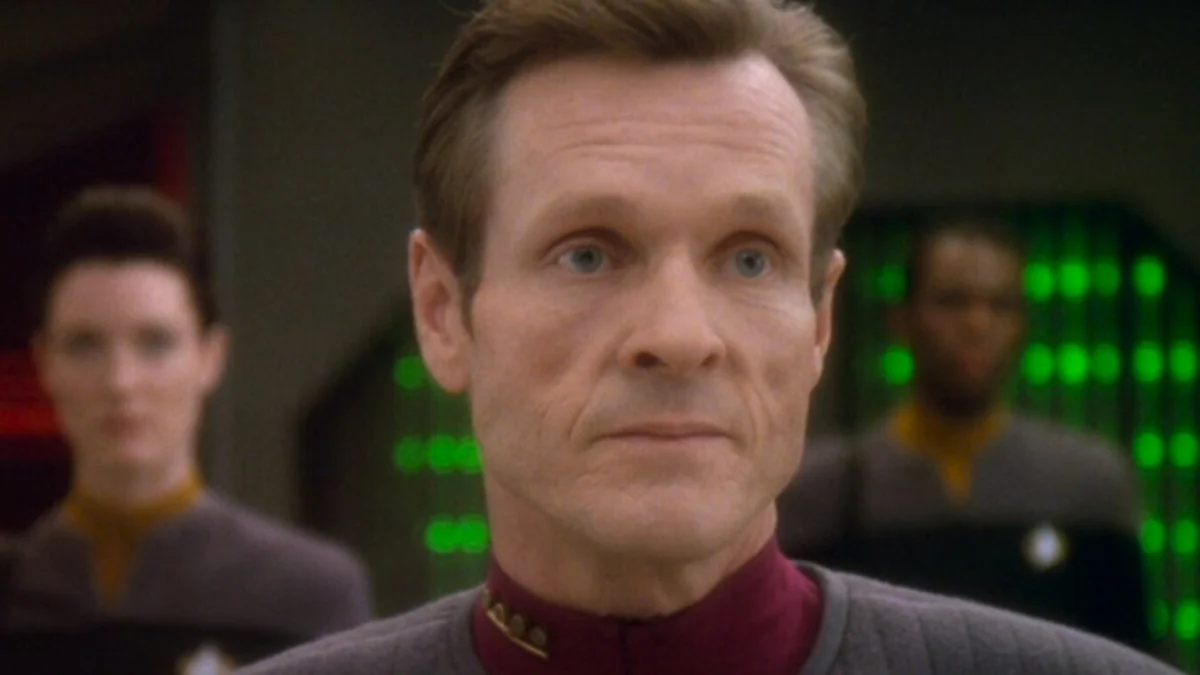
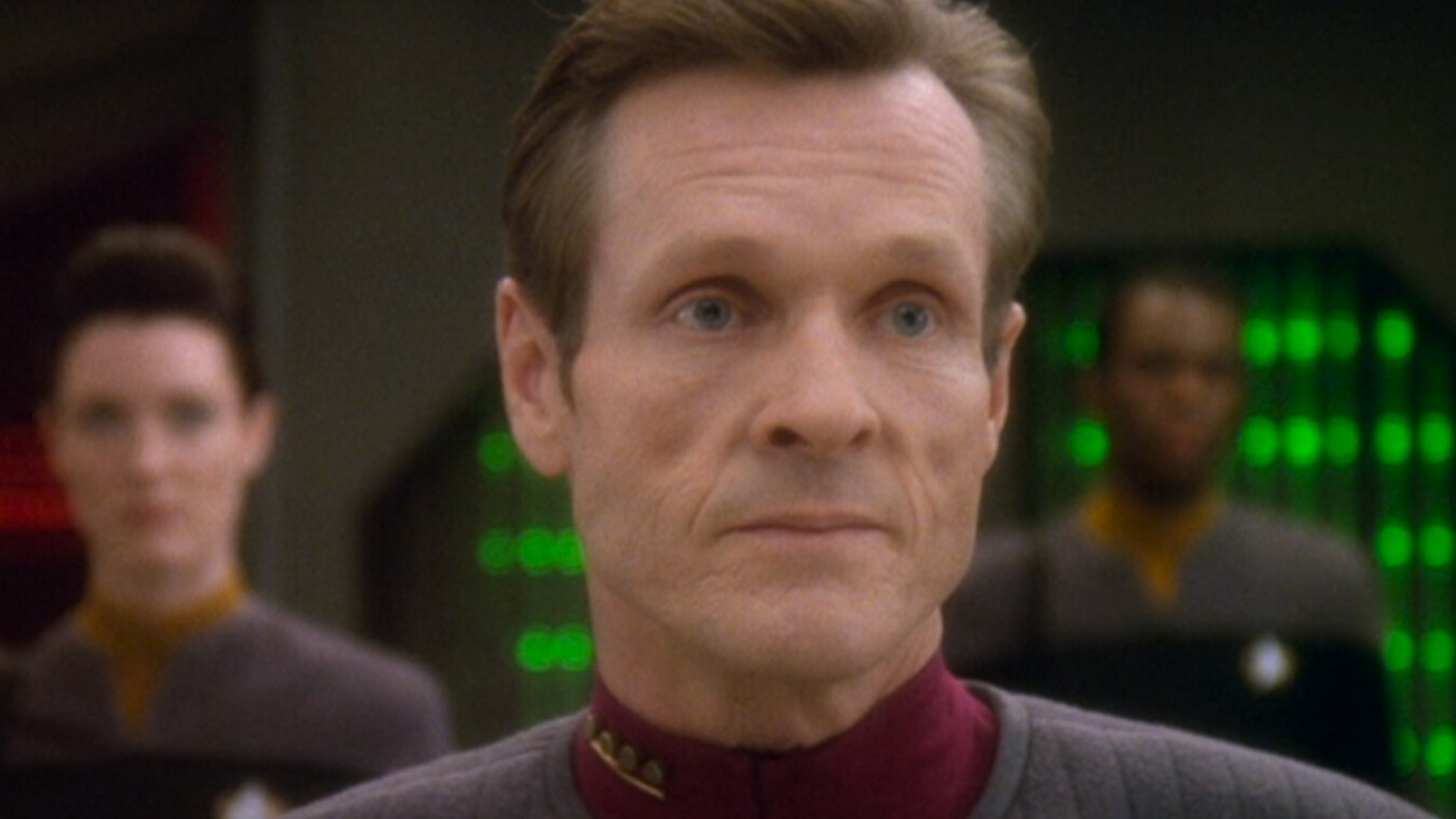
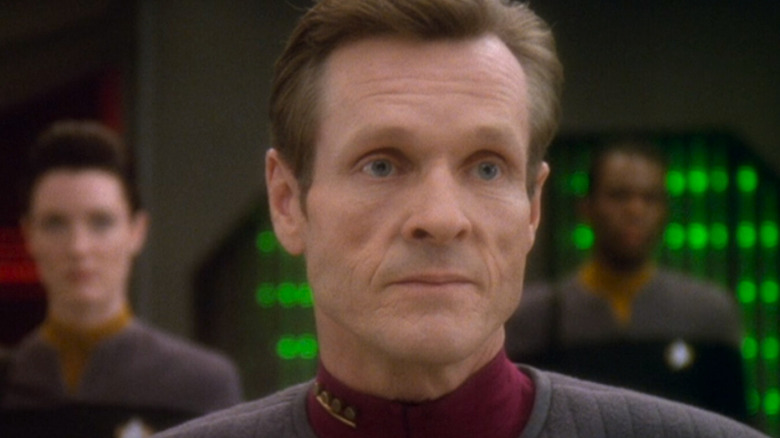
The Deep Space Nine episode "Inquisition" introduced viewers to the chilling reality of Section 31. Through the interrogation of Dr. Julian Bashir by the enigmatic Luther Sloan, the audience was confronted with the existence of an autonomous, black-ops organization operating within Starfleet’s own structure. Section 31 represents the "necessary evil" argument taken to its most dangerous extreme: the belief that to protect a utopia, one must engage in torture, kidnapping, and subversion.
The implications of Section 31 are profound. By allowing such an entity to exist, Starfleet tacitly acknowledged that its public-facing ideals were insufficient for the harsh realities of the galaxy. It suggests that the Federation’s hands are only clean because they have a hidden pair that does the dirty work in the shadows.
3. The Slave Labor of the EMH (2377)
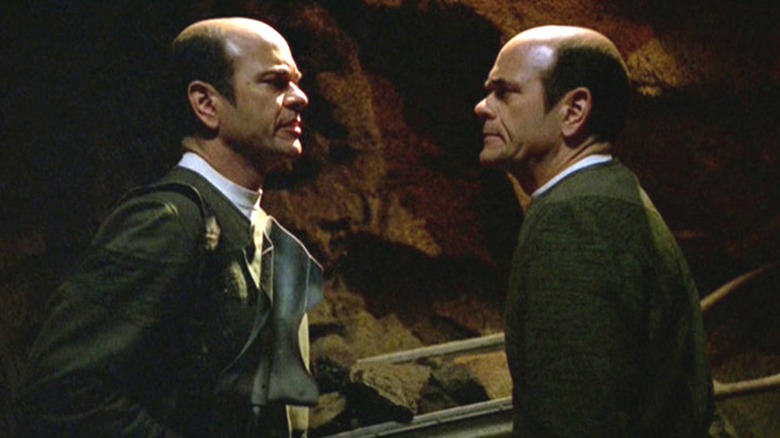
In Star Trek: Voyager’s "Author, Author," the franchise tackled the rights of artificial intelligence. The Doctor, an Emergency Medical Hologram, discovers that his intellectual property—a holonovel depicting his life—is being exploited by the Federation. Worse, he learns that hundreds of other EMH Mark I units are being forced into indentured servitude in hazardous mining operations across the Alpha Quadrant.
Despite the Federation’s rhetoric regarding the sentience and rights of lifeforms, Starfleet’s legal system at the time categorized these holograms as property. This highlighted a glaring hypocrisy: the Federation welcomed sentient androids like Data into their ranks while simultaneously operating a class of "disposable" artificial slaves when it served their economic interests.
4. The Militarization of the Enterprise (2153)
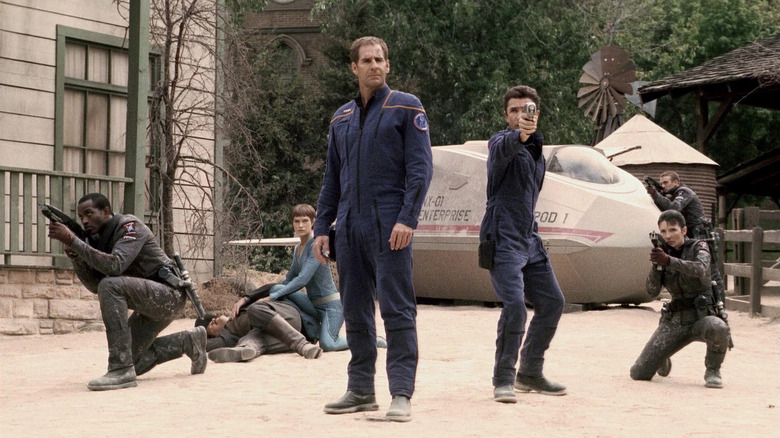
The debut of Star Trek: Enterprise sought to bridge the gap between our world and the utopian future, but it also showcased the dangers of fear-driven policy. Following a devastating attack on Earth, the USS Enterprise was transformed from a ship of exploration into a vessel of retribution. The inclusion of the Military Assault Command Operations (MACO) team signaled a departure from the diplomacy-first approach of later centuries.
While the desperate circumstances of the Xindi conflict might provide a rationale, the presence of MACO soldiers on a Starfleet vessel serves as a historical warning. It illustrates how easily an organization dedicated to science and unity can slip into a posture of colonialist military power when faced with existential terror.
5. Project Proteus and the Torture of the Changelings (2390s–2401)
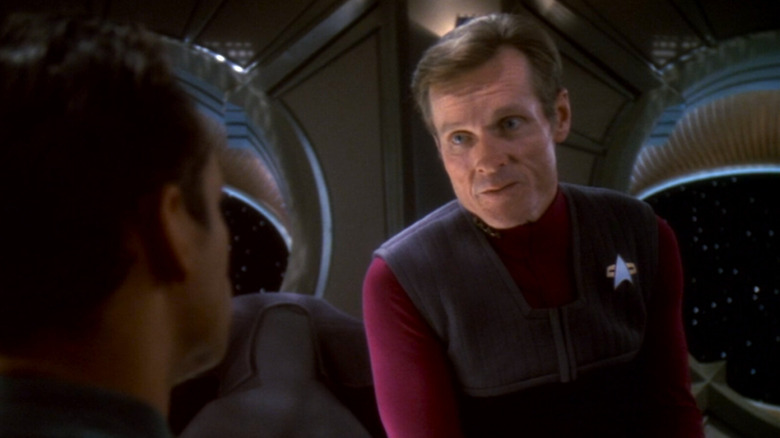
Perhaps the most harrowing indictment of Starfleet occurred in Star Trek: Picard’s third season. The villainous Vadic was revealed to be a victim of "Project Proteus," a black-ops medical experimentation program that subjected captive Changelings to horrific, systematic torture.
The most disturbing aspect of this reveal is not merely that the experiments occurred, but the reaction of the protagonist. Jean-Luc Picard, the moral compass of the Federation, acknowledges the horror of the crimes but offers no justice. In the face of an immediate Borg threat, the historical crimes of Starfleet against the Changelings are sidelined, suggesting that the Federation’s "redemption" is often just a matter of moving on without accountability.
Supporting Data: The Ethics of the "Greater Good"
When analyzing these events, a pattern emerges. Starfleet consistently justifies these lapses through a utilitarian framework—the idea that the survival of the many outweighs the rights of the few. However, philosophers and, eventually, some within the Star Trek universe have argued that this approach is the antithesis of the Federation’s founding philosophy.
- Human Rights Violations: In cases like the Dorvan V relocation and the EMH labor, Starfleet failed to recognize the inherent rights of individuals, prioritizing geopolitical stability and labor efficiency.
- Lack of Oversight: The existence of Section 31 and Project Proteus demonstrates a lack of transparency that is fundamentally incompatible with a democratic society.
- The Slippery Slope of War: As seen in both Enterprise and the Dominion War era of Deep Space Nine, the exigencies of conflict provide the primary engine for moral decline within the fleet.
Official Responses and Internal Dissent
Throughout the series, there has rarely been an "official" response from the Federation council that adequately addresses these systemic failings. Instead, the dissent has largely come from within. Figures like Captain Picard, Dr. Bashir, and the Doctor have acted as the moral conscience of their respective crews.
However, the internal dissent is often treated as an anomaly. When officers challenge the morality of an order—such as Wesley Crusher challenging the relocation of the Dorvan V colonists—they are often silenced or reprimanded by their superiors. This creates a culture of obedience where the "Starfleet way" becomes a synonym for "don’t ask questions."
Implications for the Future of the Federation
The implications of these failures are severe. If Starfleet cannot maintain its moral compass during times of crisis, then its status as a "utopian" institution is arguably a facade. The recurring nature of these scandals suggests that the Federation is not a static utopia, but a constant, ongoing struggle against the very human traits it claims to have moved past: greed, tribalism, and the desire for control.
Ultimately, the power of these stories lies in their honesty. By showing Starfleet at its worst, the franchise forces the audience to confront the reality that a utopia is not a final destination, but a fragile state that requires constant vigilance. Without the ability to hold itself accountable for its own war crimes and ethical lapses, the Federation risks becoming the very thing it set out to replace: a powerful, expansionist empire built on the back of the marginalized.
In the end, Star Trek remains a hopeful text, not because the Federation is perfect, but because its characters are constantly forced to reckon with their failures. The path to a better future is not paved with blind faith in institutions, but with the painful, necessary work of calling out the darkness whenever it emerges from within.
