
Beyond the Thin Air: Amir Bar-Lev Interrogates Modern Mountaineering and Socioeconomic Exploitation in Sundance Premiere The Last First: Winter K2

By Ramona Flume
September 29, 2026
Main Facts
At the 2026 Sundance Film Festival, acclaimed documentary filmmaker Amir Bar-Lev unveiled his latest gripping feature, The Last First: Winter K2. Crafted with the taut, relentless suspense of a true-crime thriller, the film documents the treacherous 2020–2021 winter season on K2—the world’s second-highest peak and notoriously known as the "Savage Mountain."
The documentary chronicles multiple international mountaineering teams as they engage in a high-stakes, death-defying race to achieve the first-ever winter summit of the peak. Yet, beneath the veneer of extreme sports heroism lies a sobering exploration of global inequality, clashing egos, and systemic exploitation.
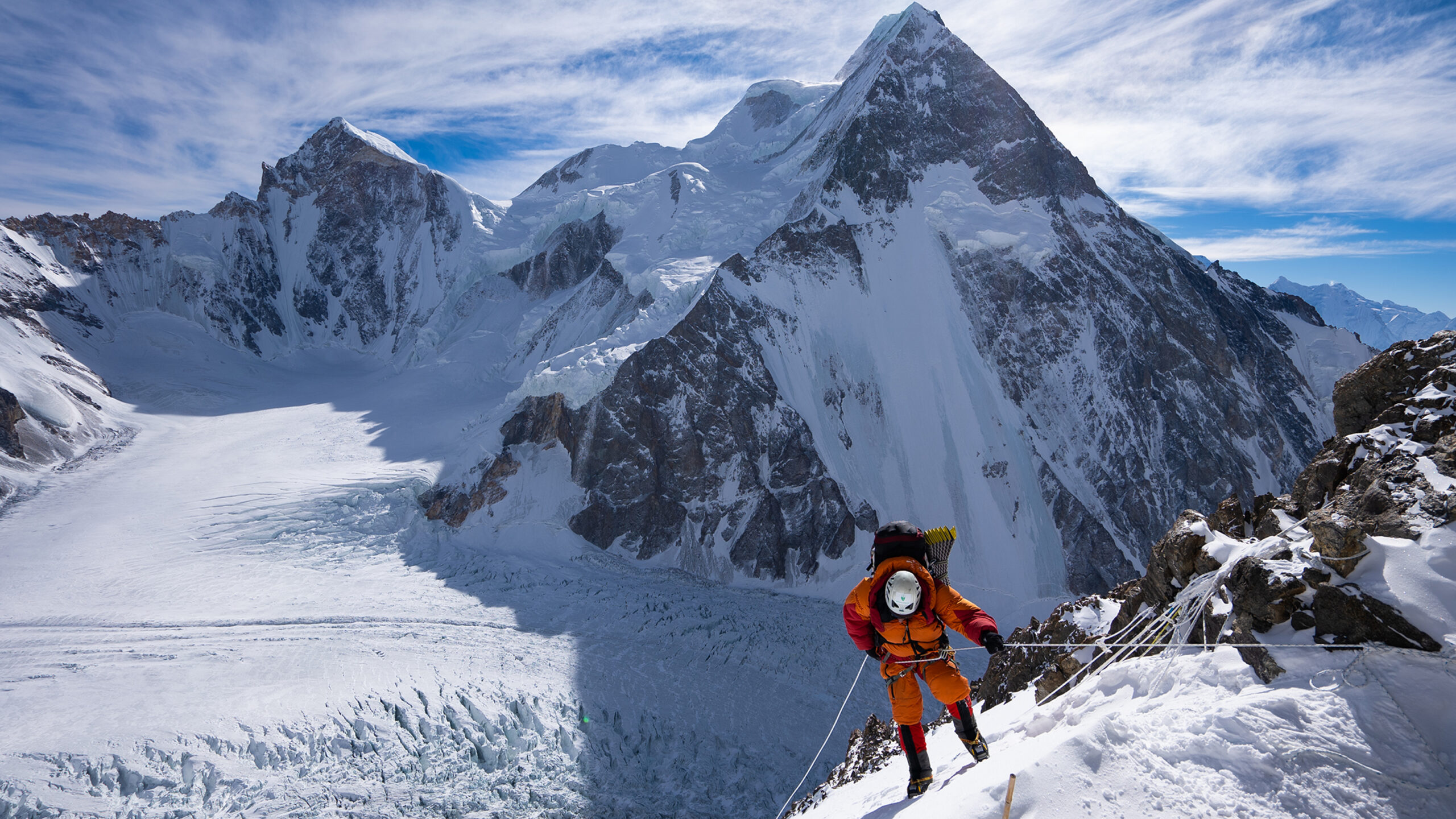
Rather than romanticizing the pursuit of the sublime, Bar-Lev pivots the camera toward the harsh economic realities of the Himalayas, where commercial tourism intersects with the survival labor of indigenous mountain workers. Sourced largely from archival footage, social media clips, and spontaneous mobile phone recordings captured during the expeditions, The Last First: Winter K2 deconstructs the glamorous mythos of elite mountaineering to reveal a complex web of modern socioeconomic disparity.
Chronology of an Ill-Fated Season
The narrative backbone of The Last First: Winter K2 is anchored in the historic and tragic 2020–2021 winter climbing season on K2. For decades, a winter ascent of the 8,611-meter peak remained one of the final unfulfilled milestones in high-altitude mountaineering—a feat often compared to reaching the surface of Mars due to hurricane-force winds, sub-zero temperatures, and thin, oxygen-depleted air.
As winter descended upon the Karakoram range in late 2020, several distinct expeditions converged on K2 base camp. The camps were crowded with contrasting factions: wealthy western adventurers seeking the prestige of a historic first, sponsored athletes chasing personal and national glory, and local high-altitude workers—predominantly Sherpas and Pakistani porters—whose primary objective was economic survival.
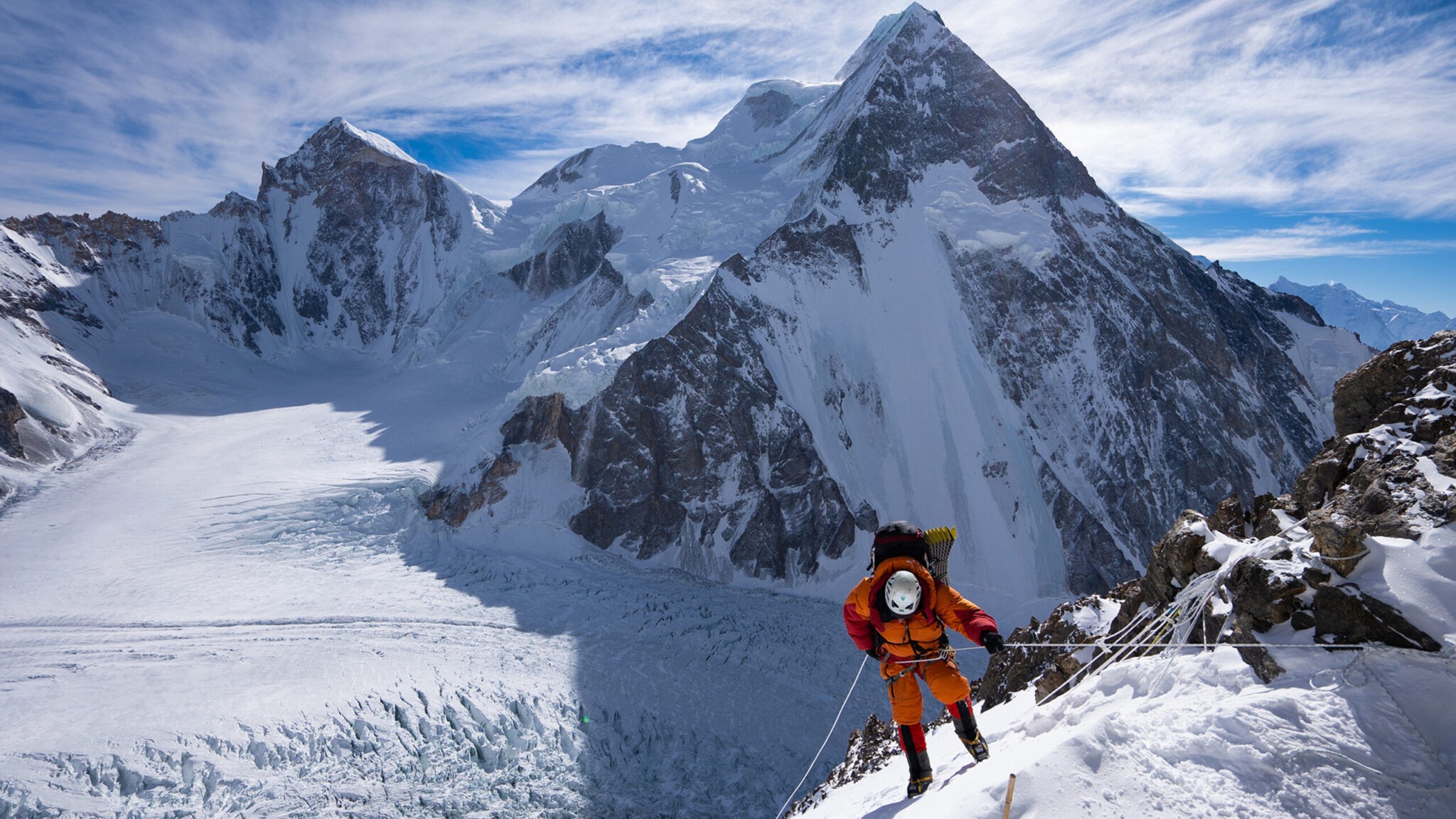
As the competition intensified, tensions boiled over. Friction between international teams escalated, base camps became overcrowded and volatile, and allegations of dangerous professional misconduct began to surface. The season ultimately reached a devastating climax, marked by fatal miscalculations and tragic losses. Bar-Lev’s documentary forensic-checks these events, tracking the sequential choices, ego collisions, and environmental pressures that transformed a historic athletic pursuit into a human tragedy.
Supporting Data & Production Logistics
Bringing The Last First: Winter K2 to the screen presented monumental logistical and technical challenges. Ironically, despite chronicling an expedition set in one of the most remote regions on Earth, director Amir Bar-Lev never actually traveled to the Himalayas.
Instead, the production relied on an unprecedented avalanche of digital media. Because modern expeditions are heavily documented by the climbers themselves, the mountain was saturated with cameras. Much of the primary visual evidence utilized in the film was not gathered by a traditional documentary crew following a script, but rather pulled from fragmented, high-intensity bursts of footage shot on iPhones for social media updates and vlogs.

- Archival Reconstruction: The production team faced the arduous task of transforming raw, chaotic, and uncurated digital footprints into a cohesive, cinéma-vérité narrative structure.
- Prismatic Perspective: Eschewing a singular, omniscient narrator, the film weaves together interviews from dozens of expedition participants, representing a wide spectrum of classes, nationalities, and motivations.
- Festival Pedigree: The film marks Bar-Lev’s fifth feature and continues his long-standing relationship with the Sundance Film Festival, where four of his previous projects have successfully premiered and found distribution.
Official Responses & Director’s Vision
In interviews surrounding the premiere of The Last First: Winter K2, Amir Bar-Lev has been vocal about his deliberate subversion of traditional adventure documentary tropes. He notes that the project demanded a widening of the lens, deliberately refusing to paint the participants with broad strokes of heroism or villainy.
"The majority of people on the mountain during Winter K2 weren’t there because they were seeking the sublime experience of risk," Bar-Lev explains, addressing the profound power imbalances inherent in modern mountaineering. "They were there because work is scarce in the Himalayas, and dangerous mountain work is how people feed their families. So this is a story about socioeconomics as much as it is a story about adventure."
To shape the narrative framework of the film, Bar-Lev turned to an unlikely literary source: Jean-Paul Sartre’s existentialist play No Exit. Drawing parallels between the claustrophobic, inhospitable atmosphere of K2 base camp and Sartre’s existential hell where "hell is other people," Bar-Lev structured the documentary to reject moralizing.
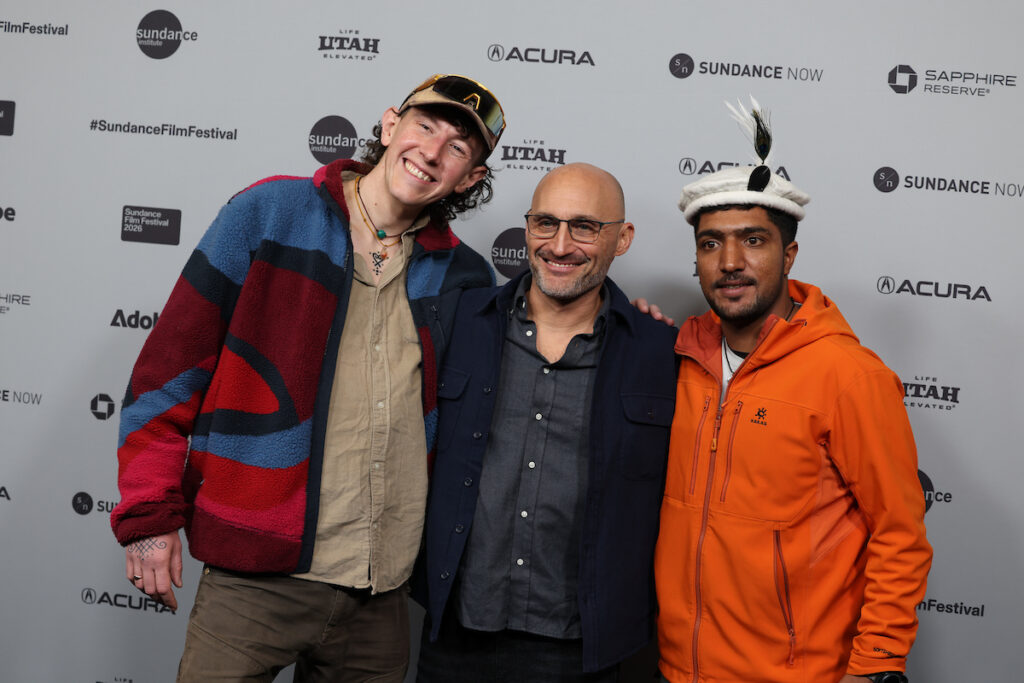
"We are damned by being thrown into existence with humans of other perspectives," Bar-Lev notes, applying this philosophy to the film’s refusal to privilege any single viewpoint. "Our hope is that we’ve let everyone put their best foot forward, and the audience will have to decide for themselves whom they ‘side with,’ and on which points."
Broader Implications: The "Anti-Mountaineering" Mountaineering Film
The Last First: Winter K2 arrives at a cultural crossroads where adventure tourism has become an accessible luxury commodity for the ultra-wealthy, while simultaneously heightening the risks faced by marginalized local workforces. By interrogating who gets to access Earth’s most perilous peaks—and who ultimately foots the human and financial bill—the documentary forces viewers to re-examine their consumption of extreme sports media.
Bar-Lev hopes the film transcends genre boundaries, appealing equally to hardcore mountaineering enthusiasts and skeptics alike. Describing it playfully as an "anti-mountaineering mountaineering film," he draws a parallel to his past work, notably his acclaimed documentaries on rock music and counterculture.
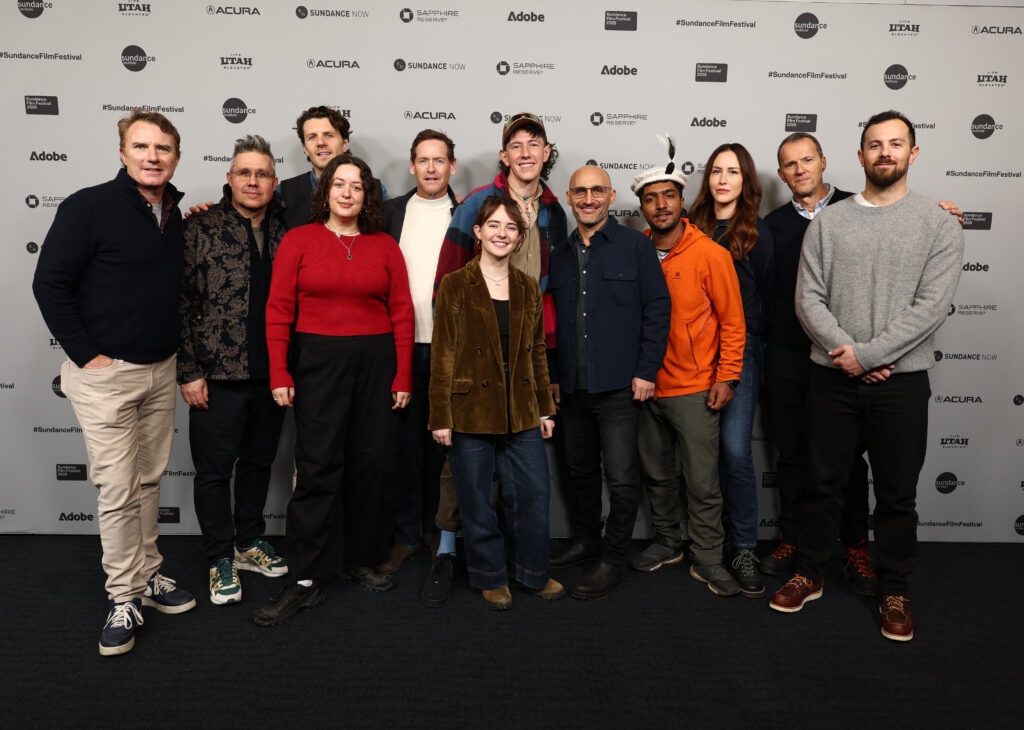
"I studied comparative religion in college," Bar-Lev reflects. "Whenever I finish a film and get to answer big questions about my œuvre, I find myself saying that every one of my films is about religion, no matter what it’s about. If it’s about mountaineering, I find a way to make it about religion. If it’s about art or rock music or football—it’s religion. I’m a one-trick pony."
Ultimately, The Last First: Winter K2 achieves what the best independent cinema sets out to do: it challenges preconceived notions, strips away the romantic varnish of extreme ambition, and holds up a mirror to human behavior—proving that the fierce, unyielding pressures of high altitudes tell us just as much about life down at sea level.
