
The Architecture of Blankness: Why Horror Cinema and Independent Artisans Rely on the Unmoving Face
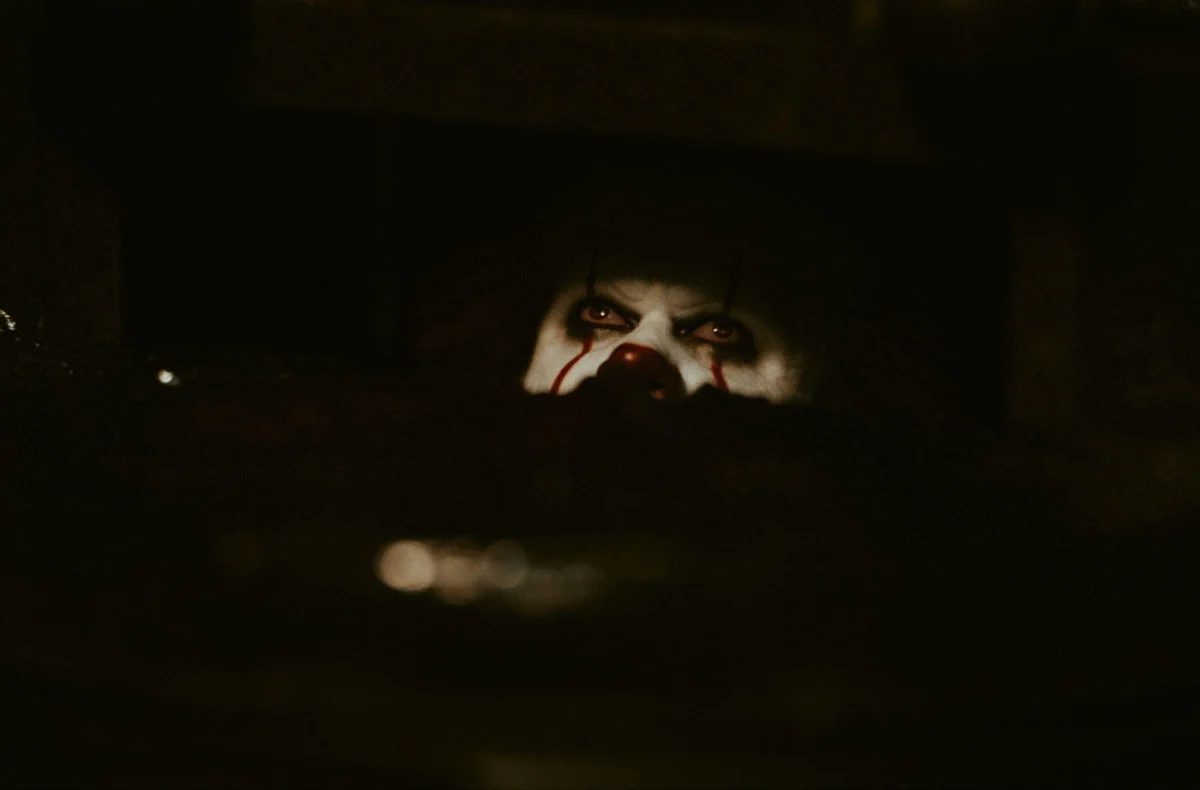
For more than sixty years, horror cinema and independent craftspeople have relied on a singular, deeply unsettling premise: a mask does not move. It cannot sneer, flinch, or smile. This absolute rigidity transforms an ordinary figure standing in a dimly lit doorway into an entity the human brain simply cannot categorize, creating a profound psychological discomfort that modern filmmakers and digital content creators continue to study and replicate.
Main Facts: The Science and Craft of the Horror Mask
At its core, the enduring power of the horror mask rests on a neurological baseline. Human beings are biologically wired to read micro-expressions. We scan faces in milliseconds to assess danger, gauge intent, and decide whether to relax or flee. When a mask covers a face, that vital communication channel is abruptly severed.
The physical body remains—it walks, reaches, and occupies space—but the part of the human anatomy we rely on for emotional reassurance returns nothing. The brain experiences a persistent, low-grade cognitive dissonance, identical to the jolt felt when an interlocutor abruptly stops speaking and simply stares.
Independent artists who hand-sculpt and paint latex or silicone masks face a unique challenge in translating this tangible dread into the digital landscape. Because a static image on a phone or monitor cannot capture the eerie atmosphere of a physical piece, modern creators often utilize slow-panning video clips under a single lamp. To ensure that the intricate details—such as cracked paint, microscopic seams, and the porous grain of latex—hold up on high-definition displays, many creators rely on advanced software suites to upscale video to 4K resolution before publishing their work online.
Chronology: A History of the Frozen Face in Art and Film
The unsettling nature of the unmoving expression is by no means exclusive to modern slasher films. Its evolution spans centuries across theater, early cinema, and modern psychological thrillers.
- Pre-Modern Era (Traditional Japanese Noh Theater): Centuries before horror films existed, performers in Japanese Noh theater wore carved wooden masks featuring deliberately neutral expressions. Rather than relying on facial movements, actors utilized minute angles—tilting the mask slightly upward toward the light to project brightness, or downward to simulate profound sorrow. The carving remained completely still while the performer’s physical posture carried the narrative weight.
- 1960 (The Cinematic Turning Point): French master Georges Franju released Eyes Without a Face (Les Yeux sans Visage). The film introduced a young heroine wearing a smooth, pale mask with minimal features, drifting through her father’s estate like a sleepwalker. The mask functioned simultaneously as a symbol of profound grief and a chilling threat, setting a precedent for psychological horror over overt shock tactics.
- 1978 (The Slasher Blueprint): John Carpenter released Halloween. The production team famously purchased a commercial mask of a television character (William Shatner’s Captain Kirk), painted it a flat, chalky white, and widened the eye holes. By deploying this blank canvas in broad daylight, behind clotheslines, or lingering quietly in the background, Carpenter established the modern cinematic grammar of the masked stalker.
- 2008 (Modern Psychological Dread): Bryan Bertino’s The Strangers utilized rough burlap sacks and doll-like porcelain masks. Instead of active pursuit, the masked antagonists loomed silently in the deep background of domestic spaces, allowing their fixed, unblinking expressions to amplify tension without a single line of dialogue.
- 2021 (Empirical Validation): Researchers published a landmark study in Royal Society Open Science, quantifying precisely how much emotional data is lost when human faces are obscured.
Supporting Data: What Research Tells Us About Obscured Faces
While horror props are designed to terrify, empirical science has measured the cognitive cost of covering the human face under normal circumstances.
In a 2021 study published in Royal Society Open Science, a research team led by Eilidh Noyes evaluated 300 adult participants divided into three equal groups. The participants were asked to identify emotional expressions on photographs of human faces displayed for exactly one second. The stimulus images varied: some were entirely uncovered, while others were digitally modified to include ordinary sunglasses or mouth-and-nose face masks.
The resulting data demonstrated a stark drop in comprehension:
- Uncovered faces: Participants correctly identified the depicted emotion 80.48% of the time.
- Faces with sunglasses: Accuracy dropped to 76.32%.
- Faces with face masks: Accuracy plummeted to 61.51%.
- The hardest emotion: Fear proved exceptionally difficult to decipher across all conditions, averaging just 53.19% accuracy.
Although the study utilized standard medical and protective masks rather than horror props—and measured cognitive accuracy rather than subjective fear—the findings underscore how heavily human social cognition relies on the lower half of the face. Horror masks typically obscure this entire region while fundamentally altering the appearance of the eyes, maximizing perceptual disruption.
Official Responses and Industry Perspectives
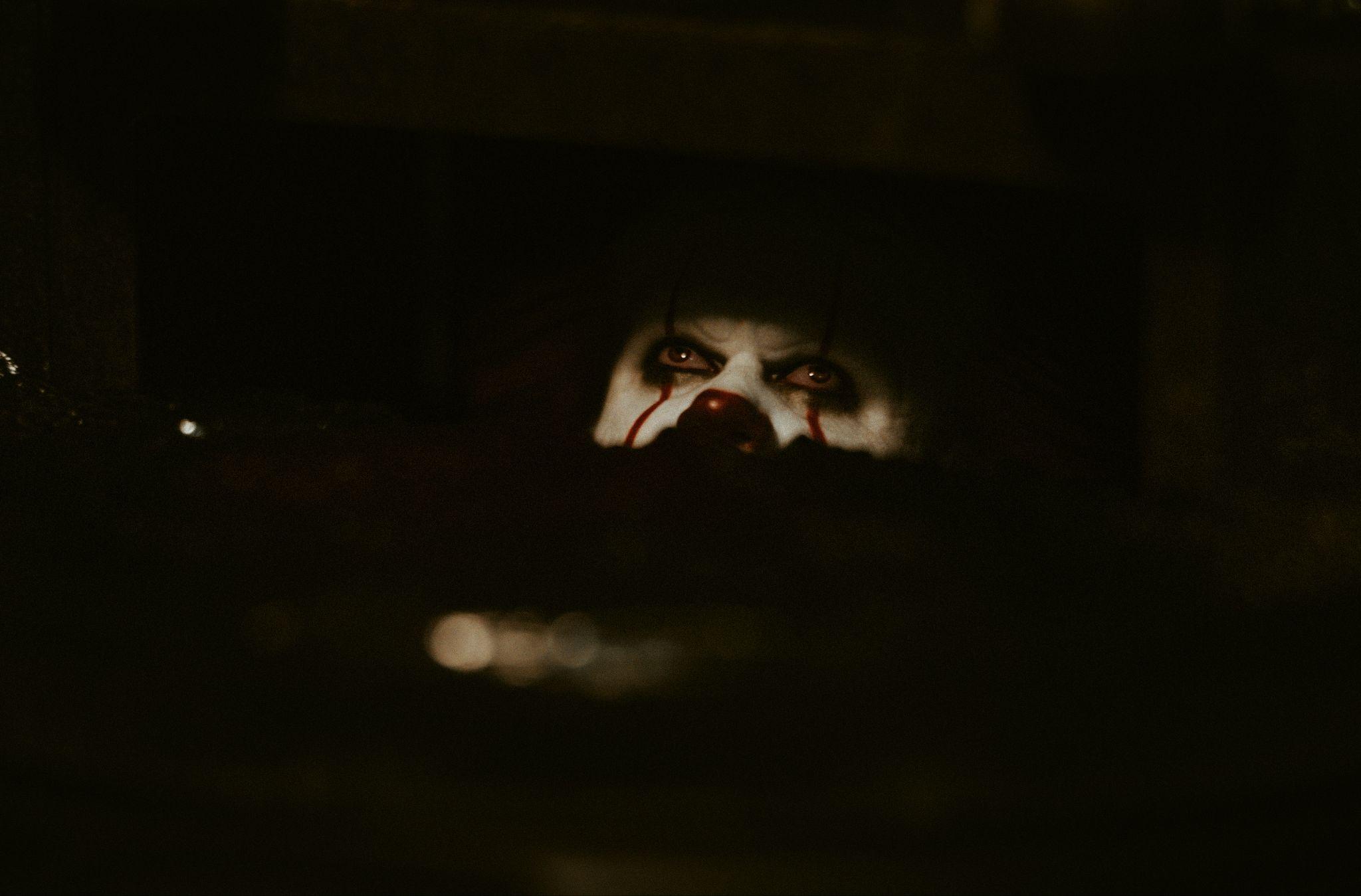
Professionals within the practical effects, haunt design, and filmmaking industries frequently emphasize that restraint is the most difficult lesson for a novice mask maker to master.
Master sculptors often note that a mask carved into a permanent, screaming snarl looks undeniably striking when displayed on a shelf. However, once placed on a moving performer, a permanently fixed expression rapidly devolves into comedy. Because the facial configuration never alters to match the rhythm of a scene, the permanent scream begins to feel less like a manifestation of terror and more like an unyielding theatrical pose.
Conversely, a neutral or subtly melancholic mask possesses infinite narrative adaptability. It maintains an eerie calm while the performer engages in erratic or alarming actions. This visceral mismatch between the environment and the unreadable facade is far more difficult for an audience to shake than a grotesque monster design.
Furthermore, industry veterans emphasize that the eye treatments dictate the psychological tone of the piece:
- Visible Eyes: Wide openings reveal the performer’s wet, moving eyes trapped behind a dead surface, reminding the viewer that a sentient, calculating human being is inside.
- Hidden Eyes: Narrow, shadowed openings or dark internal mesh completely obscure the wearer’s gaze, turning the figure into a walking, unfeeling object.
Implications: Why Simplicity Outlasts Complexity
The legacy of horror makeup and creature design is littered with elaborate rubber monster heads and complex animatronic prosthetics that commanded massive budgets upon release, only to look dated and quaint within a single decade.
In contrast, the masks that achieve cultural permanence—a plain white shell, a rough burlap sack, a cracked porcelain doll face—are remarkably simplistic.
This longevity stems from cognitive space. An overly detailed, monstrous design dictates precisely what the viewer should fear, leaving little room for imagination. A blank or subtly understated surface, however, forces the audience to fill the perceptual vacuum with their own deepest, most personalized anxieties.
Ultimately, the most effective horror masks do not scream at the audience. They stand silently in the frame, utterly still, and wait for the human mind to terrify itself.
