
Beyond the Outrage: Why South Park Remains the Sharpest Mirror in American Satire

Since its humble, paper-cutout beginnings in 1997, South Park has stood as a defiant, often abrasive, and consistently relevant pillar of American television. Created by Trey Parker and Matt Stone, the series has outlived the era of its contemporaries—The Simpsons and Family Guy—by refusing to rely on comfort or nostalgia. Instead, it has morphed into a high-speed cultural centrifuge, capable of processing the news cycle, technological shifts, and societal anxieties with a speed that traditional scripted television rarely matches.
As the show navigates its 29th season, it remains a "so-bad-it’s-so-good" staple for viewers, but it has evolved significantly from the scatological shock-fest of the late 90s. Today, South Park operates as a sophisticated, albeit crude, instrument of social critique. While it has occasionally dialed back its most offensive impulses, it has replaced them with a surgical, often cynical, precision. Here, we analyze the evolution of the series and rank the standout episodes from the last five years that define its current era.
The Evolution of Irreverence: A Chronology of Influence
The trajectory of South Park is a study in creative endurance. In its early years, the show was defined by the "four boys" archetype: Stan Marsh, Kyle Broflovski, Eric Cartman, and Kenny McCormick. This core quartet allowed Parker and Stone to explore the absurdities of small-town life in Colorado. However, as the 2010s gave way to the 2020s, the show’s scope expanded.

The introduction of long-form serialization—a pivot from the episodic reset buttons of the early seasons—allowed for deeper character studies. We saw the downfall of Randy Marsh from a relatable father figure to a chaotic, ego-driven avatar for the American suburbanite’s worst impulses. This shift marked a maturation of the show’s voice; it no longer just mocked events; it contextualized them through the lens of a town that refuses to grow up.
The Standout Episodes: A Five-Year Retrospective
The last half-decade has been defined by rapid cultural shifts, and South Park has been there to chronicle, exaggerate, and dismantle them. Below are the five most significant episodes that demonstrate the show’s continued relevance.
5. "Help, My Teenager Hates Me!" (Season 25, Episode 5)
In this installment, the show turns its gaze toward the generational divide. When the boys are paired with cynical, moody teenagers for an Airsoft competition, the narrative flips the script on the show’s protagonists. Usually, the boys are the ones acting out, but here, they are forced into the role of the frustrated, bewildered "adults."

The episode is a masterclass in observational comedy. It highlights the inherent absurdity of modern teenage angst, but it grounds the madness in a surprisingly tender exploration of father-son dynamics. The final act, which descends into a parody of high-octane military dramas like The Hurt Locker, serves as a reminder that underneath the cynicism, Parker and Stone retain a genuine talent for character-driven action.
4. "Japanese Toilet" (Season 26, Episode 3)
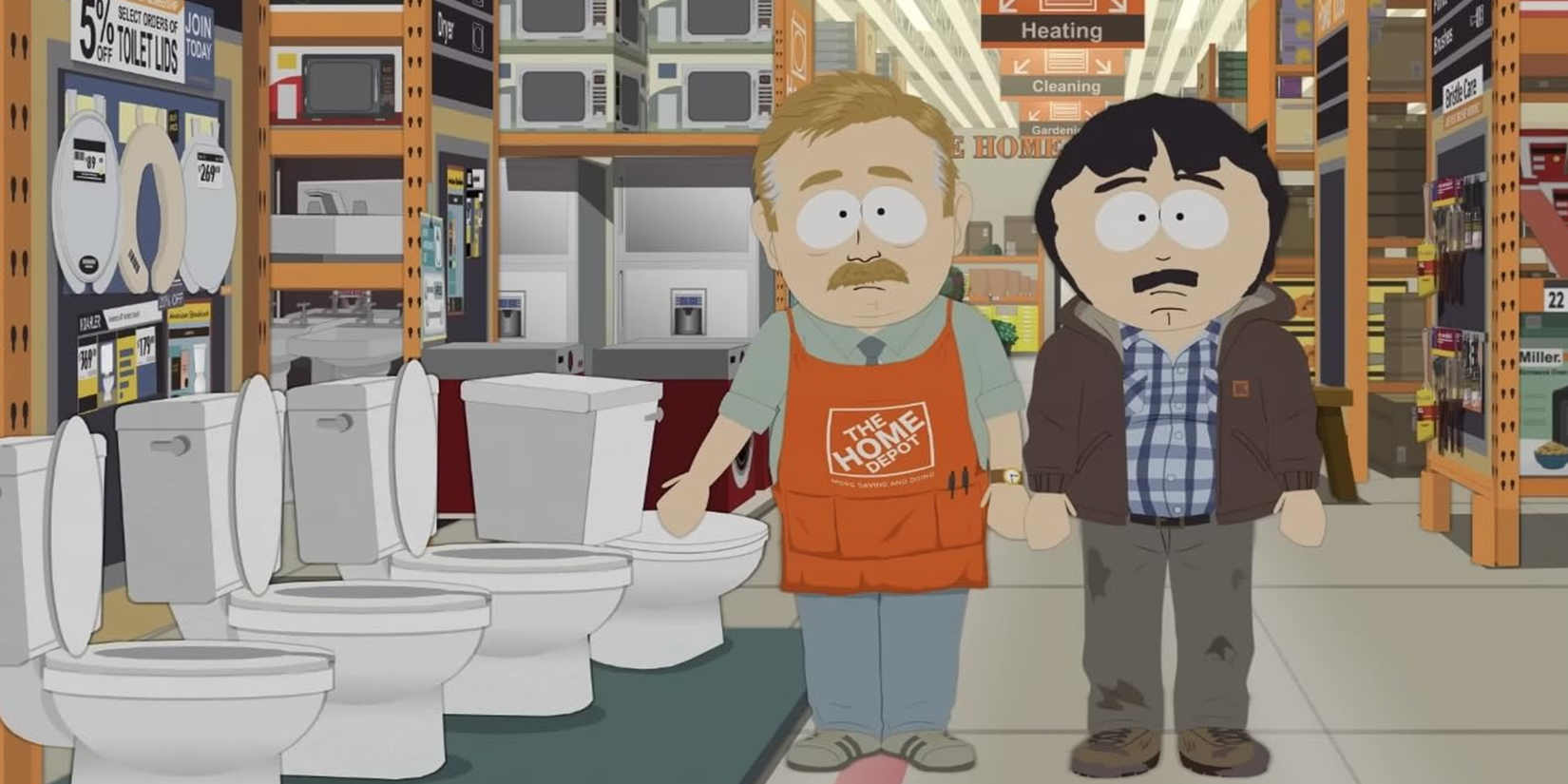
"Japanese Toilet" is perhaps the most illustrative example of the show’s "Randy-centric" era. After a household accident claims the family toilet, Randy’s decision to purchase a $10,000 luxury unit triggers a chain reaction that encompasses corporate greed, the decline of local journalism, and the absurdity of American consumer habits.
The brilliance of this episode lies in its restraint. Rather than mocking Japanese culture, the show focuses on the American reaction to convenience and the obsession with "luxury" items. By the time the episode concludes with a conspiracy involving the toilet paper industry, the audience is left with a sharp, cynical view of how corporations dictate our standard of living.
3. "Deep Learning" (Season 26, Episode 4)
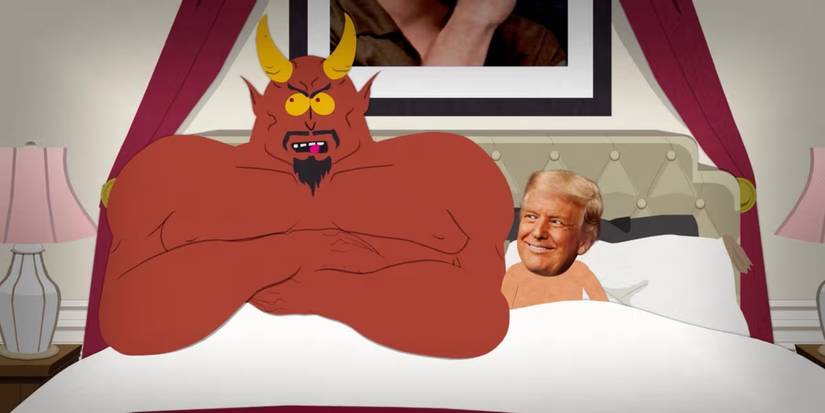
When the world began to grapple with the rise of generative AI, South Park was already ahead of the curve. "Deep Learning" follows Stan as he uses ChatGPT to manage his romantic life, only to realize that the entire student body is utilizing the software to outsource their humanity.
The episode is meta-commentary at its peak. By famously crediting ChatGPT for the episode’s writing, Parker and Stone invited the audience into the joke. Looking back from today, the episode feels less like a parody and more like a prophetic warning. It exposed the ease with which society adopts "convenient" technology, even when that convenience comes at the cost of genuine connection.
2. "The Worldwide Privacy Tour" (Season 26, Episode 2)
The royal drama of the early 2020s was perfectly ripe for the South Park treatment. By introducing the Prince and Princess of Canada—who arrive in town demanding privacy while simultaneously launching a relentless publicity campaign—the show highlighted the inherent contradictions of modern celebrity culture.
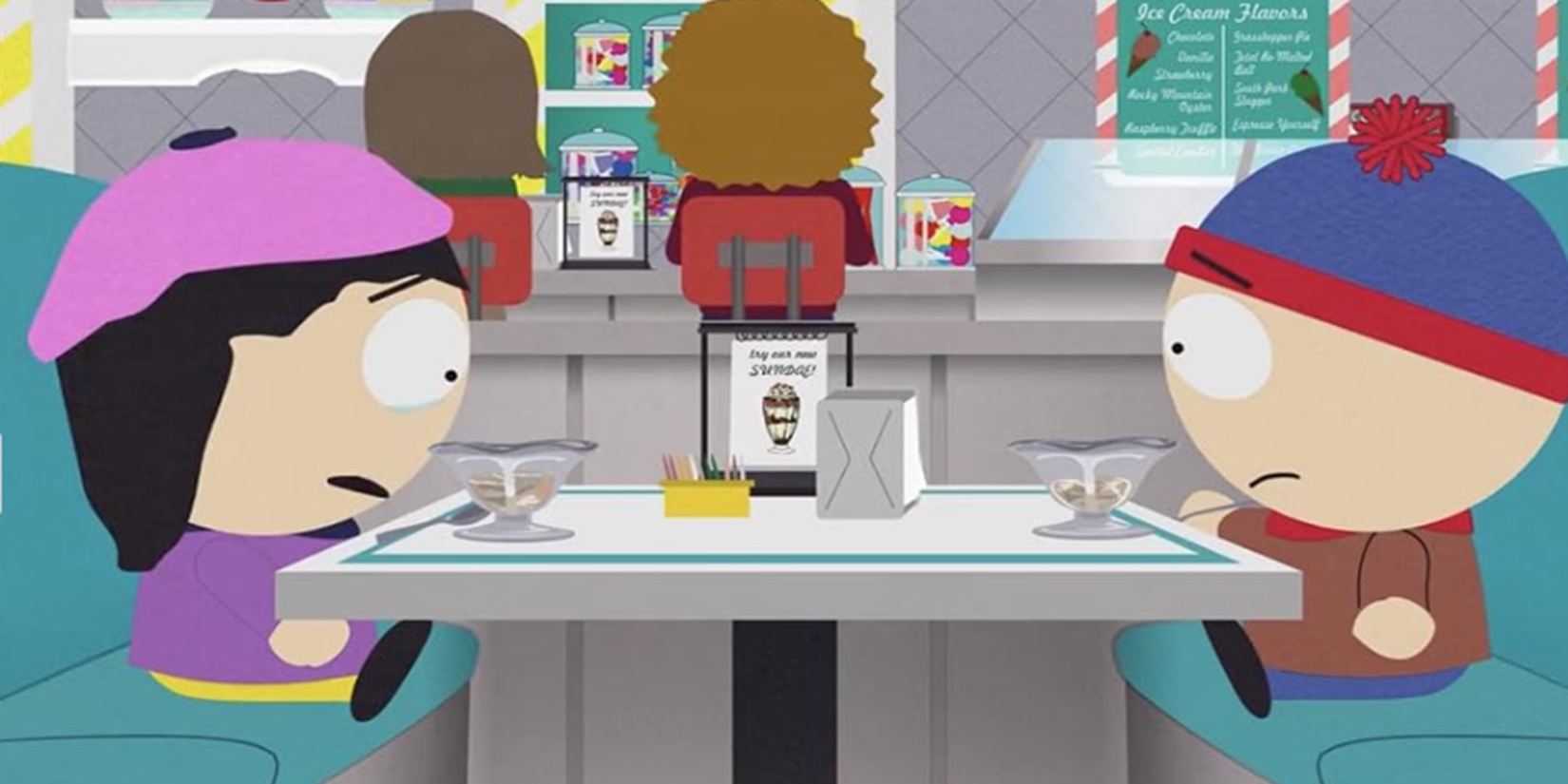
This episode remains one of the most discussed of the last five years because it touched on a fundamental human impulse: the desire to control one’s narrative while simultaneously seeking validation from the public. It isn’t just about Harry and Meghan; it is about the "victimhood brand" that has become a currency in the digital age.
1. "Sermon on the ‘Mount’" (Season 27, Episode 1)
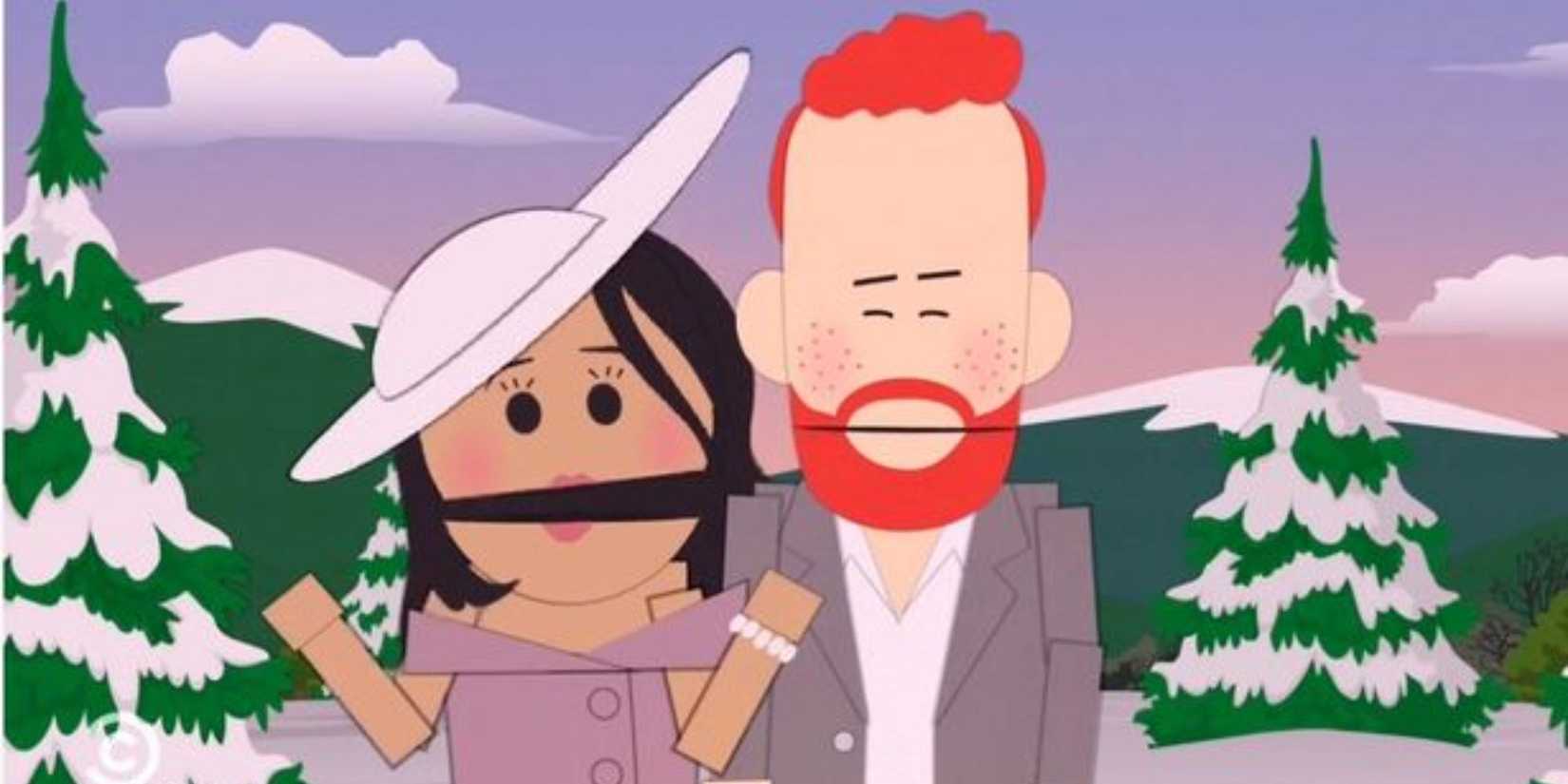
Topping our list is the daring premiere of Season 27. Following the cancellation of NPR and the political turmoil surrounding Donald Trump’s influence, the episode takes aim at the intersection of religion, politics, and corporate media.
Few shows would dare to depict a former president in bed with the Devil, but South Park does so to underscore a deeper point: that political discourse has become so bizarre that reality often outpaces satire. The episode’s resolution—revealing that Jesus’s return is merely a legal settlement with Paramount—is the kind of cynical, self-referential humor that only a show with nearly 30 years of history could pull off.
Implications: The Future of the Town
The "Sermon on the ‘Mount’" episode serves as a manifesto for the show’s current state. When Trey Parker once remarked that "satire has become reality," he signaled a change in the show’s methodology. Rather than trying to out-crazy the real world, the show now acts as a mirror, reflecting the absurdity of the headlines back to the audience with minimal distortion.
This approach has significant implications for the longevity of the series. As the media landscape becomes increasingly fragmented and political polarization deepens, South Park occupies a unique space. It is a show that is both universally recognized and inherently "niche" in its brand of humor. It does not seek to preach; instead, it invites the viewer to laugh at the collective madness of the current era.
Official Stance and Production Context
Behind the scenes, the production remains a high-wire act. With a small, dedicated team and a famously short production window—often completing episodes in under a week—South Park maintains its ability to stay relevant. The show’s partnership with Paramount+ has provided a broader platform for their specials and long-form storytelling, allowing the creators to expand the South Park universe without losing the DNA that made it successful in 1997.
The cast, led by the incomparable voice talents of Parker and Stone, continues to provide the lifeblood of the series. Their commitment to the voices of Cartman, Stan, Kyle, and Kenny remains unchanged, a constant in a rapidly shifting world.
Conclusion
South Park is no longer just a "guilty pleasure." It is a vital cultural archive of the last three decades. Through its lens, we see our fears, our technological dependencies, and our political dysfunctions laid bare. As the series enters its third decade, it proves that while the world may change, the need for a biting, unfiltered, and unapologetic voice remains as necessary as ever. Whether through a $10,000 toilet or an AI-written love letter, South Park reminds us that the most effective way to process the chaos of modern life is to laugh at the absurdity of it all.
