
The Art of the Immersive Experience: Five Bold Brand Activations Reshaping Experiential Marketing
In the fast-evolving landscape of experiential marketing, standing out requires more than just a clever slogan or a well-placed digital ad. Modern consumers crave tactile, memorable, and often delightfully unexpected interactions with the brands they love. From historical roleplay on the Boston waterfront to high-flying sports marketing in London, innovative companies are redefining what it means to engage an audience.
This week’s roundup of top-tier experiential marketing campaigns highlights how major brands—including Keurig, Cash App, Neutrogena, the Indianapolis Colts, and Ziploc—are breaking traditional boundaries to capture public imagination and drive brand loyalty.
Main Facts: A New Era of Experiential Engagement
Experiential marketing is undergoing a renaissance, shifting away from passive observation toward radical participation. Recent weeks have witnessed a wave of high-profile activations that blend culture, technology, and sheer spectacle:
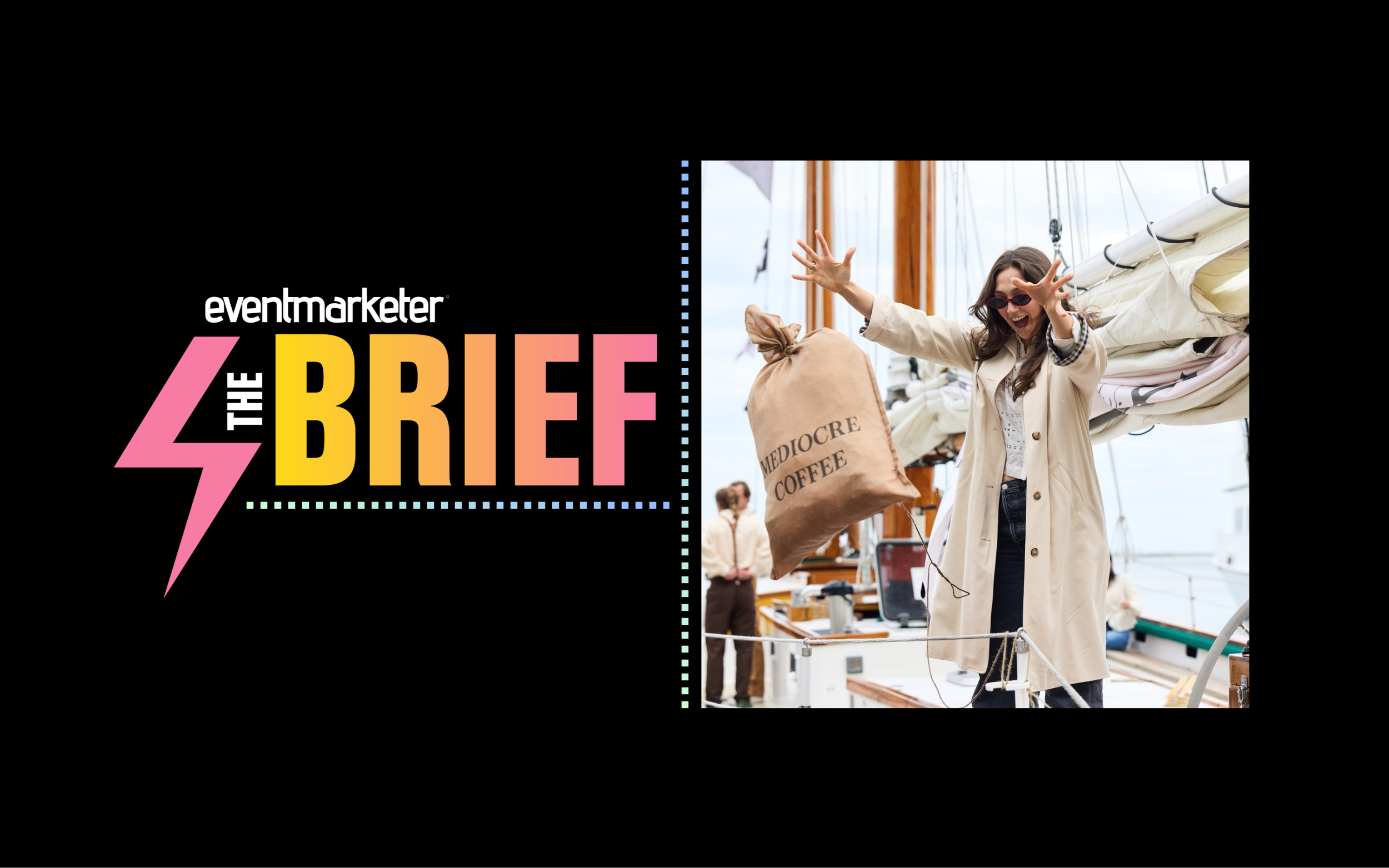
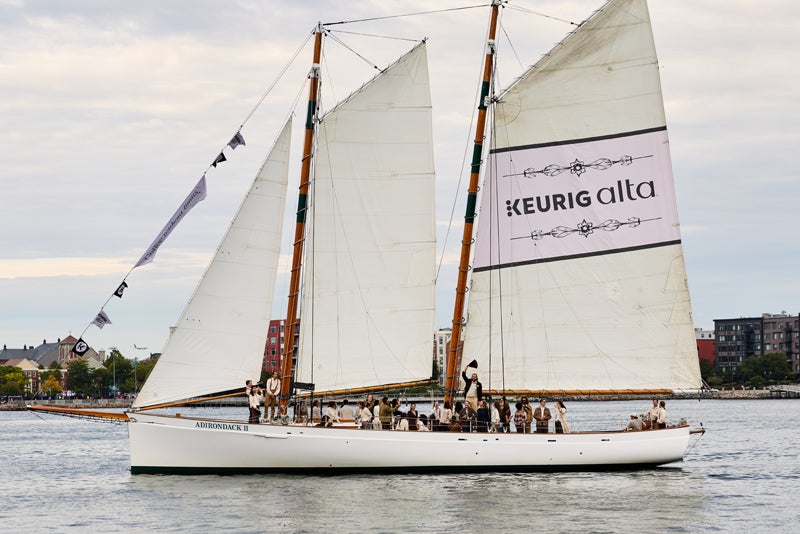
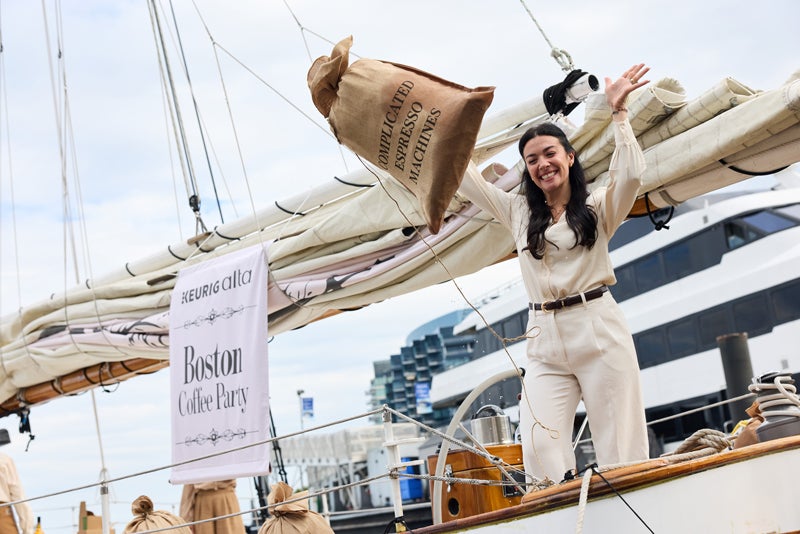
- Keurig’s Boston Coffee Party: Partnering with agency Quality Meats, Keurig channeled the spirit of the American Revolution on October 1, bringing content creators aboard a schooner at Rowes Wharf to chuck "overpriced lattes" into the water and introduce the plastic-free Alta System.
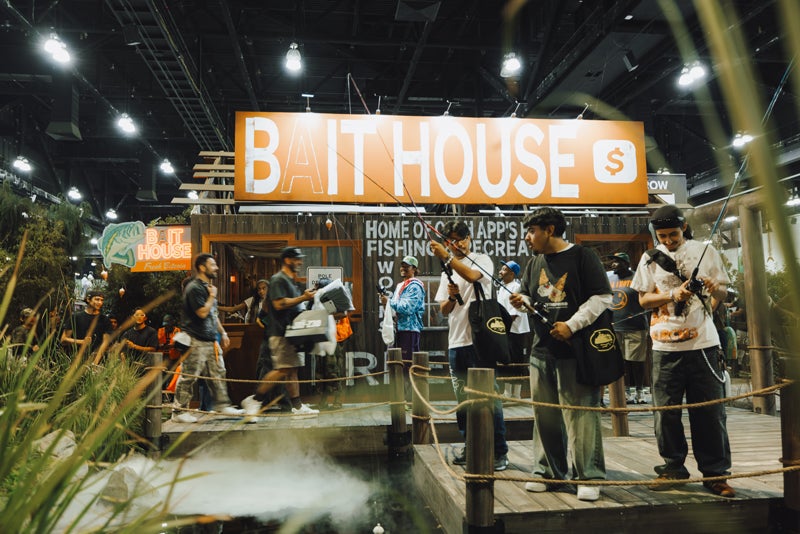
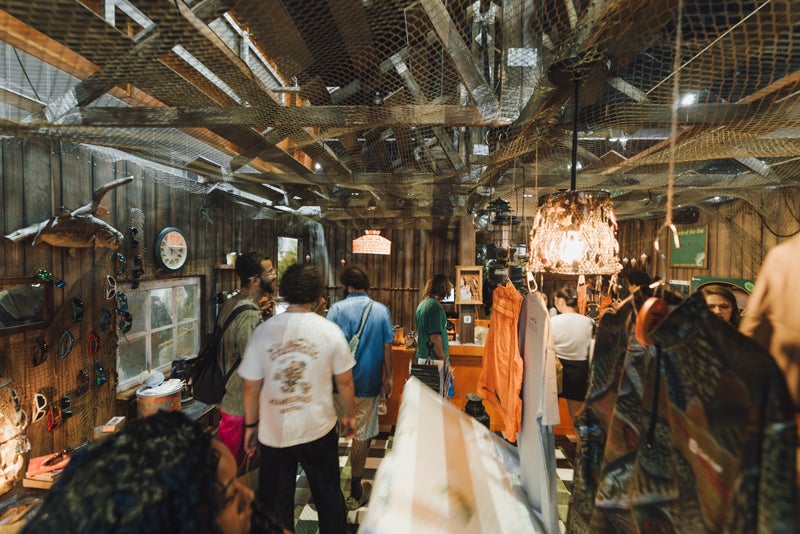
- Cash App’s Lightning Lake at ComplexCon: As the Official Bitcoin Partner for ComplexCon 2026, Cash App (via Nook Agency Americas) installed a fully functional, man-made fishing lake inside the Los Angeles Convention Center on October 3-4, allowing attendees to literally "fish" for real Bitcoin.
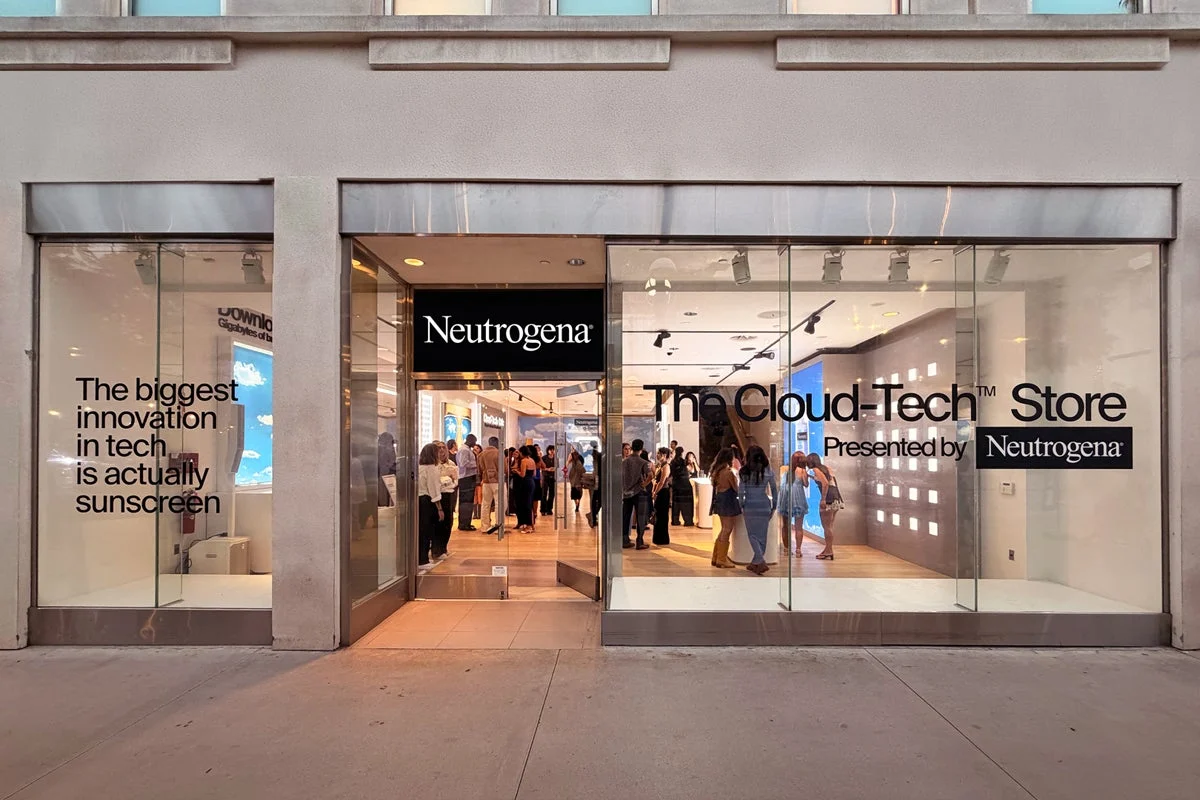
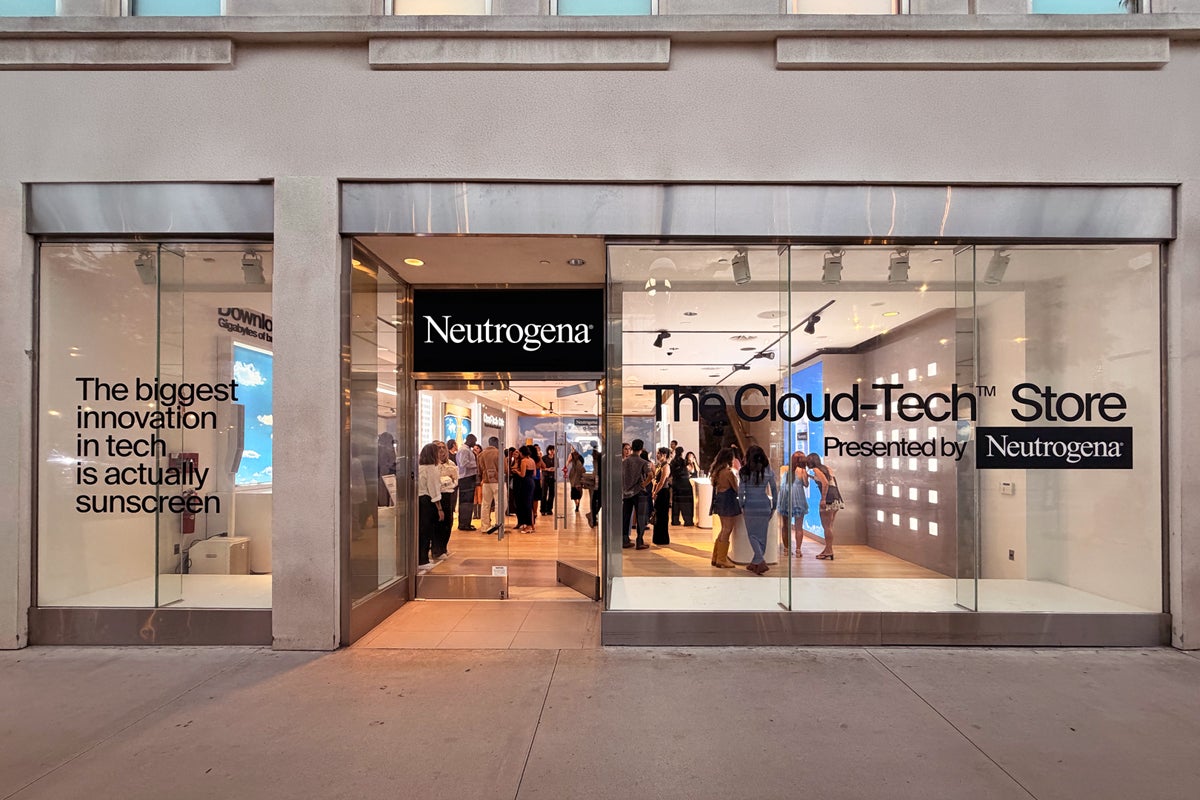
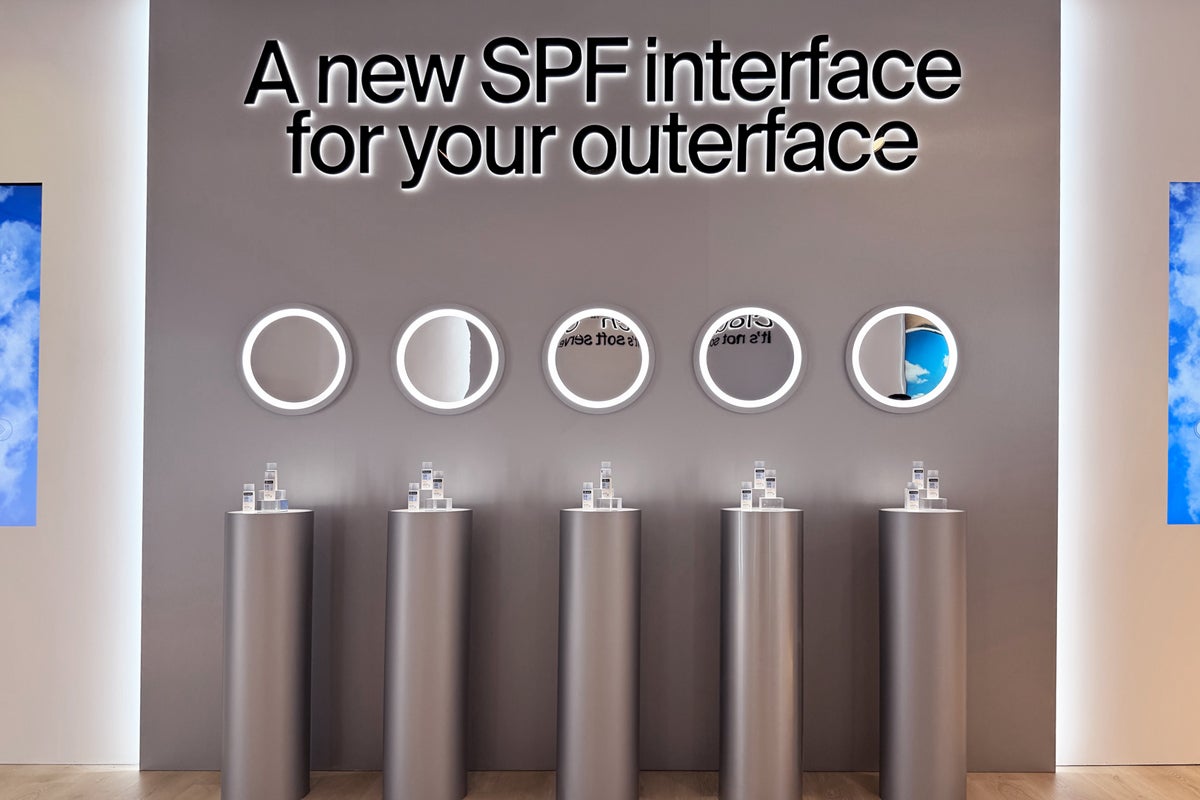
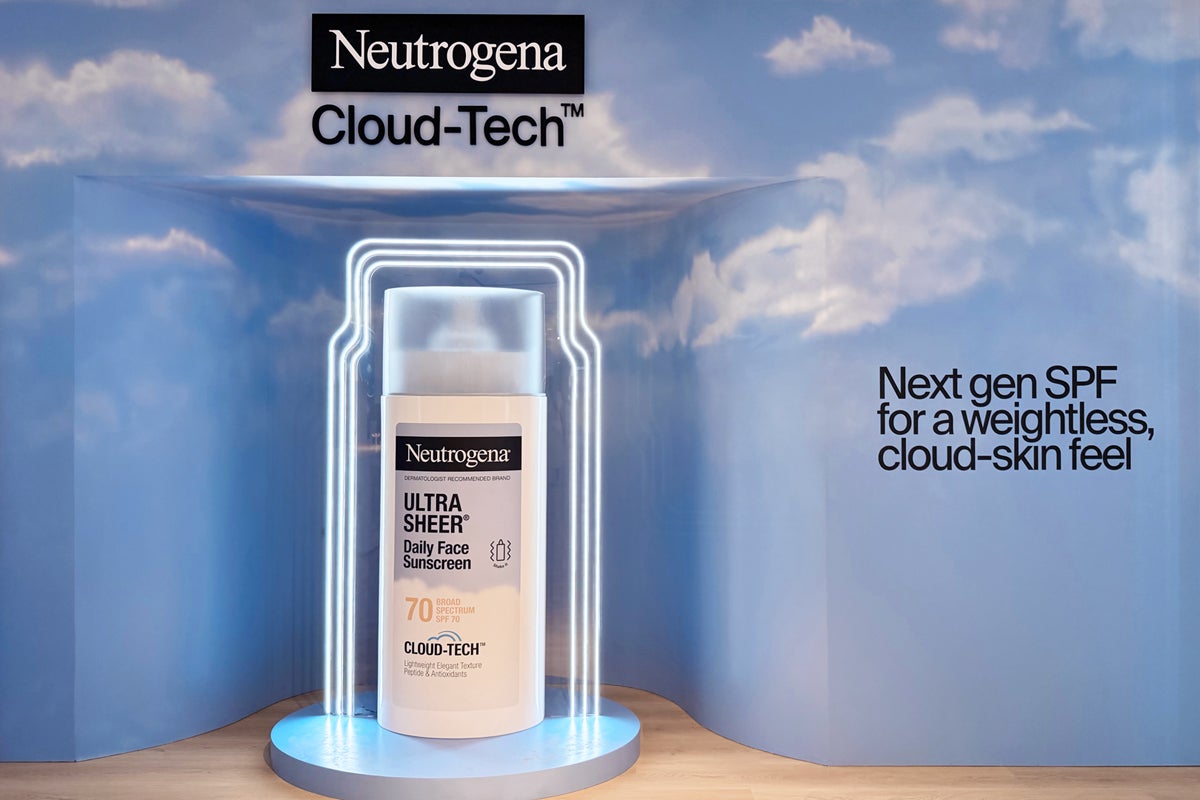
- Neutrogena’s Cloud-Tech Store: Capitalizing on the hype traditionally reserved for Silicon Valley product drops, Neutrogena and the Colina Group opened a Santa Monica pop-up store from September 25-26 to launch its new BEMT sunscreen filter technology under an "OS for SPF" banner.
- The Indianapolis Colts Take Over the London Eye: Ahead of their October 4 matchup against the Washington Commanders, the NFL franchise partnered with the iconic London Eye to offer fans panoramic, high-altitude pods branded completely in team blue alongside player appearances.
- Ziploc’s Wheel of Sandwiches: Collaborating with surplus-food app Too Good To Go and NYC chef Yara Herrera, Ziploc rolled out a food truck in Manhattan featuring a "Wheel of Sandwiches" on September 30, transforming restaurant leftovers into gourmet second meals.
Chronology: A Week-by-Week Timeline of Activations
The late-September and early-October 2026 marketing calendar was packed with tightly synchronized, high-impact events across multiple continents:
September 25–26: Neutrogena’s Silicon Valley-Style Debut
Neutrogena kicked off the experiential wave in Southern California. Transforming a prominent storefront on Santa Monica’s 3rd Street Promenade into "The Cloud-Tech Store," the brand treated skin protection like consumer tech, welcoming over 1,800 curious consumers for R&D demos, UV testing, and cloud-themed treats.
September 30: Ziploc Combats Food Waste in Manhattan
With the launch of its "Surprise Seconds" campaign, Ziploc and Too Good To Go brought zero-waste culinary art to New York City. Long before the official noon opening, crowds had formed. Chef Yara Herrera’s "Wheel of Sandwiches" spun out 400 gourmet leftover creations, which vanished into eager hands in just over two hours.
October 1: Keurig’s Revolutionary Wake-Up Call
Channeling the Sons of Liberty, Keurig took over Rowes Wharf in Boston. Creators and media personnel gathered on a branded schooner to symbolically reject mediocre coffee by tossing bags into fishing nets. Concurrently, across the Atlantic, the Indianapolis Colts launched their two-day takeover of the London Eye, offering exclusive branded pods to contest winners.
October 3–4: Cash App Makes Crypto Tangible at ComplexCon
Rounding out the week, Cash App made waves at the Los Angeles Convention Center during ComplexCon 2026. By dropping a literal man-made lake onto the convention floor, the brand transformed the abstract concept of cryptocurrency into a physical, gamified angling experience.
Supporting Data and Metrics
Behind the creative concepts and striking visuals lie concrete operational metrics that demonstrate the undeniable ROI of these experiential campaigns:
- Neutrogena’s Reach: Despite its niche tech-themed approach, The Cloud-Tech Store successfully engaged more than 1,800 unique visitors over two days for deep educational sampling and product interaction.
- Ziploc’s Rapid Turnover: High demand for sustainable eating was evident in Manhattan, where 200 people queued up prior to the noon opening, resulting in 400 specialty sandwiches being completely distributed in just over two hours.
- Cash App’s High-Stakes Payout: The "Lightning Lake" activation delivered life-changing engagement, with one lucky attendee successfully reeling in a full bitcoin, estimated at a staggering $85,000 in value.
- Global Sports Footprint: The Indianapolis Colts leveraged London Game Week to capture international markets, merging physical fan zones in Greenwood with iconic urban architecture like the London Eye to maximize visibility among British NFL enthusiasts.
Official Responses and Creative Insights
The success of these campaigns is deeply rooted in strategic agency partnerships and a nuanced understanding of consumer psychology.
Commenting on the philosophy behind the disruptive activations, brand representatives and agency leads highlighted the necessity of emotional connection. For instance, Keurig’s collaboration with Quality Meats leveraged humor and historical parody to introduce a sustainable product format (AltaRounds) without feeling overly corporate.
Similarly, Nook Agency Americas noted that Cash App’s "Lightning Lake" at ComplexCon was designed to demystify cryptocurrency. By anchoring abstract digital assets to a nostalgic, physical activity like fishing at a "Bait House," the brand bridged the gap between Gen-Z streetwear culture and fintech.
In the beauty sector, Colina Group’s execution for Neutrogena proved that skincare consumers respond enthusiastically to scientific validation when presented engagingly. Treating an FDA-approved sunscreen filter like an operating system update—complete with interactive R&D stations and UV coverage bars—turned clinical dermatology into a playground for beauty enthusiasts.
Meanwhile, the partnership between Ziploc and Too Good To Go addressed a deeply ingrained cultural guilt: food waste. By enlisting local culinary talent like chef Yara Herrera to curate upscale leftover sandwiches, the campaign refactored waste management into an aspirational, mouth-watering lifestyle choice.
Implications for the Future of Experiential Marketing
What do these five disparate campaigns—ranging from fintech fishing ponds to historical coffee rebellions—tell us about the future of brand engagement?
First and foremost, tactile storytelling is king. In an era dominated by screens, algorithms, and digital fatigue, physical presence matters more than ever. When Cash App literalized the crypto "pool" of funds into an actual body of water, or when Neutrogena built a walkable cloudscape, they gave consumers something real to touch, photograph, and remember.
Second, cross-industry pollination is accelerating. Brands are no longer restricted to the tropes of their specific verticals. Skincare brands are adopting tech launch playbooks; consumer packaged goods companies are staging historical reenactments; and payment apps are building fishing holes at streetwear conventions.
Finally, sustainability and utility must be experiential. Campaigns by Ziploc and Keurig demonstrate that consumers respond best to eco-friendly initiatives when the brand makes sustainability fun, accessible, and rewarding rather than preachy.
As experiential marketers look toward the remainder of the decade, the bar has officially been raised. Brands that wish to cut through the noise must be willing to think outside the traditional box—or, in the case of Cash App, build an entirely new lake on the convention floor.
