
A Box Office Miss: Analyzing the Stumble of ‘Rolling Loud: The Movie’
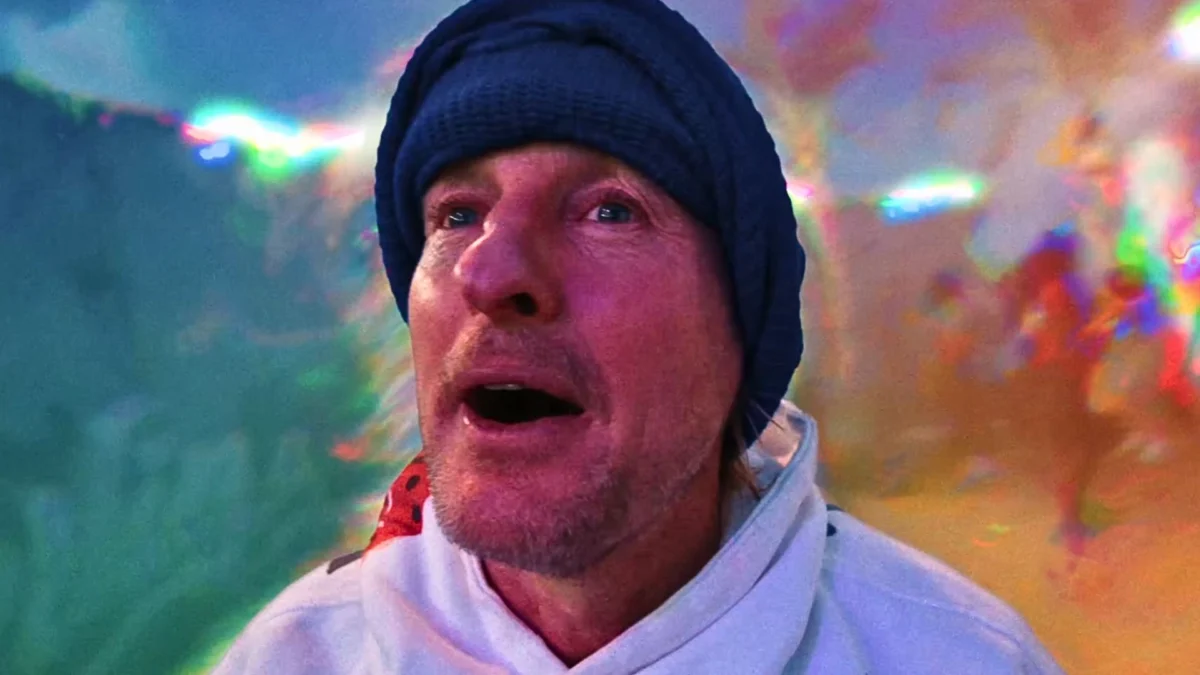
Owen Wilson has long been a bedrock of Hollywood’s comedic landscape. From the irreverent charm of Wedding Crashers to the whimsical nostalgia of Night at the Museum, Wilson has cultivated a screen persona that audiences trust implicitly. However, even the most established stars face the volatility of the modern theatrical marketplace. His latest project, Rolling Loud: The Movie, has debuted to a surprising and sobering box office performance, raising questions about marketing strategy, audience fatigue, and the shifting dynamics of the post-pandemic cinema experience.
The Premise: A High-Stakes Festival Comedy
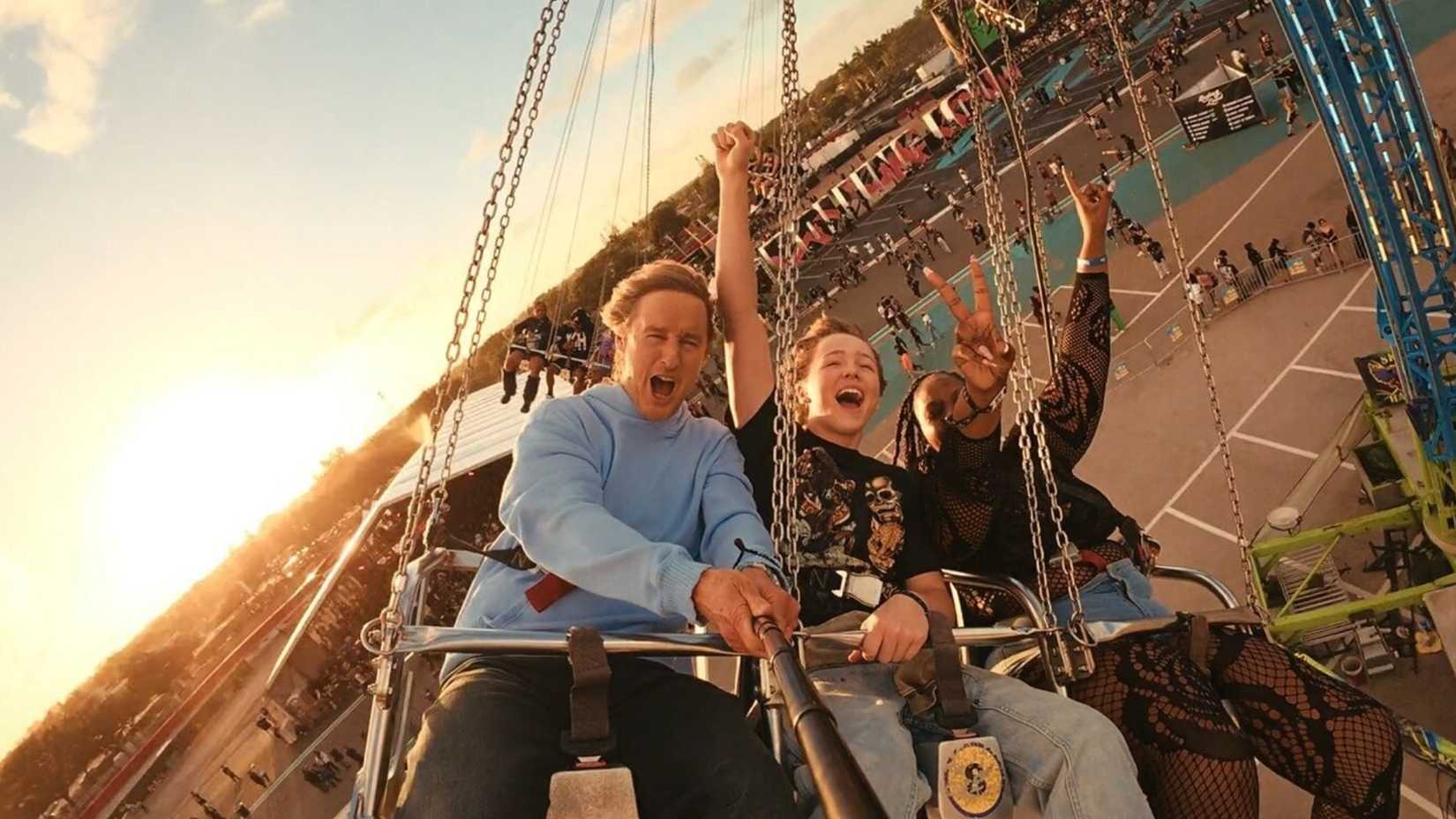
Directed by Jeremy Garelick, Rolling Loud: The Movie is a high-concept comedy that leans into the chaos of modern music culture. The narrative follows Hank, played by Wilson, a quintessential suburban father who finds himself in over his head. When he impulsively takes his 13-year-old son to the world-famous Rolling Loud music festival, the trip goes sideways almost immediately.
After losing his son in the sprawling, high-energy crowd, Hank is forced to navigate the festival’s intense atmosphere, eventually teaming up with a hapless coworker (Matt Rife) and a festival volunteer (Christine Ko) to locate him. The film aims to capture the frenetic energy of the real-world music festival, blending slapstick comedy with the "overprotective parent" trope. While the film has garnered a respectable 69% audience approval rating on Rotten Tomatoes—suggesting that those who actually see it find it enjoyable—it has struggled significantly to get butts in seats.
A Chronology of the Marketing Misstep
The road to the screen for Rolling Loud: The Movie has been unconventional, characterized by a notable lack of sustained promotional momentum.
The Viral Spark
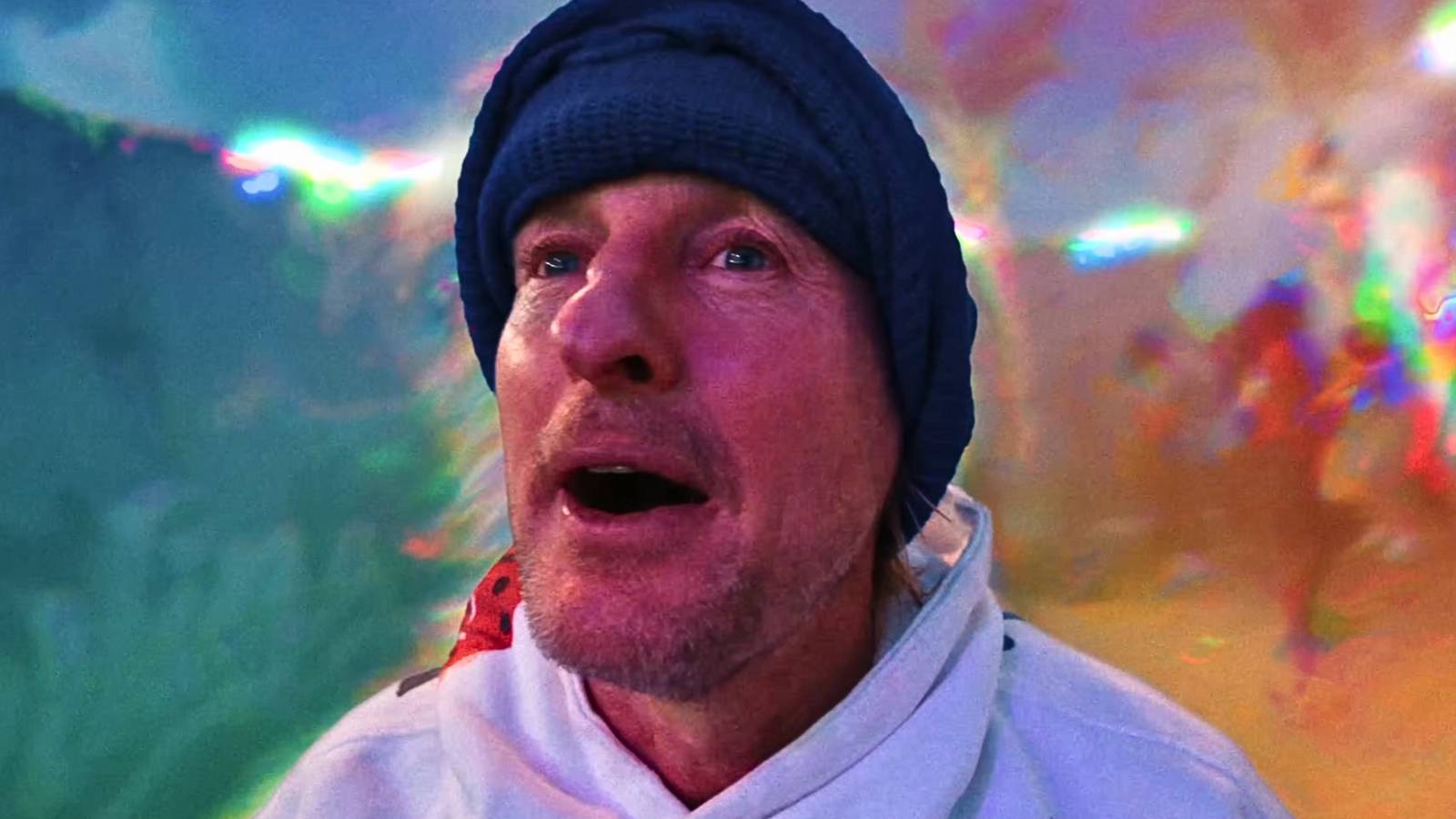
The project initially gained significant traction nearly two years ago when behind-the-scenes footage of Owen Wilson filming on-site at a Travis Scott concert went viral. The image of the famously laid-back actor standing amidst the pulse-pounding intensity of a massive rap festival was an instant internet sensation. For a brief moment, it seemed like the perfect "hook" for a movie.
The Marketing Void
However, the gap between that viral moment and the film’s October 2, 2026, release date proved to be a critical error in strategy. By the time the film reached theaters, the novelty of the "Owen Wilson at a festival" anecdote had long since evaporated. Marketing experts suggest that the film failed to capitalize on the initial buzz, essentially launching with a whimper rather than the roar required to lure general audiences to a comedy in a crowded fall market.
The Theatrical Reality
When the film finally arrived on October 2, it was met with a sparse footprint. Opening in only 868 theaters, it stood little chance against more robustly distributed competitors. For context, mid-tier genre films typically aim for a footprint of at least 2,500 to 3,000 screens to maximize visibility. The limited release effectively signaled to the public that the studio lacked confidence in the project’s ability to draw, creating a self-fulfilling prophecy of low turnout.
Supporting Data: By the Numbers
The financial results of the opening weekend are stark. Rolling Loud: The Movie concluded its first frame with a total domestic gross of $475,019. To put this in perspective, this represents the lowest-grossing theatrical debut of Owen Wilson’s career.
When comparing this to recent box office performance, the disparity is glaring. Films like Verity and Digger opened simultaneously with broad distribution, utilizing over 3,000 theaters each. The scarcity of screens for Rolling Loud meant that even if word-of-mouth were strong, the logistical barrier to entry for the average consumer was simply too high.
While some have attempted to draw comparisons to the 2001 classic Zoolander—which also had a rocky start—the parallels are limited. Zoolander opened in the immediate, traumatizing wake of the September 11 attacks, a unique historical circumstance that crippled the entire industry. Even then, Zoolander managed to secure $15 million in its opening weekend before settling into its status as a cult classic. Rolling Loud lacks that level of immediate financial traction, suggesting its path to "cult" status may be much more arduous.

Official Perspectives and Industry Context
The industry reaction to this performance has been one of tempered concern. While Wilson remains a bankable star, the comedy genre has undergone a seismic shift. Modern audiences, increasingly accustomed to the convenience of streaming, are becoming more selective about which comedies warrant a trip to the cinema.
"The theatrical landscape has changed," notes one industry analyst. "Unless a comedy is an event film or carries a massive built-in franchise brand, it is incredibly difficult to convince audiences to pay theater prices when they know it will be available on a streaming platform within a few weeks."
Despite the box office disappointment, the film’s producers have pointed to the 69% audience score as a sign of life. There is a strong belief that the film will find its true home on digital platforms, where its demographic—younger, music-savvy, and streaming-inclined—resides.
The Road Ahead: Why Wilson’s Future Remains Bright
It is important to emphasize that this single box-office stumble does not signify a decline in Owen Wilson’s career. The actor has remained exceptionally busy and continues to oscillate between high-profile streaming series and major theatrical tentpoles.
His 2025 performance in the Apple TV series Stick was widely praised, as was his role alongside Alan Ritchson in the action-comedy Runner. These projects have reinforced his ability to bridge the gap between character-driven comedy and high-stakes action.
Perhaps most importantly, Wilson is set to return to one of his most iconic roles on November 25, 2026. Focker In-Law, the latest installment in the Meet the Parents franchise, will see him reuniting with Ben Stiller and Teri Polo. The anticipation for this film is high, and it is expected to be a major holiday release. For Wilson, the failure of Rolling Loud is likely a temporary detour in a year otherwise defined by strategic project selection and successful collaborations.
Implications for the Future of Comedies
The failure of Rolling Loud: The Movie highlights several critical implications for the film industry:
- The End of Mid-Budget Theatrical Comedy: The era where a mid-budget comedy could rely on a recognizable star to guarantee a $20 million opening is largely over. Unless there is a high-concept hook that feels "essential" for a group theater experience, these films are increasingly destined for a direct-to-streaming model.
- Marketing Sustainability: The "viral moment" is not a substitute for a comprehensive, sustained marketing campaign. Relying on an anecdote from two years prior proved insufficient to drive modern ticket sales.
- Audience Fragmentation: There is a distinct disconnect between what critics enjoy and what the general public is willing to pay to see in a theater. While the 69% audience score for Rolling Loud suggests the movie is "good enough," the threshold for "good enough" is no longer high enough to justify the price of a movie ticket.
In conclusion, while Rolling Loud: The Movie has undeniably underperformed at the box office, it serves as a valuable case study for the current state of Hollywood. It underscores the necessity of strategic release windows, the importance of sustained marketing, and the evolving habits of the modern moviegoer. For Owen Wilson, the film will likely be viewed as a minor footnote in an otherwise robust and varied career, particularly as he pivots back to the high-wattage spotlight of the Focker franchise this coming Thanksgiving.
