
From a $7,000 Micro-Budget Miracle to a 90s Action Masterpiece: Why Robert Rodriguez’s ‘Desperado’ Remains Essential Streaming on Prime Video
Main Facts: The Return of a Neo-Western Classic
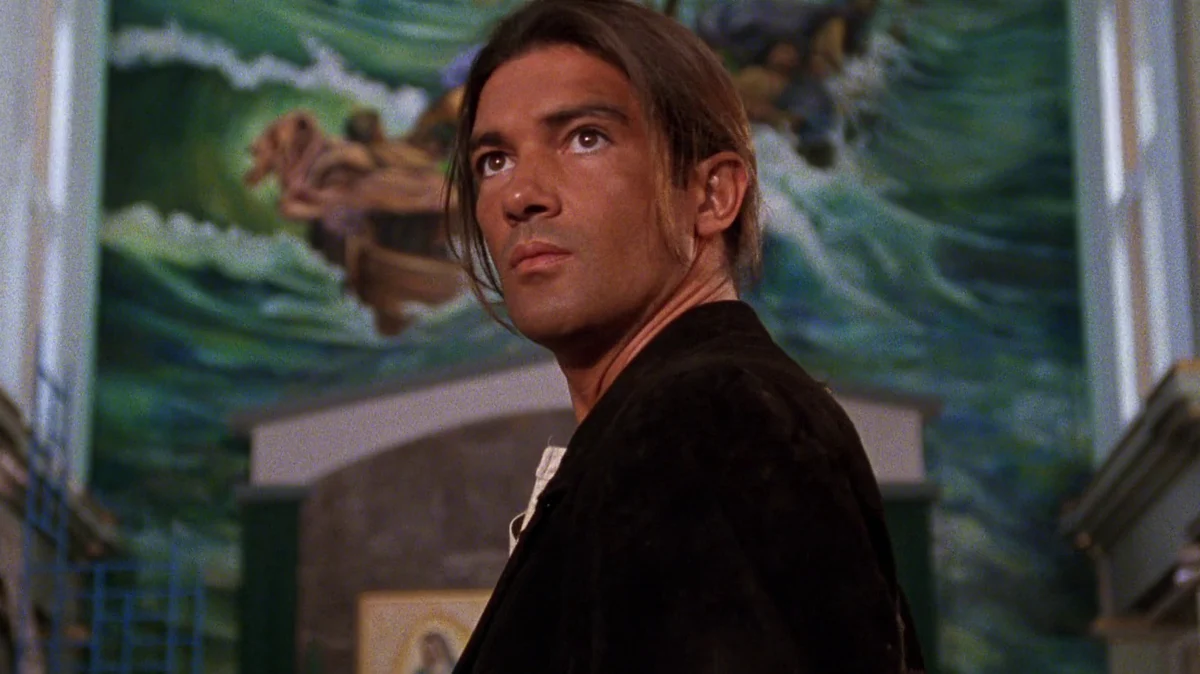
More than three decades after it first redefined the parameters of independent action filmmaking, Robert Rodriguez’s explosive 1995 neo-Western Desperado has found a new home on Amazon Prime Video, inviting both nostalgic fans and a fresh generation of viewers to revisit its operatic violence, effortless cool, and blistering pacing. Starring Antonio Banderas in the iconic role of the wandering, guitar-case-toting gunfighter known only as El Mariachi, and featuring a breakout, star-making performance from Salma Hayek, the film remains a definitive high-water mark of 1990s American-Mexican crossover cinema.
Operating as both a sequel and a high-octane stylistic reinvention of Rodriguez’s legendary 1993 micro-budget feature El Mariachi, Desperado elevated the young director from an indie darling into a bankable Hollywood auteur. Armed with a significantly larger studio budget from Sony Pictures Releasing—though still modest by Hollywood standards—Rodriguez crafted a live-action cartoon of spaghetti Western tropes infused with MTV-era aesthetics, Latin rock rhythms, and relentless gunplay.
Today, the film is celebrated not only for cementing Banderas as an A-list global action star and introducing Hayek to American audiences, but also for its distinctive cultural footprint. In contemporary pop culture retrospectives, Desperado occupies a fascinating space: widely recognized as a formative, visually intoxicating touchstone that dazzled adolescents discovering their cinematic tastes in the mid-90s. As it streams on Prime Video, the film proves that its blend of grit, style, and intoxicating star power has lost none of its punch.
Chronology: The Evolution of the Mariachi Trilogy
To fully understand the cultural impact and production triumph of Desperado, one must trace the chronological trajectory of Robert Rodriguez’s career-defining trilogy, a journey that transformed independent filmmaking lore.
The Genesis: El Mariachi (1993)
The legend of Robert Rodriguez is film school folklore. In the early 1990s, the then-23-year-old Texan filmmaker raised a mere $7,000—largely by participating as a medical test subject for pharmaceutical trials in Austin. With this shoestring budget, a 16mm camera, and a cast composed almost entirely of nonprofessional actors (with Carlos Gallardo starring as the original El Mariachi and serving as a producer), Rodriguez shot a lean, hyper-violent Spanish-language action film in the border town of Acuña, Mexico.
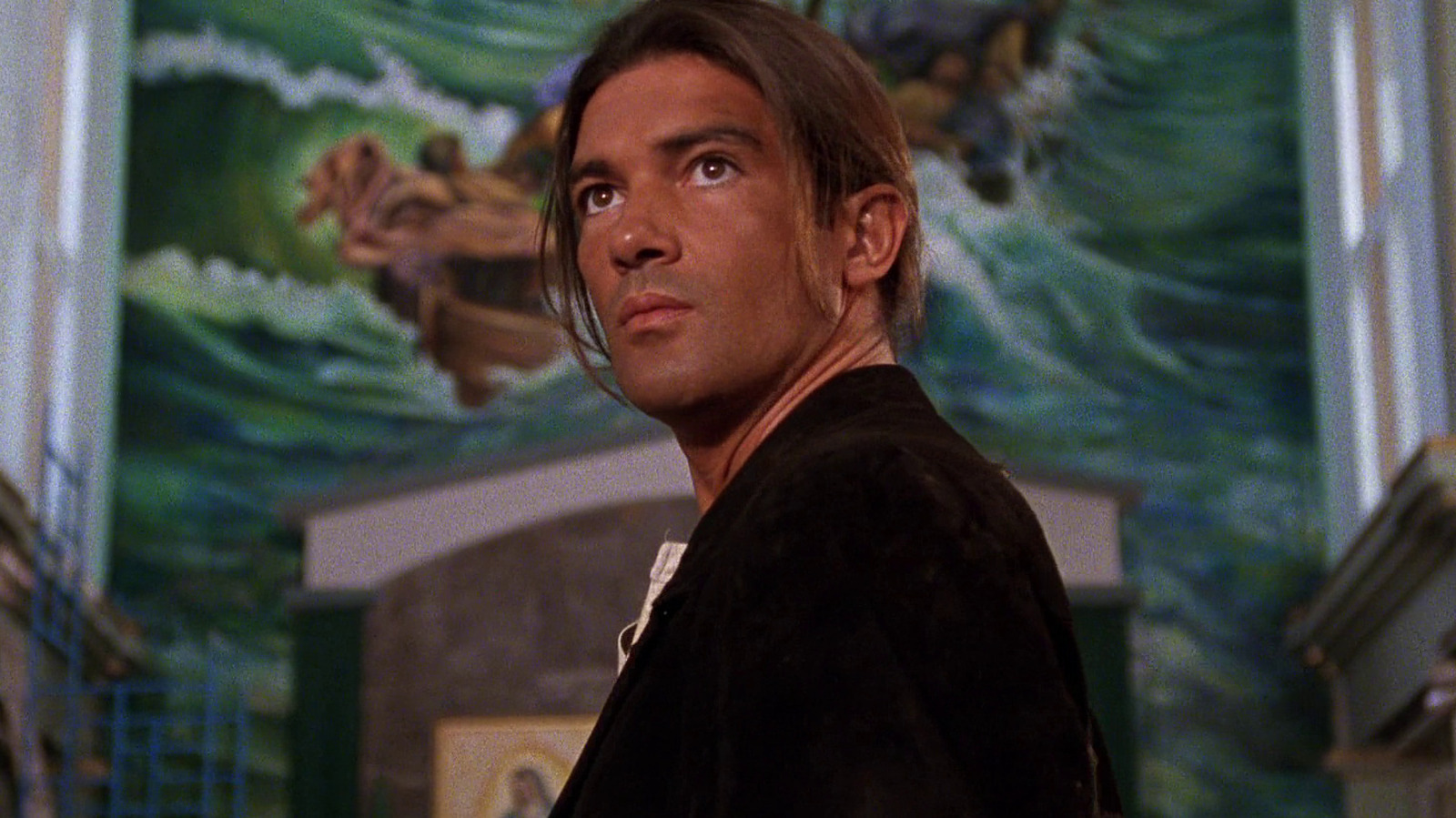
Despite the extreme financial limitations, El Mariachi possessed a raw, kinetic energy that caught the attention of Columbia Pictures. The studio purchased the distribution rights, spent significantly more minting it for a wider theatrical release, and unexpectedly reaped a massive critical and financial return. The film proved that technical ingenuity could triumph over monetary constraints, setting the stage for Rodriguez’s sophomore leap.
The Hollywood Ascension: Desperado (1995)
Emboldened by the success of his debut, Rodriguez was given a proper Hollywood budget estimated between $7 million and $10 million for Desperado. Replacing Gallardo in the lead role with Spanish heartthrob Antonio Banderas—who was then rapidly ascending in American cinema following roles in Philadelphia and Interview with the Vampire—Rodriguez essentially remade his own movie on a grander, slicker canvas.
Desperado maintained the core premise of a musician hunting down the drug lord responsible for the death of his lover and the injury of his hand, but it supercharged every element. The bullet counts skyrocketed, the production design dripped with atmospheric grit, and the supporting cast swelled with high-profile character actors and personal friends of the director. Steve Buscemi opened the film with a darkly comedic monologue in a dusty Mexican bar; Quentin Tarantino—riding high off the cultural tsunami of 1994’s Pulp Fiction—delivered a memorable cameo involving a surreal joke; Cheech Marin brought a weathered authority to a bartending role; and Danny Trejo established his legendary screen persona as an elite, knife-throwing assassin.
The Trilogy Concludes: Once Upon a Time in Mexico (2003)
Following Desperado, Rodriguez’s career expanded exponentially. He directed the cult horror-action hybrid From Dusk Till Dawn (again collaborating with Tarantino), broke box office records with the family-friendly Spy Kids franchise, and pioneered digital filmmaking with The Faculty and Sin City.
However, he returned to his roots nearly a decade later to complete the narrative arc started in 1993. Once Upon a Time in Mexico (2003) rounded out the trilogy, bringing back Banderas and Hayek alongside a sprawling, all-star ensemble featuring Johnny Depp, Eva Mendes, Willem Dafoe, and Enrique Iglesias. While the final installment leaned heavily into convoluted political intrigue and expansive set-pieces, it permanently anchored Desperado as the undisputed crown jewel of the cinematic saga.
Supporting Data: Box Office, Ratings, and Critical Reception
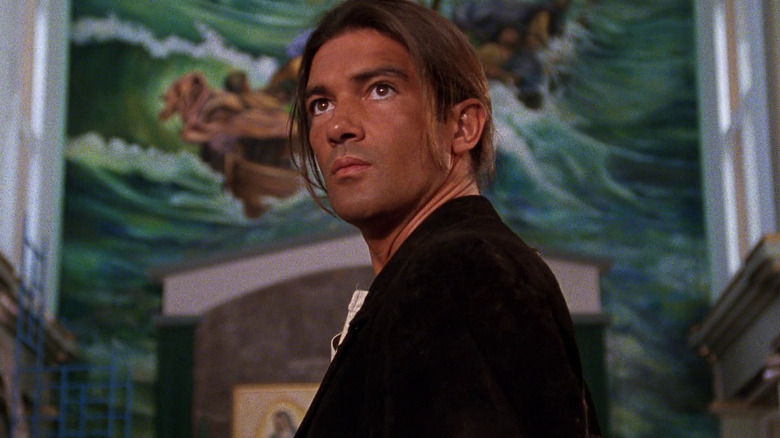
While Desperado was never a monolithic domestic box office monster, it performed respectably and established a long-tail legacy through home video sales, cable television syndication, and streaming platforms.
- Critical Consensus: On Rotten Tomatoes, Desperado holds a solid 71% approval rating based on 56 professional reviews, indicating a generally favorable, if occasionally divided, critical response upon its theatrical release.
- The Ebert Critique: Legendary film critic Roger Ebert awarded the film two out of four stars. While Ebert was profoundly impressed by Rodriguez’s technical mastery—drawing favorable comparisons between the young director’s framing, lighting, and rhythmic editing and the legendary works of Sergio Leone and Clint Eastwood—he lamented a perceived emotional hollowness in the narrative. Ebert wrote that while he was repeatedly dazzled by the "fanciful staging of action scenes," he "never for a moment cared about the characters," viewing the plot merely as a convenient scaffolding for operational violence.
- Audience Reception: Conversely, the film struck an immediate chord with younger demographics, particularly college students and midnight-movie enthusiasts. Its posters adorned dorm rooms throughout the late 1990s, and its soundtrack—featuring fiery acoustic guitar work and Latin rock—became a staple of alternative music collections.
Behind the Scenes and Official Responses: Overcoming Production Trials
The sleek, effortless veneer of Desperado belied a grueling physical and emotional production reality for its principal cast members, details of which have emerged through retrospective interviews over the years.
Salma Hayek’s Ordeal During the Intimacy Sequence
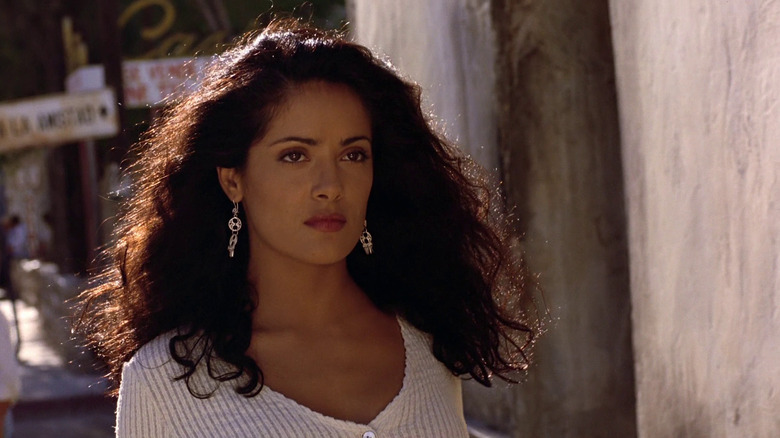
For Salma Hayek, who portrayed the fiercely independent bookstore owner and apothecary Carolina, Desperado was her major Hollywood breakout. However, shooting the film’s intimate love scene with Antonio Banderas proved to be a deeply traumatic and stressful experience for the young actress.
In later interviews, Hayek revealed that she was profoundly uncomfortable with the scripted nudity and wept openly throughout the filming of the sequence. Despite her distress, she was quick to praise both Antonio Banderas and Robert Rodriguez for their professionalism, noting that they were entirely kind, polite, and respectful, never placing undue pressure on her. Her primary anxieties were rooted in personal modesty and cultural apprehension—specifically, the dread of her father watching the film and the embarrassment it might cause her family. In a classic Hollywood anecdote, Hayek also recounted mistaking a glowing review calling her a "bombshell" for a declaration that the movie was a box office "bomb," causing her momentary heartbreak before the terminology was clarified.
Antonio Banderas Risks It All
Antonio Banderas similarly threw his physical well-being into the production, performing dangerous, slapdash stunts in an era before digital safety nets were fully integrated into mid-budget action filmmaking. The actor frequently put himself directly in the line of fire to achieve Rodriguez’s vision of kinetic, live-action chaos, contributing heavily to the authentic, sweaty, bruised realism that anchors the film’s high-stakes atmosphere.
Implications: The Legacy of Desperado in Modern Cinema
The enduring presence of Desperado on modern streaming services like Prime Video underscores a broader shift in how audiences consume action cinema. In an era dominated by CGI-heavy superhero blockbusters and sterile digital cinematography, films from the 1990s like Desperado represent a tangible, analog-heavy craftsmanship that filmmakers and cinephiles increasingly yearn to replicate.
1. The Blueprint for Indie-to-Studio Pipelines
Robert Rodriguez proved that the "calling card" short or micro-budget feature could be a viable entry ticket to major studio filmmaking. His early success paved the way for a generation of independent filmmakers who utilized technological democratization to leap from garage aesthetics to studio backlots.
2. Redefining the Modern Western
By translating the classic tropes of the American Western and the Italian Spaghetti Western into a contemporary Mexican border setting, Desperado helped modernize a genre that many critics had declared dead by the close of the 20th century. Its DNA can be seen in subsequent hyper-stylized action franchises, from the John Wick series—which shares Desperado‘s dedication to gun-fu choreography and world-building underworlds—to modern revisionist border thrillers.
3. Representation and Star Power
At a time when Hollywood was deeply constrained in its casting of Latino actors in leading action roles, Banderas and Hayek commanded the screen with a magnetic, charismatic energy that defied traditional studio archetypes. Their dual star turns proved that international crossover talent could anchor major American commercial cinema with style, wit, and unmistakable gravity.
As Desperado streams on Prime Video, it offers viewers much more than a routine action nostalgia trip. It stands as a monument to a unique moment in 1990s filmmaking—a time when boundless ambition, rock-and-roll attitude, and pure cinematic bravado could turn a few million dollars into an immortal piece of pop culture history.
