
The Death of the Blue Link: How Answer Engine Optimization (AEO) is Rewriting the Rules of Digital Visibility
By Brandon Bankston, Senior Media Coach at Media Minefield
Enriched & Expanded Edition
Main Facts: The Paradigm Shift from SEO to AEO
For nearly thirty years, the rules of digital marketing were governed by a singular, immutable goal: rank high on Google, secure the blue hyperlink, and drive traffic back to your website. Today, that foundational architecture of the internet is collapsing under the weight of artificial intelligence.
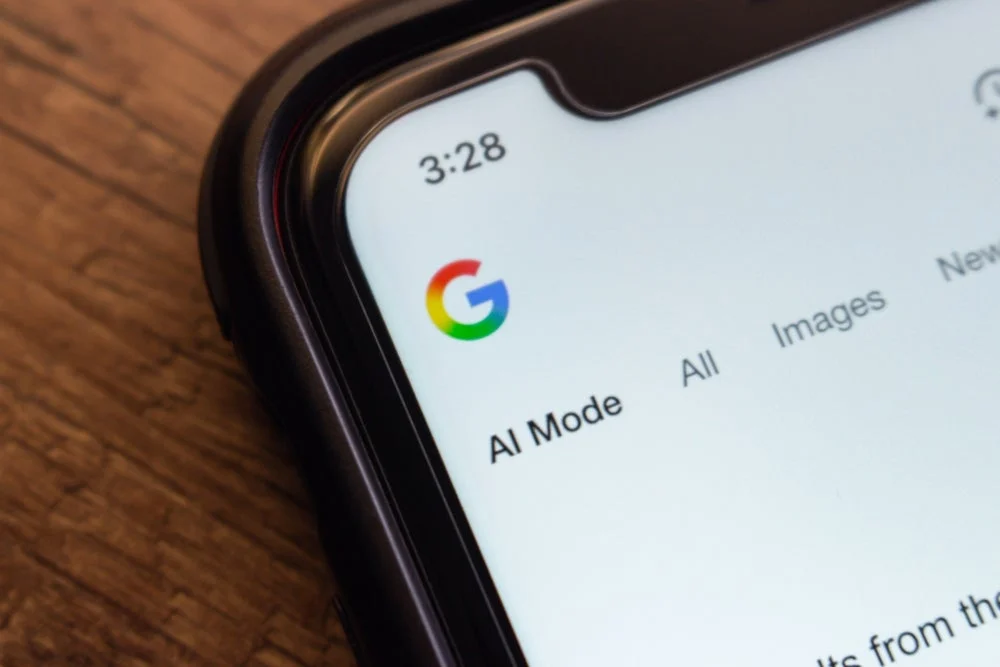
The traditional era of Search Engine Optimization (SEO)—built on keyword density, metadata tinkering, and backlink strategies—is rapidly being supplanted by AEO (Answer Engine Optimization). In the modern digital ecosystem, users no longer want to browse a list of ten blue links to piece together an answer. Instead, they rely on generative AI summaries, conversational search assistants, and automated zero-click interfaces that deliver synthesized answers instantly at the top of the screen.
The statistics underlying this transition are nothing short of sobering for modern enterprises. Recent marketing research reveals that a staggering 68% of all Google searches are now "no-click" events. Consumers are entirely content reading the AI-generated overview provided at the top of the search engine results page (SERP), satisfying their query without ever visiting an external website.
Compounding this challenge is the distribution of the remaining 32% of searches that do result in a click. Just over 27% of those clicks are funneled into ecosystems controlled directly by Google’s parent company—such as deeper interactions within full AI-mode interfaces—rather than independent publisher sites or corporate homepages.
Ultimately, this means that less than a quarter of web searches relevant to a typical business result in direct exposure to independent websites. If your brand’s content is not structured to be understood, synthesized, and trusted by artificial intelligence algorithms, you are effectively invisible to more than two-thirds of your potential market.
Chronology: From Academic Curiosities to AI-Dominated Discovery
To understand how the digital marketplace arrived at this existential crossroads, it is instructive to look back at the historical evolution of online search.
1994–2000s: The Dawn of Public Discovery
The internet’s commercial explosion began in earnest in 1994 when a small, relatively unknown startup called Yahoo! debuted an easy-to-use directory and search engine. For the first time in history, novice internet users who did not possess specialized technical knowledge or direct URLs were able to discover information regardless of where it was hosted.
Platforms like Yahoo!—and shortly thereafter, Google—fundamentally revolutionized the public-facing internet. They transitioned the web from a niche, text-based curiosity populated primarily by academics, government researchers, and computer hobbyists into the largest, most dynamic center of commerce the world had ever witnessed.
The Rise of SEO
As the web commercialized at breakneck speed, the rules of digital survival shifted. It quickly became vital for every enterprise—from multinational conglomerates to local mom-and-pop shops—to establish a web presence. However, simply having a website was insufficient; businesses needed to ensure their pages were discoverable by potential customers navigating an exponentially growing sea of data.
Thus, companies began tailoring their content to attract the algorithmic attention of search engines. Thus was born Search Engine Optimization (SEO). For nearly three decades, SEO remained an undisputed fact of corporate life, dictating marketing budgets, web design, and content creation strategies.
2020s: The AI Disruption
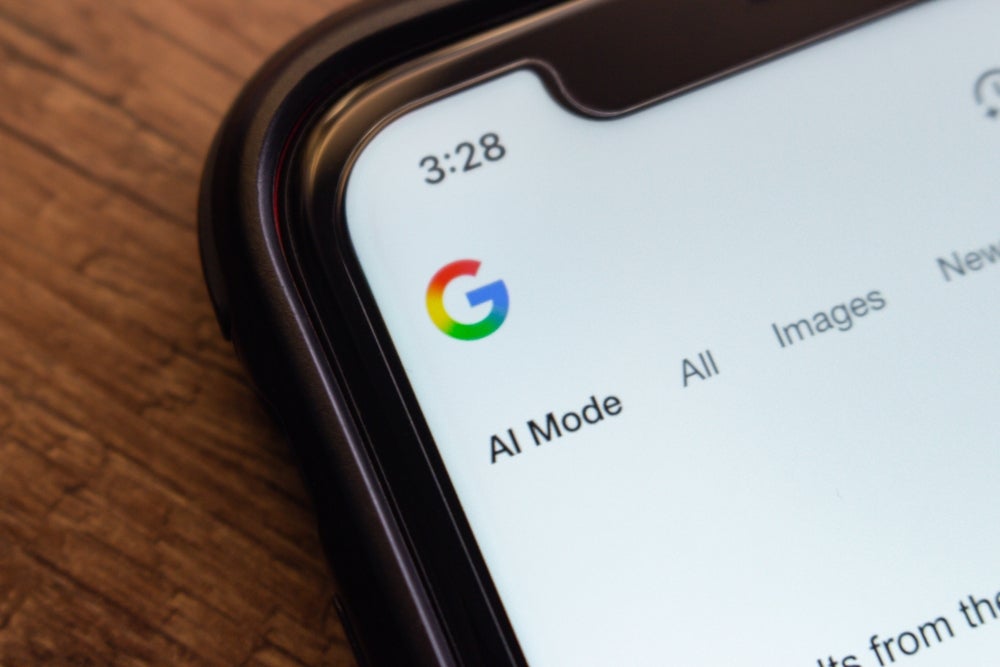
As large language models (LLMs) and conversational search capabilities matured, the traditional search paradigm reached its breaking point. Users shifted away from stringing together fragmented keywords ("best widgets for small business") toward asking complex, conversational questions ("What is the most durable widget for a small retail shop operating in cold climates?").
In response, search engines evolved from matching keywords to synthesizing comprehensive answers. This structural shift rendered traditional SEO tactics insufficient, paving the way for the current era of Answer Engine Optimization.
Supporting Data: Decoding the "No-Click" Economy
The numbers driving the AEO revolution paint a clear picture of shifting consumer behavior. Brand visibility is no longer measured solely by impressions or rank on a search results page, but by synthesized inclusion—whether an AI model references your brand within its generated response.
[Total Web Searches]
       │
       ├── 68% ──> No-Click Searches (Satisfied entirely by AI summaries)
       │
       └── 32% ──> Click-Through Searches
                     ├── 27%+ ──> Trapped within Google/AI ecosystems
                     └── <23% ──> Direct traffic to independent websites
Key Metrics Impacting Brand Visibility:
- 68% No-Click Rate: The vast majority of search queries conclude without a single outbound click to a brand’s website.
- <25% Direct Exposure: Less than a quarter of relevant searches result in users actively landing on an independent business, blog, or news site.
- The Trust Deficit: Audiences are increasingly skeptical of purely promotional content, placing higher value on third-party validation that AI algorithms scrape and aggregate to form their summaries.
Official Responses and Industry Insights: What AI Searches For
Marketing executives, public relations professionals, and search engineers are actively recalibrating their strategies to align with how modern AI models evaluate trust and authority. Unlike legacy algorithms that relied heavily on keyword frequency and exact-match strings, generative AI looks for deeply structured, highly credible, and logically consistent information across the web.
1. Multi-Source Credibility Validation
AI search engines do not rely on a single domain to formulate an answer. They cross-reference multiple sources to verify facts. Credible digital footprints now require:
- Industry Publication Mentions: Appearing in niche trade journals and vertical-specific publications carries immense weight. Even if a niche publication has a smaller direct readership, the content it produces is frequently scraped and synthesized by AI models answering user queries. Therefore, earned media in specialized outlets can be exponentially more valuable than generic mainstream coverage.
- Consistent Cross-Platform Messaging: If an AI model finds conflicting narratives about a brand across its owned website, social media channels, and third-party reviews, its confidence score drops. While communicators do not need to repeat brand copy verbatim, their core messaging must be harmonious across all touchpoints.
2. The Anatomy of AI-Optimized Content
Writing for an AI answer engine requires abandoning outdated habits and embracing structural clarity:
- Banishing Keyword Stuffing: Legacy practices like keyword stuffing are instantly flagged by AI models as low-effort, spammy artifacts. Far from boosting visibility, stuffing text with repetitive phrases acts as a red flag that signals the content lacks substantive value.
- Precision Over Generalization: AI models favor factual specificity. For example, stating "most searches are no-click" is vague; citing "68% of Google searches are no-click" signals to an algorithm that the text is grounded in verifiable, authoritative data.
- Directness and Conciseness: AI is designed to deliver solutions, not philosophical backstories. Content creators must get straight to the point. Long-winded introductions, excessive preamble, and buried answers cause AI systems to bypass the source in favor of more direct, concise competitors.
Implications: Balancing Algorithms and Human Readers
The rise of Answer Engine Optimization presents a profound strategic paradox for content creators and public relations professionals: How do you optimize for an algorithm without alienating the human being reading the final product?
While it is tempting to hyper-optimize content strictly for machine readability—focusing exclusively on structured data, bullet points, and robotic syntax—doing so risks alienating the actual potential clients who ultimately make purchasing decisions.
When a user does click through to a website from an AI summary, they arrive with a degree of skepticism. If they find a cold, sterile, algorithm-gamed text block devoid of human nuance, voice, or empathy, trust evaporates immediately.
Strategic Imperatives for Brands:
- Structure for the Machine, Write for the Human: Build your content framework with clear headings, precise data points, and direct answers to satisfy AI scrapers, but maintain an engaging, professional journalistic tone that resonates with human readers.
- Diversify Earned Media Strategies: Recognize that PR is no longer just about driving direct website traffic; it is about establishing a robust, multi-channel digital footprint that AI models recognize as an undeniable consensus of industry authority.
- Audit for Consistency: Regularly audit your digital presence—owned sites, earned media, partner blogs, and social platforms—to ensure that your brand positioning, product claims, and messaging remain entirely synchronized.
Conclusion
The transition from SEO to AEO is not a temporary trend; it is a permanent evolution in how humanity accesses information. Brands that adapt by embracing data-driven precision, multi-source consistency, and clear, concise storytelling will thrive in the age of generative search. Those that cling to outdated keyword tactics risk fading into digital obscurity—because in the modern marketplace, if the AI cannot find you, no one else will.
About the Author: Brandon Bankston is a Senior Media Coach at Media Minefield, specializing in modern media strategy, brand visibility, and navigating the evolving digital landscape.
