
The New Titan: How Skydance’s $111 Billion Acquisition of Paramount and Warner Bros. Discovery Redefines Hollywood
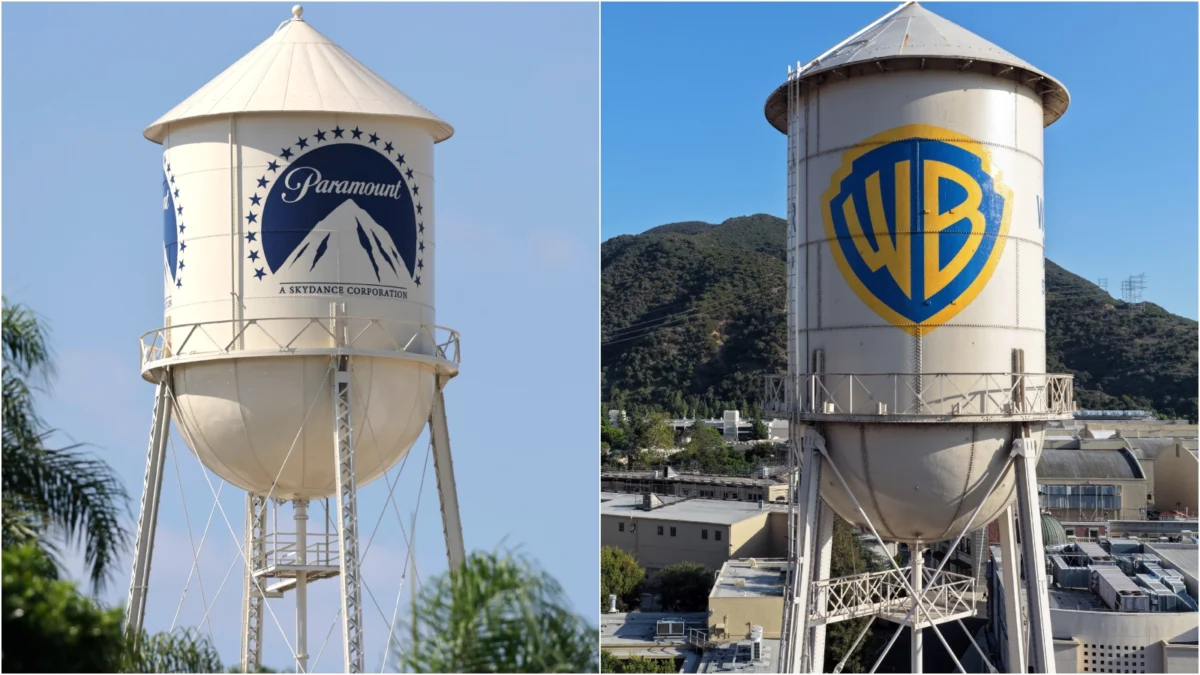
In a move that marks the most significant consolidation in the history of the entertainment industry, the long-gestating merger between Paramount, Warner Bros. Discovery (WBD), and Skydance has officially reached its conclusion. As of October 6, the three-way integration—valued at a staggering $111 billion—has been finalized, creating a new media behemoth that will operate under the banner of Skydance. This seismic shift not only reshapes the competitive landscape of Hollywood but also tests the limits of vertical integration in an era defined by the decline of linear television and the aggressive expansion of tech-driven streaming giants.
The Chronology of a Mega-Deal
The path to this historic completion was anything but linear. The saga began in earnest in February, when the initial framework for the deal was unveiled, triggering a cascade of regulatory scrutiny, intense boardroom maneuvering, and public outcry.
Throughout the spring and summer, the transaction faced significant headwinds. A coalition of 12 states, spearheaded by California Attorney General Rob Bonta, launched an antitrust lawsuit aimed at stalling the merger. The state regulators argued that the combination of Paramount and Warner Bros. Discovery would create an untenable monopoly over theatrical distribution and cable assets, effectively stifling competition and harming consumer choice.
To clear these hurdles, Skydance—led by David Ellison—had to navigate a complex political landscape, including delicate negotiations with the incoming Trump administration. While the creative community expressed widespread concern regarding the potential for job losses and the erosion of artistic diversity, Ellison successfully courted powerful allies. The deal eventually garnered the public endorsement of industry titans including Tom Cruise and James Cameron, as well as the collective support of major theater chains, who saw the stability of a consolidated studio system as a necessary hedge against the unpredictability of the post-pandemic market.
Financial Architecture and Operational Strategy
The sheer scale of the new Skydance is difficult to overstate. With nearly $70 billion in annual revenue, the company now commands two legacy film studios, two major streaming platforms, an extensive portfolio of cable networks, premium sports rights, the CBS broadcast network, and the influential news outlets CNN and CBS News.

However, the acquisition comes with a massive burden: approximately $80 billion in debt. To manage this, Ellison has appointed former Mattel CEO Ynon Kreiz as co-CEO, a move widely interpreted as a signal that the company will prioritize aggressive cost-cutting and fiscal discipline. Ellison has already publicly identified more than $6 billion in potential "synergies"—industry parlance for the streamlining of operations—to be realized over the next three years.
As of Tuesday, the financial transition is complete: Warner Bros. Discovery stock has ceased trading on the NASDAQ, replaced by the emergence of Skydance Class B shares on the New York Stock Exchange under the ticker symbol "SKYD." Shareholders of WBD were bought out at a price of just over $31 per share.
Leadership Shakeups and the New Power Structure
With the merger finalized, Skydance has unveiled a sweeping organizational chart that reflects a consolidation of power.
- Executive Leadership: David Ellison assumes the role of Chairman, with Ynon Kreiz serving as co-CEO.
- Streaming & Television: Casey Bloys, a veteran of the HBO ecosystem, will lead the combined streaming division following the departure of Cindy Holland. George Cheeks takes the helm of Skydance TV, overseeing a massive portfolio that includes Warner Bros. Television, CBS Studios, and Paramount Television Studios.
- Film Division: Dana Goldberg and Josh Greenstein, the architects of Paramount Pictures, have been named Co-Chairs of the Skydance Motion Picture Group. This move leaves notable gaps, specifically the exit of Warner Bros. film chiefs Michael De Luca and Pamela Abdy.
- News & Studio Brands: James Gunn and Peter Safran remain in place to lead DC Studios, maintaining continuity for the company’s most valuable superhero intellectual property. Mark Thompson continues his leadership of CNN, while Bari Weiss has been appointed to lead CBS News, ending the dual-oversight model that many had speculated would be unsustainable.
Regulatory Compromises and Mandatory Commitments
The antitrust settlement that allowed the merger to proceed was not without its conditions. The agreement binds Skydance to a series of performance mandates for the first five years of the transaction. These terms, designed to appease regulators and labor groups, include:
- Production Volume: The company must maintain a commitment to release between 30 and 32 feature films annually. Failure to meet these quotas will trigger significant financial penalties.
- Domestic Investment: Skydance has pledged to invest $300 million annually in domestic production, ensuring that the merger does not lead to a flight of jobs or infrastructure away from the United States.
- Indie Support: A dedicated fund of $5 million per year has been earmarked for the acquisition and support of independent films, a gesture aimed at preserving the "creative soul" of the industry.
- Divestiture: The company is required to divest its ownership of the Miramax film studio to mitigate market concentration concerns.
Implications for the Future of Hollywood
The success of this merger remains the most debated topic in Hollywood. Skeptics point to the history of media mergers—often characterized by bloated debt, internal cultural clashes, and the eventual spinning off of underperforming assets. Ellison, the son of Oracle founder Larry Ellison, has built his reputation on the success of hits like Top Gun: Maverick and the Mission: Impossible franchise. Yet, he now faces a drastically different set of challenges.

The traditional cable business is in a state of terminal decline, and the theatrical market remains volatile, struggling to reach pre-pandemic consistency. Furthermore, the streaming wars have shifted from a race for subscriber volume to a race for profitability. Even with its massive library and reach, the new Skydance faces a formidable challenge in competing with the limitless resources of tech giants like Apple and Amazon, and the subscriber dominance of Netflix.
In his inaugural address to the company, Ellison struck an optimistic chord: "Today is a historic day, not just for Skydance but for our entire industry. From the start, our ambition was to bring these two storied studios together and create a stronger competitor, with the talent, resources, and reach to tell great stories in every genre, on every platform, for audiences everywhere."
Yet, the shadow of potential layoffs looms large. As the company looks to reconcile its $80 billion debt load, the workforce—particularly within the legacy divisions of Warner Bros.—is bracing for what could be the largest round of staff reductions in the history of the entertainment sector.
Ultimately, the Skydance-Paramount-WBD deal is a gamble on scale. It is a bet that by pooling together the world’s most recognizable intellectual property—from DC superheroes to the Mission: Impossible franchise and the vast HBO library—the combined entity can survive where individual legacy studios might have faltered. Whether this "new" Hollywood will be a beacon of innovation or a cautionary tale of over-leveraged corporate expansion will be determined in the fiscal quarters to come. For now, the dust has settled on the biggest deal of the century, and the industry is holding its breath to see how the new titan performs on the global stage.
