
The Milkman Cometh: How Lucas Kavner and Dylan Dawson’s Action-Comedy Spec Script Conquered Hollywood
Main Facts: The Spec Script Taking Hollywood by Storm
In a market increasingly dominated by intellectual property revivals and safe, algorithm-tested franchises, original comedic voices have found a fierce new champion. Screenwriters Lucas Kavner and Dylan Dawson have sent shockwaves through the industry with their latest feature spec script, a high-concept action-comedy tentatively titled The Milkman.
The 109-page script recently landed at Davis Entertainment—the powerhouse production company behind both the action-packed Predator: Badlands and the razor-sharp black comedy Game Night—sparking a flurry of excitement across executive suites and script-reading circles alike.
Blending the hyper-violent, hyper-focused grief mechanics of modern action hits like John Wick and The Beekeeper with unhinged, meta-referential satire, The Milkman tells the story of an old-school, pastoral dairy farmer who goes on a brutal, one-man rampage against a corrupt corporate conglomerate and social media influencers. The catalyst for this modern urban war? The senseless murder of his beloved cow, Dina—an animal who doubles as his primary confidante and a surrogate for his late wife.
Industry insiders have quickly pointed to the script as a masterclass in high-concept execution, proving that original comedies can still command massive attention when armed with a bulletproof premise, relentless joke-writing, and an unmistakable love for the genres it seeks to lampoon.
Chronology: From Concept to Corporate Acquisition
The journey of The Milkman from a blank page to a major studio-backed option represents the classic, albeit increasingly rare, Hollywood spec script success story.
The Conception and Writing Phase
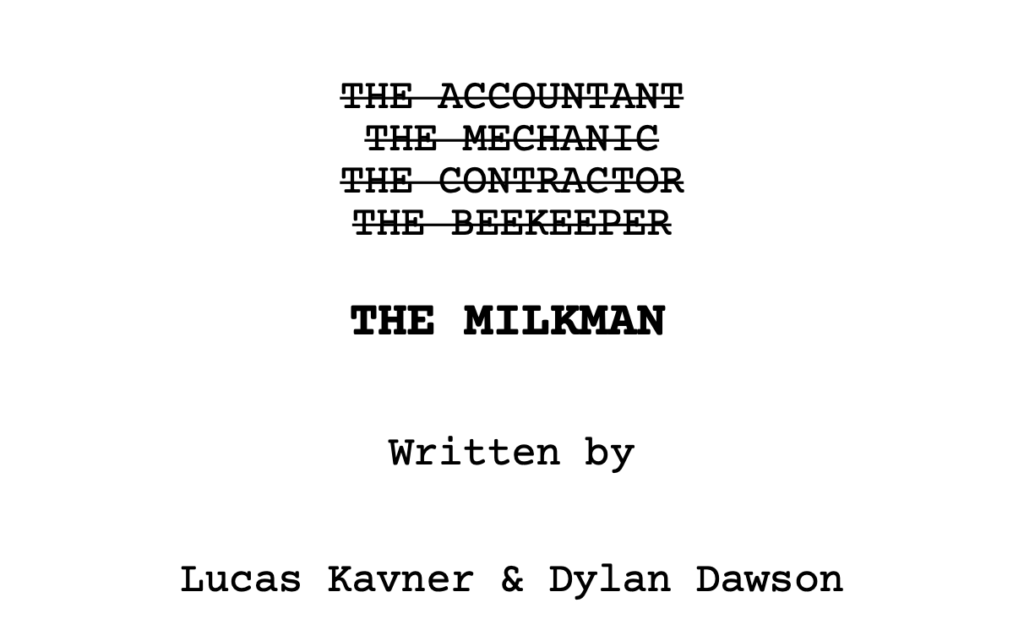
Written by the creative duo Lucas Kavner and Dawson, the script immediately signals its irreverent tone to the reader before a single scene is even described. Reviewers and script analysts have noted that the project displays an unusual dedication to entertainment value from the very first page, setting a comedic tone through creative use of the title page and meta-epigraphs (including a fictionalized quote attributed to actor Jake Gyllenhaal regarding the sanctity of farm-fresh milk).
The Inciting Incident and First Act
The narrative introduces the protagonist—simply known as "The Milkman"—as a relic of a bygone era. Unfamiliar with modern technology like TikTok, his life is entirely devoted to the extraction and delivery of milk. The status quo is violently shattered at a local diner, where the Milkman witnesses a massive internet influencer named "Scronk" publicly humiliating a waitress. Upholding a strict, old-world moral code, the Milkman dispenses instant street justice, beating Scronk’s entourage and forcing the influencer to humiliate himself by drinking a full glass of milk.
Escalation and the Catalyst for Vengeance
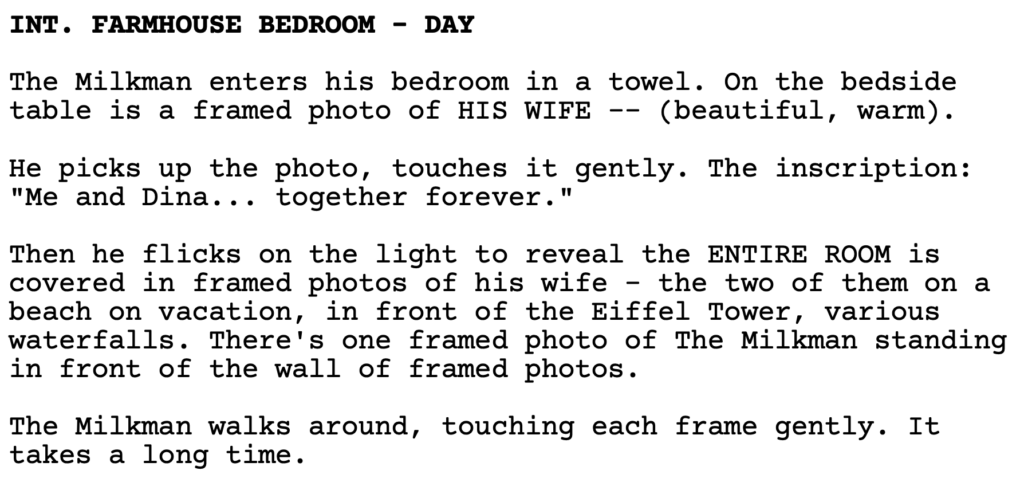
Retaliation is swift. Days later, Scronk and a crew of goons track the Milkman to his farm. While a brutal melee unfolds inside the farmhouse, Scronk slips away to the barn and kills Dina, the Milkman’s prized cow. Grieving the loss of Dina—who is named after his late wife and serves as his emotional anchor—the Milkman arms himself for war.
The Second Act: Infiltration and Absurdist Set Pieces
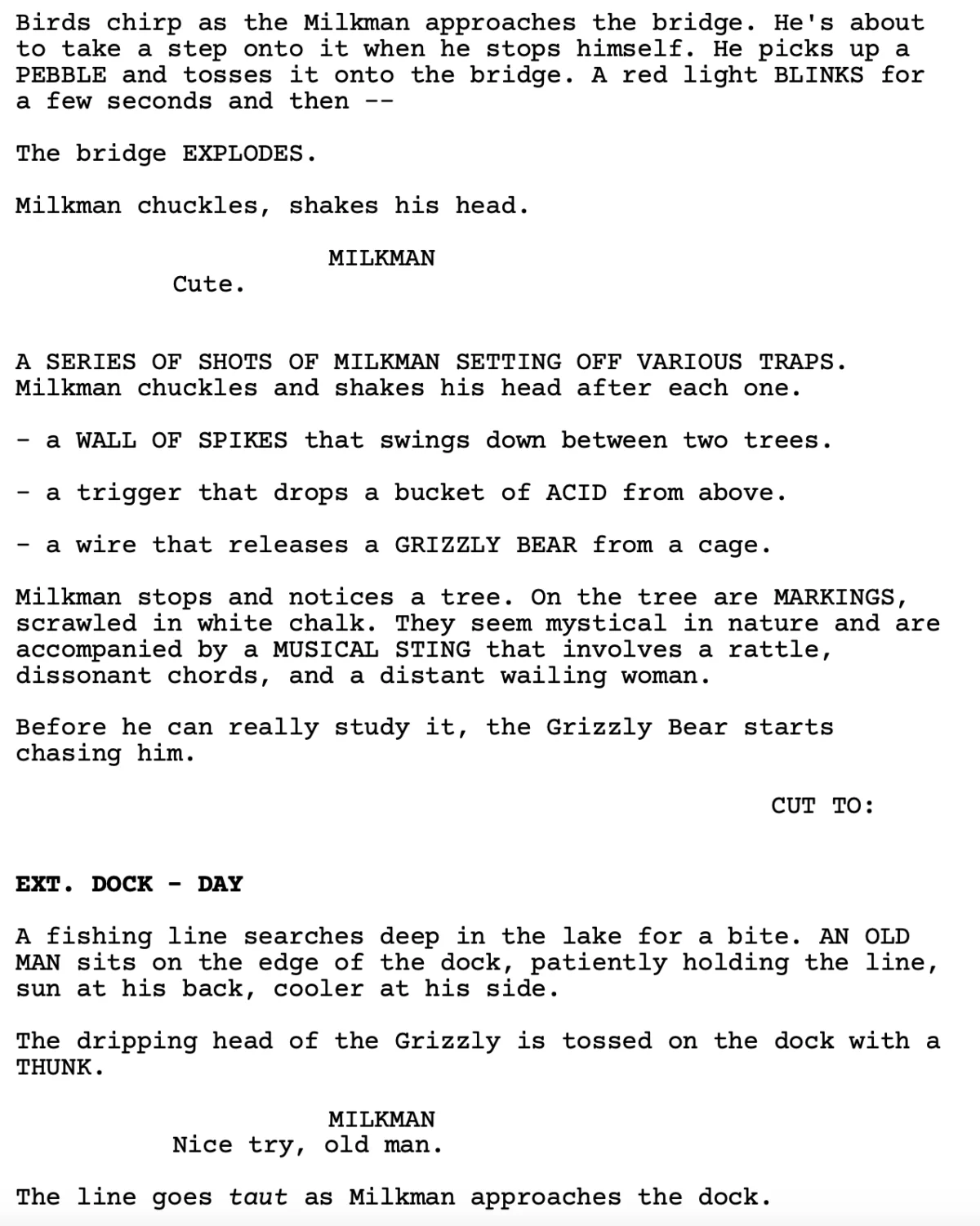
Determined to hunt down Scronk, who is heading to a massive convention in the city, the Milkman consults his stew-obsessed mentor, Creech, navigating a labyrinth of excessively booby-trapped woodland territory. Disguised as a Gen-Z "wood milk" influencer, the Milkman infiltrates the convention. Here, the narrative spirals into pure, chaotic satire:
- Former music icon Moby attempts to purchase the fictional wood milk brand for $30 million, constantly obstructing the Milkman’s path of revenge.
- A high-octane fight sequence breaks out against corporate bodyguards, choreographed entirely to Moby’s 2003 hit single "Porcelain" in a slow-motion, operatic ballet of destruction.
- Scronk meets a poetic end, accidentally falling into a vegan shark tank where the sharks enthusiastically break their dietary restrictions.
The Third Act and Ongoing Threat
Just as the dust settles, a greater threat emerges. Scronk is revealed to be the son of Benedict Valabont, a multi-billionaire online retailer and the original architect behind "The Milkman Directive." Forced to go on the run, the Milkman teams up with a mysterious "bean bag influencer" named Cassie, setting the stage for an impending, milk-soaked cinematic showdown.
Supporting Data: Script Metrics and Structural Analysis
While industry buzz often inflates the quality of early-stage scripts, detailed structural breakdowns of The Milkman highlight specific mechanics that separate it from standard comedy writing.
- Page Count: 109 pages (ideal feature-length pacing for an action-comedy hybrid).
- Production Pedigree: Optioned by Davis Entertainment (Predator: Badlands, Game Night).
- Primary Genre Fusion: Action-thriller pastiche combined with absurdist contemporary satire.
- Running Gags & Meta-Humor: The script relies heavily on over-the-top corporate acronyms that double as character identities. Notable examples include:
- DELIVERY MAN: Deep Extraction Logistics, Intellect, Vigilance, Elimination, Reconnaissance, Yield — Mobile Assault Node.
- ELEVATOR GUY: Elite Level Enhanced Vanguard Agent Trained for Operations, Recon, Guerrilla Undertakings, Yields.
- D.I.A.N.E.: Distractingly Innocent And Normal, Evil.
Structural Critique: Navigating the "Third Quarter" Trap
Despite widespread critical praise—with many calling it one of the funniest scripts to circulate Hollywood in recent years—analysts have noted structural turbulence typical of the comedy-action genre.
A recurring issue identified in script evaluations is the "third-quarter dip." While the first half of The Milkman operates at a breakneck comedic pace, the narrative occasionally stumbles as it maneuvers characters toward its climax. Screenwriting authorities note that the third quarter of any script is historically the least defined in traditional screenwriting pedagogy because it requires the most story-specific plotting. In comedies, this often manifests as a temporary drought of laughs as writers shift focus to plot mechanics. However, critics agree that Kavner and Dawson’s script succeeds far more often than it falters, keeping audience engagement high through inventive set pieces and relentless tonal consistency.
Official Responses and Industry Reception
The acquisition of The Milkman has generated considerable discussion among producers, screenwriters, and script analysts regarding the current state of comedy in Hollywood.
Studio executives have praised the project for bridging a difficult demographic gap. By modernizing the tropes of 1980s and 90s action cinema while skewering contemporary internet culture, influencer economics, and modern wellness trends, the script appeals to both younger, digitally native audiences and older filmgoers nostalgic for unapologetically high-concept action romps.
Furthermore, industry commentators have highlighted the script’s underlying tone as a key factor in its marketability. Rather than writing with cynicism or contempt for the action genre—a common pitfall in modern parodies—Kavner and Dawson reportedly approach the material with genuine affection. By treating absurd premises (such as a vengeful dairy farmer waging war on corporate conglomerates) with deadpan sincerity, the writers create a comedic environment where the stakes feel simultaneously ridiculous and emotionally grounded.
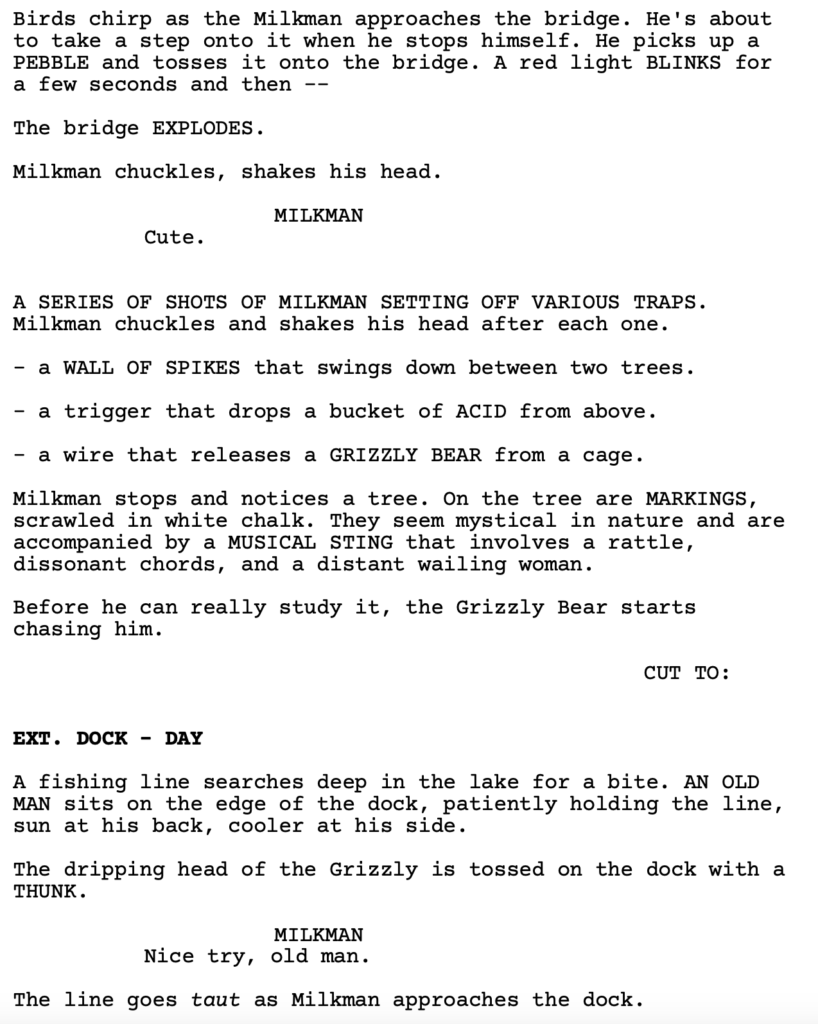
Prominent script-review platforms have awarded the project high marks, categorizing it firmly as "worth the read" and noting that it flirts closely with top-tier comedic greatness.
Implications: What The Milkman Means for the Future of Comedy Specs
The rapid optioning of The Milkman by Davis Entertainment carries several significant implications for the spec script market and the broader comedy landscape:
- A Resurgence for Original High-Concept Comedies: For years, conventional industry wisdom dictated that pure comedies were struggling at the box office unless tied to established intellectual property. The Milkman proves that high-concept, genre-bending hybrids—specifically those pairing comedy with action or thriller elements—can cut through the noise and attract major production entities.
- The Value of Writerly Effort: Script analysts have repeatedly emphasized that the script’s success stems from the authors "working hard before the script even starts"—utilizing every available inch of the screenplay format (title pages, epigraphs, running visual gags) to entertain the reader. This level of craft serves as a wake-up call to emerging screenwriters to elevate baseline scene descriptions into memorable cinematic moments.
- Satirizing the Digital Age: As internet culture, influencer marketing, and corporate wellness trends continue to dominate public discourse, Hollywood is actively seeking material that can intelligently and hilariously poke fun at these modern phenomena. By targeting social media influencers, digital branding, and hyper-niche modern subcultures, The Milkman positions itself at the intersection of contemporary cultural commentary and old-school cinematic carnage.
As The Milkman moves deeper into development under Davis Entertainment, Hollywood will be watching closely to see how this absurd, milk-fueled fever dream translates from the page to the big screen. If the script’s early reception is any indication, audiences can expect a cinematic experience that is rich, frothy, and entirely unpredictable.
