
The Return of the Titans: Why ‘Avengers: Endgame: Encore’ Has Re-Captured the Global Box Office

The Marvel Cinematic Universe (MCU) is experiencing a high-profile resurgence, and it is doing so by looking backward to move forward. Seven years after the original release of Avengers: Endgame—a film that defined the cultural zeitgeist of the late 2010s—Marvel Studios has successfully re-released the epic as Avengers: Endgame: Encore. The move has proven to be a masterstroke of theatrical strategy, catapulting the franchise back to the top of the global box office and serving as a potent reminder of the power of the Infinity Saga.
The Main Facts: A Global Phenomenon Reborn
The "Encore" edition of Avengers: Endgame has dominated the international theatrical landscape, securing the number one spot at the global box office this past weekend. Domestically, the re-release hauled in an impressive $26 million, successfully outperforming new cinematic arrivals such as Heart of the Beast ($20 million) and Primetime ($19.1 million).

When combined with a staggering $60 million international opening, the film achieved a global total of $86 million. This figure marks one of the most successful theatrical re-releases in industry history. The film’s lifetime gross has now climbed to $2.88 billion, narrowing the gap significantly between it and James Cameron’s Avatar ($2.92 billion), reigniting the long-standing debate over which film truly holds the title of the highest-grossing movie of all time.
A Chronological Look at the MCU’s Box Office Trajectory
To understand the significance of this success, one must look at the timeline of the MCU’s recent years.

- 2019: The Peak: Avengers: Endgame served as the emotional and financial climax of the Infinity Saga, breaking nearly every box office record in existence and setting a bar for franchise filmmaking that seemed impossible to clear.
- 2020–2024: The Pandemic and Transition: Following the conclusion of the Infinity Saga, the MCU pivoted to the "Multiverse Saga." While there were successes, the sheer volume of content and the departure from the original core cast led to a cooling effect in the general audience’s fervor.
- 2025: The Year of Calibration: 2025 proved to be a challenging year for Marvel, with several projects failing to meet the massive expectations set by their predecessors. However, the tide began to turn with the massive success of Spider-Man: Brand New Day, which recently eclipsed the $2 billion milestone, proving that when the stakes are high, audiences are still willing to show up in droves.
- 2026: The "Encore" Strategy: The current release of Avengers: Endgame: Encore represents a deliberate bridge between the past and the upcoming Avengers: Doomsday, acting as both a celebration and a marketing funnel for the future of the MCU.
Supporting Data: Why the Math Works
The success of Avengers: Endgame: Encore is not a stroke of luck; it is a calculated execution of audience psychology. Industry analysts point to several factors that made this "Encore" release a financial inevitability:
- The Nostalgia Factor: In an era of streaming, the communal experience of the cinema has become a premium commodity. The seven-year gap is long enough to foster a sense of "longing" for the 2019 era of blockbusters, where the MCU was an undisputed, monolithic cultural force.
- The "Required Viewing" Narrative: The Russo Brothers, returning to the fold, have publicly stated that Endgame is essential viewing for those who want to fully grasp the emotional stakes of the upcoming Avengers: Doomsday. By framing a re-release as a prerequisite for a new blockbuster, Marvel has successfully turned a "re-watch" into a "preparation event."
- Exclusive Value-Add: The inclusion of new, exclusive footage—including updated ending sequences and post-credits scenes that tie directly into the next phase of the franchise—provided an incentive that could not be satisfied by simply watching the film on Disney+ at home.
Official Responses and Strategic Implications
Disney and Marvel Studios have been relatively tight-lipped regarding the long-term goals of the "Encore" series, but the industry impact is clear. By utilizing a "fan-first" strategy, the studio has managed to re-engage a disenfranchised segment of the fanbase.
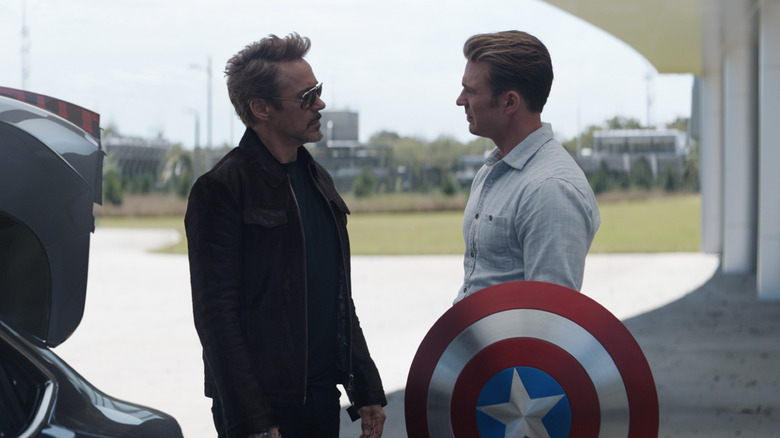
"The success of Endgame: Encore is a testament to the fact that these characters have become modern mythology," says lead entertainment analyst Marcus Thorne. "Disney isn’t just selling a movie; they are selling a memory. And by tethering that memory to the hype of Avengers: Doomsday, they are effectively priming the pump for what they hope will be their next multi-billion dollar hit."
Furthermore, the $50 million in pre-sales already recorded for Avengers: Doomsday—100 days ahead of its release—suggests that the hype cycle is not only active but accelerating. The "Encore" release has served as the perfect accelerant for this momentum, keeping the Marvel brand in the daily conversation of moviegoers and critics alike.
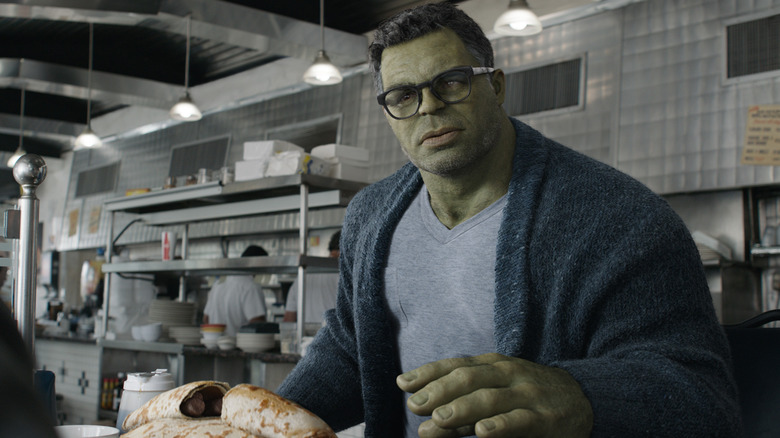
The Broader Implications: Is the Multiverse Saga Finally Finding Its Groove?
The implications of this box office victory are twofold. First, it proves that the "Marvel fatigue" often cited by critics is not a universal phenomenon, but rather a reaction to inconsistent quality. When the "event" is high enough, the audience is still there.
Second, the success of the re-release signals a potential shift in how studios will manage their massive intellectual properties in the future. We may see more "legacy" re-releases designed to bridge the gap between distinct sagas within a cinematic universe.
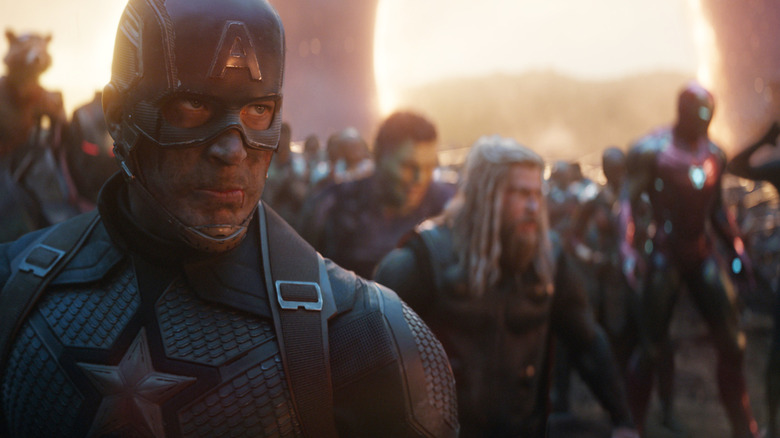
The success of Endgame: Encore serves as a crucial case study in brand management. By acknowledging the past, incorporating it into the future, and maintaining a high standard for theatrical exclusivity, Marvel has proven that the Avengers are not just a team of heroes, but a resilient franchise engine. As the industry looks toward the release of Avengers: Doomsday in December, the question is no longer whether Marvel can reclaim its former glory, but rather how much further they can push the ceiling of what is possible in the modern theatrical era.
The path from Endgame to Doomsday is no longer just a narrative arc; it is a clear, paved road of box office dominance. For now, audiences are enjoying the "Encore," but the industry is watching with bated breath to see if the main event—Doomsday—can actually deliver on the promise this re-release has so effectively built.
