
From Panel to Screen: How a Marvel Masterpiece Inspired a Key Sequence in "G.I. Joe: Retaliation"
Main Facts
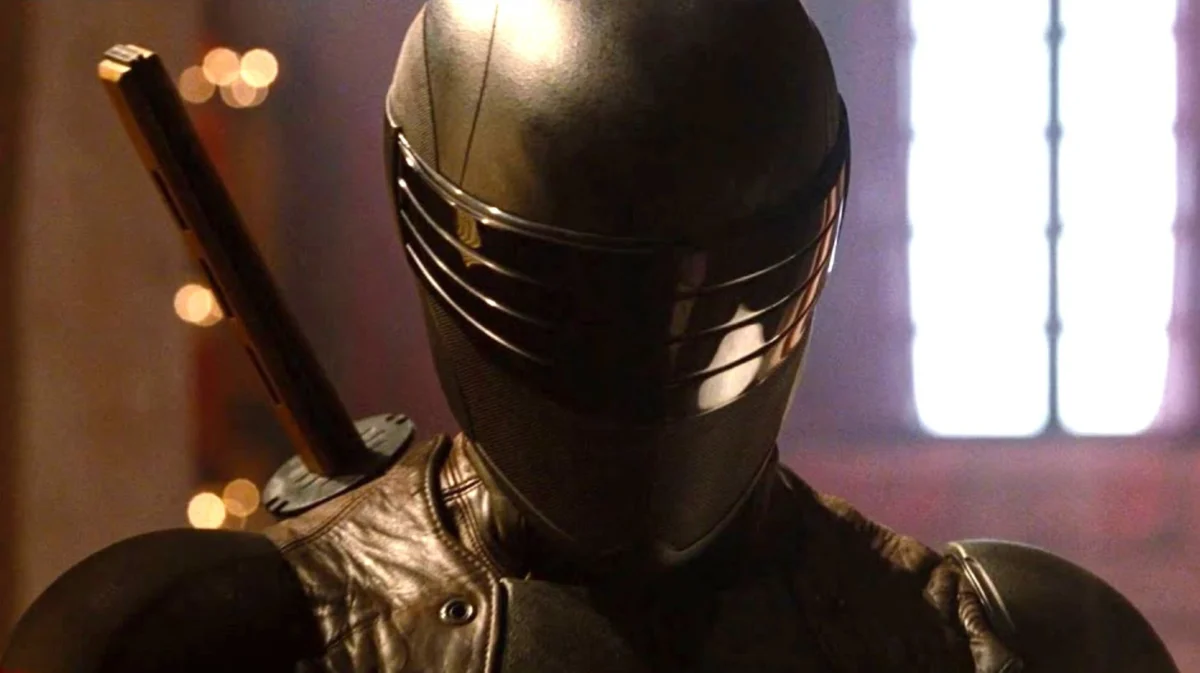
While 2013’s G.I. Joe: Retaliation struggled to capture the critical acclaim Paramount Pictures hoped for, it housed one of the most celebrated nods to comic book history in modern action cinema. Nestled within the poorly-reviewed sequel is a stunning, nearly wordless action sequence set in the snowy peaks of the Himalayas.
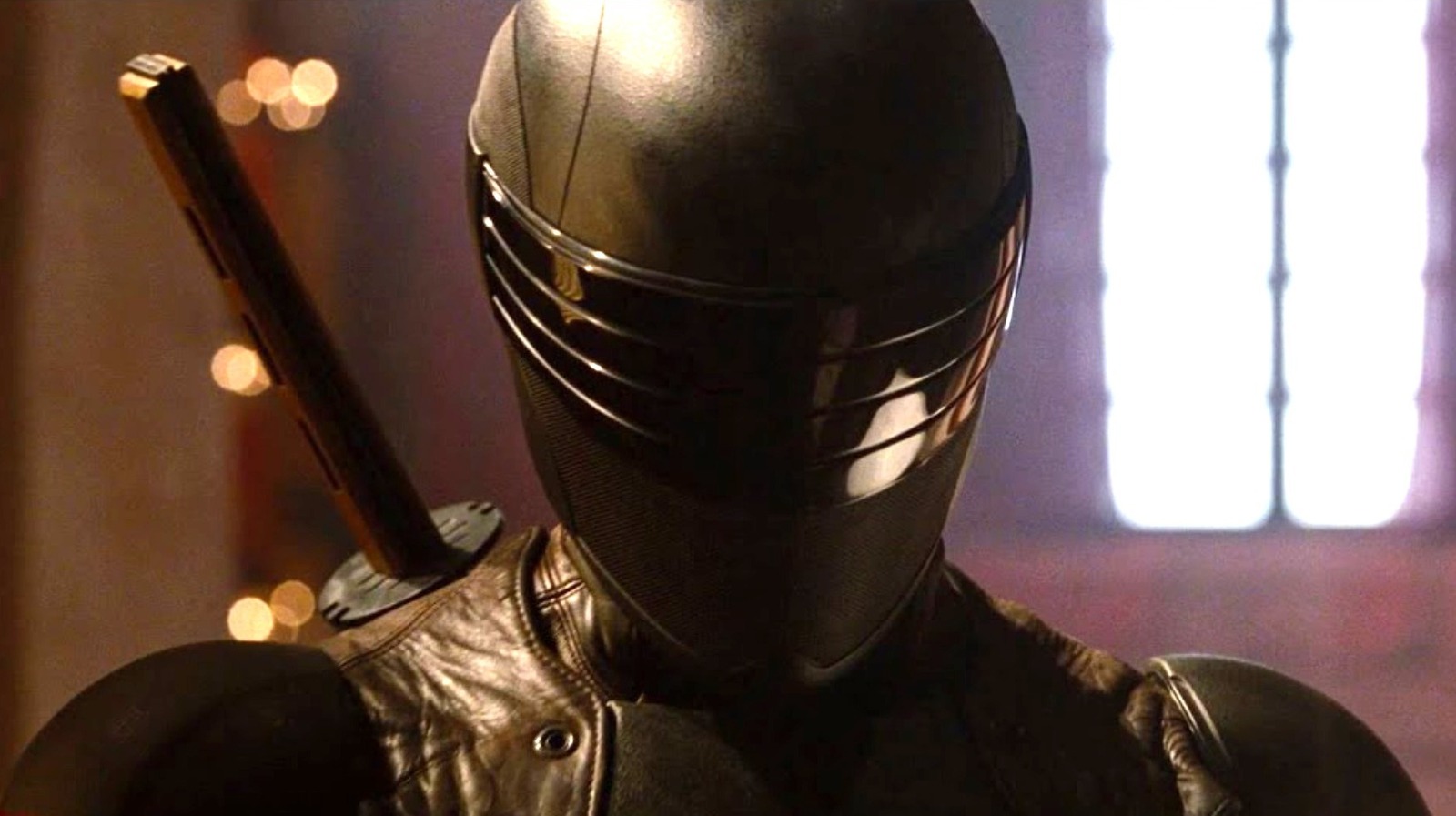
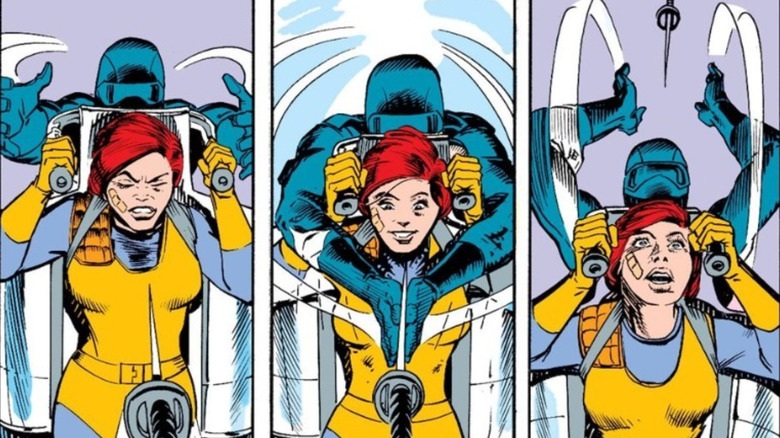
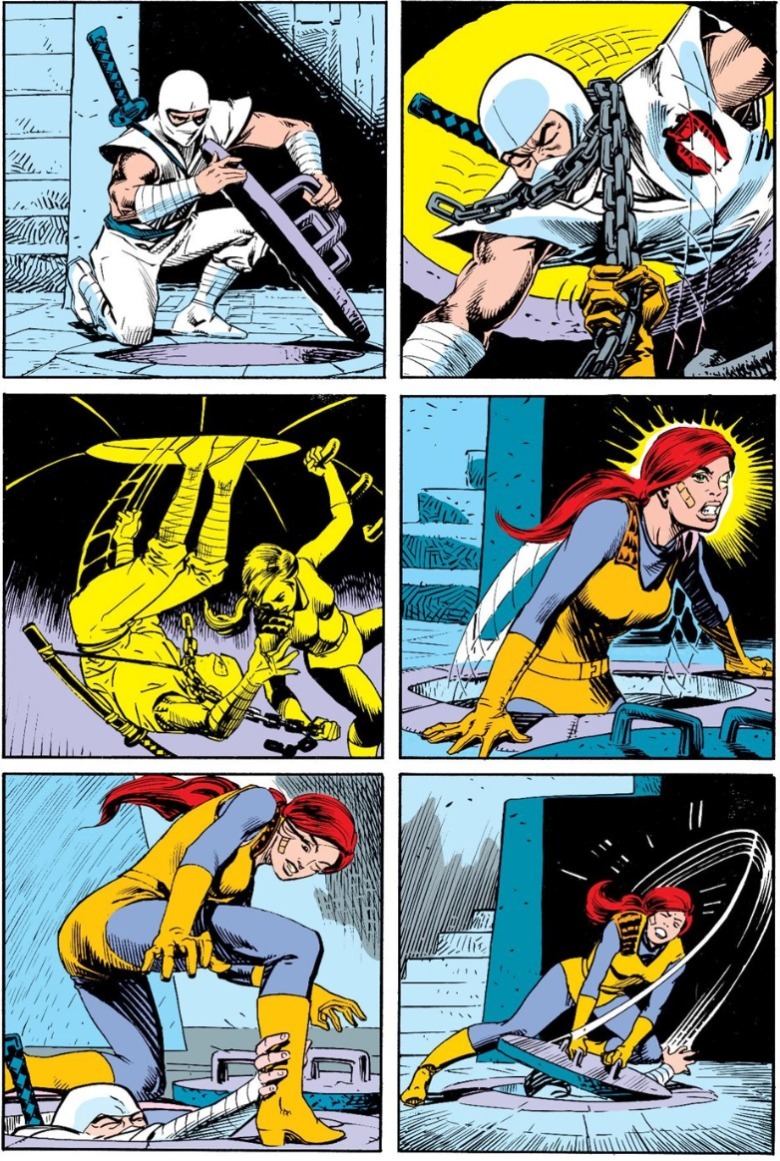
In this sequence, the iconic silent ninja Snake Eyes (played by Ray Park) and his apprentice Jinx (Elodie Yung) infiltrate a mountain fortress to capture Storm Shadow (Lee Byung-Hun), a Cobra agent and alleged traitor to their shared Arashikage Clan. The scene serves as a direct, loving homage to "Silent Interlude," Issue #21 of Marvel Comics’ G.I. Joe: A Real American Hero, written and penciled by legendary creator Larry Hama.
While the film as a whole met a lukewarm reception—mirroring the critical panning of its 2009 predecessor, G.I. Joe: The Rise of Cobra—this specific sequence remains a masterclass in adapting pure visual storytelling from page to screen, showcasing how a happy accident in comic book publishing became a foundational pillar of pop culture.
Chronology: The Evolution of a Legend
To understand the weight of the mountain sequence in G.I. Joe: Retaliation, one must look back at the chaotic origins of the comic book that inspired it and the subsequent cinematic attempts to capture the franchise’s magic.
1984: The Accidental Masterpiece
"Silent Interlude" was never part of some grand, long-term master plan. According to Larry Hama, his editor at Marvel Comics, Denny O’Neil, misplaced an issue draft. This administrative mishap left Hama with a crippling three-week window to conceptualize, script, and pencil an entirely new issue from scratch.
To save precious time, Hama abandoned traditional scripting and simultaneously drew and wrote the book page by page. Because Snake Eyes was already established as a character who famously never spoke, Hama leaned into this constraint, eliminating dialogue entirely. The result was a classic tale of a hero rescuing a captive from a fortress, culminating in a jaw-dropping twist: a final page reveal showing Snake Eyes and Storm Shadow sharing the exact same Arashikage clan tattoo, setting up decades of intricate lore.
2009–2013: The Cinematic Missteps
Paramount attempted to bring Hasbro’s beloved toy line and comic mythology to live-action with G.I. Joe: The Rise of Cobra (2009). Fans and critics alike panned the film for radical departures from the source material (most notably an early draft that almost had Snake Eyes speak as a gag, which was thankfully scrapped after Hama intervened).
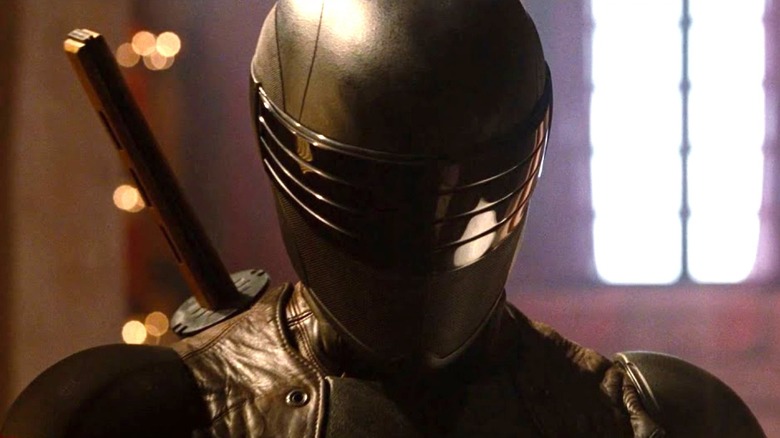
Seeking redemption, Paramount soft-rebooted the franchise with G.I. Joe: Retaliation in 2013. Bringing in a fresh cast and a more grounded approach, director Jon M. Chu spearheaded the production specifically to honor core elements of Hama’s comic run—most notably the legendary ninja feud.
2021–Present: Continued Franchise Struggles
Despite the high-water mark of the Retaliation ninja sequence, the broader cinematic franchise continued to stumble. The 2021 spin-off Snake Eyes failed to ignite the box office, leading to further re-evaluations. Currently, the G.I. Joe movie franchise sits in the hands of actor and filmmaker Danny McBride, a professed superfan of Larry Hama’s original comic run, leaving fans eager to see how future adaptations will handle the rich mythology.
Supporting Data and Production Insights
The creation of the mountain infiltration sequence in G.I. Joe: Retaliation was an exercise in translating purely static, visual storytelling into dynamic motion pictures.
- The Standoff Mechanics: In both the 1984 comic and the 2013 film, the confrontation between Snake Eyes and Storm Shadow eschews standard martial arts film tropes. Director Jon M. Chu framed their hallway standoff using alternating close-ups and long shots, mimicking a classic Western gunslinging duel.
- Prop and Action Parallels: When Storm Shadow unleashes throwing stars, Snake Eyes destroys them with a submachine gun—the exact same firearm he wields in the pages of "Silent Interlude"—forcing the battle into close-quarters, mano-a-mano combat.
- The Escape: Following Jinx’s knockout blow to Storm Shadow, the heroes must navigate a harrowing mountain escape involving a high-speed zipline chase and acrobatic vertical descents.
- The Comic’s Legacy: "Silent Interlude" is widely considered the crown jewel of Hama’s run of over 300 issues. Its influence extends far beyond G.I. Joe; in late 2001, Marvel Comics launched "’Nuff Said," a company-wide event where numerous titles published dialogue-free issues in tribute to Hama’s landmark work. Later, Skybound Entertainment—the current publisher of the G.I. Joe comic license—continued the tradition with dialogue-free one-shots titled "Sssilent Missions."
Official Responses and Creative Intentions
Bringing a culturally sacred comic issue to the silver screen brought immense pressure for the filmmakers behind G.I. Joe: Retaliation.
Director Jon M. Chu opened up about the daunting task in a 2013 interview with USA Today:
"The journey to retain the honor of what ‘Silent Interlude’ is was a challenge."
Chu and his stunt teams sought to respect the rulebook established by Hama, where actions, spatial awareness, and panel-to-panel momentum carry the narrative rather than exposition.
Larry Hama himself has frequently spoken about his unique, organic approach to storytelling, which directly birthed the style of the original issue:
"I don’t really write, I do the whole story in my head as a series of pictures," Hama explained in a retrospective interview. "I write and draw page-by-page, I don’t know what’s on page three until I get to page two."
This organic creation process allowed Hama to naturally stumble onto the iconic Arashikage blood brotherhood twist on the final page, transforming a simple rescue mission into a Shakespearean tragedy of star-crossed ninja brothers divided by a tragic assassination.
Implications for the G.I. Joe Franchise
While G.I. Joe: Retaliation ultimately fell short of winning over the broader cinematic audience—suffering from quick editing that occasionally obscured the intricacies of the fight choreography—the film’s utilization of "Silent Interlude" holds significant implications for how intellectual properties should respect source material.
- Prioritizing Visuals Over Exposition: The success of the mountain sequence proves that modern action blockbusters can slow down and rely on visual choreography, tension, and silence rather than wall-to-wall dialogue and exposition dumps.
- Respecting Fan Heritage: Comic book adaptations live and die by how well they understand the DNA of their source material. Even in an imperfect film, honoring iconic touchstones like Issue #21 buys immense goodwill from core enthusiasts.
- The Path Forward: As Danny McBride takes the reins of the G.I. Joe film universe, the blueprint laid out by Hama—and partially realized by Chu—remains a glowing beacon. Whether future films choose to readapt the Arashikage clan war or chart entirely new territory, the enduring legacy of "Silent Interlude" ensures that the soul of G.I. Joe will always be rooted in the silent, deadly grace of its most famous ninja.
