
Ridley Scott’s Acclaimed War Epic Black Hawk Down Lands on Free Streaming Services
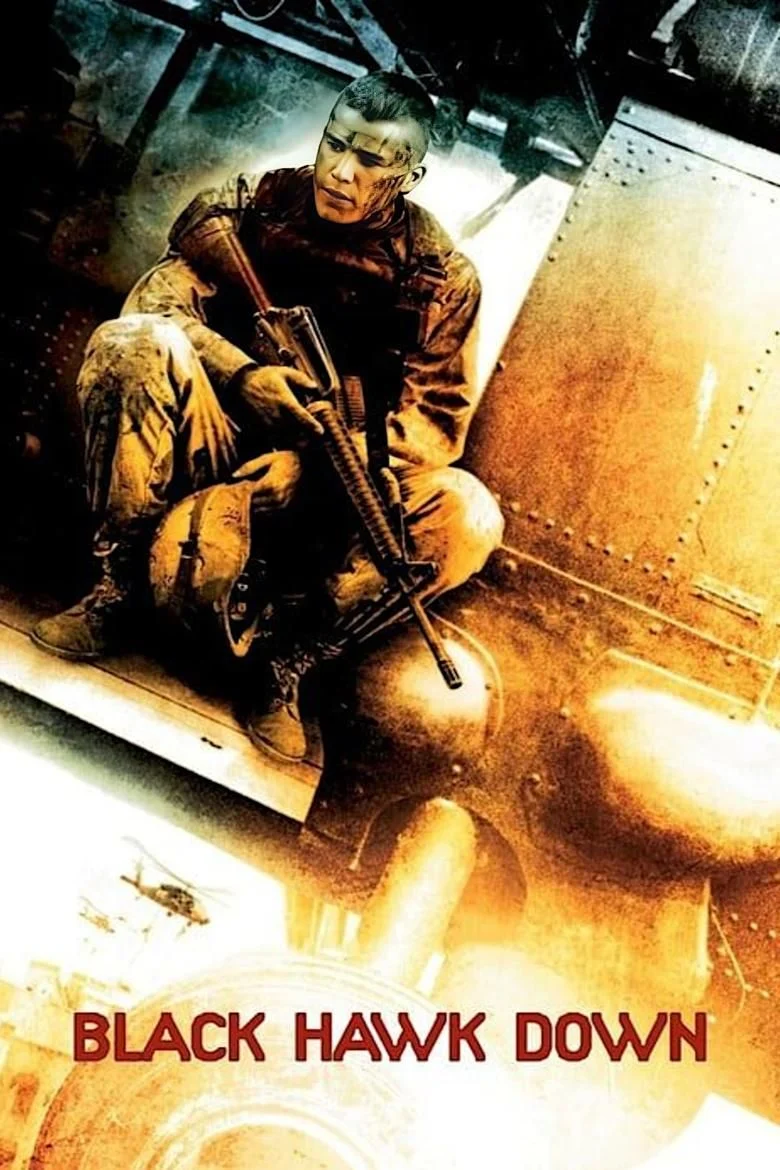
LOS ANGELES — In a move that brings one of the most visceral and technically accomplished war films of the 21st century back into the cultural spotlight, Ridley Scott’s Academy Award-winning combat drama Black Hawk Down has officially arrived on free ad-supported streaming platforms in the United States.
Released to critical acclaim in late 2001, the film cemented Scott’s reputation for orchestrating massive, immersive historical and action epics. Arriving hot on the heels of his monumental historical success Gladiator (2000), Black Hawk Down proved that the director could seamlessly pivot from ancient Rome to modern asymmetric warfare without losing an ounce of cinematic momentum.
Now, viewers looking to experience the relentless, white-knuckle tension of the 1993 Battle of Mogadishu can stream the film completely free via Fandango at Home Free, following its inclusion in the platform’s seasonal October lineup.
Main Facts: A Modern Masterpiece of Combat Cinema
Based on journalist Mark Bowden’s meticulously researched 1999 nonfiction book of the same name, Black Hawk Down dramatizes the harrowing events of October 3–4, 1993, in Somalia. During a routine United Nations peacekeeping mission, elite U.S. soldiers—including Army Rangers and Delta Force operatives—were deployed to capture top lieutenants of the Somali warlord Mohamed Farrah Aidid.
What was planned as a swift, one-hour capture-and-extract operation catastrophically unraveled when Somali militia forces shot down two U.S. UH-60 Black Hawk helicopters using rocket-propelled grenades. What followed was an extended, grueling urban firefight that trapped American forces deep in hostile territory, forcing them into a desperate, overnight struggle for survival.
Rather than focusing on a single, conventional Hollywood hero, Scott and screenwriter Ken Nolan construct a sprawling, ensemble-driven narrative. The film tracks dozens of soldiers whose individual tactical responsibilities dissolve into a shared, chaotic ordeal.
Upon its theatrical rollout, Black Hawk Down was a certified critical darling and a commercial powerhouse. It earned four Academy Award nominations—including a Best Director nod for Ridley Scott—and ultimately took home two Oscars at the 74th Academy Awards in 2002: Best Film Editing (Pietro Scalia) and Best Sound. Holding a "Certified Fresh" designation on Rotten Tomatoes, the film continues to rank among the strongest and most uncompromising war dramas ever produced.
Chronology of Release: From Limited Run to Global Box Office Triumph
The commercial journey of Black Hawk Down is a textbook study in platform distribution strategy, word-of-mouth momentum, and awards-season positioning.

- December 28, 2001: Sony Pictures Releasing granted Black Hawk Down a qualifying limited theatrical release in a handful of theaters across New York and Los Angeles to secure eligibility for the 74th Academy Awards. During this brief initial run, the film grossed roughly $180,000, immediately generating strong critical buzz and early industry speculation regarding its Oscar prospects.
- January 11, 2002: Buoyed by rapturous reviews and early awards traction, the studio expanded the film into a wide theatrical release across North America. The expansion proved explosive, pulling in nearly $749,000 on its first expanded day and quickly climbing industry charts.
- January 18–20, 2002 Weekend: In its first official weekend in wide release, Black Hawk Down dominated the U.S. box office, capturing the No. 1 spot with an impressive $28.6 million opening weekend haul.
- Spring 2002: The film finished its theatrical run with a domestic gross of $108.6 million and an international tally of $64.4 million, bringing its cumulative worldwide box office total to approximately $173 million against a substantial $92 million production budget.
- October 2026: More than two decades after its theatrical debut, the film’s digital distribution rights landed on Fandango at Home Free, making the R-rated masterpiece accessible to a new generation of cord-cutters without a subscription paywall.
Supporting Data: Cast, Crew, and Financial Metrics
The sheer scale of Black Hawk Down is reflected not only in its budget and box office returns, but also in its legendary, star-studded ensemble cast. At the time of its casting, the film brought together an incredible mix of rising talent and established character actors, many of whom would go on to become major Hollywood heavyweights.
Principal Cast and Crew
- Josh Hartnett as Staff Sergeant Matt Eversmann
- Ewan McGregor as SPC John Grimes ("Grimey")
- Eric Bana as SFC Norm "Hoot" Gibson
- Tom Sizemore as Lt. Col. Danny McKnight
- William Fichtner as SFC Jeff Sanderson
- Jason Isaacs as Cpt. Mike Steele
- Sam Shepard as Maj. Gen. William Garrison
- Tom Hardy as SPC Lance Twombly (in his feature film acting debut)
- Director: Ridley Scott
- Screenwriter: Ken Nolan
- Cinematographer: Slawomir Idziak
- Editor: Pietro Scalia
Financial and Critical Metrics Table
| Metric Category | Detail / Figure |
|---|---|
| Production Budget | $92 million |
| Opening Weekend Box Office (Wide) | $28.6 million |
| Domestic Box Office Gross | $108.6 million |
| International Box Office Gross | $64.4 million |
| Worldwide Box Office Total | $173 million |
| Academy Award Nominations | 4 (Best Director, Best Editing, Best Sound, Best Cinematography) |
| Academy Awards Won | 2 (Best Film Editing, Best Sound) |
| Rotten Tomatoes Status | Certified Fresh |
Official Responses and Industry Perspective
In retrospective interviews regarding the grueling production of Black Hawk Down, Ridley Scott and his production team emphasized their commitment to historical realism. Rather than relying on traditional soundstages, Scott opted to shoot much of the film in Sale, Morocco, simulating the dense, labyrinthine streets of Mogadishu. The production worked closely with active-duty U.S. military personnel, putting the cast through a rigorous military boot camp prior to filming to ensure authentic posture, weapon handling, and tactical communication.
"You aren’t trying to make a political statement; you’re trying to show what it feels like to be trapped in an impossible situation where your only priority is the person standing next to you," Scott remarked during a retrospective discussion on his historical epics.
Industry analysts have continually pointed to Black Hawk Down as a turning point in how modern combat is depicted on screen. By utilizing a desaturated color palette crafted by cinematographer Slawomir Idziak, rapid-fire editing by Pietro Scalia, and an immersive sound design that placed theater audiences directly under the roar of helicopter rotor blades, the film broke away from the polished, heroic war tropes of the late 20th century, favoring instead a gritty, documentary-like immediacy.
Implications: The Shift Toward Free Ad-Supported Streaming (FAST)
The arrival of Black Hawk Down on Fandango at Home Free highlights a broader structural evolution within the modern home-entertainment ecosystem. As major studios continually reevaluate how catalog titles generate revenue, free ad-supported streaming television (FAST) and ad-supported video-on-demand (AVOD) platforms have emerged as prime destinations for premium library content.
For cinephiles and historical drama enthusiasts, the availability of high-budget, Oscar-winning studio films on free platforms democratizes access to cinematic landmarks that might otherwise be locked behind fragmented subscription paywalls. Furthermore, exposure on platforms with prominent curated showcases—such as seasonal Halloween or action-themed digital blocks—exposes classic films to younger demographics who consume media primarily through digital curation.
As streaming platforms continue to compete for viewer retention, leveraging critically adored historical epics like Black Hawk Down proves that masterclasses in practical filmmaking and tension-building maintain enduring commercial and cultural value, decades after their initial theatrical runs.
