
A Golden Age of Speculative Fiction: Defining the 10 Best Fantasy Novels of the Last 15 Years
By Luc Haasbroek
Published October 6, 2026
Main Facts
The landscape of modern fantasy has undergone a profound metamorphosis over the past decade and a half. While the cultural footprint of mega-franchises like J.K. Rowling’s Harry Potter remains a towering benchmark of late 20th and early 21st-century publishing, the subsequent 15 years have charted a different, more nuanced course. Rather than relying solely on grand world-building and monomythic hero’s journeys, contemporary fantasy has expanded its thematic boundaries.

Today’s speculative fiction embraces psychological depth, systemic deconstruction, historical revisionism, and philosophical inquiry. The definitive fantasy works of this era range from geological apocalypses and mythic reimaginings to sweeping trilogies and poetic explorations of architecture and memory. Together, they demonstrate that modern fantasy is not merely an escapist genre, but a flexible, high-literary vehicle capable of holding up a mirror to the complexities of the human condition.
Chronology of Modern Masterpieces
To understand how contemporary fantasy evolved to its current state, one must trace the timeline of its most defining releases between 2011 and 2020. This 15-year window saw the definitive conclusions of monumental epic series, the launch of groundbreaking new trilogies, and the poetic reinvention of ancient myths.

[2011] The Crippled God (Steven Erikson) & A Dance with Dragons (George R.R. Martin) & The Wise Man's Fear (Patrick Rothfuss)
  │
  ├─► [2015] The Fifth Season (N.K. Jemisin) & The Shepherd's Crown (Terry Pratchett)
  │     │
  │     ├─► [2017] La Belle Sauvage (Philip Pullman)
  │     │     │
  │     │     └─► [2018] Circe (Madeline Miller)
  │     │           │
  │     │           └─► [2019] The Priory of the Orange Tree (Samantha Shannon)
  │     │                 │
  │     │                 └─► [2020] Rhythm of War (Brandon Sanderson) & Piranesi (Susanna Clarke)
Supporting Data: The 10 Essential Fantasy Novels (2011–2020)
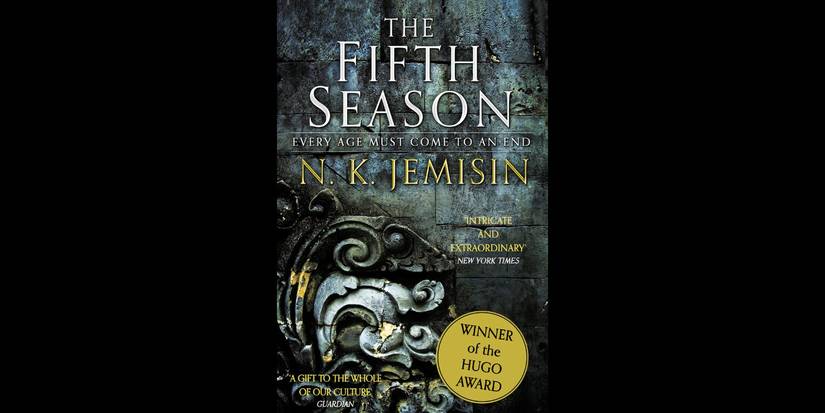
10. The Fifth Season by N.K. Jemisin (2015)
- The Premise: Set on the Stillness—a supercontinent periodically shattered by cataclysmic geological "seasons"—the narrative follows an oppressed minority known as orogenes, who possess the ability to manipulate seismic energy.
- The Structure: The book tracks three convergent storylines: Essun, a mother whose son is murdered and daughter kidnapped; Damaya, a young girl taken in for training; and Syenite, an experienced orogene on a dangerous imperial mission.
- Why It Matters: Bleak, inventive, and structurally daring, Jemisin’s masterwork blends hard-hitting sociological themes with colorful worldbuilding, rightfully earning sweeping critical acclaim and major fantasy awards upon its release.
9. The Priory of the Orange Tree by Samantha Shannon (2019)
- The Premise: A massive standalone epic divided between East and West. In Inys, Ead Duryan secretly protects Queen Sabran Berethnet while hiding her allegiance to a magical society. Across the world, Tané trains to become a dragon rider in a culture where dragons are revered, unlike the West, where they are feared as malevolent wyrms.
- The Scope: Cramming an entire series’ worth of political intrigue, rival kingdoms, and ancient magic into over 800 pages.
- Why It Matters: Shannon delivers classic genre elements—wyrms, secret societies, and courtly plots—while offering perceptive commentary on how different cultures construct competing historical narratives from the exact same past.
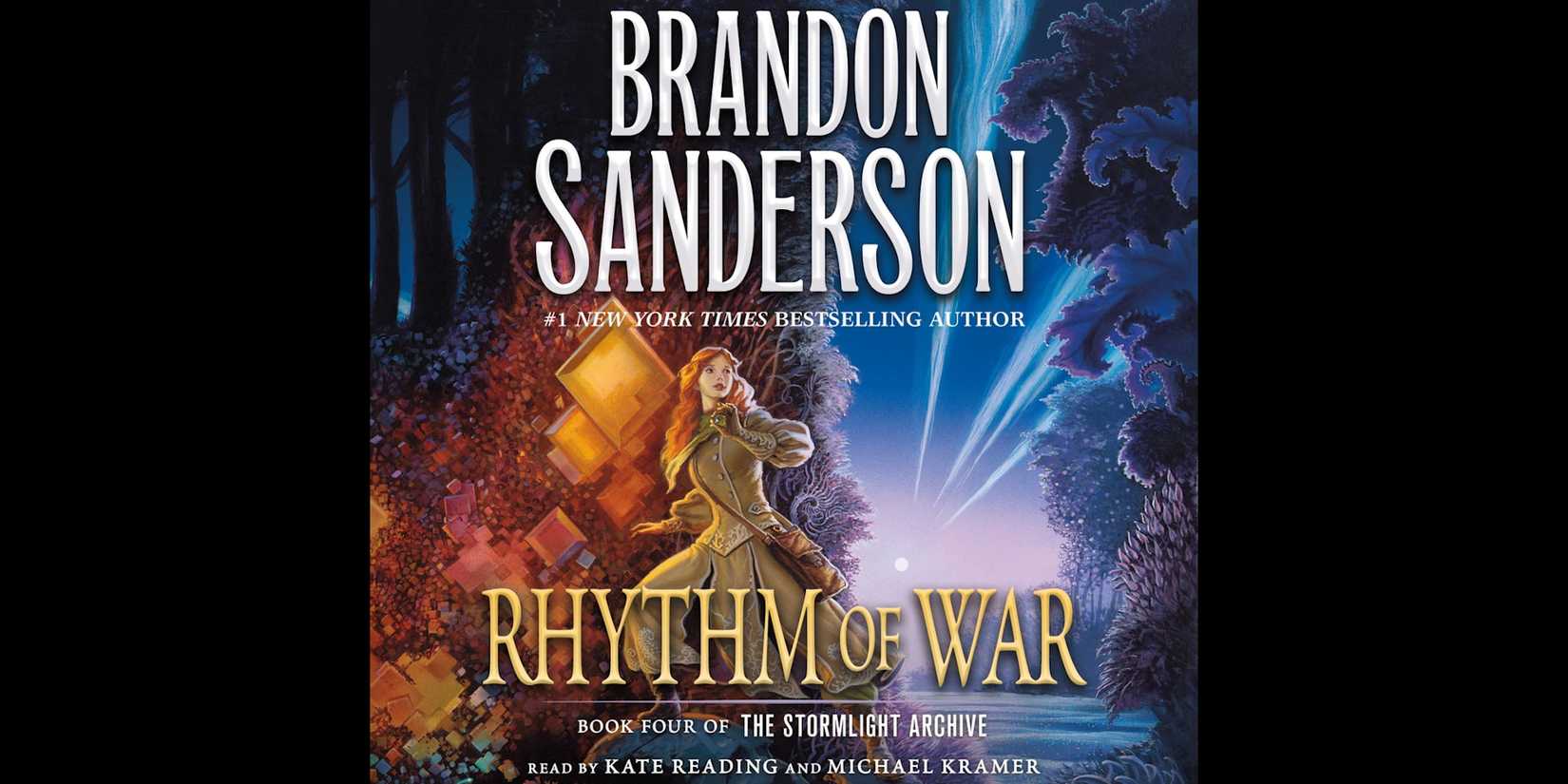
8. Rhythm of War by Brandon Sanderson (2020)
- The Premise: The fourth entry in the sprawling Stormlight Archive pushes the series into darker, more introspective territory. As the war between humans and singers escalates and Urithiru comes under occupation, characters grapple with the true nature of their powers.
- The Core: While filled with massive magic and world-shattering Cosmere revelations, the book centers on Kaladin’s brutal struggle with trauma and depression.
- Why It Matters: At 1,200 pages, it is a quintessential modern fantasy blockbuster that balances deafening battles with profound emotional vulnerability.
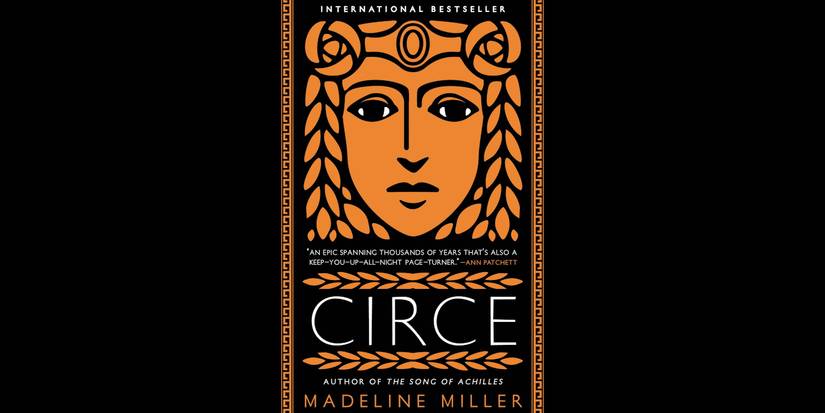
7. Circe by Madeline Miller (2018)
- The Premise: Reimagining the minor witch from Homer’s The Odyssey, Miller places Circe at the center of a tragic yet inspiring narrative. Born to the Titan Helios, Circe discovers her affinity for witchcraft and is exiled to the isolated island of Aiaia.
- The Cast: Famous mythological figures—including Daedalus, Medea, the Minotaur, and eventually Odysseus and Penelope—drift through her hermetic existence.
- Why It Matters: Miller shifts the focus away from epic heroism to explore a profound philosophical question: What does true immortality do to a person’s sense of time, love, violence, and moral consequence?
6. The Crippled God by Steven Erikson (2011)
- The Premise: The monumental conclusion to the Malazan Book of the Fallen (spanning over 11,000 pages across 10 volumes). Tavore Paran and the Bonehunters embark on a grueling, seemingly incomprehensible final march.
- The Climax: Godheads, dragons, and ancient races converge in a cataclysmic finale.
- Why It Matters: Erikson successfully brings a sprawling, chaotic web of plotlines to a close while subverting grimdark expectations, revealing that the ultimate thesis of the entire masterwork is unyielding, inexhaustible compassion.
5. A Dance with Dragons by George R.R. Martin (2011)
- The Premise: The fifth installment of A Song of Ice and Fire follows Tyrion’s exile across Essos, Jon Snow’s precarious leadership of the Night’s Watch, and Daenerys’s sobering attempts to govern the conquered city of Meereen.
- The Style: Densely layered branching narrative threads driven by uncompromising political complexity and stark realism.
- Why It Matters: By refusing to grant any character plot armor, Martin maintains agonizing tension, proving that psychological depth and the consequences of war remain compelling even without neatly resolved narrative arcs.
4. Piranesi by Susanna Clarke (2020)
- The Premise: Written by the author of Jonathan Strange & Mr. Norrell, this hypnotic novel is set within an infinite, magical House containing endless marble halls, classical statues, and ocean tides that flood its lower floors.
- The Journey: Piranesi meticulously catalogs the House and communicates with the only other living man, "the Other," until creeping inconsistencies reveal a web of lies and riddles.
- Why It Matters: Overflowing with lyrical prose and a profoundly gentle, likable protagonist, it stands as one of the most original fantasy conceptions of the century.
3. The Shepherd’s Crown by Terry Pratchett (2015)
- The Premise: Published posthumously, the fifth Tiffany Aching novel serves as the final installment in Pratchett’s beloved 41-book Discworld sequence.
- The Conflict: When a profound death weakens the magical barriers protecting the Discworld from elves, an older, wiser Tiffany must shoulder the immense burden of leadership.
- Why It Matters: While maintaining Pratchett’s signature wit, the novel offers unprecedented emotional vulnerability, addressing grief, inheritance, and the lingering ripples left by those who have passed away.
2. The Wise Man’s Fear by Patrick Rothfuss (2011)
- The Premise: The second volume of the Kingkiller Chronicle continues Kvothe’s framing narrative at the Waystone Inn as he recounts his youth—traveling from aristocratic courts under Maer Alveron to the mysterious Fae and the martial culture of the Adem.
- The Craft: Exquisite, musical prose paired with a deeply flawed, brilliant protagonist.
- Why It Matters: Kvothe’s combination of genius, arrogance, and impulsive recklessness redefines the "hero’s journey" archetype into something intensely human and frustratingly captivating.
1. La Belle Sauvage by Philip Pullman (2017)
- The Premise: The opening volume of The Book of Dust returns to the universe of His Dark Materials nearly two decades later, taking place when Lyra Belacqua is still an infant.
- The Protagonist: Eleven-year-old Malcolm Polstead finds himself swept into a perilous political thriller involving the authoritarian Magisterium, secret agents, and river floods.
- Why It Matters: Serving as arguably the most well-rounded fantasy book of the last 15 years, Pullman weaves political intrigue, biblical allusions, and profound philosophical ideas into a seamless narrative engine that honors its predecessor while charting bold new territory.
Official Responses and Critical Reception
Literary critics and fantasy scholars have continuously pointed to this 15-year period as a golden age of stylistic divergence. Traditional high-fantasy purists have occasionally clashed with the rise of "grimdark" pessimism and literary spec-fiction, yet publishers note that readers increasingly value cross-genre experimentation.
Award committees have reflected this shift. Works addressing systemic oppression, marginalization, and epistemological critique—such as N.K. Jemisin’s historic three-consecutive-year Hugo Award sweep for The Broken Earth trilogy—have cemented a new baseline for what constitutes culturally vital speculative literature. Authors and publishers alike have responded by greenlighting more standalone epics, poetic novellas, and character-driven explorations that prioritize emotional authenticity over sprawling, map-heavy encyclopedias of lore.
Implications for the Future of Fantasy
The trajectory of fantasy fiction from 2011 to 2020 leaves distinct markers for the genre’s future:
- The Decline of Monolithic World-Building: Authors are increasingly narrowing their focus—opting for infinite houses (Piranesi), isolated islands (Circe), or hyper-specific continental boundaries (The Stillness)—proving that narrative intimacy often trumps geographical scale.
- The Maturation of Themes: Modern fantasy has largely discarded simplistic alignments of pure good versus absolute evil. Even epic battles (as seen in Sanderson and Erikson) now serve as backdrops for exploring trauma, political accountability, and deep-seated systemic failures.
- The Blurring of Genre Boundaries: The integration of political thrillers (La Belle Sauvage), historical revisionism (Circe), and architectural poetry (Piranesi) signals that fantasy no longer exists in a quarantined literary ghetto. It has claimed its place at the center of serious contemporary fiction, ensuring its relevance for generations of readers to come.
