
Navigating the Tightrope: How Parker Turned a Viral LinkedIn Trend Into a Masterclass in Agile Marketing
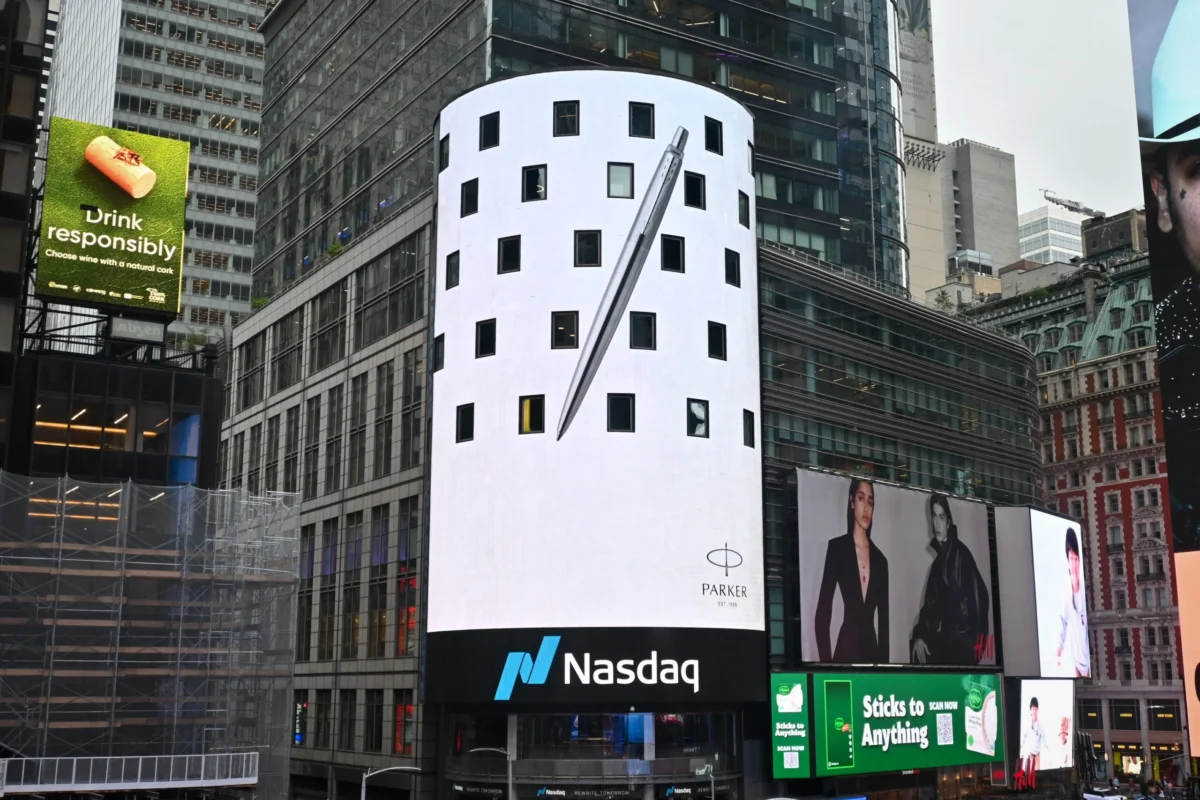
NEW YORK — For modern brand marketers, navigating the unpredictable currents of social media is a high-stakes balancing act. Move too quickly, and a brand risks appearing opportunistic, tone-deaf, or desperate. Hesitate too long, and the cultural wave crests and recedes, leaving the brand stranded on the sidelines. Worse yet, treating organic community creativity as a reservoir of "free media" can alienate the very creators who fuel a brand’s cultural relevance, eroding consumer trust in the process.
This tension is exponentially magnified for premium heritage brands operating with lean marketing budgets and elongated purchase cycles. Unlike mass-market consumer packaged goods (CPG) giants, a historic luxury writing instrument cannot simply outspend competitors, nor can it rely on impulse-driven checkouts to smooth over strategic missteps.
When a spontaneous wave of one-minute "sell me this pen" videos featuring Parker pens began sweeping across LinkedIn, the writing team at Newell Brands faced a pivotal dilemma. They had to decide rapidly whether this digital phenomenon was merely an interesting curiosity to observe from afar or the catalyst for an unprecedented, live marketing test.
Though Newell is still measuring the ultimate business impact of the campaign, Parker CMO Nick Hammitt recently pulled back the curtain on the intense, high-pressure decision-making process. Speaking on the strategic maneuvers that transformed a grassroots trend into an official multi-channel advertising blitz, Hammitt detailed the framework his team used to evaluate relevance, select winners, and deploy media under tight deadlines.
Main Facts
- The Catalyst: An unsolicited spec ad created by user Kushagra Oberoi sparked a viral challenge on LinkedIn. Spearheaded by Andrew Tindall and Nick Entwistle of One Minute Briefs, professionals across the globe began filming and posting one-minute pitches for Parker pens.
- The Scale: The organic movement transcended borders, ultimately drawing approximately 350 global submissions from creators across eight different countries.
- The Corporate Response: Rather than issuing a cease-and-desist or ignoring the organic chatter, Newell Brands—Parker’s parent company—opted to formalize the trend, licensing top content, compensating creators, and amplifying the work.
- The Execution: Parker narrowed the 350 entries down to a top 10 list using rapid consumer testing, paid the creators for their intellectual property, and deployed the ads through an unconventional media mix: LinkedIn and Times Square digital billboards.
Chronology of a Viral Pivot
The transformation of an unprompted user-generated trend into a structured corporate marketing initiative required navigating three distinct, time-sensitive decision phases.
Phase 1: The Spark and the Decision to Engage
The phenomenon began quietly. Creator Kushagra Oberoi produced a spec ad centered on a Parker pen. Recognizing the creative momentum, Andrew Tindall and Nick Entwistle of One Minute Briefs formalized the energy into an open "sell me this pen" challenge on LinkedIn, challenging copywriters, salespeople, and marketers to flex their pitching skills using the iconic brand.
As submissions snowballed, Parker found its core product at the center of a rapidly scaling digital conversation. Initially, the brand treated the phenomenon as an exercise in social listening. However, as the volume and quality of the content surged, the team faced a fork in the road: remain passive observers or integrate the community’s output into an official corporate campaign.
According to Hammitt, the team ran the moment through a rapid-fire strategic filter: relevance, brand fit, and value-add potential.
"Any time an opportunity comes up, we quickly assess: okay, is it relevant? Is it something that makes sense for the brand? Is it something where we feel we can add something?" Hammitt explained.
Parker’s foundational brand platform, "Write your way," explicitly links fine writing tools to individual human expression. Because the user-generated videos were already authentically aligned with this messaging, the brand determined that formal involvement would not feel forced. Rather than "overbranding" the moment into a heavy-handed sales pitch, Newell chose to participate as a celebration of the creative community.
Phase 2: Selecting Winners and Compensating Creators
With a strategic go-ahead established, Newell opened the floodgates, officially welcoming submissions and ultimately accumulating roughly 350 entries. The challenge, however, was time. Letting the initiative languish in bureaucratic testing protocols would cause the cultural moment to evaporate.
To bypass internal biases while maintaining speed, Parker introduced a streamlined consumer testing layer. This allowed the brand to gauge broad audience resonance rapidly, filtering out concepts that felt off-brand or lacked mainstream appeal.
Budgetary constraints dictated that the brand could not back all 350 participants. Though the team "loved so many of these entries," they ultimately curated a top 10 list. Crucially, Newell drew a hard ethical line around compensation. Instead of treating the content as free UGC, the company reached out to secure formal buy-in, ensuring creators were financially rewarded and backed by paid media support.
Phase 3: The Deployment Strategy
The final hurdle involved media placement. Traditionally, video-driven creator content finds its natural home on platforms like TikTok or YouTube Shorts. LinkedIn, conversely, has historically functioned as a B2B recruiting and networking environment characterized by higher media acquisition costs.
“When you go about advertising your brand or anything else like that, LinkedIn isn’t usually the first place you go to,” Hammitt noted.
Nevertheless, Parker made a calculated bet to keep the campaign rooted where it started. By leveraging LinkedIn’s professional demographic, the brand targeted an audience statistically more likely to invest in high-end, everyday professional tools.
To maximize the campaign’s cultural footprint, Newell also took the work offline, securing digital-out-of-home (DOOH) billboard space in New York City’s Times Square. This dual-pronged media strategy served a dual purpose: it celebrated the winning artists on a massive global stage and stretched a restrained media budget to make a maximum splash.
Supporting Data & Market Context
While Newell has guarded specific metrics regarding financial investment, cost-per-acquisition, and exact sales lift, the campaign offers fascinating data points regarding the economics of modern creator marketing:
- Global Reach: The campaign captured roughly 350 distinct submissions originating from 8 different countries, demonstrating the borderless appeal of a well-executed digital challenge.
- The Funnel: From a pool of 350 raw entries, consumer testing and brand safety filters whittled the cohort down to a Top 10 roster of compensated creators.
- Media Innovation: By pushing B2B-centric LinkedIn into the top-of-funnel consumer advertising space, Parker tested the viability of professional platforms for luxury goods—a departure from standard CPG TikTok-first playbooks.
Official Responses and Strategic Perspectives
The Parker campaign highlights a shifting philosophy within legacy CPG and heritage conglomerates regarding intellectual property and brand ownership. For decades, legacy brands maintained rigid control over their marketing assets, tightly gripping brand guidelines and treating user-generated content as an unregulated Wild West.
By actively co-opting a decentralized LinkedIn challenge, Newell Brands demonstrated a willingness to cede creative control to the consumer base—a move that CMO Nick Hammitt defends as essential for modern credibility.
"What you need to always keep in mind is what you are bringing to the table as a brand," Hammitt advised fellow marketers. "Why is anybody going to care, and why is it going to be authentic and credible?"
Hammitt also issued a stark warning against corporate co-optation gone wrong. When brands attempt to insert themselves into organic cultural conversations without a genuine value proposition, the backlash is swift.
"If you just go in there and either try to push an agenda that wasn’t part of the conversation, or you go in there and you just start slapping your logo all over the place, you’re going to seem tone-deaf and out of sync," Hammitt cautioned. "You’ll actually squash the moment versus amplify the moment."
Industry Implications: What This Means for Heritage Brands
Parker’s foray into viral LinkedIn marketing holds profound implications for the broader retail and luxury sectors. As consumer skepticism toward traditional advertising hits an all-time high, audiences increasingly value authenticity, rawness, and peer-to-peer validation over polished studio productions.
- The Evolution of the Creative Agency: Brands are increasingly realizing that the best creative talent is no longer confined to traditional agency boardrooms. Global consumer communities are producing agile, high-performing spec ads for free, and brands that learn to harness and compensate this talent pool will outpace those relying on traditional agency pipelines.
- Platform Diversification: The campaign proves that B2B platforms like LinkedIn can be successfully repurposed for luxury and premium consumer considerations, provided the product aligns naturally with the professional mindset of the user base.
- Ethical Creator Economics: By proactively reaching out to compensate creators rather than exploiting free labor, Newell set a benchmark for brand-creator relations. In an era where creator burnout and exploitation are heavily scrutinized, financial backing paired with platform amplification builds long-term brand equity.
As Newell continues to track engagement, brand consideration, and sales metrics tied to the Parker campaign, the experiment stands as a case study in modern agility. For heritage brands paralyzed by the fear of moving too fast or too slow, Parker’s playbook offers a clear path forward: listen closely, evaluate authentically, compensate fairly, and let the consumer lead the way.
