
The Emotional Weight of the Ring: Why the ‘Lanterns’ Season 1 Finale Left Kyle Chandler in Tears
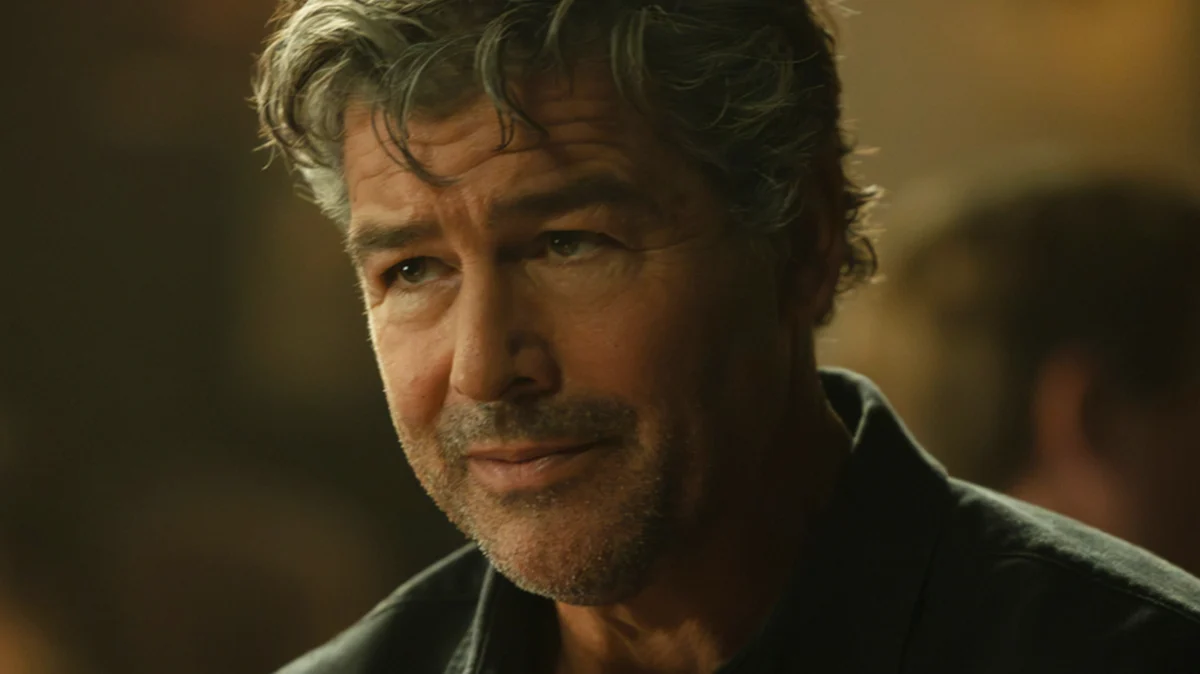
The conclusion of the inaugural season of HBO’s Lanterns has sent shockwaves through the DC fandom, not merely for its high-stakes narrative revelations or the dramatic shifts in established lore, but for the profound, raw humanity it displayed in its final moments. While audiences were left reeling from the revelation that Hal Jordan (Kyle Chandler) met his end at the hands of his own lover, the show’s parting shot—a poignant, interdimensional exchange between Jordan and John Stewart (Aaron Pierre)—served as an emotional gut-punch that resonated far beyond the screen.
For Kyle Chandler, who stepped into the iconic boots of Hal Jordan, the finale was more than a professional milestone; it was a mirror reflecting his own life experiences. In a recent virtual press conference, the veteran actor offered a rare glimpse into the vulnerability behind the performance, revealing that watching the episode’s climax brought him to tears.
The Heart of the Finale: A Final Act of Connection
To understand the emotional gravity of the Lanterns finale, one must look at the specific narrative trajectory of the season. The reveal that Hal Jordan was gunned down by his girlfriend—an act preceded by a desperate, whispered "I love you"—set a tone of profound tragedy. However, the writers chose not to end on the cold finality of that death.
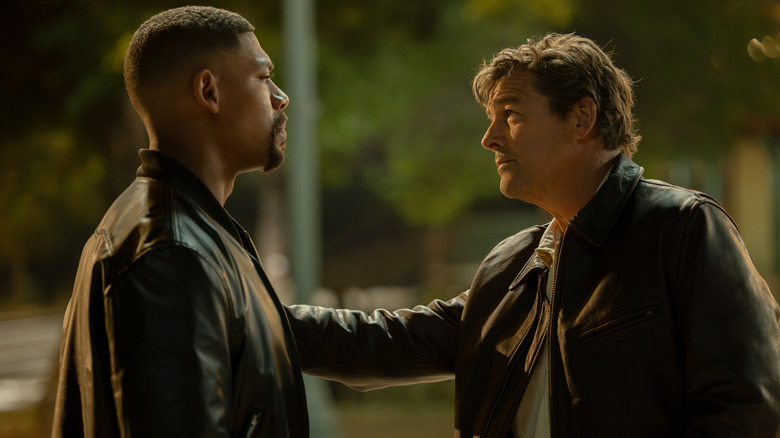
In the show’s closing scene, John Stewart encounters a "Halogram"—a sophisticated, memory-based construct of Jordan. The scene is masterfully executed, serving as a cathartic bridge between the two lanterns. Stewart, clearly struggling with the loss of his mentor, finds himself repeating the words Jordan spoke in his final moments. The Halogram, in a moment that blurs the lines between artificial intelligence and genuine soul, maneuvers the conversation to elicit a final, tender exchange: "I love you, too, Junior."
This interaction was the catalyst for Chandler’s emotional reaction. Speaking to the press, Chandler compared the feeling of watching the scene to the culmination of a lifelong endeavor. "It’s like when you win the state championship," Chandler remarked. "Tears come to your eye because all the work that you put in slams into you at one moment on the field." He confessed that he had to discreetly wipe away a tear while viewing the episode with his wife, fearful of her good-natured ribbing, yet unable to suppress the surge of sentimentality.
Chronology of a Character: From Mystery to Mourning
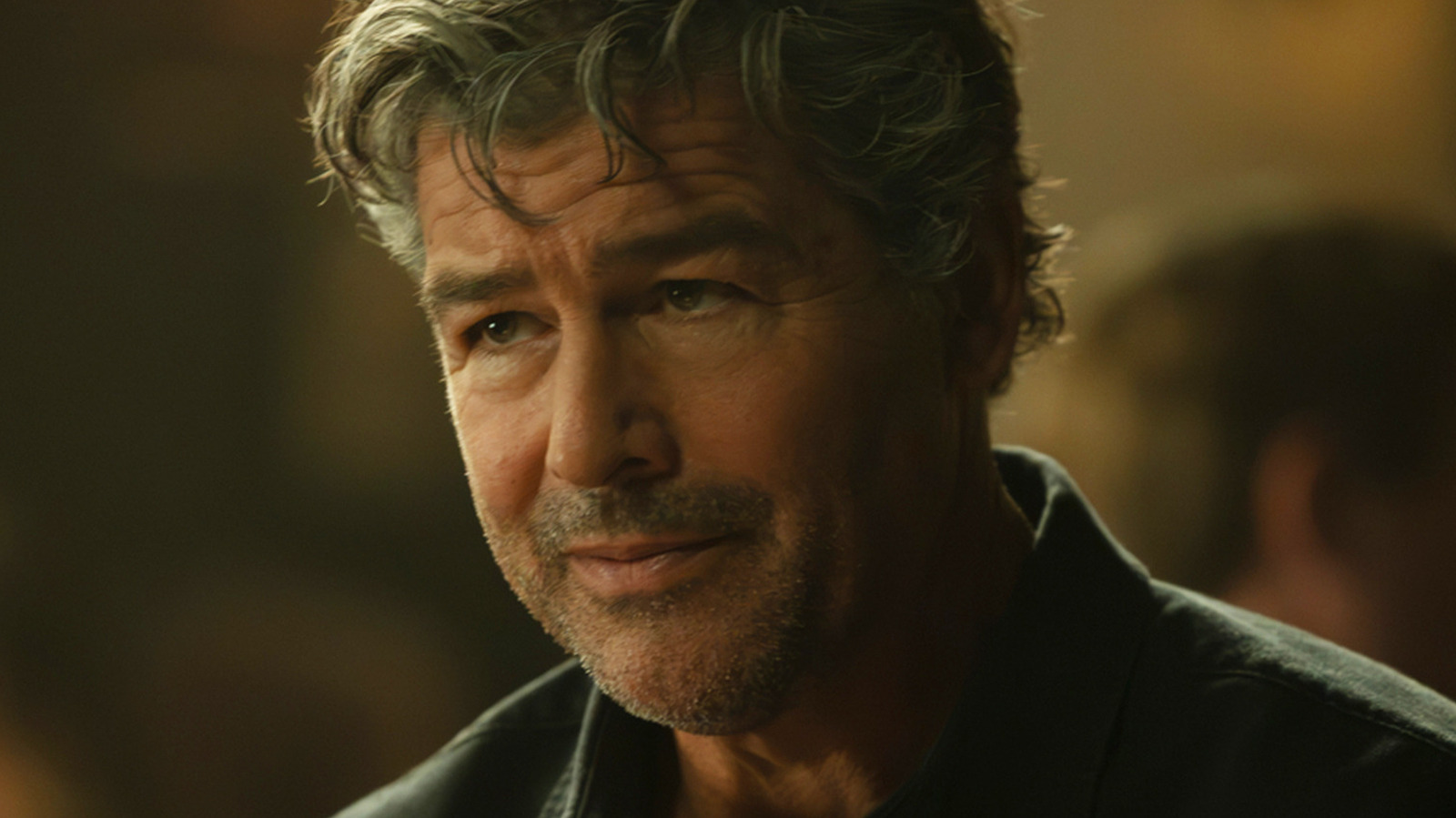
The journey to this emotional payoff was paved with significant narrative risks. Lanterns did not shy away from dismantling the traditional "Green Lantern" mythos. The series famously retconned substantial portions of Jordan’s backstory, specifically the circumstances of his father’s death.
In Episode 7, the audience learned that the elder Jordan’s death was not merely a tragic accident, but an act of suicide—a revelation that introduced the concept of "The Jordan Boys’ legacy." This narrative device suggested a generational cycle of depression and unworthiness, casting a long, dark shadow over the character of Hal Jordan.
This thematic shift was crucial for the emotional architecture of the season. By framing Hal’s heroism against a backdrop of deep-seated personal trauma, the writers elevated Lanterns from a standard superhero procedural into a character study. John Stewart, meanwhile, provided the perfect foil. Having been raised in a home where he was relentlessly groomed for "fearlessness," Stewart lacked the ability to form normal, healthy attachments.
The convergence of these two broken men created a vacuum that the show filled with a surrogate father-son dynamic. It was this specific relationship—the mentorship, the pain, and the eventual mutual love—that anchored the season’s emotional stakes.
The Resonance of Personal History
What makes Chandler’s performance so compelling is the degree to which the series mirrored his own biography. Chandler lost his father when he was just 14 years old, a formative event that left an indelible mark on his perspective. In earlier interviews, the actor has been candid about how the loss of a parent at a young age leaves a child searching for a "baton of manhood"—a guide or a sense of direction that is abruptly severed.
"The father-son aspect of this show, I think, is… for me, I lost my pop when I was 14, and it is just incredible," Chandler noted during the press conference. He highlighted how the on-screen dynamic with Aaron Pierre’s John Stewart evolved into something that mirrored his own unfulfilled desires. "Hal had that going on with John, that father-son relationship. It became apparent while we were shooting it, and that wisdom and being able to give back a little bit… that love story is, he won my heart over in the end. And I was able to do what my father would have done for me."
This alignment between the character’s struggle and the actor’s reality is rare in modern superhero television. Often, actors are cast based on physical fitness or franchise recognition; here, the casting of Chandler seems to have been an act of thematic synergy. His admission that he was largely unfamiliar with the Green Lantern source material before taking the role actually served to his advantage, allowing him to approach the script not as a fan of the mythos, but as an actor grappling with universal themes of grief, legacy, and redemption.
Official Responses and Industry Implications
The decision to kill off Hal Jordan—arguably the most recognizable face in the Green Lantern Corps—was a controversial creative gamble that drew immediate scrutiny from both fans and studio executives. DC head James Gunn personally addressed the decision, defending the narrative choice as a necessary step to explore the "humanity behind the badge."
Industry analysts have pointed out that Lanterns represents a new era for DC television, one that prioritizes grounded storytelling over flashy, comic-accurate set pieces. By centering the series on the psychological toll of the ring, the show has managed to carve out a distinct identity in a saturated market.
"Every kid’s worst fear is losing a parent. Once that happens, there is nothing to fear anymore," says Jordan in the show. This line, delivered with gravitas by Chandler, encapsulates the show’s thesis. It is not about the cosmic battles or the emerald light; it is about the fear of abandonment and the quest for validation.
The Legacy of the First Season
As the dust settles on Lanterns Season 1, the industry is left to evaluate the success of this "prestige" approach to comic book adaptation. The critical consensus suggests that the show’s willingness to take risks—specifically regarding the treatment of legacy characters—has paid off in emotional dividends.
Kyle Chandler’s performance serves as a reminder that even within the high-concept world of space cops and alien threats, the audience’s investment remains tied to the human element. The fact that the lead actor was so deeply moved by his own character’s final arc suggests that the production fostered an environment where vulnerability was not just permitted, but encouraged.
As for the future, the "Halogram" leaves the door open for continued appearances, but the emotional closure provided in the finale is absolute. Whether or not the series continues to explore the "Jordan Boys’ legacy" in Season 2, the impact of these eight episodes remains clear: Lanterns has successfully redefined what a superhero show can be when it stops worrying about the mythology and starts focusing on the man.
For Kyle Chandler, that final moment—the "I love you, too, Junior"—was not just a line of dialogue. It was a closing of a chapter, a final act of grace for a character defined by his losses, and a personal validation of the healing power of storytelling. The tears he wiped away were not for a fictional character; they were for the echoes of his own life, captured on screen in a small, glowing shooting star of a finale.
