
The Golden Age of Soundbites: How 1970s Television Catchphrases Conquered Pop Culture
While the art of the memorable television soundbite did not originate in the 1970s, that decade undeniably perfected it. Television of the 1970s was a distinct cultural crucible, shaped by shifting social paradigms, the rapid expansion of color broadcasting, and a growing national reliance on the living room screen for both escapism and community commentary.
Around every corner, an earworm phrase was worming its way into the American zeitgeist, leaping off the screen and into the schoolyard, the office breakroom, and the political podium. Though countless contenders have been lost to the fog of syndication, the enduring phrases of this era transcended their original mediums to become permanent architectural pillars of modern pop culture.
Main Facts: The Anatomy of a 1970s Catchphrase
The cultural footprint of 1970s television catchphrases rests on a unique convergence of media consumption habits. In an era before streaming fragmentation, time-shifting, and multi-channel cable packages, millions of households tuned into the exact same networks at the exact same time. This shared viewing experience acted as a national megaphone.
When a character delivered a punchline or a sign-on greeting with distinct cadence, it was instantly digested by a massive, concurrent audience. These phrases were not merely incidental dialogue; they were carefully engineered or organically discovered linguistic tics that defined character archetypes:
- The Late-Night Salutation: "Here’s Johnny!" became the ultimate auditory cue for spectacle and entrance.
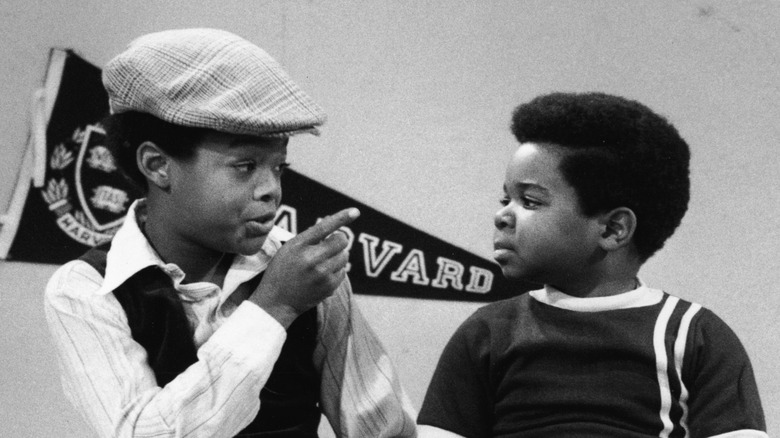
- The Incredulous Retort: "Whatchu talkin’ bout, Willis?" distilled childlike exasperation into a universal punchline.
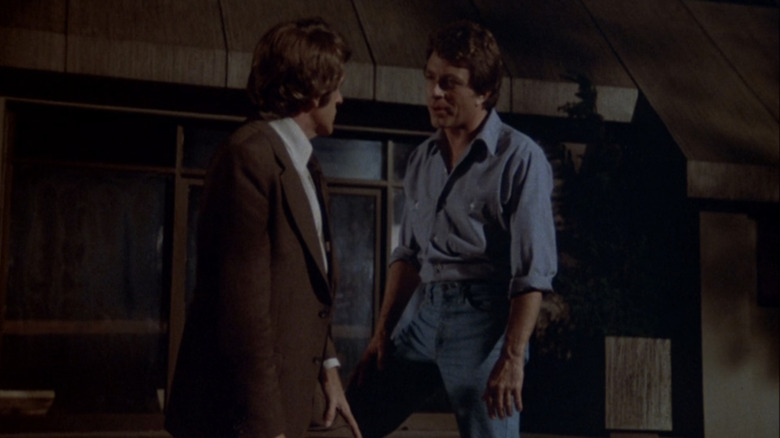
- The Menace of Transformation: "Don’t make me angry, you wouldn’t like me when I’m angry" turned internal struggle into a poetic warning.
- The Radical Inclusion: "Won’t you be my neighbor?" weaponized earnestness and empathy as a revolutionary act of comfort.
- The Sonic Explosion: "Dyn-o-mite!" captured the unbridled, hyper-energetic spirit of youth culture in the urban core.
Chronology of a Cultural Phenomenon
To understand how these linguistic artifacts conquered the American consciousness, one must trace their evolution across the broadcast timeline, spanning late-night television, daytime educational programming, and prime-time sitcoms.
October 2, 1962: The Genesis of "Here’s Johnny!"
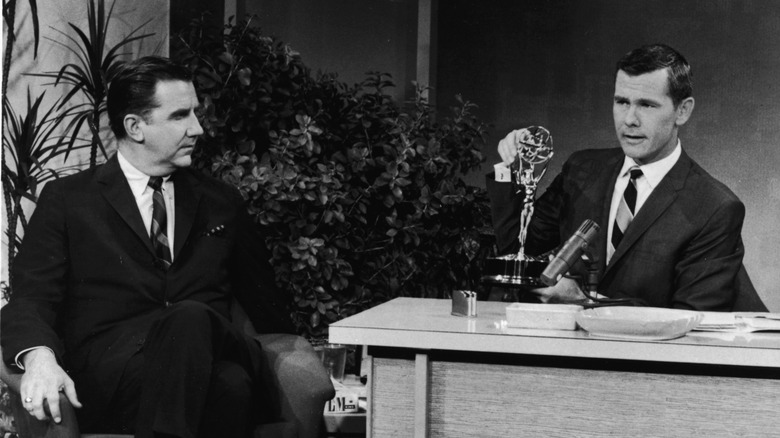
While the cultural saturation of "Here’s Johnny!" peaked during the 1970s height of The Tonight Show Starring Johnny Carson, its origins stretch back remarkably early. Spoken by announcer Ed McMahon, the introduction was first utilized during Carson’s second airing on October 2, 1962, and traced its roots back to Carson’s daytime ABC program in 1957. Over a 30-year run that cemented Carson as the undisputed king of late-night, the phrase gained the staggering longevity that allowed Stanley Kubrick to weaponize it as psychological horror in the 1980 cinematic masterpiece The Shining.
1968: The Welcoming Invitation of Mister Rogers
Premiering in the late 1960s and anchoring itself firmly into the educational bedrock of the 1970s, Mister Rogers’ Neighborhood introduced an unprecedented level of emotional intelligence to children’s television. Fred Rogers’ opening theme, "Won’t you be my neighbor?" transitioned from a simple musical greeting into a profound cultural shorthand for safety, acceptance, and community building, surviving decades of shifting media landscapes and culminating in a critically acclaimed 2018 biographical documentary bearing its name.
1974–1979: The Explosion of Prime-Time Sitcoms
The mid-1970s accelerated the network sitcom’s power to manufacture pop culture icons.
- 1974: CBS’s Good Times introduced J.J. Evans (Jimmie Walker), whose exclamation of "Dyn-o-mite!" quickly evolved from a scripted line into a merchandising juggernaut.
- 1977: The landscape expanded beyond comedy into dramatic fantasy with The Incredible Hulk. Developed by Kenneth Johnson, the series embedded Dr. David Banner’s (Bill Bixby) warning—"Don’t make me angry, you wouldn’t like me when I’m angry"—into the cultural lexicon before the pilot episode even finished rolling its credits.
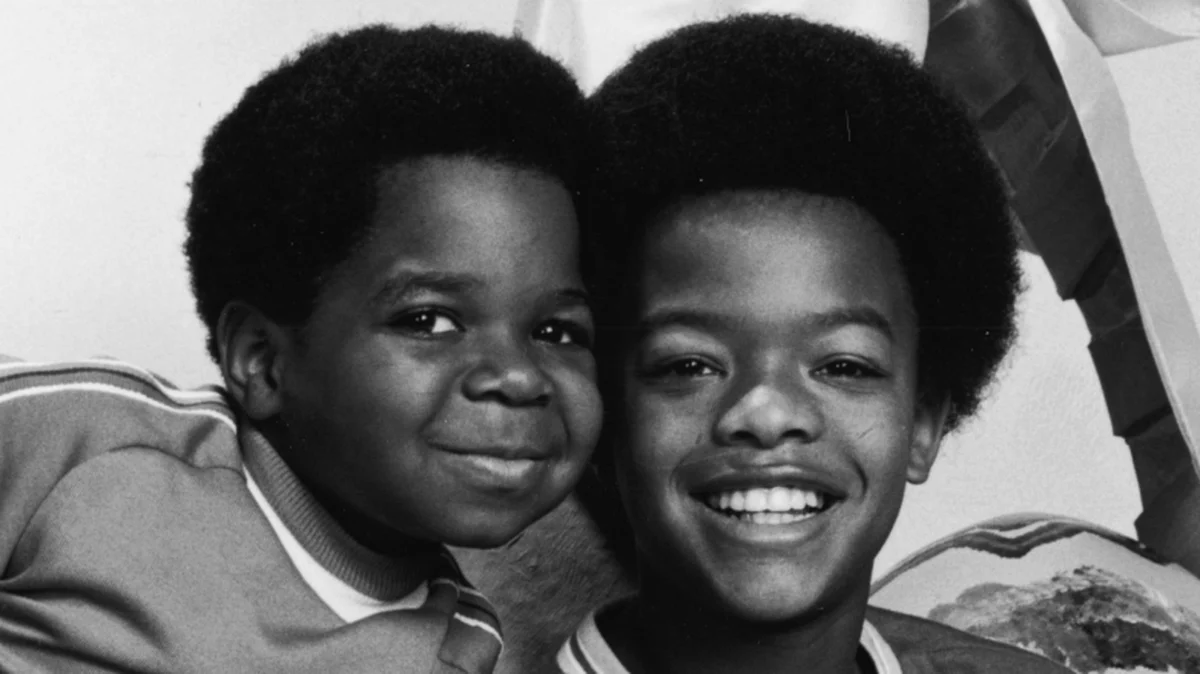
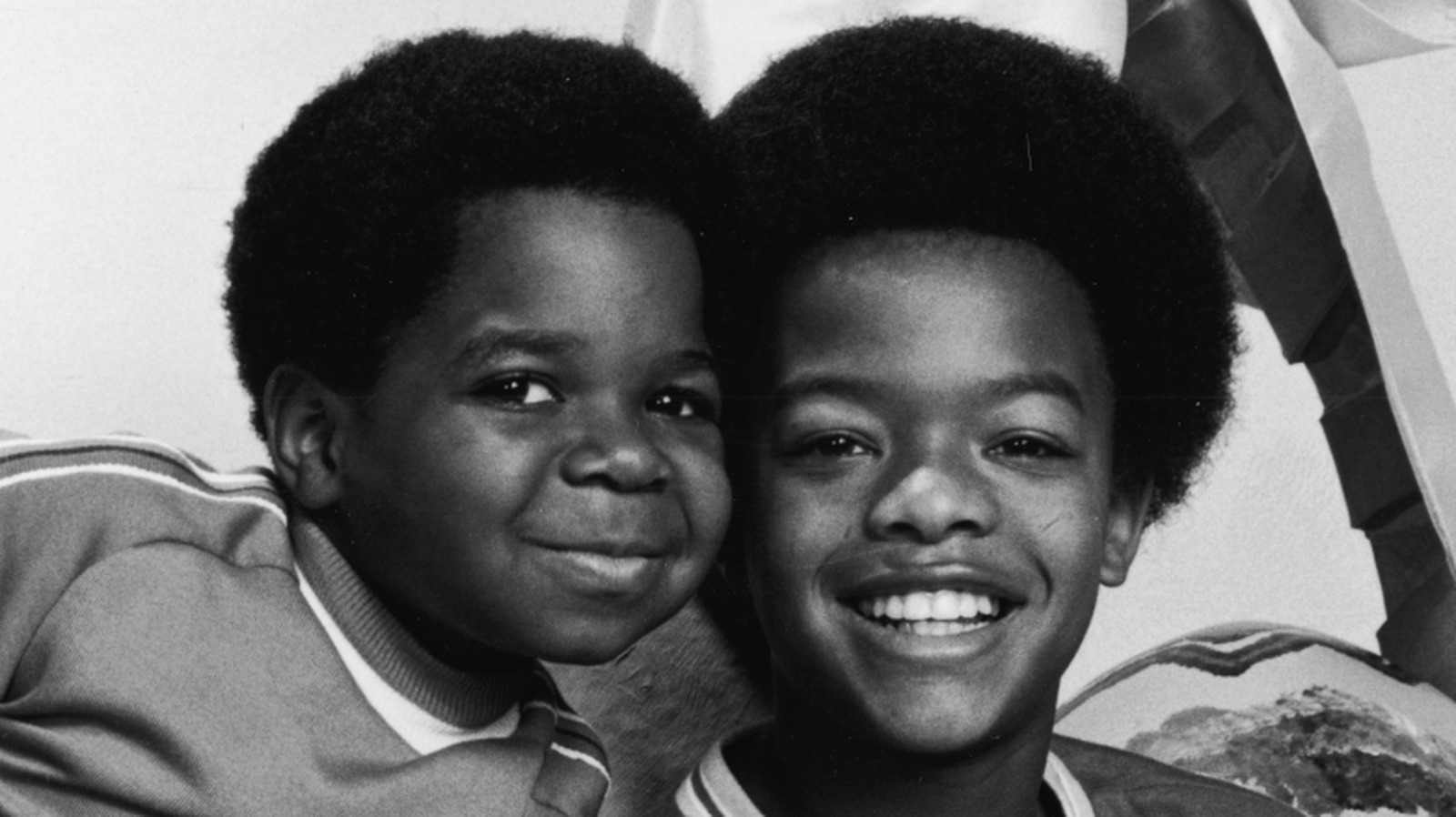
- 1978: NBC launched Diff’rent Strokes, thrusting child star Gary Coleman and his deadpan query, "Whatchu talkin’ bout, Willis?" into the global spotlight for an eight-season run that would define late-70s television comedy.
Supporting Data and Production Insights
The creation of these cultural cornerstones was rarely accidental; it was the result of a delicate alchemy between network executives, visionary directors, and lightning-in-a-bottle performances by generational talents.
| Catchphrase | Originating Show / Program | Key Figure / Actor | Cultural Longevity Indicator |
|---|---|---|---|
| "Here’s Johnny!" | The Tonight Show Starring Johnny Carson | Ed McMahon / Johnny Carson | Referenced in The Shining (1980); ubiquitous meme format. |
| "Whatchu talkin’ bout, Willis?" | Diff’rent Strokes | Gary Coleman (Arnold Jackson) | Revived across decades in cameo appearances (Married… with Children, The Fresh Prince of Bel-Air). |
| "Don’t make me angry…" | The Incredible Hulk | Bill Bixby (Dr. David Banner) | Echoed in modern cinematic adaptations starring Edward Norton and the She-Hulk franchise. |
| "Won’t you be my neighbor?" | Mister Rogers’ Neighborhood | Fred Rogers | Served as the title for the acclaimed 2018 documentary. |
| "Dyn-o-mite!" | Good Times | Jimmie Walker (J.J. Evans) | Screen-printed onto 1970s merchandise; coined by director John Rich. |
Behind-the-scenes accounts reveal the friction often caused by these runaway successes. Gary Coleman reportedly grew weary of repeating his signature line as Diff’rent Strokes wore on, yet found himself repeatedly cornered into performing it decades later—most notably when pressured by rapper Vanilla Ice on the reality series The Surreal Life.
Similarly, Good Times actor Jimmie Walker initially felt skeptical about shouting "Dyn-o-mite!" in every single episode. The phrase was forced upon him by early series director John Rich, who overrode doubts from both Walker and legendary executive producer Norman Lear. Rich’s insistence paid off, transforming a simple line reading into one of the most recognizable audio cues of the twentieth century.
Official Responses and Creative Legacy
The architects of these television touchstones viewed their creations through varying lenses, ranging from protective stewardship to weary resignation. Fred Rogers maintained an unwavering commitment to the earnest delivery of his message, viewing "Won’t you be my neighbor?" not as a marketing gimmick, but as a genuine philosophical invitation to every child watching at home. His dedication ensured that the phrase retained its emotional purity long after the cameras stopped rolling.
Conversely, actors trapped inside the gravity of their own catchphrases often wrestled with typecasting. Jimmie Walker embraced the commercial viability of J.J. Evans, seeing his character’s bombastic energy as a vehicle for Black visibility on network television, even if the humor occasionally walked a fine line regarding racial tropes of the era.
In the realm of action and fantasy, creators like Kenneth Johnson understood that grounding a superhuman narrative in psychological tension required a definitive anchor. By giving Bill Bixby’s Dr. Banner a melancholic, repeating warning, the show established a human vulnerability that contemporary comic adaptations still struggle to replicate.
Implications for Modern Pop Culture
The 1970s television landscape laid the foundational grammar for how modern media manufactures virality. Long before the advent of TikTok sounds, GIF keyboards, and algorithmic meme generation, network television relied on these verbal touchstones to build community and ensure brand retention.
The endurance of these phrases proves that a well-crafted line does more than generate a temporary laugh—it creates a collective memory. Whether it is a late-night talk show host’s entrance, a child star’s bewildered inquiry, or a gentle neighbor’s invitation to belong, these linguistic fragments outlived their respective series. They remind us that the most powerful television moments are those that successfully cross the threshold from the screen into the daily lives of the audience, cementing themselves permanently in the human story.
