
Beyond Representation: Why BBC’s The Split Up Is Redefining Family Drama on British Television
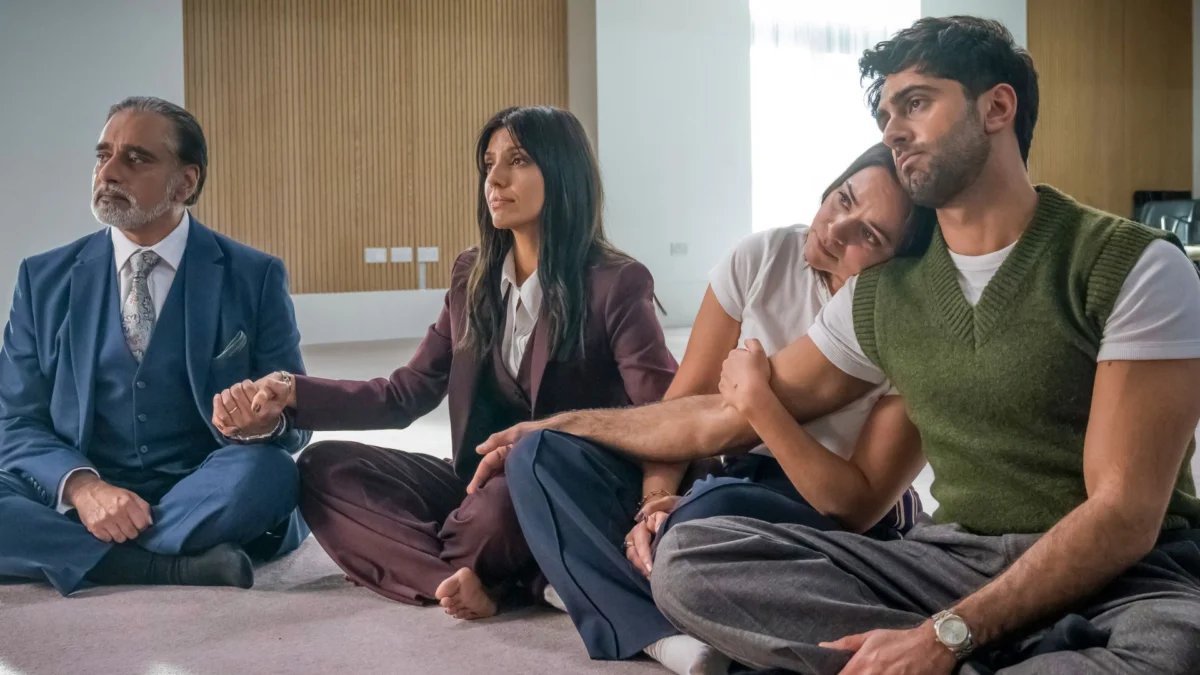
London — All six episodes of The Split Up, the eagerly anticipated legal-drama spin-off of the hit BBC series The Split, are now available to stream on BBC iPlayer. While both shows navigate the high-stakes, emotionally turbulent world of divorce law, The Split Up introduces audiences to a starkly different family dynamic. Centered around the British-Asian Kishan family firm, the series explores grief, ambition, and the messy realities of modern relationships. However, following its opening weekend, the show has ignited a broader national conversation regarding on-screen representation, internet toxicity, and the universal themes that anchor compelling television.
Main Facts: Stepping into the World of The Split Up
The Split Up shifts the legal spotlight from the Defoe family of the original series to the Kishan family practice. At the narrative core is Aria Kishan, played by Ritu Arya, who stands poised to take over leadership of the firm from her father, Dhruv, portrayed by veteran actor Sanjeev Bhaskar.
However, the transition of power is far from smooth. The family is still reeling from the death of Aria’s mother six months prior, casting a heavy shadow over Dhruv’s willingness to step down. Layered on top of this generational handover are the classic ingredients of prestige television: a complicated workplace love triangle, sibling friction, and high-conflict divorce trials walking through their doors on a weekly basis.
Despite the rich narrative framework, the series’ release has also brought to light familiar societal fractures. According to reports from The Daily Mirror, a segment of viewers "switched off" during its opening weekend, while online spaces—including the comment sections of the official BBC YouTube trailer—have played host to racially charged backlash. This polarization has forced both cast and critics to confront an ongoing challenge in modern broadcasting: when a series features a predominantly South Asian cast, does representation risk overshadowing the art itself?
Chronology: From Concept to Cultural Flashpoint
The journey of The Split Up from development to public discourse highlights the complex landscape of contemporary television distribution:
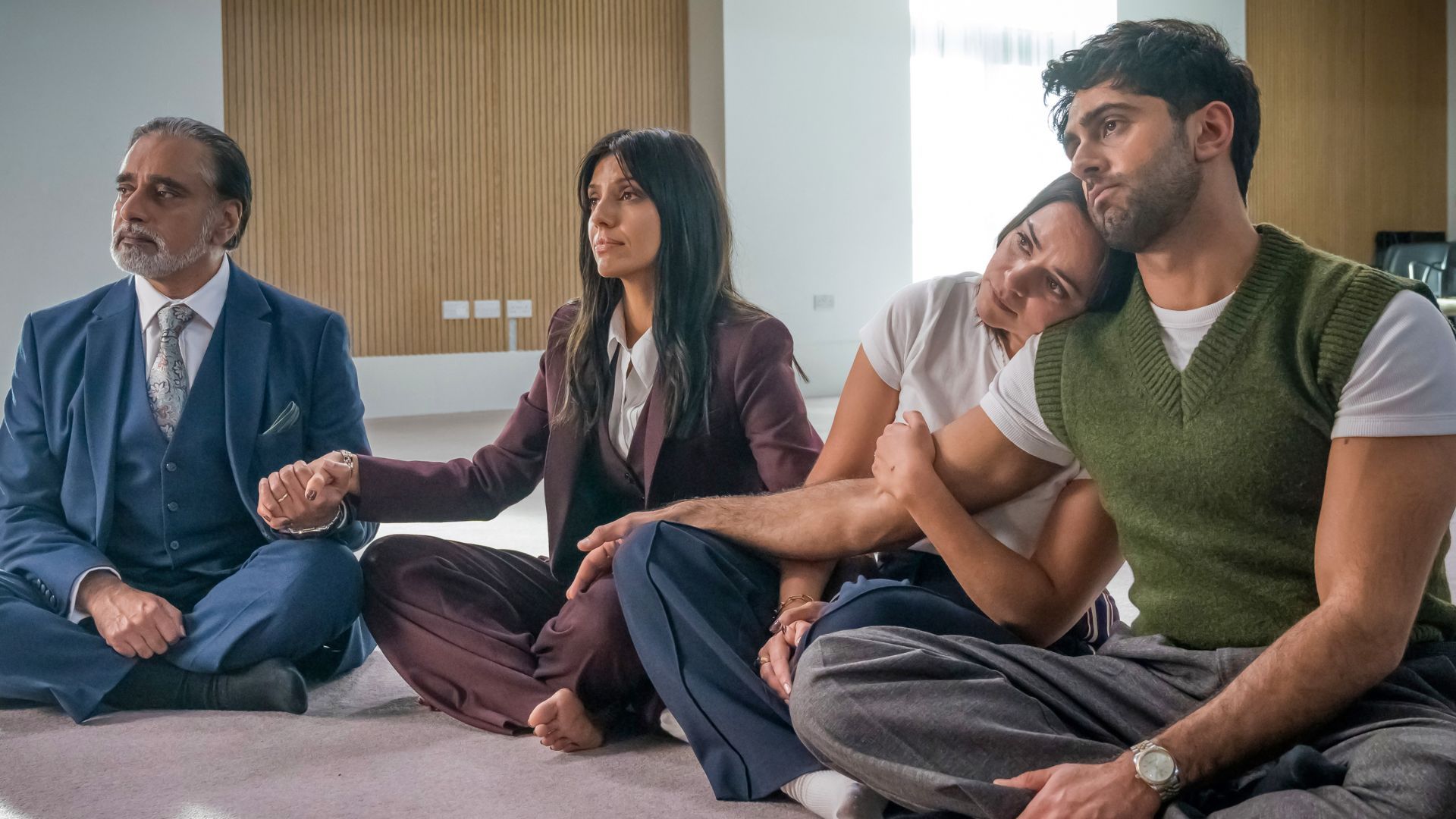
- Pre-Release Phase: Interviews and promotional trailers focused heavily on the unique perspective of the Kishan family firm, introducing viewers to the creative vision of writer Ursula Rani Sarma and the star-studded cast, including Ritu Arya and Sanjeev Bhaskar.
- Opening Weekend Drop: All six episodes landed simultaneously on BBC iPlayer, giving binge-watchers immediate access to the full narrative arc.
- The Immediate Backlash and Praise: Within 48 hours of release, polarized reactions emerged. While many praised the sharp writing, emotional depth, and stellar performances, reports surfaced of audience attrition and toxic online commentary surrounding the show’s cultural casting.
- Cast and Creator Interventions: Prior to and immediately following the launch, key cast members addressed the media, reframing the conversation around universal human experiences rather than reductive checkboxes of representation.
Supporting Data and Context: A Legacy of British-Asian Television
To understand the current reaction to The Split Up, it helps to look at the historical precedent of South Asian representation in British media. Sanjeev Bhaskar, whose career spans decades, is uniquely positioned to comment on this phenomenon.
Over twenty years ago, Bhaskar starred as the co-creator and lead of the groundbreaking comedy chat show The Kumars at No. 42. The series followed a British-Asian family supporting the fictional Sanjeev’s dreams of becoming a television presenter, all set within their London home. Notably, the show featured Meera Syal—who later married Bhaskar—playing his grandmother, a comedic dynamic that captured the hearts of millions.
Despite being centered specifically on a British-Asian household, The Kumars at No. 42 achieved massive international syndication and critical acclaim. The underlying data from its broadcast history proved that specific cultural frameworks do not alienate global audiences; rather, they enhance authenticity.
Similarly, the original series The Split enjoyed widespread, cross-demographic success without its matriarchal legal focus ever being pigeonholed as a niche cultural study. The Split Up follows this lineage, utilizing a specific cultural lens to tell a universally understood story about family, loss, and professional ambition.
Official Responses and Cast Insights
Ahead of the show’s premiere, the cast spoke candidly about how they navigate conversations regarding diversity and representation. Their insights suggest a desire to move past surface-level categorization and focus on the psychological depth of the characters.
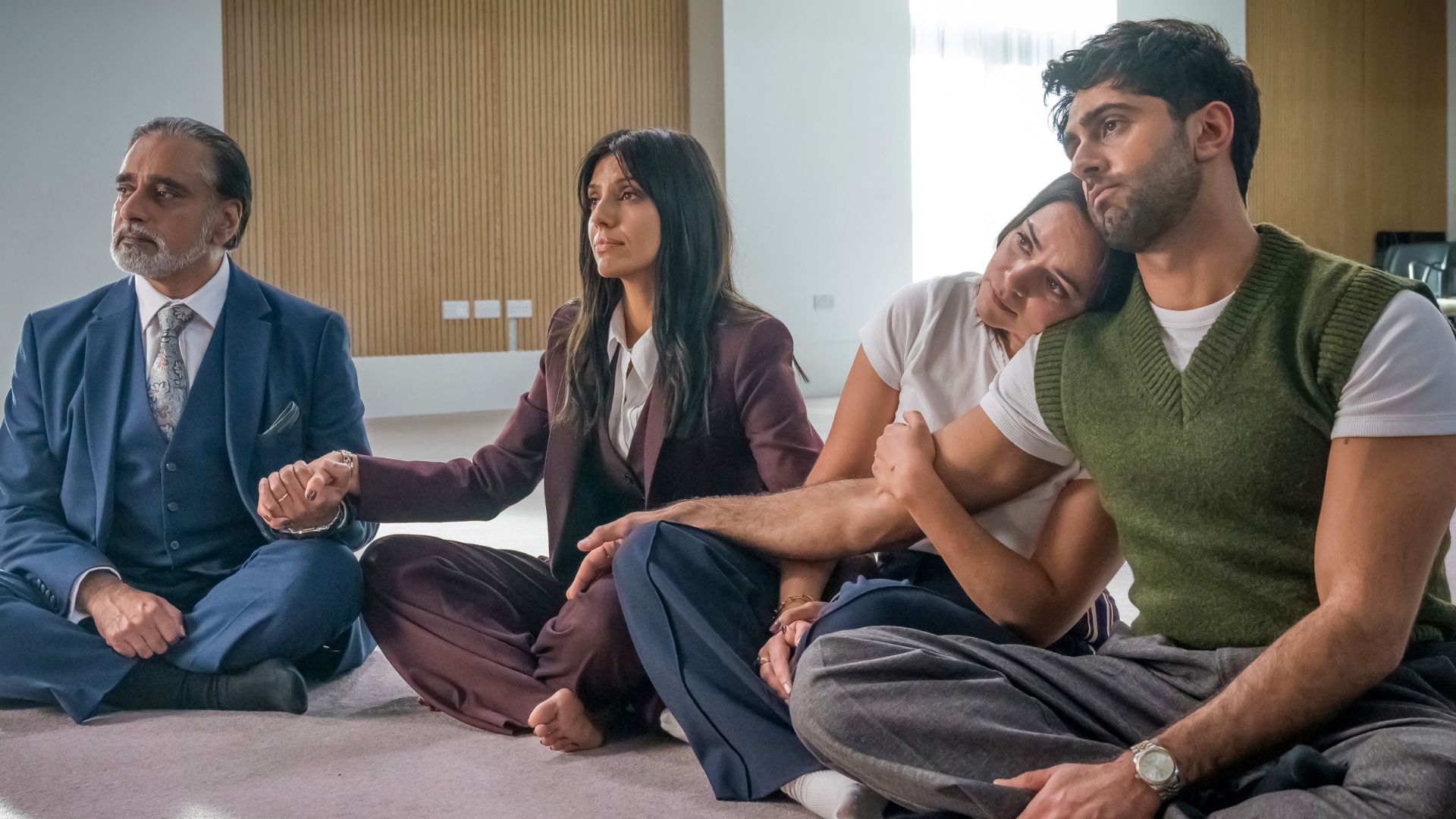
Ritu Arya shared a perspective imparted by writer Ursula Rani Sarma, emphasizing the intrinsic humanity of the script:
"Ursula beautifully said that The Split Up goes beyond representation, and there’s a universality in how we all feel human," Arya noted. "I couldn’t agree more. It’s all about how we bring our authentic selves to the table… I find that a lot more interesting to talk about."
Sanjeev Bhaskar drew direct parallels to his experiences on The Kumars at No. 42, offering a pragmatic view on how audiences process cultural identity on screen:
"I’ve got some experience in terms of representation versus family because of The Kumars at No. 42," Bhaskar explained. "That did pretty well around the world even though it was about a British Asian family interviewing guests in their London home. The reason for that was because it was a family… and everyone understands that."
Addressing the tendency of some viewers to politicize casting choices, Bhaskar added:
"In terms of people tuning into The Split Up, if they decide to look at representation, that’s more of a political issue. Most people will see a family and see themselves reflected in that. The Split did so well, and at no point did I watch it and think of it as a matriarch having nothing to do with me. I watched it as a drama. I think people who will enjoy this will not be thinking about representation."
Implications: What The Split Up Means for the Future of BBC Drama
The discourse surrounding The Split Up carries significant implications for public service broadcasters like the BBC as they commission and market diverse content.
- Normalization vs. Novelty: When diverse casts are treated as a political statement by marketing campaigns or media outlets, it can inadvertently invite polarized scrutiny. Conversely, when projects are presented strictly on the strength of their dramatic writing—as The Split Up attempts to do—it paves the way for true normalization.
- The Digital Toxicity Challenge: The emergence of hostile comments on platforms like YouTube underscores the ongoing struggle media companies face in moderating online spaces. Broadcasters must balance open engagement with the protection of their creative talent from targeted abuse.
- Proving the Universal Appeal: Ultimately, the success of The Split Up will be measured by its ability to retain viewers through its compelling narrative arcs, intricate legal cases, and emotional honesty. By focusing on universal themes—such as the pain of losing a mother, the tension of professional succession, and the complexities of sibling relationships—the series proves that great storytelling transcends demographic boundaries.
As all six episodes remain streamable on BBC iPlayer, the true legacy of The Split Up may well be its capacity to remind audiences that beneath the specifics of any family firm or cultural background lie human emotions that everyone can understand.
