
Scrolling Into Darkness: How Cinema Turned the Internet and Social Media Into Our Worst Nightmares
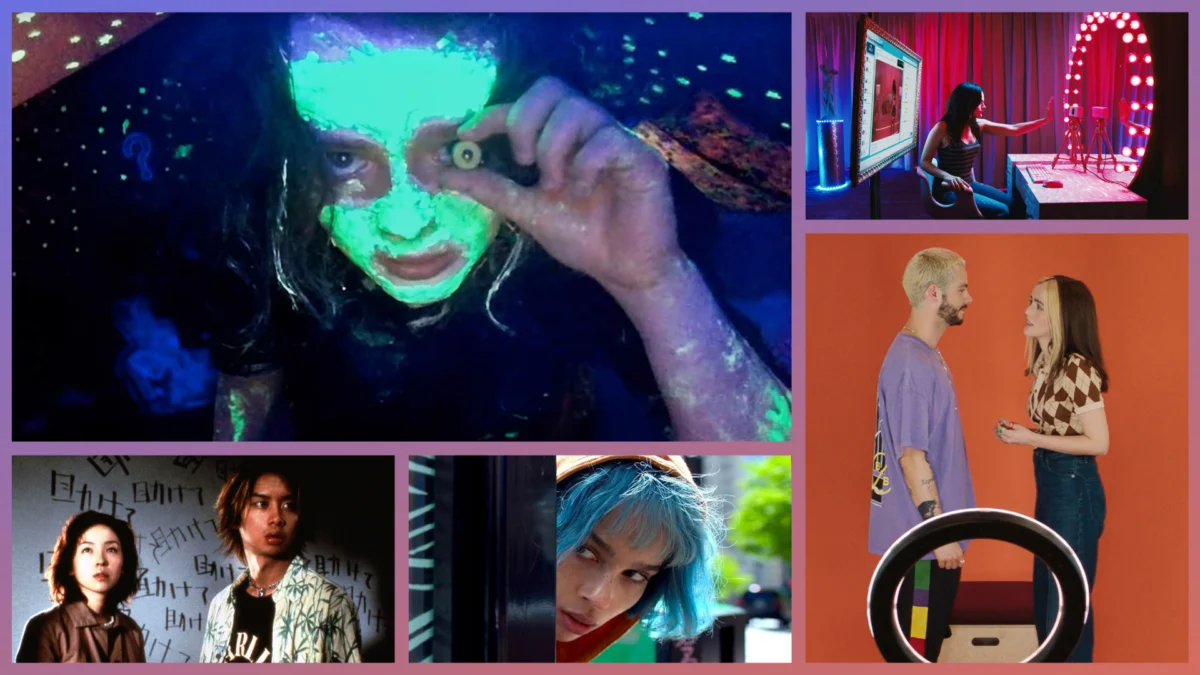
Editor’s note: This feature was originally published in August 2022 and has since been extensively updated with new cinematic entries, reflecting the rapidly evolving landscape of digital horror.
Board up the haunted houses, bar the windows against the creaking woods, and leave the ancient burial grounds undisturbed. In the modern age, there is simply no place more deeply unsettling, psychologically damaging, or fundamentally terrifying than the internet.

Long before Sandra Bullock navigated the nascent anxieties of the World Wide Web in the 1995 techno-thriller The Net, cyberspace has served as a compelling, paranoia-inducing backdrop for countless horror, thriller, and suspense films. Some of these cinematic explorations are firmly rooted in hard science fiction, while others lean heavily into the supernatural, treating computer code and wireless networks like ancient, blood-panning sorcery.
The eerie, infinite expanse of the web provides an ideal canvas for filmmakers. This fear is made infinitely more potent by the spooky implications of an unseen, largely misunderstood digital world that billions of users interact with daily without truly comprehending how it works. Below is an in-depth journalistic exploration of how the film industry has processed our collective digital anxiety, tracing the evolution, subgenres, and psychological implications of internet-centric cinema.

Main Facts: The Anatomy of Digital Fear
At its core, the cinematic subgenre of internet horror thrives on a singular, unifying premise: alienation disguised as connection. Whether examining the fatal consequences of parasocial relationships, the weaponization of personal data, or the pure, unfiltered chaos of viral culture, these films hold a distorted mirror up to modern society.
The genre generally splits into distinct stylistic camps:

- The Desktop/Screenlife Phenomenon: Films that take place entirely within the confines of a computer monitor, smartphone screen, or browser window.
- Traditional Narrative Thrillers: Movies shot in a conventional cinematic style that integrate web culture, hacking, cyber-stalking, or remote surveillance into their plots.
- Satirical Black Comedies and Social Satires: Projects that use the desperate pursuit of clout, influencer culture, and social media validation to generate dark laughs and skin-crawling dread.
- Feminist and Marginalized Perspectives: Stories that explore the intersection of digital platforms, sex work, identity, and the male gaze, transforming internet fodder into profound commentary.
While coming-of-age dramas like Bo Burnham’s Eighth Grade can induce profound, secondary social anxiety regarding middle school digital culture, they are typically excluded from frightening rankings. Similarly, harrowing documentary features—such as We Live in Public—and true-crime projects like The Tinder Swindler are undeniably horrific, but this cinematic analysis remains strictly focused on fictional storytelling.
Chronology: From Dial-Up Paranoia to Live-Stream Carnage
To understand how we arrived at today’s hyper-connected horror landscape, it is necessary to trace the historical progression of the internet in cinema across three distinct eras.

Phase 1: The Sci-Fi Novelty (Late 1990s – Early 2000s)
In the infancy of mainstream consumer internet, Hollywood viewed cyberspace through the lens of science fiction and techno-thriller abstraction. Movies like The Net (1995) and The Social Network precursors portrayed hackers as wizards and the web as a shadowy labyrinth where identities could be erased with a few keystrokes. These films reflected a society that viewed computers with cautious curiosity rather than daily dependence.
Phase 2: The Found-Footage & Screenlife Revolution (2010s)
As broadband speeds increased and webcams became ubiquitous, the horror genre adapted. Found-footage films and the revolutionary "Screenlife" format brought a knowing goofiness and immediate authenticity to computer-screen horror.

- Early entries like Unfriended (2014), Followers (2017), and the chaotic social media satire #Horror (2015) brought supernatural vengeance and cyberbullying head-on into the digital age.
- Later, tech-forward thrillers like Searching (2018) and the COVID-era breakout Host (2020) garnered widespread critical acclaim. By strictly limiting their visual grammar to FaceTime calls, Zoom windows, and mouse cursors, these films unlocked a smart, claustrophobic authenticity that traditional filmmaking struggled to replicate.
Phase 3: The Algorithmic Nightmare & Live-Stream Era (2020s–Present)
Today’s internet horror has moved past simple chatrooms and email scams, diving headfirst into the algorithmic economy. Films like Spree (2020) and Dashcam (2021) took digital terror on the road, combining ride-share applications, clout-chasing influencers, and chaotic live-streams to dizzying, nauseating effect.
Simultaneously, visible windows and cursors are no longer required to make digital dread stick. More traditionally shot psychological thrillers—such as Steven Soderbergh’s remote-work thriller KIMI (2022) and Jane Schoenbrun’s atmospheric indie We’re All Going to the World’s Fair (2021)—have successfully molded modern internet themes into deeply personal, unsettling cinematic stories.

Supporting Data & Subgenre Breakdown
To further categorize how filmmakers translate digital spaces into cinematic terror, critics and audiences frequently divide these features into specific thematic buckets based on tone and narrative mechanics.
1. The Screenlife and Found-Footage Sub-Movement
- Key Titles: Host, Searching, Unfriended, Spree, Dashcam.
- The Appeal: The illusion of real-time interaction. When a character’s cursor hovers over a suspicious link or a Zoom background reveals a shadowy figure, the audience experiences a simulated loss of control. It mimics the exact interface viewers use to watch the movie, blurring the line between fiction and reality.
2. Satirical Black Comedies and Clout Culture
- Key Titles: Tragedy Girls (2017), Ingrid Goes West (2017), Not Okay (2022).
- The Appeal: These films weaponize the pursuit of online validation. By examining stalkers, internet hoaxers, and teenage serial killers who live-tweet their murders for retweets, these projects deliver exasperated sighs and genuine laughs in equal measure, proving that the desire to be "seen" online can be deadlier than any blade.
3. Identity, Sex Work, and Bodily Autonomy Online
- Key Titles: CAM (2018), Zola (2021).
- The Appeal: Though not strictly conventional horror, these feminist-leaning projects utilize light-hearted internet fodder to emphasize serious, often terrifying perspectives. CAM explores the nightmare of digital identity theft within the webcam modeling industry, asking what happens when your online avatar takes on a life of its own and locks you out of your livelihood.
Official Responses and Industry Perspectives
Filmmakers, cultural critics, and cybersecurity experts have increasingly weighed in on why digital horror resonates so deeply with modern audiences.

Dr. Helen Vance, a media psychologist specializing in human-computer interaction, notes that internet horror taps into a very specific vulnerability: "For decades, horror relied on physical boundaries—locked doors, isolated cabins, darkness. The internet erases boundaries. When you invite a screen into your bedroom, you are inviting a potential threat directly into your private sanctuary. The terror comes from realizing that you are never truly alone, even when the screen is turned off."
Rob Savage, director of the pandemic-era hit Host, discussed the unique challenges of directing actors who were essentially filming themselves during quarantine: "We weren’t just making a movie about a Zoom call; we were exploiting the exact tool people were using to cope with isolation. By turning a communication platform into a vehicle for a demonic haunting, we subverted something comforting into something predatory."

Similarly, directors like Daniel Goldhaber (Spree) have emphasized that the modern horror villain doesn’t need a hockey mask or a supernatural curse. They just need a ring light, a ring-fenced audience, and an unquenchable thirst for algorithmic engagement.
Implications: What Digital Horror Tells Us About Society
As the boundary between physical reality and digital existence continues to dissolve, the implications of internet horror extend far beyond Saturday night popcorn thrills. These 15-plus definitive cinematic explorations of cyberspace act as cultural warning systems.

- The Erosion of Privacy: Films like KIMI and Searching demonstrate how effortlessly our daily routines, geographical locations, and intimate conversations are tracked, stored, and potentially weaponized by corporations and unseen bad actors.
- The Crisis of Authenticity: In an era defined by deepfakes, synthetic media, and curated influencer lifestyles, movies like CAM and Not Okay question the very nature of identity. If an online persona can completely override a physical human being, which one is real?
- The Weaponization of Empathy: Parasocial relationships—where fans feel an intimate connection to creators they have never met—are masterfully subverted in internet thrillers. The screen acts as a one-way mirror, fostering a dangerous sense of false intimacy that frequently erupts into violence.
Ultimately, the best internet and social media movies are terrifying because the technologies they examine are genuinely frightening. They remind us that while cyberspace was built to connect humanity, it has also constructed the ultimate labyrinth—one where every click, scroll, and swipe might just be drawing something dark a little bit closer.
