
Beyond Binary: How Star Wars: Visions Presents — The Ninth Jedi Expands the Lore into a Landmark Anime Series
By Trevor Hogg
September 09, 2026
Main Facts: A Beloved Short Expands into an Epic Limited Series
It was only a matter of time before one of the standout shorts from Lucasfilm’s acclaimed animated anthology series Star Wars: Visions broke free to become a full-fledged spinoff. The Ninth Jedi, which originally debuted in Volume 1, instantly captured the imaginations of fans worldwide. It introduced audiences to the master sabersmith Lah Zhima and his courageous daughter, Kara, whose desperate journey to rescue her father after his abduction by ruthless Jedi Hunters set a high-water mark for storytelling within the anthology format.
The narrative thread continued to weave forward in Volume 3 with The Ninth Jedi: Child of Hope, catching up with a hunted Kara as she sought refuge aboard a drifting starship. Now, this universe is expanding exponentially in Star Wars: Visions Presents — The Ninth Jedi, an eight-episode limited anime series set approximately 200 years after the era of Luke and Leia.
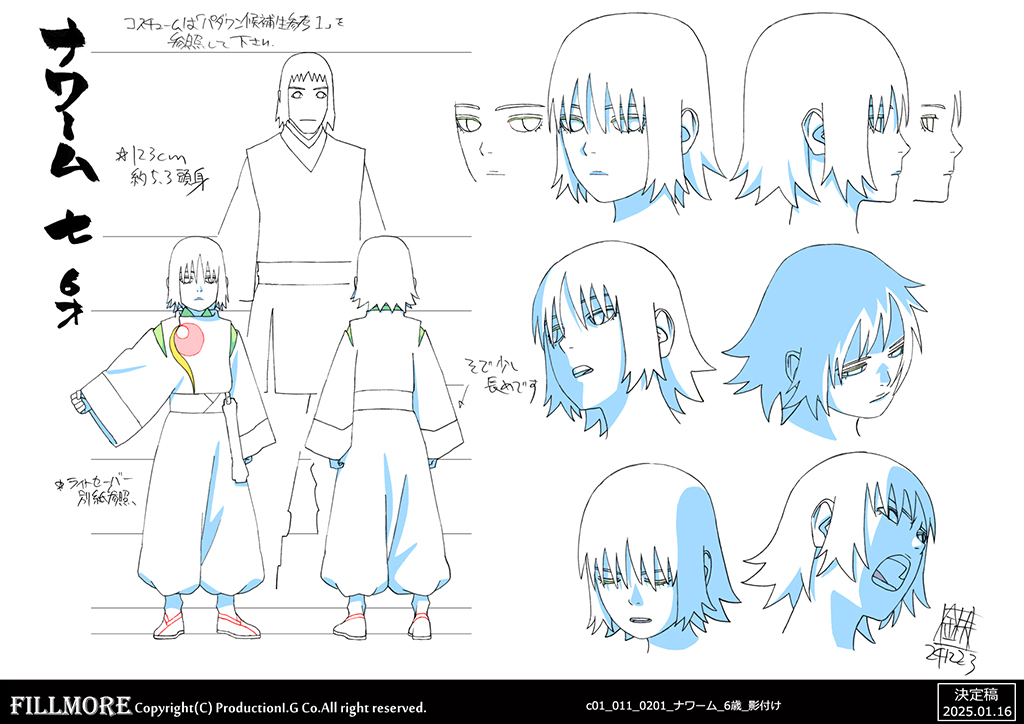
This ambitious project reunites Lah Zhima and Kara while significantly widening the narrative scope. The series dives deep into Lah’s previously obscured backstory and unveils the intricate, tragic motivations driving the main antagonist, the charismatic and formidable General Nawaam. Rather than relying on simple tropes, the production team set out to construct a multi-layered narrative that challenges the traditional boundaries of the Star Wars galaxy, exploring a era where neither the traditional Jedi Order nor the Galactic Empire holds sway.
Chronology: From Concept Shorts to a Full-Fledged Series
The journey of The Ninth Jedi from a standalone speculative short to an eight-episode narrative arc required meticulous planning and a deep foundational history. Supervising Director Kenji Kamiyama reveals that the groundwork was laid long before the green light for a series was ever secured.
"When creating the short films, we developed detailed settings for the characters’ backgrounds and interpersonal relationships, even for the parts that weren’t explicitly shown onscreen," Kamiyama explains. "That became the foundation for building the full series. As for the lightsaber combat action, our experience from the previous two shorts served as a helpful guiding benchmark for the animators who joined the project for this series."
As the production progressed into the full limited series, the chronological execution required a seamless blend of past revelations and present-day stakes. Pivotal flashbacks were constructed to shed light on Zhima’s younger days—including a dramatic confrontation with Reno that led to a tense lightsaber duel between a Padawan and his Jedi Master. To visually separate these historical sequences from the main narrative, the creative team employed a distinct pastel color palette. Director Shunsuke Tada notes that these flashback sequences were handed over to a single dedicated artist who handled everything from animation and background art to compositing and post-processing, granting them the freedom to craft an authentic, standalone visual identity.
Ultimately, the chronology of the series builds toward a monumental family reunion between Zhima and Kara. The narrative was intentionally structured so that Kara’s trials would mirror her father’s past, forcing her to confront the reality that the perennial struggle between the Jedi and Sith—good and evil—defies simplistic dualism.
Supporting Data: Production Design, Animation Hybrids, and Aesthetic Choices
Bringing the expanded universe of The Ninth Jedi to life demanded an innovative mix of traditional artistry and cutting-edge visual effects. The production relied heavily on a purposeful hybrid approach, utilizing 2D and 3D animation to distinct stylistic ends.
"We used 2D animation for elements that intentionally required stylization or exaggeration, such as the characters, while using 3D animation for elements where we didn’t want to convey organic warmth," explains Director Shunsuke Tada. "Decisions were fundamentally made based on directorial requirements."
This methodical approach extended to every corner of the world-building, from planetary destruction to iconic hardware:
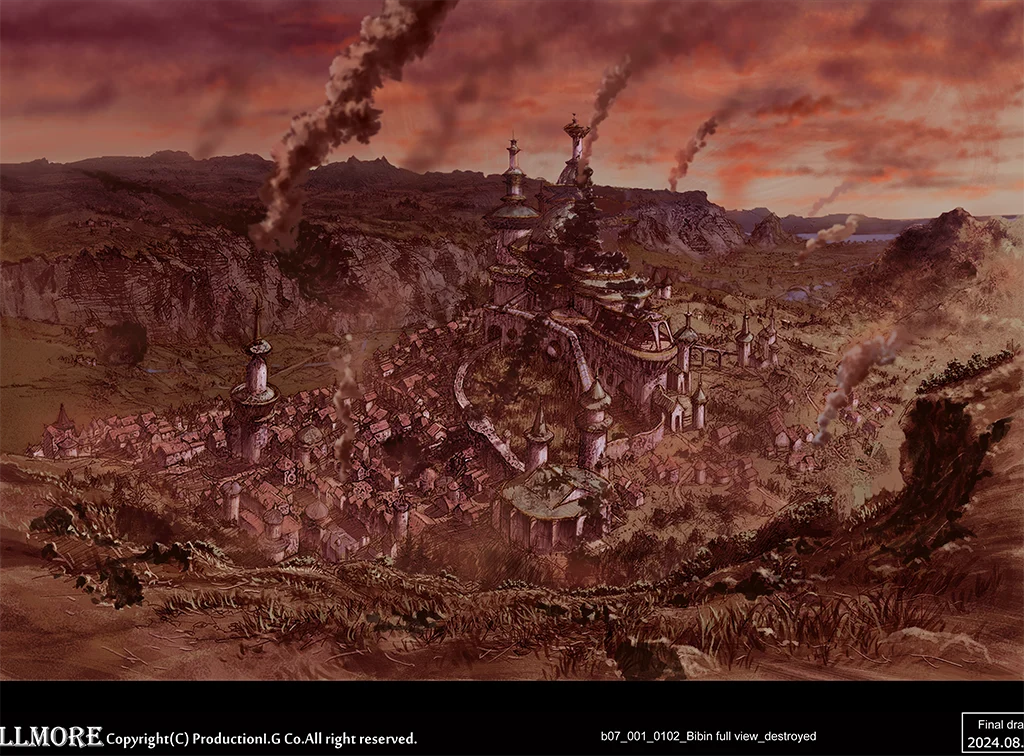
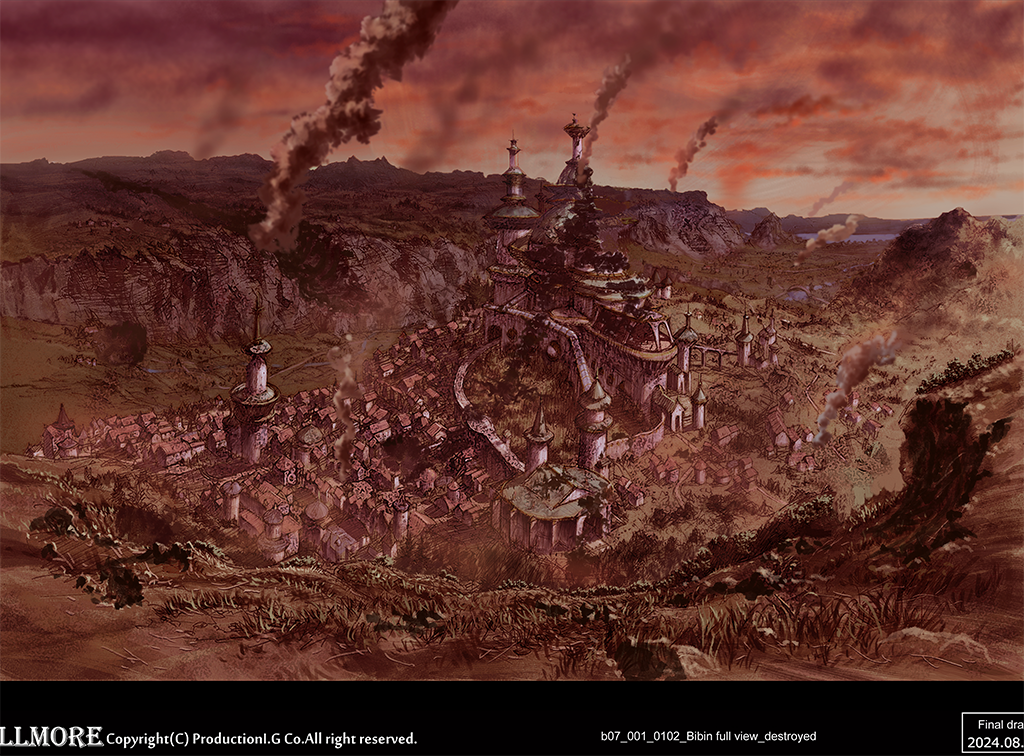
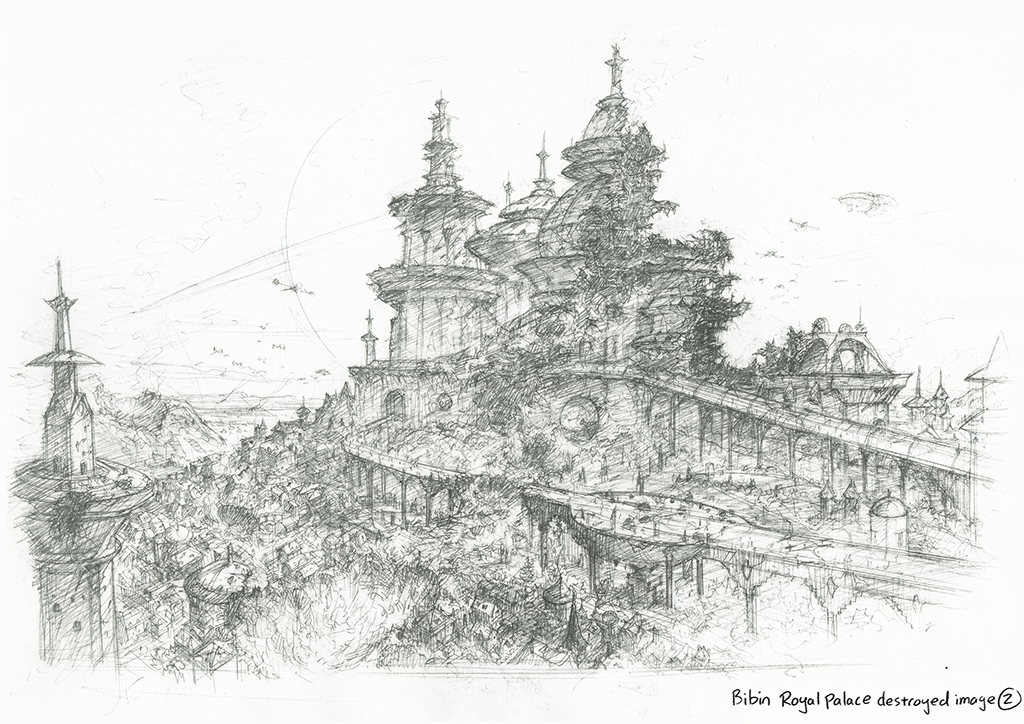
- The Bibin Catastrophe: One of the most devastating visual sequences occurs when a kyber crystal cannon misfires, causing catastrophic planetary damage. The production team represented this collateral damage by having gas from the gas giant that the planet Bibin orbits solidify in outer space and rain down onto the surface—a complex visual effect to execute.
- Retro Technology: Honoring the aesthetic roots of the franchise, hologram devices and Tafflah holograms were meticulously modeled after the low-tech, rugged gadgets characteristic of the Episode IV era.
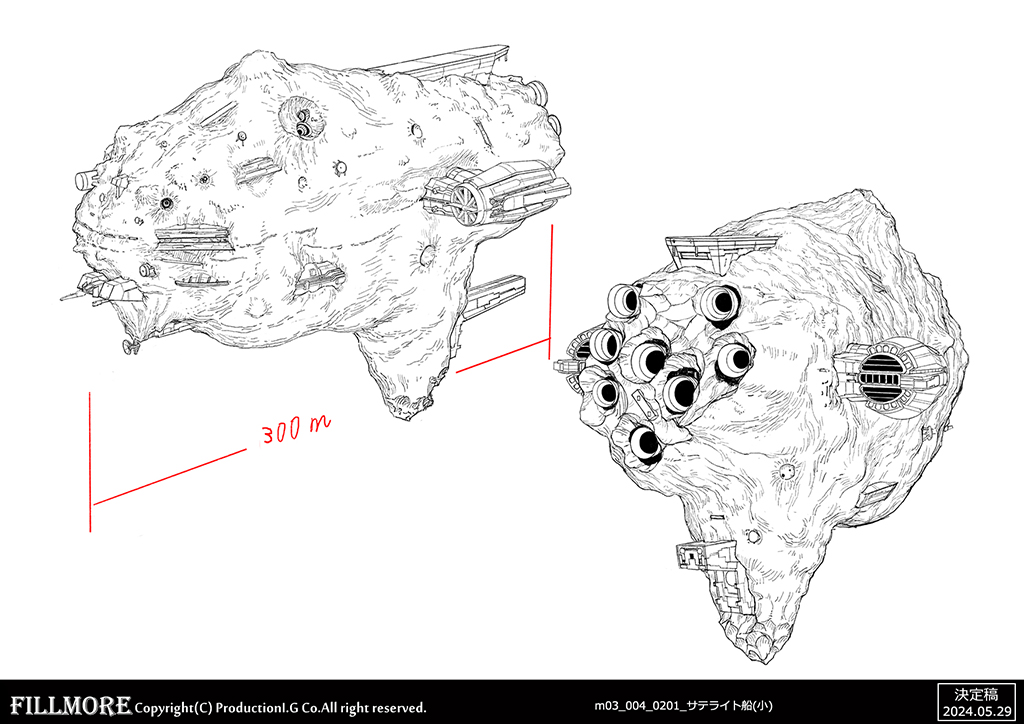
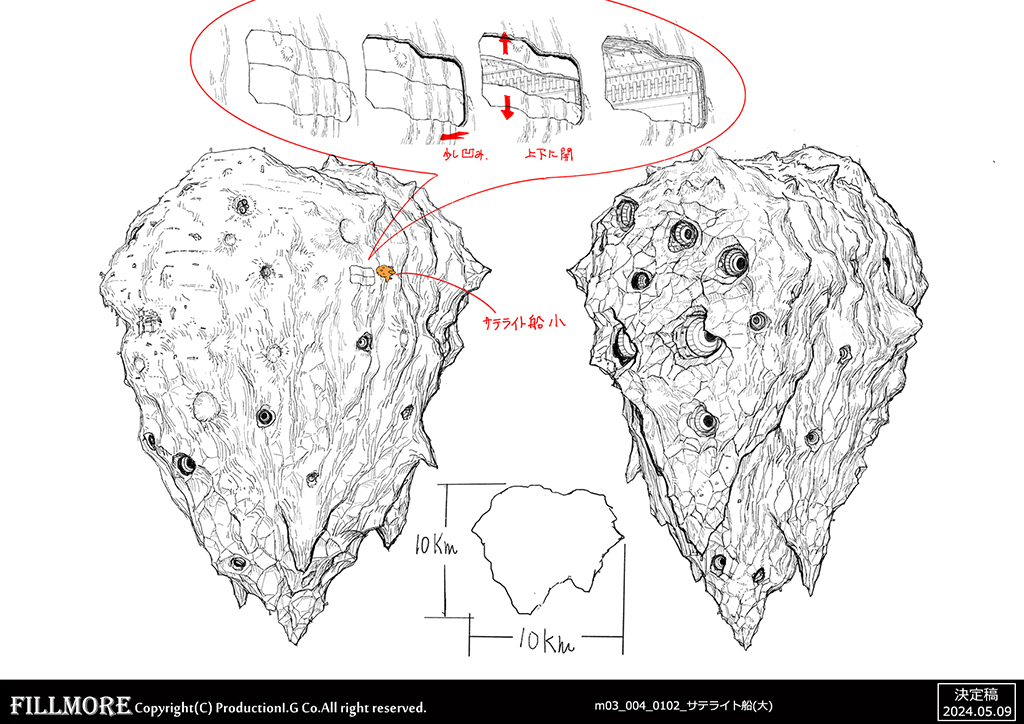
- Unique Starships: Breaking away from conventional designs, the production introduced asteroid-based starships specifically engineered to fit the economic and industrial reality of a mining planet. Additionally, standard cargo ships were reimagined for epic combat scenarios, such as the heavily armed cargo vessel that joins the fray at Makoma Ko in the final episode.
- Iconic Companions: Following in the legendary footsteps of R2-D2, the character 99-99 (affectionately known as "Four Nines") was designed to serve as a cute, clever, and indispensable partner to the protagonist.
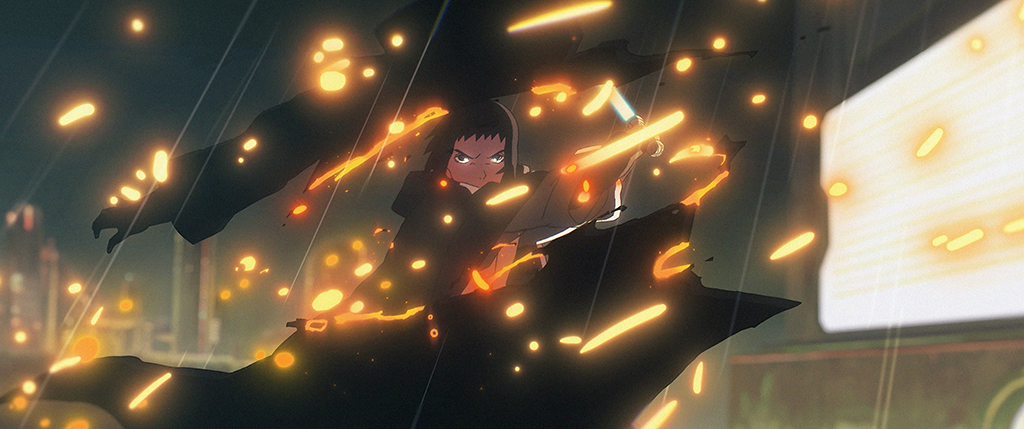
Lightsabers and combat choreography also underwent a rigorous design phase. Taking cues from traditional Japanese weapons like katanas and spears, the prop design team crafted entirely new hilt architectures. Central to the narrative is the concept of the silver lightsaber blade, which represents mu no kyōchi—a state of selfless clarity. Because a wielder’s connection to the Force shapes the color of the crystal, mastering this silver light became a pivotal visual and thematic milestone. Choreography-wise, characters predominantly assume a mid-level posture (seigan no kamae) before closing the distance, blending structured storyboarding with the individual flair of participating animators.
Official Responses: Insights from the Directors
The creative visionaries behind Star Wars: Visions Presents — The Ninth Jedi have been vocal about the philosophical and artistic risks taken during production. Kenji Kamiyama and Shunsuke Tada approached the project with a desire to subvert expectations while honoring the core emotional beats that make Star Wars resonate with audiences.
Speaking on character arcs, Kamiyama notes a deliberate choice regarding the series protagonist: "Typically, a protagonist starts out incomplete and weak, gradually growing over time. However, I chose to portray Kara as strong from the start to make the audience imagine what she must have experienced up to that point. On top of that, to embody the core theme that justice and evil, the Light Side and Dark Side, are two sides of the same coin, we put her through a massive setback and a fall to the Dark Side. This challenge pushes her toward a realm that no one before her had ever reached."
Kamiyama also addresses the overarching thematic weight of the series: "Justice can sometimes become evil, and there are moments when evil appears to be justice. In modern times, where good and evil can no longer be discussed in simple dualistic terms, we need to re-examine our past actions, even if that means making choices that temporarily look like taking the side of evil. To do that, one must constantly evaluate oneself from multiple perspectives."
This philosophy directly informed the reimagining of the Jedi Order itself. Rather than portraying them as infallible saints, Kamiyama sought to rebuild the Jedi—who had grown bound by rigid, bureaucratic rules—back into authoritative, charismatic figures akin to Japanese samurai generals. These are heroes capable of decisively passing judgment to maintain cosmic fairness, even if it requires striking down an enemy.
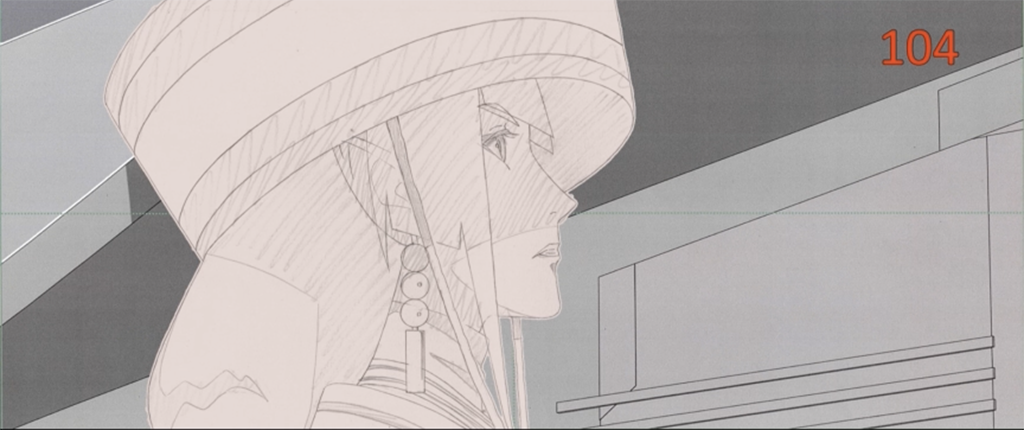
Reflecting on the collaborative effort required to pull off the project, Kamiyama shares a heartfelt sentiment: "This gem of an anime series was brought to life by many exceptionally talented creators who poured every ounce of their effort into participating in the beloved Star Wars universe. I sincerely hope as many Star Wars fans as possible get to watch and enjoy it."
Implications: Redefining the Boundaries of the Star Wars Universe
The launch of Star Wars: Visions Presents — The Ninth Jedi carries profound implications for the future of the Star Wars franchise and its animation division. By proving that anthology shorts can successfully transition into expansive, serialized narratives, Lucasfilm has opened a new frontier for storytelling outside the restrictive constraints of live-action Skywalker Saga continuity.
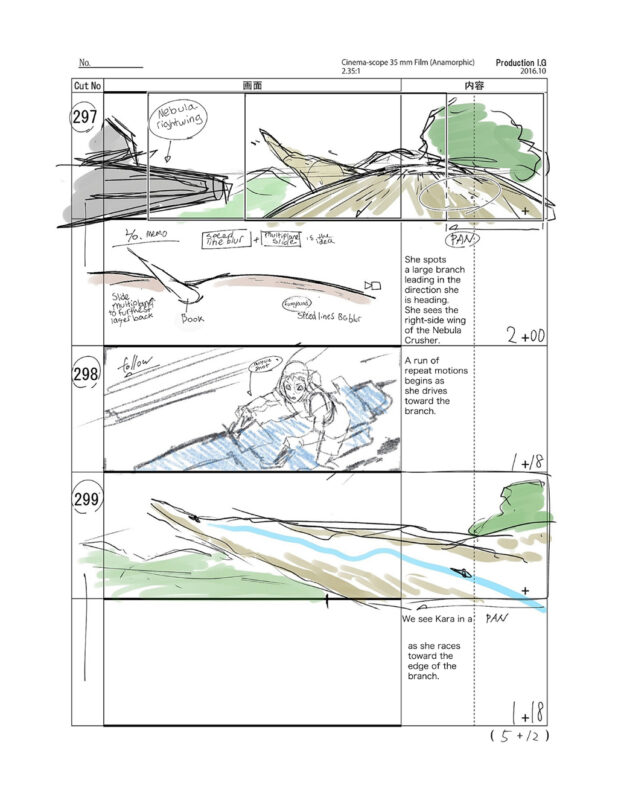
By setting the narrative two centuries after the iconic Original Trilogy era, the creative team has effectively created a sandbox devoid of traditional galactic superpowers. Without the Empire, the Republic, or a fully restored Jedi Order dictating the political landscape, the series explores moral gray areas that are rarely touched upon in mainstream media. The exploration of a world where good and evil are recognized as fluid concepts challenges the traditional light-versus-dark binary that has defined the franchise for decades.
Furthermore, the marriage of traditional 2D anime aesthetics with advanced 3D visual effects sets a new technical benchmark for future Star Wars animated projects. It demonstrates that Western mythos can successfully filter through Eastern cinematic traditions—particularly the aesthetic sensibilities of samurai culture and bushido philosophy—without losing the soul that made the galaxy far, far away a global phenomenon.
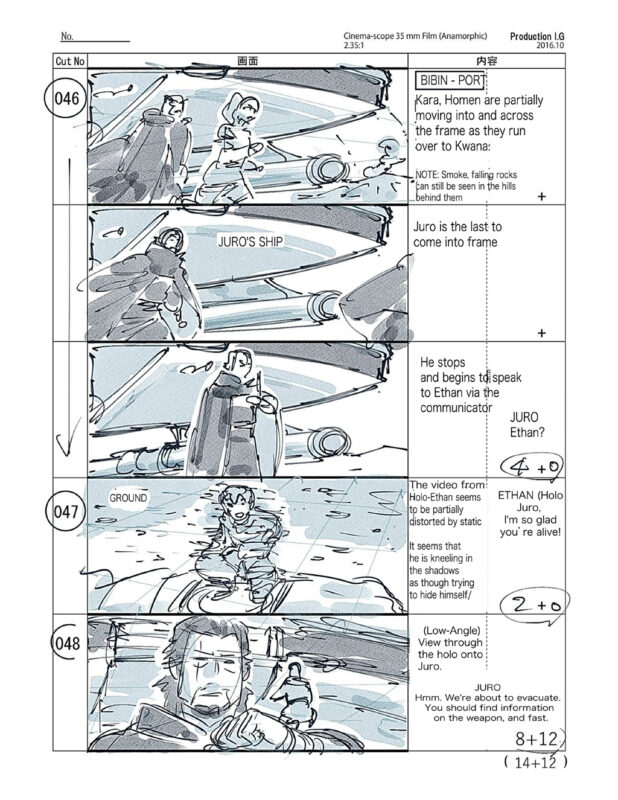
As viewers journey alongside Kara, General Nawaam, and Lah Zhima through these eight episodes, The Ninth Jedi stands as a testament to the power of creative risk-taking, proving that the Star Wars universe still holds endless, uncharted territories waiting to be explored.
