
Cristian Mungiu’s Fjord: A Chilling Examination of Faith, Culture, and the State
Main Facts
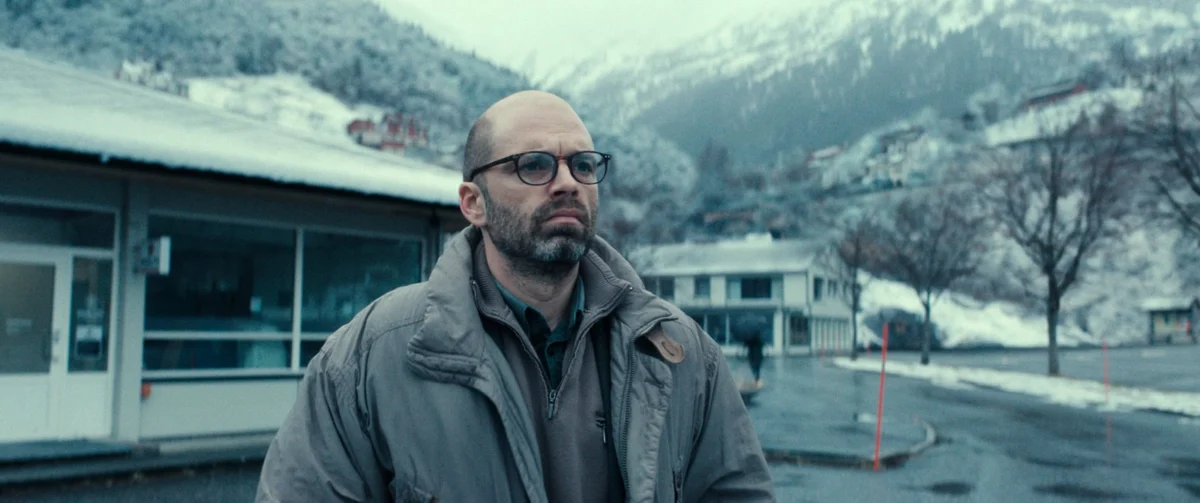
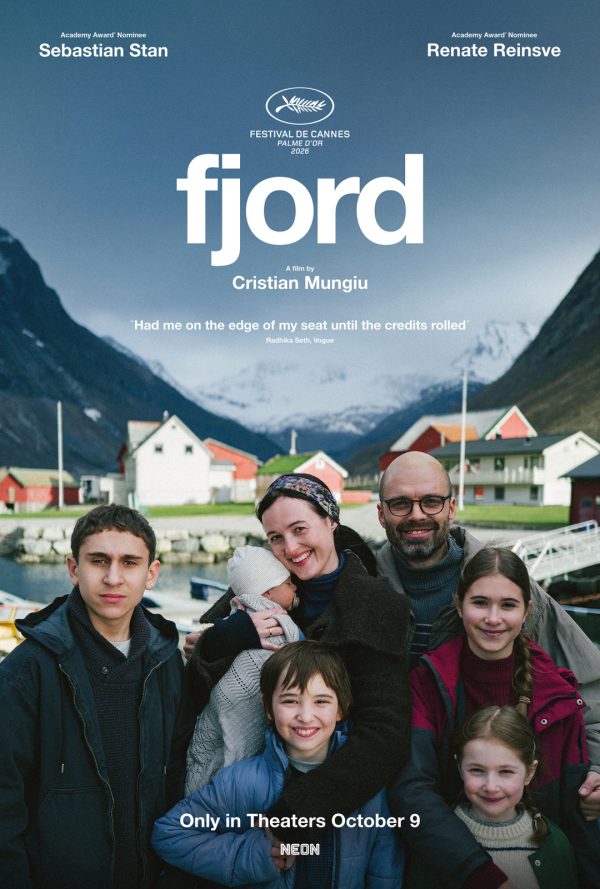
Renowned Romanian writer and director Cristian Mungiu returns with Fjord (2026), a striking 146-minute sociopolitical drama that dissects the volatile intersection of devout evangelicalism, immigrant identity, and state-run child protection systems. Set against the stark, freezing landscapes of Norway, the film follows Mihai Gheorghiu (Sebastian Stan), a Romanian software developer, and his Norwegian wife, nurse Lisbet (Renate Reinsve). After moving their five children back to Lisbet’s home country, the family finds themselves under intense judicial scrutiny when Norway’s Child Protective Services (CPS) launches an aggressive investigation into their unorthodox, deeply religious upbringing methods.
Featuring stunning cinematography by Tudor Vladimir Panduru—which captures both the serene beauty and the isolating chill of the fjords—the film boasts a stellar ensemble cast. Alongside Stan and Reinsve, the cast features Lisa Carlehed, Henrikke Lund-Olsen, Vanessa Ceban, Jonathan Ciprian Breazu, Ellen Dorrit Petersen, Lisa Loven Kongsli, and Markus Tønseth. Clocking in at over two hours, Fjord utilizes a methodical, clinical pace to challenge viewers’ moral compasses, forcing them to weigh systemic overreach against the limits of parental autonomy.
Chronology of the Narrative
The structural momentum of Fjord unfolds across a carefully paced timeline that shifts from domestic insularity to institutional intervention and, finally, courtroom confrontation.

Act I: Insular Devotion and Cultural Disconnect
The narrative introduces the Gheorghiu household as a self-contained ecosystem governed by strict religious parameters. The children’s daily lives revolve around a point-based merit system rewarding the study and practice of Christianity. Excluded from modern technology, contemporary music, and ordinary peer socialization—such as a neighbor’s birthday party—the children exhibit varying degrees of social maladjustment. The film primarily focuses on older siblings Elia (Vanessa Ceban) and Emmanuel (Jonathan Ciprian Breazu), who are increasingly drawn to Noora (Henrikke Lund-Olsen), the rebellious, moody daughter of the local school headmaster, Mats (Markus Tønseth). Noora’s secret nocturnal escapades on the family boat and minor self-harm establish a thematic contrast, questioning whether progressive, relaxed parenting yields better results than dogmatic conservatism.
Act II: The Investigation and Institutional Disruption
The inciting incident occurs when Elia arrives at school with a visible mark on her hand. Prompted by institutional protocols, CPS immediately flags the injury as suspected physical abuse. During the subsequent investigation, language barriers and cultural misunderstandings compound the family’s woes. Mihai admits to casually "slapping them on the butt" as a disciplinary measure in the past—a statement that CPS worker Gunda (Ellen Dorrit Petersen) interprets through a harsher, legally perilous lens.
This tension culminates in a devastating, single-take sequence set against the backdrop of a fluttering Norwegian flag. CPS informs a stunned Lisbet that pending a civil trial, all five children—including an infant reliant on breast milk—will be immediately stripped from their home and placed into foster care.
Act III: The Courtroom Crucible
The film’s back half transitions into a dynamically composed courtroom drama. Frida (Lisa Loven Kongsli), Mats’s wife, steps forward to act as the family’s attorney, attempting to bridge the massive ideological chasm between her community and the immigrant couple. As the trial progresses, the narrative explores whether the state’s intervention is a genuine defense of children’s rights or an exercise in systemic religious persecution targeting an ideological minority.
Supporting Data and Production Overview
- Fjord
- Release Year: 2026
- Runtime: 146 minutes (2 hours and 26 minutes)
- Genre: Sociopolitical Drama / Legal Thriller
- Director & Writer: Cristian Mungiu
- Cinematographer: Tudor Vladimir Panduru
- Main Cast:
- Sebastian Stan (Mihai Gheorghiu)
- Renate Reinsve (Lisbet Gheorghiu)
- Ellen Dorrit Petersen (Gunda)
- Vanessa Ceban (Elia)
- Jonathan Ciprian Breazu (Emmanuel)
- Henrikke Lund-Olsen (Noora)
- Markus Tønseth (Mats)
- Lisa Loven Kongsli (Frida)
- Lisa Carlehed
- Øyvind Venstad Kjeksrud (Ake)
Official Responses and Thematic Analysis
While Fjord is a fictional work, its narrative echoes real-world geopolitical and cultural debates surrounding child welfare practices in Scandinavia—most notably the Norwegian Barnevernstjenesten (Child Welfare Services)—and how they intersect with immigrant families from Eastern Europe.
Critics and early festival reviewers have praised Mungiu for refusing to offer easy narrative resolutions. The director deliberately avoids painting the characters in broad strokes of good and evil. In official press materials and early interviews regarding the film’s thematic core, Mungiu noted an interest in examining the "boundaries of tolerance" in modern pluralistic societies.
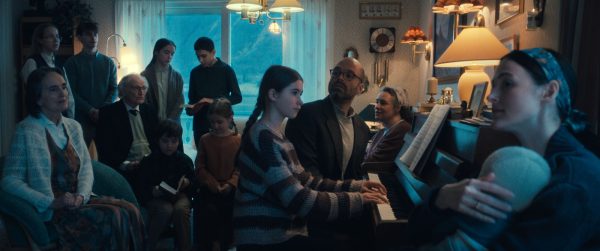
On one hand, the film does not shy away from exposing the deeply problematic nature of the Gheorghiu family’s belief system. Their insistence on raising children isolated from modernity, paired with archaic disciplinary measures and conservative stances on social issues—such as teaching that families must strictly consist of a man and a woman—clashes sharply with contemporary secular values.
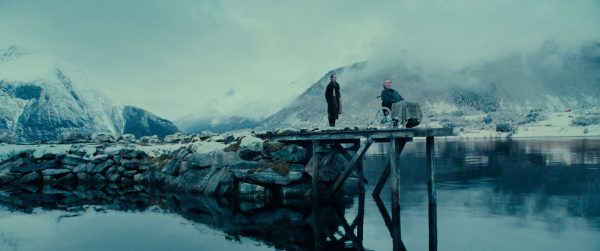
Conversely, the film interrogates the cold, mechanical efficiency of the state. Characters like Gunda represent an institutional apparatus that can appear dogmatic in its own right, moving swiftly to dismantle a family unit without fully accounting for the psychological trauma inflicted upon children ripped from their parents. Through nuanced performances from Sebastian Stan and Renate Reinsve, the parents retain a shred of genuine humanity and protective love, complicating the audience’s emotional allegiance. Even Lisbet’s parallel subplot—caring for a depressed and immobile local neighbor named Åke (Øyvind Venstad Kjeksrud)—serves to demonstrate that despite their insular religious views, the couple functions productively and compassionately within the broader community framework without actively proselytizing to outsiders.
Implications and Critical Reception
Fjord arrives as a major milestone in contemporary European cinema, prompting profound discussions across legal, sociological, and artistic domains.
1. The Clash of Legalism and Cultural Relativity
The central implication of Mungiu’s work is the inherent difficulty of defining abuse versus cultural child-rearing differences in a globalized world. When an immigrant family relocates to a nation with rigid social safety standards and child welfare laws, the friction can quickly escalate into a legal catastrophe. The film forces legal scholars and viewers alike to ask: At what point does a state’s mandate to protect a child infringe upon religious freedom and parental rights?
2. The Limits of Empathy in Polarized Times
Artistically, Fjord succeeds by weaponizing emotional distance. The cold, clinical tone adopted by Panduru’s camera mirrors the bureaucratic indifference of the judicial system. While some critics argue that sidelining the children’s internal perspectives once they enter foster care represents a narrative missed opportunity, this choice reinforces the film’s overarching thesis: in large-scale ideological battles between the state and the family, the actual voices of the vulnerable youth are frequently swallowed by the machinery of the argument.
3. A Mirror to Two Extremes
Ultimately, Fjord posits that extremism comes in multiple forms. Whether it is the rigid, points-based fundamentalism of a household attempting to shield itself from a changing world, or the unyielding, monolithic reach of a secular state bureaucracy determined to enforce cultural uniformity, the casualties are ultimately the same. By refusing to validate either side completely, Cristian Mungiu has crafted a cinematic experience that lingers long after the credits roll, ensuring that audiences leave the theater mentally wrestling with the uncomfortable, jagged edges of modern tolerance.
