
The Lanterns Finale Exposes the Truth Behind Hal Jordan’s Death: A Breakdown of the DCU’s Most Controversial Twist
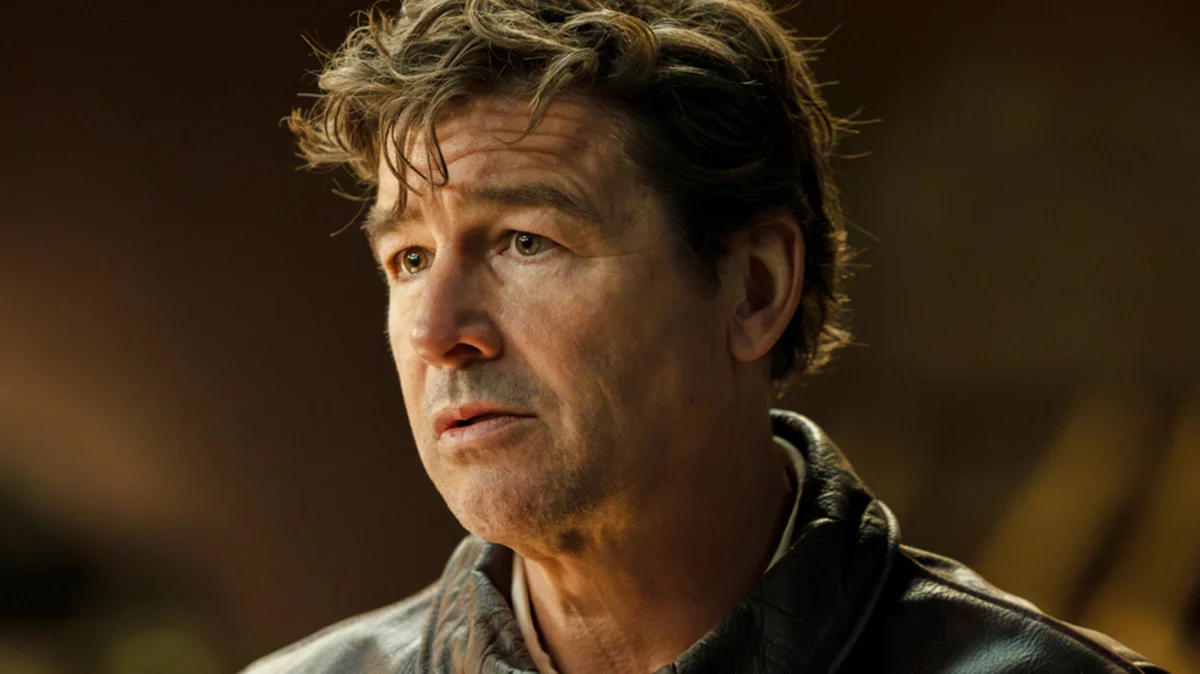
When DC Studios announced that veteran Green Lantern Hal Jordan would meet his demise at the very beginning of the HBO Max series Lanterns, the internet erupted. For longtime comic book fans, killing off one of DC’s most iconic heroes right out of the gate was a massive gamble. DC Studios co-head James Gunn even stepped in publicly to address the intense backlash, defending the creative choice as a necessary narrative catalyst for the newly burgeoning DC Universe (DCU).
While hopeful fans spent weeks speculating about miraculous revivals or cosmic resurrections, the Season 1 finale slammed the door shut on those theories. Hal Jordan is definitively, irreversibly dead. However, the identity of his killer—unveiled in the closing moments of Episode 8—turns what was already a heartbreaking narrative into a Greek tragedy of cosmic proportions.
Main Facts: The Shocking Truth of Hal’s Murder
Throughout the eight-episode run, Lanterns played a high-stakes mystery game, tossing out red herrings and shifting suspicions. The narrative crescendo of the finale dismantled these theories piece by piece:
- The Confession: Initially, Noah Macon (played by Shea Pritchard) confesses to pulling the trigger, claiming he killed Hal to protect his clandestine plots.
- The Real Killer: Flashbacks and deductive work by John Stewart (Aaron Pierre) reveal that Noah was actually taking the fall to protect his mother, Sheriff Kerry Kane (Kelly Macdonald).
- The Motive: Kerry shot Hal out of sheer desperation after he discovered Noah’s true identity as a Manhunter and his plot to enact violent vengeance against the Guardians of the Universe.
- The Final Words: As Kerry pulled the trigger, Hal’s final words to the woman he loved were, "Goddamit, I love you."
Chronology of a Tragedy: How the Conspiracy Unraveled
To fully grasp the magnitude of the finale’s revelation, one must look at how the breadcrumbs were laid out across the season, culminating in a devastating final episode.
Weeks of Misdirection
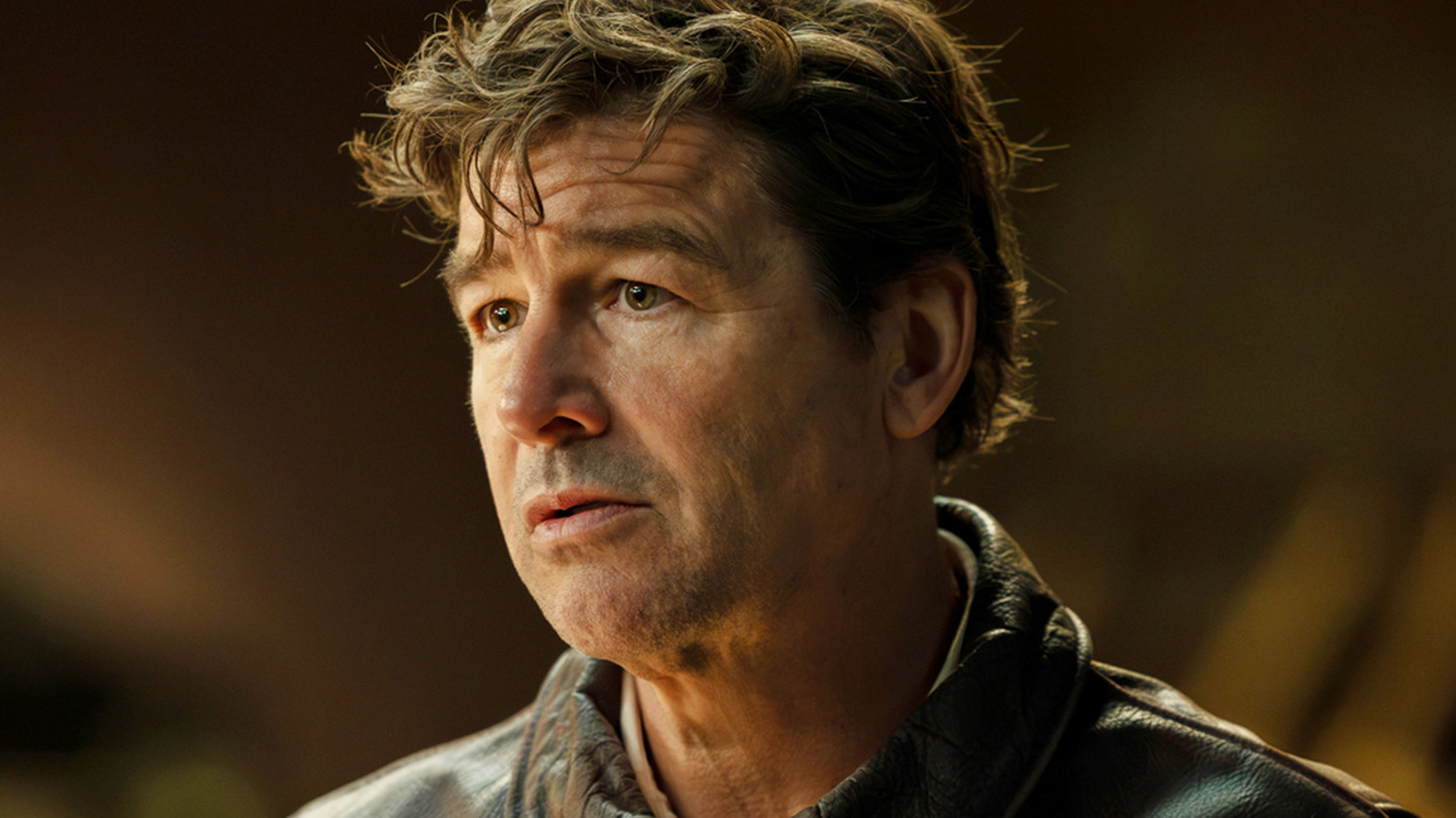
For the first six episodes, the circumstances surrounding Hal Jordan’s (Kyle Chandler) death were shrouded in mystery, framed as a sudden loss that rocked the cosmic and local landscapes alike. Things took a psychological turn in Episode 7, which heavily suggested that Hal might have died by suicide. The episode drew parallels between Hal’s tragic end and the generational depression that plagued his father and grandfather, leading viewers to believe the veteran Green Lantern had succumbed to his own internal demons.
Even the finale initially leaned into deception. When John Stewart interrogates Thaal Sinestro (Ulrich Thomsen)—who was broken out of a maximum-security space prison—the conspiracy widens. Sinestro reveals that Noah Macon engineered his escape. Noah, operating as a covert Manhunter, sought revenge against the Guardians of the Universe for the death of his grandmother, fellow Manhunter Zoe Macon (Poorna Jagannathan).
The Flashback That Broke the Internet
Noah initially tells John that he murdered Hal because the veteran hero stumbled onto the revenge plot. Noah claimed he couldn’t afford to let Hal blow the whistle to his mother, Sheriff Kerry Kane.
However, the finale’s crucial flashback sequence exposes the heart-wrenching truth. Hal had indeed followed Noah and unmasked his plot against the Guardians. Seeking a peaceful resolution that protected everyone, Hal met Kerry at a local high school football field. He laid out the terrifying reality of the situation and urged her to pack up and leave with him for Guadalajara to keep both her and Noah safe.
"This isn’t just about you," Hal pleaded. "Listen to me, people are in danger, Noah’s in danger."
Overwhelmed by panic, maternal instinct, and the terror of her son’s secrets being exposed, Kerry turned a weapon on the man she loved and fired a single, fatal shot.
Supporting Data and Character Dynamics: Why This Hurts So Much
To understand why this twist has deeply polarized the fanbase, one must examine the emotional architecture built around Hal Jordan in Lanterns.
- Isolation and Connection: Throughout the series, Hal is portrayed as an isolated, weary figure who struggles profoundly to connect with anyone. His abrasive nature and cosmic burdens left him virtually alone.
- The Kerry Kane Bond: Following his release from prison, the only genuine, meaningful human connection Hal managed to forge was with Sheriff Kerry Kane. Flashbacks throughout the finale emphasize how deep and healing their bond was.
- The Brutal Irony: Hal was actively trying to protect Kerry and her son by proposing they flee together. In return, his life was cut short by the only person on Earth who genuinely loved him—and whom he truly loved back.
Official Responses and Creative Intent
The handling of Hal Jordan has been arguably the most scrutinized creative decision of the early DCU era. James Gunn and the series’ showrunners have leaned into a grounded, noir-infused approach to the cosmic lore, treating space cops and galactic threats through a gritty, human lens.
Speaking on the creative direction of the series, the production team has emphasized that Lanterns was never designed to be a standard, cape-and-cowl superhero romp. By casting older, weathered actors like Kyle Chandler and grounding the narrative in small-town procedural elements mixed with cosmic conspiracies, the creative team aimed to subvert expectations.
However, killing a legacy character like Hal Jordan—and compounding it by having his romantic partner be his accidental/impulsive executioner—has sparked intense internal debates within the fandom regarding how legacy heroes are treated in modern cinematic universes.
Implications for the Future of the DCU
With Season 1 of Lanterns officially in the books, the fallout from this finale will cast a long shadow over the future of the DCU.
- John Stewart’s Ascension: With Hal permanently out of the picture, John Stewart is firmly established as the definitive primary Green Lantern of this universe. The emotional weight of carrying on the legacy—while knowing the dark secrets surrounding Hal’s death and the Manhunter infiltration—will heavily shape his arc in future seasons.
- The Fate of Sheriff Kerry Kane: Kerry’s actions were born of maternal desperation rather than malice, but the narrative consequences of murdering a Green Lantern and covering it up with a Manhunter are monumental. Whether she faces cosmic justice or manages to bury the secret remains to be seen.
- Fan Trust and Adaptability: The decision to kill Hal Jordan in such a grim, unglamorous fashion has tested the patience of purists. While some praise the bold, unflinching storytelling, others feel it squandered a beloved character. How DC Studios addresses this fan sentiment in upcoming projects will be critical as the universe continues to expand.
Ultimately, Lanterns has delivered one of the most tragic character exits in modern superhero television history. Whether history looks back on Hal Jordan’s demise as a visionary narrative risk or a step too far will depend entirely on how the DCU handles the ashes left behind.
