
The Death of Free Broadcast: Why the Oscars and Emmys Are Abandoning Traditional TV for Streaming Giants
By [Your Name/Staff Writer]
Published: October 2026
Main Facts
The landscape of Hollywood’s premier celebratory events is undergoing a seismic, irreversible shift. In a pair of historic announcements that signal the definitive twilight of the broadcast television era, both the Academy of Motion Picture Arts and Sciences and the Television Academy have severed their decades-long ties with traditional television networks.
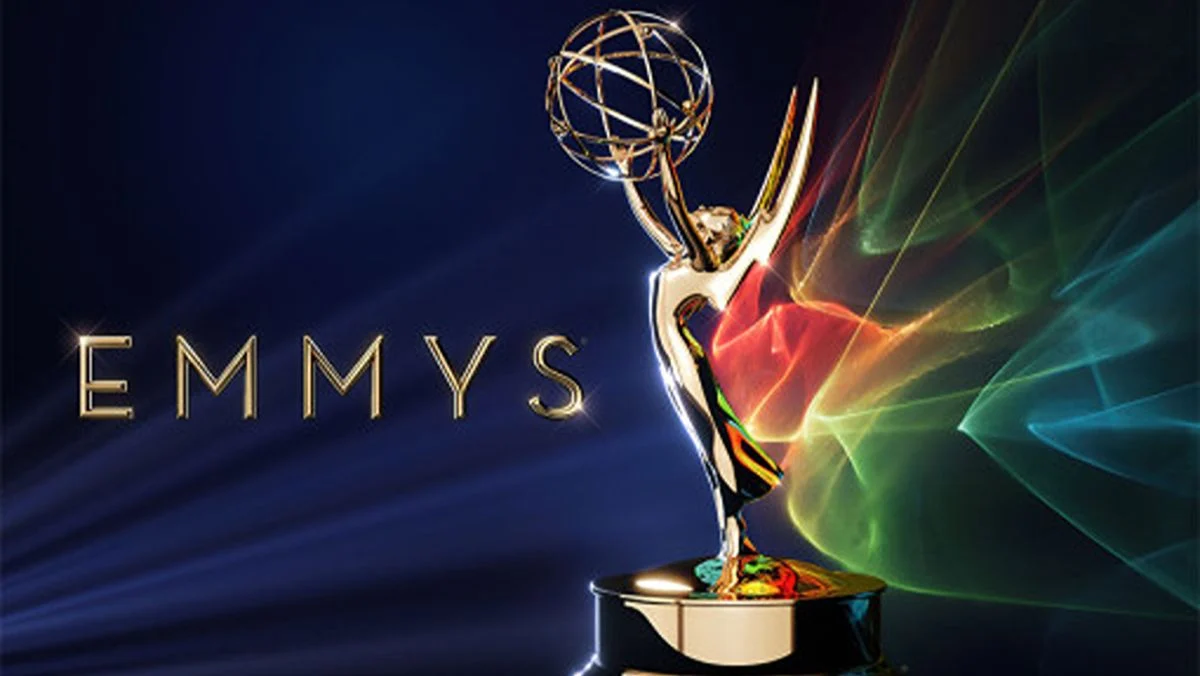
Beginning in 2029, the Academy Awards—commonly known as the Oscars—will officially leave network television behind to broadcast exclusively as a YouTube event. This comes on the heels of an equally momentous announcement from the Television Academy: the Primetime Emmy Awards are moving away from free broadcast TV after securing a massive, six-year exclusive deal with Amazon’s Prime Video, effective immediately for the 2027 ceremony.
While the prospect of Hollywood’s biggest nights migrating entirely behind paywalls or digital-exclusive platforms once seemed unthinkable, industry insiders note that it has become an inevitability of the modern media economy. The Emmys will no longer rotate among the four major broadcast networks (ABC, CBS, NBC, and FOX), a tradition that defined television history for generations. Instead, Prime Video will serve as the exclusive home for the ceremony through 2032, keeping the event off traditional network television until at least 2033.
Furthermore, discussions are actively underway to expand Amazon’s streaming footprint within the Television Academy. Prime Video is reportedly poised to absorb the Creative Arts Emmys, alongside auxiliary programming including the Television Academy’s prestigious Hall of Fame inductions and the Television Academy Honors ceremony.
These twin developments confirm what media analysts have warned about for years: the traditional television event, once designed to be universally accessible via public airwaves, is transitioning into a digital-first, subscriber-exclusive commodity.
Chronology of Events
To understand the magnitude of this transition, it is necessary to examine how the relationship between Hollywood award shows and broadcast networks frayed over the past decade.
- Pre-2020s: For over half a century, award shows like the Oscars and the Emmys served as the crown jewels of traditional broadcast television. Operating on a rotating "wheel agreement" model, the Emmys cycled annually among the "Big Four" networks, pulling in tens of millions of simultaneous viewers and serving as prime promotional real estate for network programming.
- The Streaming Disruption (2020–2024): As cord-cutting accelerated, traditional broadcast ratings for live events experienced a steady, multi-year decline. Networks found it increasingly difficult to justify the skyrocketing licensing fees demanded by academies while ad revenue shifted toward digital and targeted streaming alternatives. Concurrently, streaming platforms like Netflix, Apple TV+, and Amazon Prime Video became the dominant powerhouses producing the very content being nominated, creating a jarring disconnect where streaming shows won awards on traditional broadcast networks.
- Late 2026: The dam finally breaks. Reports surface via The Hollywood Reporter confirming that the Television Academy has finalized a groundbreaking, long-term agreement with Amazon Prime Video.
- 2027 (The Upcoming Milestone): The Primetime Emmy Awards will break a decades-old tradition by airing live exclusively on Prime Video rather than a broadcast network. This marks the first time a major American television award show abandons public airwaves entirely for a subscription-based streaming ecosystem.
- 2028–2032: The duration of the Prime Video and Television Academy exclusivity window, cementing Amazon as the institutional home of television’s highest honors well into the next decade.
- 2029: The Oscars make their long-planned leap from traditional television to YouTube, completing the total migration of Hollywood’s "Big Two" awards out of the traditional living room broadcast ecosystem and into the hands of digital tech giants.
Supporting Data & Industry Context
The financial and viewership metrics underlying these moves tell a clear story of shifting consumer habits and economic survival.
For decades, the broadcast networks relied on award shows as massive promotional engines. In the 1990s and early 2000s, the Oscars routinely drew upwards of 40 to 50 million viewers in the United States alone. The Emmys similarly commanded audiences between 15 and 20 million. However, by the mid-2020s, those numbers had fractured. While live events still outperformed scripted television in linear ratings, the year-over-year erosion of the 18-49 demographic watching live commercial television made the status quo economically untenable for networks.
Conversely, tech companies like Amazon and Google (parent company of YouTube) possess seemingly limitless capital and a strategic imperative to drive ecosystem engagement. For Amazon, securing the Emmys is not merely about ad revenue or subscription spikes; it is about prestige branding. Owning the Emmys allows Prime Video to position itself at the center of the television universe, tightly binding the platform that hosts the awards with the platforms that produce the winning prestige dramas and comedies.
Similarly, YouTube’s capture of the Oscars reflects a pivot toward live, event-driven streaming. YouTube has spent years aggressively courting traditional media, securing the NFL Sunday Ticket and positioning itself as a dominant player in both user-generated content and high-end live broadcasting. For the Academy of Motion Picture Arts and Sciences, a partnership with YouTube offers global reach, frictionless mobile accessibility, and interactive features that traditional broadcast television simply cannot replicate.
However, this data comes with a stark accessibility penalty. While broadcast television required only a digital antenna or basic cable package (and in many regions, public airwaves meant free access), streaming platforms like Prime Video require a paid monthly or annual subscription. YouTube, while largely free, operates behind an ecosystem of algorithmic feeds, premium tiers, and localized internet dependency that fundamentally alters how families and casual viewers tune into cultural milestones.
Official Responses and Statements
Leadership from the academy level has framed these dramatic moves not as an abandonment of tradition, but as an operational necessity designed to streamline production and foster long-term creative stability.
In an official statement provided to The Hollywood Reporter, Television Academy Chair Cris Abrego pointed directly to the administrative and creative headaches of the old network rotation model as the primary catalyst for the deal with Prime Video.
"Rotating every year meant in many ways that we were starting over again with a new partner," Abrego explained. "That included everything from the creative, bringing on a new producer, to building partnerships with brands. That was always one of the challenges with the wheel agreement."
By locking in a six-year commitment with a single entity, the Television Academy eliminates the chaotic cycle of reinventing the broadcast format annually. Producers, directors, technical crews, and corporate sponsors can now establish a continuous, multi-year roadmap for the show’s evolution.
Amazon executives have echoed this sentiment, emphasizing their commitment to honoring the medium of television while pushing the boundaries of live digital presentation. While financial terms of the deal have been kept strictly confidential, insiders suggest that Amazon’s bid guarantees the Television Academy a level of financial security and promotional backing that traditional networks—grappling with declining linear ad dollars—simply could no longer match.
Broader Implications: Is the Move to Streaming Good for TV and Film?
While having a single, stable television and digital partner makes logistical sense for academy administrators, the cultural implications of these moves are deeply concerning to many media critics, purists, and accessibility advocates.
1. The Death of Mass Cultural Touchstones
For generations, award shows functioned as communal national rituals. Families across the country sat down in front of a standard television set to watch the same jokes, the same upsets, the same fashion statements, and the same emotional speeches. Because the broadcasts were free over the airwaves, they required no financial barrier to entry.
When the Oscars move to YouTube and the Emmys lock themselves behind Prime Video’s paywall, the collective, democratic nature of these events evaporates. They are no longer public cultural touchstones; they are gated content products designed to drive platform subscriptions and user engagement metrics.
2. The Commercialization of Celebration
Just as the Oscars serve as both a celebration of and a high-profile commercial promotion for the cinematic arts, the Emmys do the exact same thing for television. These ceremonies are the industry’s primary marketing vehicles, introducing everyday viewers to acclaimed independent films, overlooked international features, and boundary-pushing television series they might not have otherwise discovered.
When that celebration is pulled off free television and sequestered onto paid streaming services, the top of the marketing funnel shrinks drastically. Fewer casual viewers will stumble upon the broadcast while flipping channels. Fewer households will tune in out of casual curiosity. Consequently, the promotional value of an Emmy or Oscar win risks being siloed within an echo chamber of existing subscribers who are already paying for the streaming ecosystem.
3. A Sign of the Times
Ultimately, the migration of the Oscars and Emmys to streaming is neither surprising nor shocking in the context of modern media history. Linear television is a receding tide, and tech conglomerates with trillion-dollar market caps are the new masters of the universe.
Yet, as we look ahead to an Emmy ceremony on Prime Video in 2027 and an Oscars broadcast on YouTube in 2029, it is difficult not to feel a sense of profound loss. The golden age of public, shared television is quietly being extinguished, replaced by a fractured, subscription-dependent digital frontier where even Hollywood’s most glittering nights must first check your membership status at the door.
