
The Future of Production: LOFTAPPS Brings AI-Native Innovation to VIEW Conference 2026
Main Facts: A Paradigm Shift in VFX
The landscape of visual effects and animation is undergoing a seismic shift, and at the heart of this evolution is Berkeley-based software developer LOFTAPPS. The company has officially announced that its flagship production platform, LOFT, will make its highly anticipated European debut at the upcoming VIEW Conference 2026, scheduled to take place in Turin, Italy, from October 12 to 16.
LOFT is not merely another digital content creation (DCC) tool; it is an AI-first production system designed to bridge the gap between abstract generative AI outputs and the rigorous requirements of professional film production. By managing assets, creative intent, prompts, provenance, and complex pipelines within a single, unified environment, LOFT aims to solve the "hybrid trap" that currently plagues many studios attempting to integrate artificial intelligence into traditional workflows.
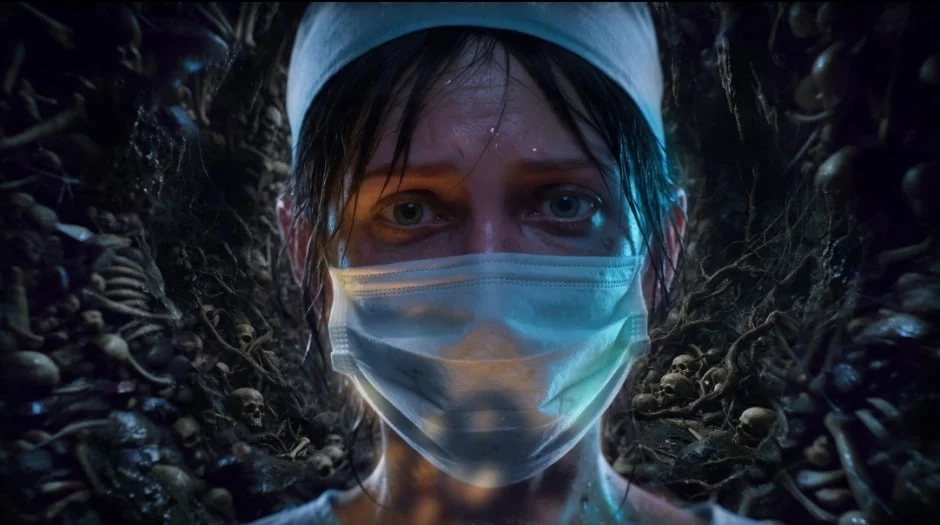
The conference will serve as a high-profile showcase for the technology, highlighted by an exclusive look at the sequel to Mad God. The original feature, a harrowing, visually stunning stop-motion epic from Oscar-winning VFX pioneer Phil Tippett, spent nearly three decades in production. Now, with the sequel already in development, the project is leveraging LOFT to pioneer a new, AI-supported methodology that preserves Tippett’s distinct, tactile, and handmade aesthetic while embracing the speed and scalability of generative AI.
Chronology: From Concept to Global Debut
The journey of LOFTAPPS reflects the rapid maturation of generative AI within the creative industries. Since its introduction earlier this year, the platform has moved swiftly from a niche experimental tool to a critical component in the production pipelines of visionary filmmakers.
- Early 2026: LOFTAPPS introduces its generative AI production system, designed to provide the "durable production structure" often missing in early AI-driven workflows.
- Mid-2026: The company begins shipping the software to a select group of beta customers through a rigorous, guided onboarding process, ensuring that the tool meets the high-stakes demands of feature-film production.
- October 12-16, 2026: The European premiere at the VIEW Conference in Turin. This event marks the first time a global audience of VFX professionals, studio executives, and technologists will see the full capabilities of the platform in a professional, in-person setting.
- October 14, 2026: LOFTAPPS CEO Gary Mundell participates in "The State of VFX: Navigating a Changing Market," a critical panel addressing the industry’s economic and structural challenges.
- October 15, 2026: The presentation "The Hybrid Trap: Why AI-Native Production Matters," featuring a deep dive into the production of the Mad God sequel with insights from Phil Tippett.
Supporting Data: The Complexity of Modern Pipelines
The integration of AI into film production is often characterized by a "hybrid" approach, where studios attempt to force new technologies into aging pipelines built for traditional CGI. LOFTAPPS argues that this approach is inherently flawed, often leading to fragmented assets, loss of provenance, and creative misalignment.

The Role of LOFT in Asset Management
Traditional DCC software was built for manual pixel-pushing. In contrast, LOFT is designed to manage the "creative intent" behind an image. By documenting the provenance of every asset—a critical factor in an era of copyright scrutiny—the platform ensures that AI-generated output is reviewable, accountable, and, most importantly, usable in a production environment that requires consistency across thousands of shots.
The Tippett Connection: A Legacy of Craft
Phil Tippett’s involvement with LOFT is perhaps the most significant validation of the platform’s utility. A legendary figure in the industry, Tippett’s credits include Star Wars: Episode VI – Return of the Jedi, Jurassic Park, RoboCop, Starship Troopers, and the recent The Mandalorian and Grogu. His work on the original Mad God, which spanned over 30 years and relied on labor-intensive, tactile stop-motion techniques, stands as a testament to his commitment to a unique visual signature.
The fact that a director known for the "handmade" is now using AI to further his creative vision underscores a pivot point in the industry: AI is not replacing the director’s hand; it is being used to scale the director’s imagination. By using LOFT to organize the chaotic, often experimental nature of AI generation, Tippett is able to maintain the dark, dystopic quality that defines his work while navigating the complexities of a modern production schedule.
Official Responses and Expert Insights
The VIEW Conference panel sessions promise to offer a rare, unfiltered look at the challenges facing the VFX sector.
The State of the Industry
During the "State of VFX" panel, Gary Mundell will join an array of senior industry leaders to discuss the "new normal." The conversation is expected to touch upon:

- Cost Pressures: The rising expense of high-end VFX and the need for efficiency.
- Market Consolidation: How the dominance of large studios and streaming platforms is altering the competitive landscape for independent creators.
- Global Competition: The shift in production hubs and the challenges of managing distributed teams.
Breaking the "Hybrid Trap"
In the session "The Hybrid Trap: Why AI-Native Production Matters," Mundell and CTO Remko Noteboom will explore why the current industry trend of patching AI into legacy workflows is a recipe for technical debt.
"We developed LOFT as an AI-first solution for production," Mundell explains. "We are connecting generation to the durable production structure needed to turn model outputs into managed, reviewable, and accountable assets. The value here is a connected production process that fundamentally changes how production work is generated, multiplied, and managed."
By bringing in Phil Tippett remotely to discuss the Mad God sequel, the presentation aims to demonstrate that AI-native tools are not just for high-gloss, mainstream VFX, but are equally capable of handling the gritty, complex, and highly specific requirements of auteur-driven projects.
Implications for the Future of VFX
The arrival of LOFT at the VIEW Conference signals a transition from the "hype phase" of generative AI to the "integration phase." As the industry moves past the initial shock of AI’s capabilities, the focus is shifting toward the infrastructure required to make these technologies reliable.
The Standardization of AI Workflow
If LOFT succeeds in its mission, it could set a new standard for how AI assets are treated in a professional pipeline. Currently, most studios operate in a "Wild West" environment regarding AI, where assets are generated in isolation and later imported into traditional software. LOFT’s model suggests that the future of VFX lies in systems that treat AI as a primary citizen, with native support for metadata, versioning, and creative continuity.

The Preservation of the Auteur
Perhaps the most intriguing implication is the potential for AI to act as a force multiplier for individual filmmakers. If a legend like Phil Tippett—who is synonymous with manual, physical labor—can successfully adopt an AI-native workflow, it opens the door for other independent creators to produce high-end, high-complexity content that was previously beyond their financial reach. This could lead to a democratization of visual storytelling, where the barrier to entry is lowered, not by sacrificing quality, but by streamlining the management of the creative process.
Challenges Ahead
Despite the optimism, the transition to AI-native workflows is not without its hurdles. Industry professionals remain wary of the ethical implications of AI, particularly regarding intellectual property and the potential for job displacement. LOFTAPPS faces the challenge of proving that their software serves as an assistant to human talent rather than a replacement. The upcoming presentations in Turin will be a critical litmus test for how the broader community receives these advancements.
As attendees gather at the OGR Torino, the focus will be on whether the technology shown by LOFTAPPS can truly bridge the gap between the creative vision of the past and the technological demands of the future. With the eyes of the world on Turin this October, the industry awaits to see if the "Hybrid Trap" is finally on the verge of being dismantled, paving the way for a more efficient, creative, and sustainable future for global visual effects.
