
Shadow and Immortality: Revisiting the Gothic Grandeur of Interview with the Vampire
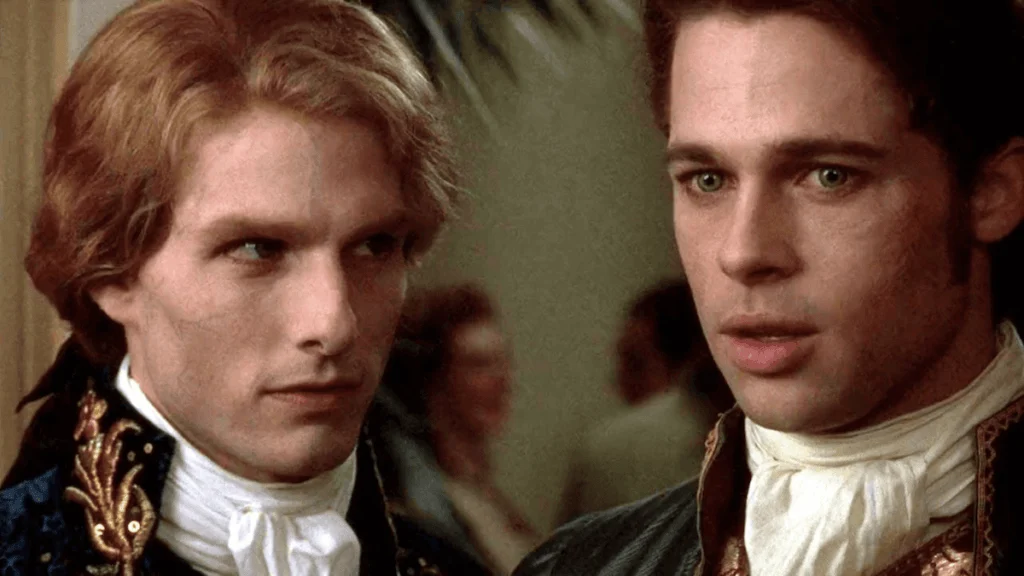
In the annals of 1990s cinema, few films captured the intersection of high-concept literary adaptation and star-studded spectacle quite like Neil Jordan’s 1994 masterpiece, Interview with the Vampire. As part of its ongoing deep-dive filmography series, The Complete Works podcast (Episode 121) turns its analytical lens toward this seminal work, exploring the pivotal role played by Tom Cruise and the enduring legacy of Anne Rice’s gothic vision.
Main Facts: A Convergence of Icons
Released at the height of the 90s aesthetic, Interview with the Vampire was a daring project. Adapting a beloved novel that had languished in development hell for years, director Neil Jordan managed to synthesize Anne Rice’s lush, philosophical prose with a visual language that felt both antiquated and urgent.
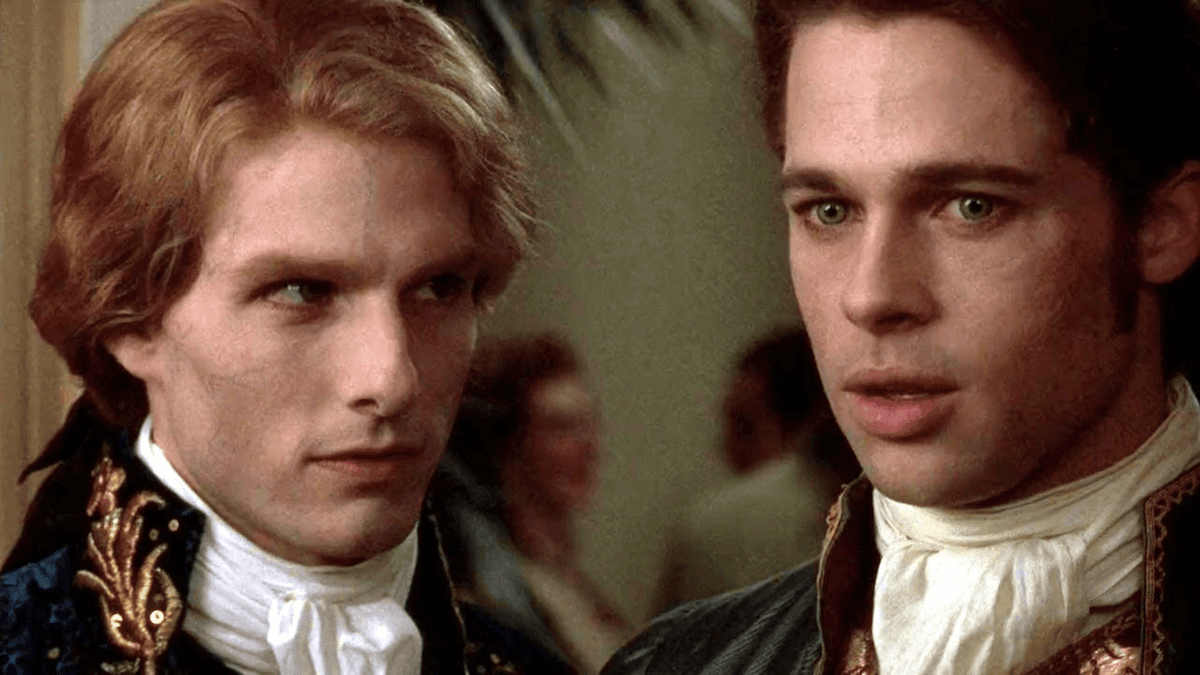
At the center of the storm was Tom Cruise. Cast as the charismatic and sociopathic Lestat de Lioncourt, Cruise faced intense scrutiny from fans of the novel who felt he lacked the "French aristocrat" physicality described in the text. However, his performance remains one of the most intriguing pivots in his career. Opposite him, Brad Pitt delivered a brooding, internal performance as Louis de Pointe du Lac, the reluctant vampire who serves as the film’s moral and narrative anchor. The ensemble was further bolstered by the breakthrough performance of a young Kirsten Dunst as Claudia, the child-vampire whose eternal imprisonment in a prepubescent body provides the film’s most haunting emotional stakes.
Chronology: The Evolution of a Cult Classic
The journey of Interview with the Vampire from page to screen is a testament to the perseverance of visionary filmmaking.
- 1976: Anne Rice publishes the novel, introducing the world to the modern, introspective vampire who struggles with morality, ennui, and the nature of the soul.
- Late 1970s–1980s: The rights to the book circulate through Hollywood. Various iterations are proposed, including gender-swapped versions of the lead roles.
- 1993: Production officially begins under director Neil Jordan, known for The Crying Game. The film is shot on location in New Orleans, Paris, and London.
- 1994: The film hits theaters in November, becoming a critical and commercial success, grossing over $223 million worldwide against a $60 million budget.
- 2024–2026: The enduring relevance of the film is cemented by the release of modern television adaptations of Rice’s The Vampire Chronicles, prompting a renewed critical interest in the 1994 film’s aesthetic and thematic contributions.
Supporting Data: The Anatomy of the Production
The success of Interview with the Vampire cannot be attributed solely to its stars; it was a triumph of world-building and atmospheric design.
The film’s production design, spearheaded by Dante Ferretti, meticulously recreated 18th-century Louisiana and post-Revolutionary Paris. The use of practical effects—long before the ubiquity of CGI—gave the film a tactile, visceral quality. The "vampire makeup" process for Cruise and Pitt was an arduous daily ritual, requiring hours of application to ensure a pale, bloodless appearance that didn’t look like mere stage paint.
Furthermore, the film’s score, composed by Elliot Goldenthal, remains a high-water mark for the genre. It balanced the romanticism of the era with the chilling, lonely reality of immortality. When analyzed through the lens of film history, the movie serves as the bridge between the Hammer Horror classics of the mid-20th century and the more stylized, high-budget supernatural dramas of the 21st century.
Official Responses and Critical Reception
At the time of its release, the critical reception was nuanced. While reviewers lauded the cinematography and the performances of Dunst and Pitt, some critics were initially wary of Cruise’s performance. Yet, time has been kind to the film. Anne Rice, who initially expressed public skepticism about the casting of Cruise, famously took out a full-page ad in Variety after seeing the final cut, publicly apologizing and praising his portrayal of Lestat.
This public reconciliation between the author and the studio is a rare example of a creative vision being validated by the very person who crafted the source material. It remains a masterclass in how casting against type—a hallmark of Tom Cruise’s career—can yield unexpected, genre-defining results.
Implications: The Legacy of the "Vampire Aesthetic"
The impact of Interview with the Vampire on popular culture is profound. It shifted the vampire archetype from the predatory, feral monsters found in Dracula films to the "humanized" monster. It paved the way for a generation of supernatural storytelling that prioritized the psychological burden of longevity.
For modern audiences, the film serves as a template for the prestige horror-drama. It raised the bar for what audiences expected from fantasy adaptations, demanding that they be treated with the same narrative gravity as historical dramas. The film effectively proved that audiences were hungry for high-stakes, gothic storytelling that didn’t shy away from the darker implications of eternal life.
Analyzing the Performance: A Podcast Perspective
In the latest episode of The Complete Works, host Doug Hess dissects these elements with the analytical rigor that fans of the podcast have come to expect. The discussion delves into how the film functions as a mirror for Tom Cruise’s own career arc—his willingness to embrace darkness and his pursuit of total character immersion.
The podcast explores:
- The Power Dynamics: How the relationship between Louis and Lestat mirrors the toxic mentor-mentee dynamics seen in other genres.
- The Burden of Childhood: How Kirsten Dunst’s performance anchored the film’s central tragedy, forcing the audience to confront the grotesque nature of being "frozen" in time.
- The Cinematic Language: Neil Jordan’s use of light and shadow, particularly in the sequences depicting the theater of the vampires.
Conclusion: Why We Still Watch
Decades later, Interview with the Vampire remains a staple of the genre for a reason. It is a film that refuses to be simplified. Whether you are a devotee of Anne Rice’s literature or a student of 90s cinema, the film offers a wealth of material to examine.
As The Complete Works continues its exploration of Tom Cruise’s filmography, this episode acts as a vital chapter. It reminds us that behind the blockbuster action star lies a performer capable of immense, quiet complexity. We invite our listeners and readers to revisit the film, pay close attention to the nuances of the 1994 performances, and join the conversation in our comments section.
For those who wish to hear the full breakdown, the podcast is available now via the provided stream links. Explore the history, the drama, and the eternal life of one of cinema’s most fascinating collaborations.
Listen to The Complete Works Episode 121 now on all major podcast platforms. If you enjoyed this deep dive, subscribe to the FilmBook newsletter for weekly insights into the world of cinema, television, and the industry icons who shape them.
