
Respek! Sacha Baron Cohen Returns to the West Staines Massiv in "Ali G: Who Iz I?"
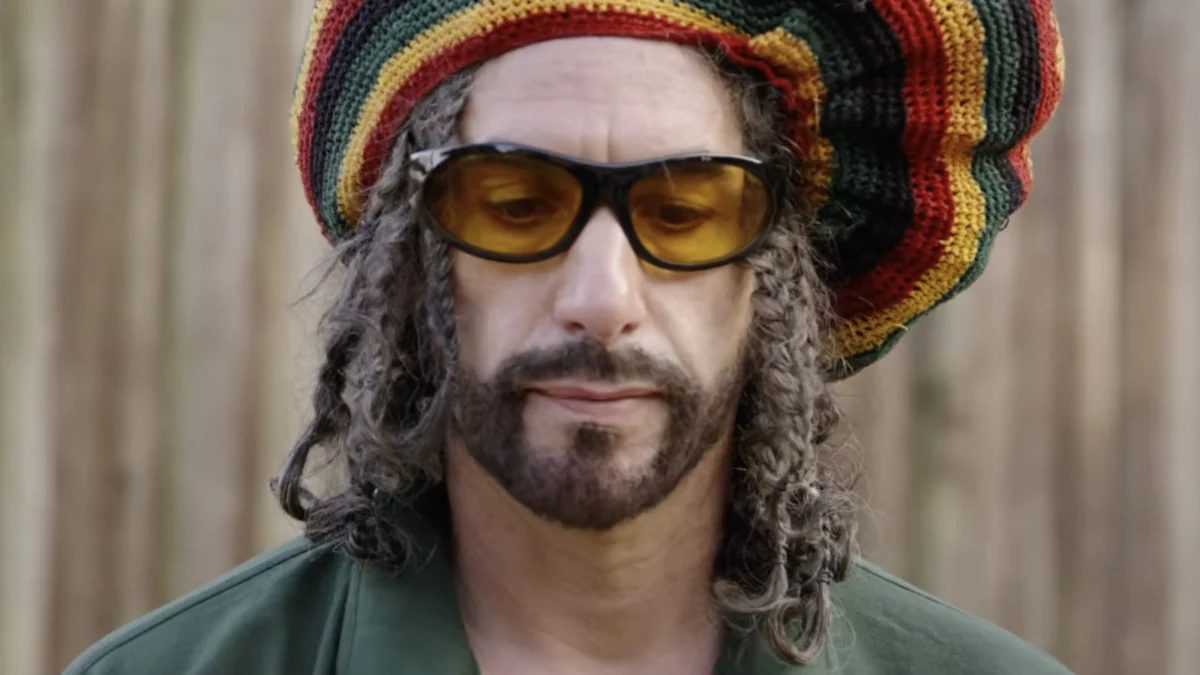
The cultural landscape of the 21st century is littered with the remnants of characters who defined an era, but few have managed to remain as enigmatic and persistently relevant as Sacha Baron Cohen’s iconic "rude boy" from the West Staines Massiv. After years of speculation and intermittent rumors, the wait is officially over: the first trailer for Ali G: Who Iz I? has arrived, signaling a high-profile return for the character that launched one of the most audacious careers in modern comedy.
Set for a theatrical release on October 23, 2026, the film marks a distinct departure from the narrative-heavy approach of his 2002 outing, Ali G Indahouse, pivoting instead toward the guerilla-style mockumentary format that propelled Borat to international acclaim.
The Main Facts: A Return to the Streets
The trailer, which dropped to immediate viral interest, showcases the return of the yellow tracksuit-wearing, street-slang-spewing provocateur. According to early promotional materials, the film will function as a "documentary" that seeks to examine the state of the world following decades of global instability. In typical Ali G fashion, the character promises a project that is, in his words, far superior to "dat crap one about da penguins" and features "at least twice as much animal sex."
The film, directed by Sacha Baron Cohen himself—marking his feature directorial debut—appears to be a blend of scripted personal drama and the high-stakes, unscripted social disruption that made his early career a staple of British and American television.
A Chronological Evolution of a Pop Culture Icon
To understand the significance of Who Iz I?, one must look back at the trajectory of the character. Ali G first materialized in 1998 on Channel 4’s The 11 O’Clock Show. At the time, he served as a biting, absurdist satire of the "wannabe" urban culture that permeated suburban Britain, characterized by a fascination with American hip-hop, UK Garage, and the performative masculinity of the early rave scene.
- 1998–2000: The "11 O’Clock Show" phase introduced the world to the character’s interviewing style, which involved trapping politicians and public intellectuals in conversations they were ill-equipped to handle.
- 2000–2004: Da Ali G Show expanded the brand, airing on Channel 4 in the UK and HBO in the United States, earning cult status and significant critical acclaim.
- 2002: Ali G Indahouse was released. While a commercial success, it was a traditional narrative film that lacked the spontaneous, prank-based elements that made the TV segments legendary.
- 2006–2020: Cohen pivoted to other iconic characters—Borat, Brüno, and Admiral General Aladeen—leaving Ali G in relative retirement.
- 2026: Ali G: Who Iz I? arrives, promising to bridge the gap between the character’s legacy and the current political and social climate.
The Shift to Mockumentary: Why Now?
The most compelling aspect of Who Iz I? is its methodology. Unlike the 2002 film, which relied on a fictional script about a West Staines politician, this new installment was shot in total secrecy. By embedding himself in real-world scenarios, Cohen is returning to the roots of his success.
The trailer provides a glimpse into this approach, featuring encounters with real-life figures, including a retired United States Army General, Stewart Rodeheaver. By placing a caricature like Ali G into these genuine, high-stakes environments, the film creates a friction that is the hallmark of Cohen’s genius.
Furthermore, the film integrates a scripted narrative arc: Ali G is expecting a child with his girlfriend, Julie (played by Morgana Robinson). This "real life" stakes—the impending arrival of a "mini-G"—provides a thread of continuity amidst the chaos of his public pranks, such as his appearance at a birthing class where he openly discusses his intentions to be an "absentee father."
Supporting Data: Can the Joke Still Land?
Critics and fans alike are asking the same question: Can a character created to mock 1990s and early 2000s subcultures remain relevant in 2026?
The early 2000s were defined by the rapid rise of the internet, the ubiquity of MTV, and a very specific intersection of British class structures and imported American rap culture. Today, the world is fundamentally different. Social media has created a culture where "cringe comedy" is a staple of everyday life.
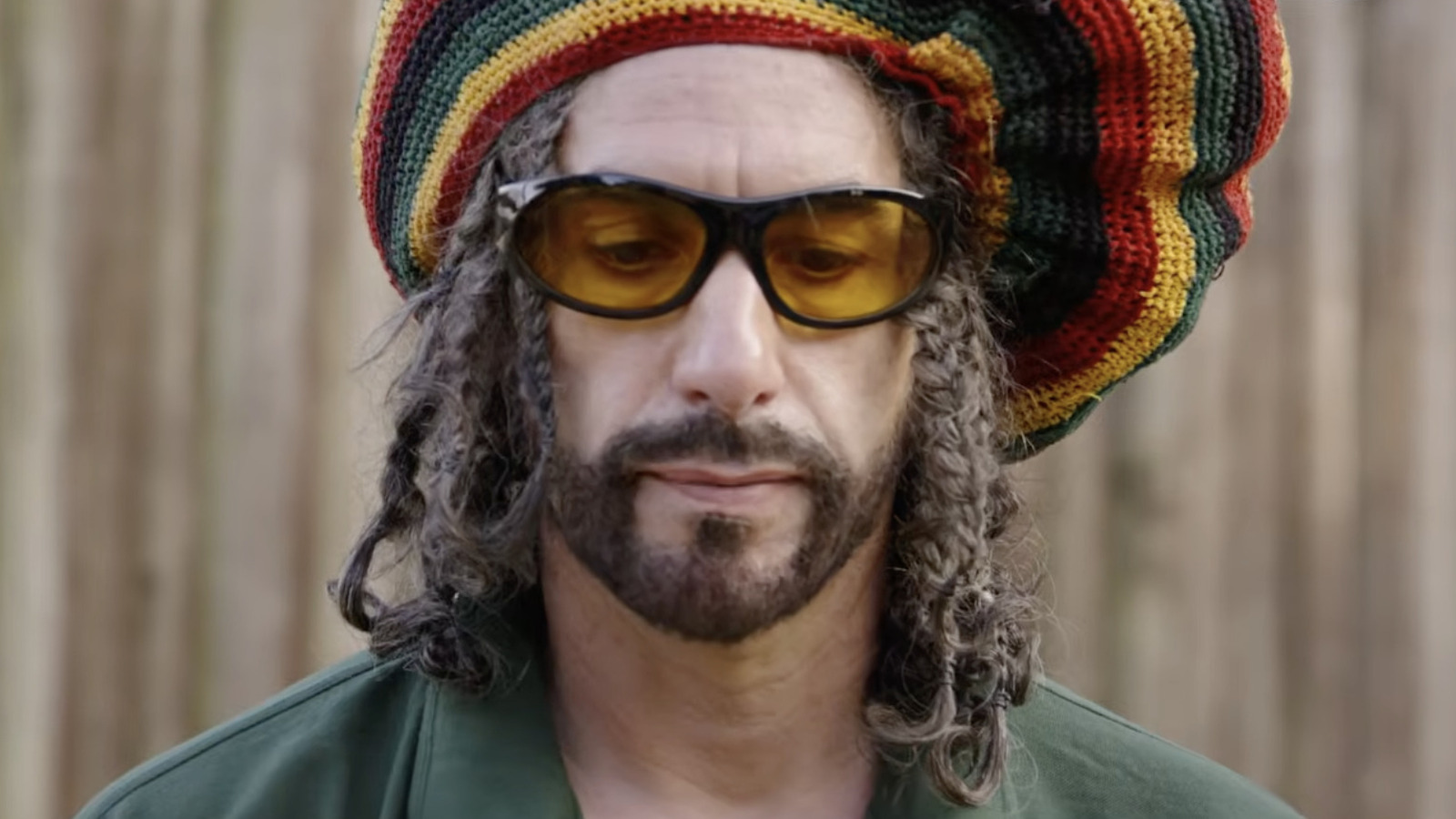
However, proponents of the project argue that the character’s power never truly resided in his specific fashion choices or slang, but in his function as a "mirror." By acting as a complete idiot, Ali G forces his interviewees to reveal their own prejudices, condescension, and lack of self-awareness. In a polarized 2026, where political discourse is often performative and rigid, a character who refuses to play by the rules of polite society may actually be more necessary than ever.
Official Responses and Behind the Scenes
Sacha Baron Cohen has remained notoriously tight-lipped regarding the specifics of the production, though his Instagram announcement in July set the stage for a massive marketing push. The choice of Amazon MGM Studios as the home for this project suggests a significant investment, aiming for both the nostalgia of the original audience and the viral potential of a new generation of viewers accustomed to short-form, high-intensity content.
While there have been no official responses from the various public figures who may or may not have been "tricked" during the filming, the industry expectation is that the film will rely on a legal clearance process as meticulous as that of the Borat franchise.
The Broader Implications: Comedy as a Tool for Truth
The release of Ali G: Who Iz I? arrives at a time when the boundaries of comedy are under constant scrutiny. Some might argue that the character is a relic, a product of a less sensitive time. Yet, Sacha Baron Cohen has consistently used his characters to expose the absurdity of the "elites"—whether they are politicians, celebrities, or academics.
By returning to the character that made him a global star, Cohen is attempting to reclaim the "prank-based" social commentary genre he essentially pioneered. If the film succeeds, it will likely reignite the debate on the utility of satire. If it fails, it will serve as a cautionary tale about the shelf-life of comedy icons.
However, if the trailer is any indication, the West Staines Massiv hasn’t lost its edge. Whether he is navigating the complexities of modern parenting or sparring with military officials, Ali G remains a singular force. As he would say himself, "Respek" is earned, not given—and on October 23, 2026, the world will find out if the king of the tracksuit has earned another round of applause.
Conclusion: A Legacy Reimagined
As we approach the release, the industry will be watching closely to see how the "secretly shot" footage is edited into a cohesive narrative. The inclusion of genuine, unscripted interviews alongside a scripted family drama suggests a film that is attempting to be both a comedy blockbuster and a social experiment.
If nothing else, the mere existence of Ali G: Who Iz I? is a testament to the enduring power of character-driven comedy. In an age of algorithmically generated entertainment, the prospect of a star-driven, high-risk, high-reward project like this is, at the very least, refreshing.
Whether you are a long-time member of the "Massiv" or a newcomer to the antics of the most famous resident of Staines, the countdown to October 23 has begun. It is time to see if the world is ready to be schooled once again by the most unlikely of philosophers. As the tagline suggests, it’s time to "Livin’ Large Again."
