
From Darkness to the Global Stage: Syria’s Historic Return to the Oscars with “The Other Side of the Sun”
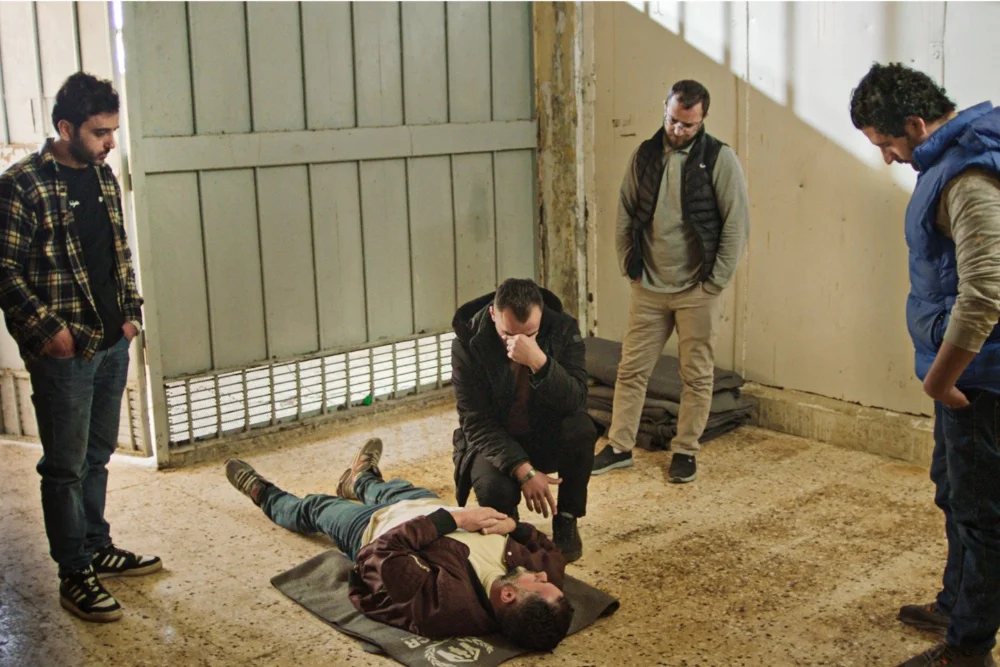
In a landmark moment for both Syrian cinema and the nation’s transition toward a new era, Tawfik Sabouni’s harrowing documentary, The Other Side of the Sun, has been officially selected as Syria’s entry for the Best International Feature Film category at the 2027 Academy Awards.
This nomination represents far more than a bid for cinematic gold; it marks the first time in the post-Assad era that Syria has put forward a film for Oscar consideration. Following the collapse of the Bashar al-Assad regime in December 2024, the country’s cultural institutions have begun the arduous process of rebuilding. The selection of Sabouni’s work serves as a powerful testament to the role of art in transitional justice, processing collective trauma, and asserting a new national identity on the global stage.
A Chronology of a Cinematic Milestone
The journey of The Other Side of the Sun from the shadows of a notorious detention center to the bright lights of the Academy Awards has been as arduous as it has been profound.
The narrative arc of the film began in the immediate aftermath of the regime’s collapse, when director Tawfik Sabouni returned to Damascus. Driven by a visceral need to confront the ghosts of his past, Sabouni reconnected with four other former detainees of the Saydnaya prison—a site synonymous with the brutality of the previous decades.
The film’s festival trajectory began with a prestigious world premiere at the Panorama section of the 2025 Berlinale, where it garnered critical acclaim for its unflinching gaze. Following its Berlin debut, the film traveled the international circuit, earning notable accolades, including top honors at the Amman International Film Festival in Jordan.
The momentum culminated in the recent announcement by Syria’s General Organization for Cinema. The selection committee—the first of its kind to be fully accredited by the Academy of Motion Picture Arts and Sciences (AMPAS) in this new political chapter—unanimously chose Sabouni’s documentary to represent the nation. Parallel to this state recognition, the film secured a major distribution deal, with New York-based Icarus Films acquiring the U.S. rights, ensuring that the stories of Saydnaya survivors will reach a broad North American audience.
Unmasking the Void: The Anatomy of a Documentary
At its core, The Other Side of the Sun is a meditation on memory and the resilience of the human spirit. The film utilizes a haunting aesthetic strategy: Sabouni and his four fellow survivors return to the physical confines of the Saydnaya prison. By conducting reenactments within the very walls where they were once held, the director blurs the line between past and present, transforming stagnant, painful memories into active, living testimony.
According to promotional materials from Andana Films, which handles the project’s worldwide sales, the documentary is designed to "turn memory into testimony." It does not merely recount the atrocities of the past; it strips away the layers of silence that the regime enforced for decades. By focusing on the "unbroken will to survive," Sabouni creates a cinematic space where the victims are no longer defined by their victimization, but by their capacity to articulate their history.
Official Responses and the Burden of Testimony
The selection of the film has been met with emotional responses from both the Syrian cultural establishment and the filmmaker himself. In a statement released by the General Organization for Cinema, officials noted that the film exists within a "distinctive cinematic and humanitarian context." The organization emphasized that by highlighting the experiences of those held in Saydnaya, the film serves as a bridge between the country’s dark past and its uncertain, yet hopeful, future.
For Tawfik Sabouni, the nomination is a weight both heavy and transcendent. In a heartfelt statement, the director articulated the personal toll of bringing this project to the screen:
"I am deeply happy and moved by this selection. This moment is the culmination of years of hard work, years during which I carried this film on my own, despite the doubts, the obstacles, and the weight of such a responsibility. To see this project come to fruition today and find its place on such a stage is an immense personal and collective victory."
Sabouni was quick to deflect the focus from his own directorial success toward the victims of the regime. "Beyond the artistic journey, the true significance of this selection lies in the voice it gives to those whom others have sought to silence," he continued. "The stories of the men and women who lost their lives in the prisons of the Assad regime will never be forgotten. Their memory, their suffering, and their dignity will be forever etched in our minds and presented to the eyes of the world."
Implications for a New Syria
The decision to send a documentary centered on prison trauma to the Academy Awards is a bold political and cultural statement. Under the previous regime, the Syrian film industry was heavily censored, and the state-sanctioned narratives often obscured the realities of detention and political dissent. By backing a film that directly addresses the trauma of Saydnaya, the current Syrian committee is signaling a radical shift in transparency.
This move underscores a "new chapter in the country’s participation in the international awards landscape," as noted by Andana Films. It suggests that the new Syria intends to use its cultural output to engage with the international community not as a state in denial, but as a society seeking to confront its own history.
Furthermore, the international partnership between the French production houses (Dérives, Habilis Productions, and Clin d’Oeil Films) and the U.S. distributor Icarus Films highlights the growing interest in Syrian stories. This collaborative ecosystem is essential for the survival of independent Syrian cinema, which often lacks the domestic infrastructure to compete on a global scale.
The Road to the 99th Academy Awards
As the global film community turns its eyes toward the 99th Academy Awards, The Other Side of the Sun stands as a frontrunner in the conversation surrounding truth-telling in cinema.
The procedural timeline for the Oscars is now firmly in focus:
- December 15, 2026: The Academy of Motion Picture Arts and Sciences will announce the official shortlist of contenders.
- January 21, 2027: The final list of nominees for the Best International Feature Film will be revealed.
- March 14, 2027: The 99th Academy Awards ceremony will be held in Los Angeles, where the world will see whether this poignant documentary will take home the gold.
Conclusion: A Victory for the Silenced
The significance of this nomination cannot be overstated. In the pantheon of cinema, documentaries about state-sponsored violence often struggle to break through the noise of mainstream entertainment. However, The Other Side of the Sun possesses a unique gravity—a combination of artistic rigor and historical necessity.
For the survivors of the Syrian conflict, the film is an act of reclamation. It proves that while a regime can imprison a body, it cannot fully erase the narrative of that body’s existence. As the world prepares to watch the 2027 Oscars, the story of Tawfik Sabouni and his peers serves as a reminder that the camera remains one of the most potent weapons against forgetting. Whether or not the film secures an Oscar, its journey to the selection stage is, as the director noted, "a victory for those whom others have sought to silence."
In the wake of a revolution and the fall of a dictatorship, Syria is now telling its own story, on its own terms, for the entire world to see.
