
The Cinematic Ambitions of Taylor Swift: Between Music Videos and Oscar Gold
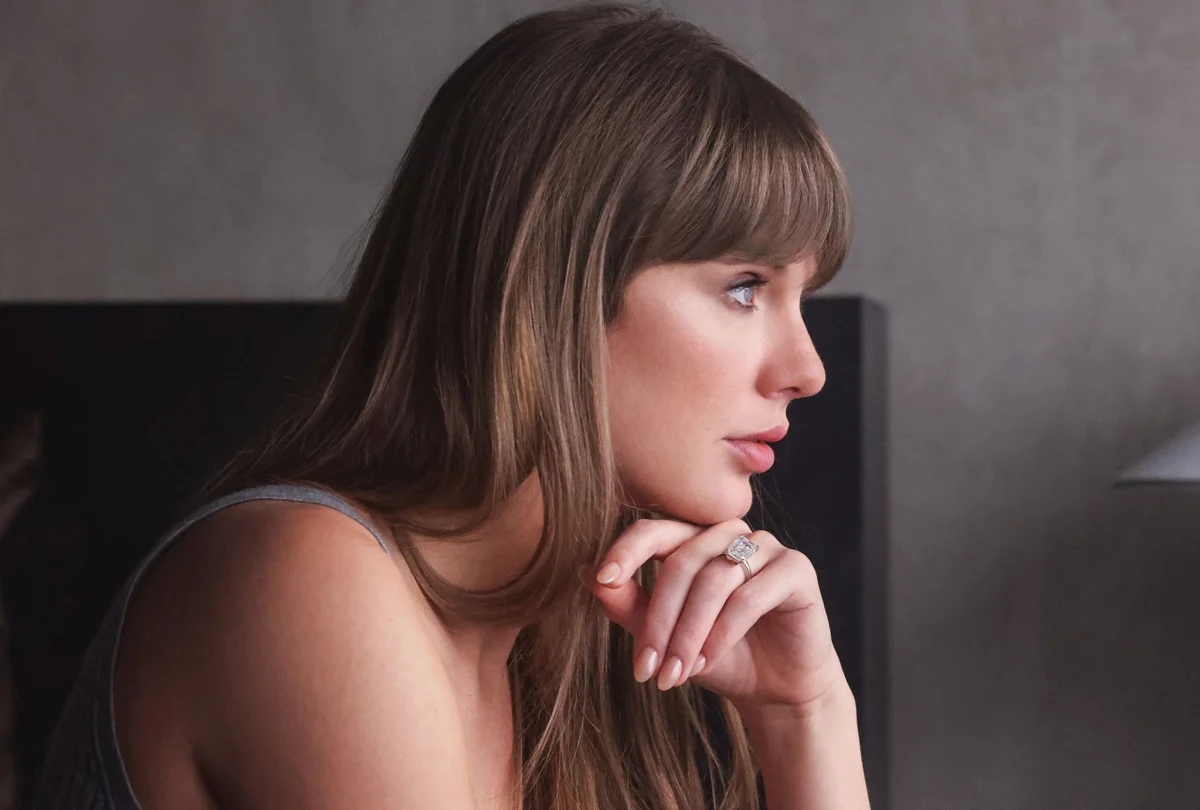
All eyes—and ears—are once again fixed on Taylor Swift as she prepares to unveil the latest visual chapter of her career. With the release of her album The Life of a Showgirl: The Encore, the pop icon has once again blurred the lines between high-fidelity music production and cinematic storytelling. However, for industry observers and film critics alike, the most pressing point of interest is not the chart-topping audio, but the upcoming music video for the track "Patient Zero."
The video, which is set to premiere on Sunday, September 27, during the 2026 MTV Video Music Awards, represents a significant escalation in Swift’s directorial aesthetic. Beyond the spectacle of the premiere, the project carries a pedigree that demands serious attention: it is directed by the Grammy-winning artist herself and features a powerhouse cast including Oscar nominee Colin Farrell and BAFTA Award nominee Dakota Johnson. Perhaps most tellingly, the project boasts cinematography by Academy Award winner Emmanuel “Chivo” Lubezki, a collaborator whose involvement signals a move toward prestige-level technical craftsmanship.
The Intersection of Music and Motion Pictures
The central question circulating through Hollywood’s inner circles is a familiar one: Where do the Oscars fit into Swift’s long-term strategy? While her previous foray into short-form filmmaking, All Too Well: The Short Film, sparked a robust campaign for Best Live Action Short—a move that saw her engaging with the filmmaking elite, including a notable "Directors on Directors" conversation with Martin McDonagh—this new project feels different.
Swift’s trajectory as a filmmaker has been marked by a deliberate attempt to gain credibility within the Academy. Following the release of All Too Well, she was invited to join the Academy of Motion Picture Arts and Sciences in 2023. Since then, her music videos have evolved into high-concept vignettes. Projects like "Fortnight," featuring Ethan Hawke and Josh Charles, and "Opalite," which showcased Greta Lee, Domhnall Gleeson, and the voice of Cillian Murphy, were all lensed by four-time Oscar-nominated cinematographer Rodrigo Prieto. These are not merely music videos; they are calling cards.
Chronology of an Oscar Campaigner
To understand Swift’s current position, one must look at the timeline of her cinematic evolution:

- 2022: Swift sells her feature directorial debut to Searchlight Pictures. While the industry has remained quiet regarding the specifics of the project, the move solidified her intent to move beyond the music video format.
- 2023: After the buzz surrounding All Too Well, Swift is formally invited to join the Academy, signaling a shift from "pop star" to "industry peer" in the eyes of the establishment.
- 2024–2025: Swift leans into high-profile casting, utilizing Oscar-nominated actors like Ethan Hawke and Greta Lee in her visual work, continuously elevating the production value through collaborations with elite cinematographers like Prieto.
- 2026: The release of The Life of a Showgirl: The Encore coincides with the announcement of the "Patient Zero" short, marking her most ambitious visual project to date.
Despite these efforts, the Academy remains a fortress of tradition. While Riz Ahmed successfully transitioned from music video to Oscar winner with The Long Goodbye in 2021, the path is fraught with technical hurdles. For "Patient Zero" to be considered for a Best Live Action Short nomination, it would require a theatrical run in major markets—a requirement All Too Well met, but which "Patient Zero" currently shows no signs of pursuing.
Supporting Data: The Case for "Original Song"
While the short film route remains a complex, uphill battle, Swift’s most viable path to the Dolby Theatre may lie in the category of Best Original Song. Her current focus is on the track "I Knew It, I Knew You," written for the animated blockbuster Toy Story 5.
The metrics here are undeniable. Toy Story 5 is widely regarded as the most successful animated film of the year, providing a massive cultural tailwind for its soundtrack. Furthermore, "I Knew It, I Knew You" has dominated the Billboard Hot 100, remaining in the Top 10 for over 15 weeks. In the eyes of the Academy’s Music Branch, which often favors songs that possess both high-brow recognition and massive commercial ubiquity, Swift has never been better positioned.
Historically, the Best Original Song category has been notoriously "insular," controlled by a Music Branch that values specific industry pedigree. Swift has been inching toward a nomination for years; her song "Carolina," from Where the Crawdads Sing, successfully made the shortlist for the 2023 Oscars. With "I Knew It, I Knew You," she has surpassed the threshold of mere participation, reaching a level of cultural saturation that makes her an impossible act for the Academy to ignore.
Official Responses and Industry Sentiment
While Swift’s camp has remained tight-lipped regarding specific award season strategies for "Patient Zero," the industry consensus is shifting. Analysts point to her strategic "ingratiation" with the filmmaking community as a masterstroke. By utilizing top-tier talent like Lubezki and Prieto, she is building a network of supporters within the Academy who have witnessed her dedication to the craft firsthand.

"The strategy is long-term," says one veteran industry consultant. "She isn’t just trying to win a trophy; she is building a career in directing. Every music video is an audition for the next feature project. By the time she finally gets that nomination—and she will—she won’t be seen as an interloper. She will be seen as one of them."
Implications: The "Ubiquity" Asset
The final piece of the puzzle is the nature of the Academy’s recent shifts. Recent winners, such as the track "Golden," prove that the Academy is willing to reward songs that define the cultural zeitgeist. Swift’s ubiquity, once criticized as a potential distraction, has become her greatest asset.
However, the implications of her success extend beyond her own trophy shelf. Should Swift secure a nomination, it would fundamentally alter the relationship between the music and film industries. It would validate the music video as a legitimate cinematic medium, potentially opening the floodgates for other artists to use short-form narrative content as a vehicle for prestige award recognition.
As we look toward the 2026 MTV VMAs and the subsequent Oscar cycle, the "Patient Zero" premiere serves as a litmus test. If the video receives a surprise limited theatrical run, the industry will know immediately that the campaign has begun. If not, all eyes will return to the Toy Story 5 soundtrack. Either way, Taylor Swift has successfully ensured that her presence in the conversation is not a matter of "if," but "when."
For the Academy, the challenge remains: how to categorize an artist who has effectively outgrown the traditional labels of "musician" or "filmmaker," choosing instead to inhabit the space between them. Whether through the lens of a camera or the melody of a song, Swift’s influence on the 2026 awards season is already, in every sense of the word, a spectacle.
