
The Last Gunslinger: How Gran Torino Perfected the Neo-Western Mythos
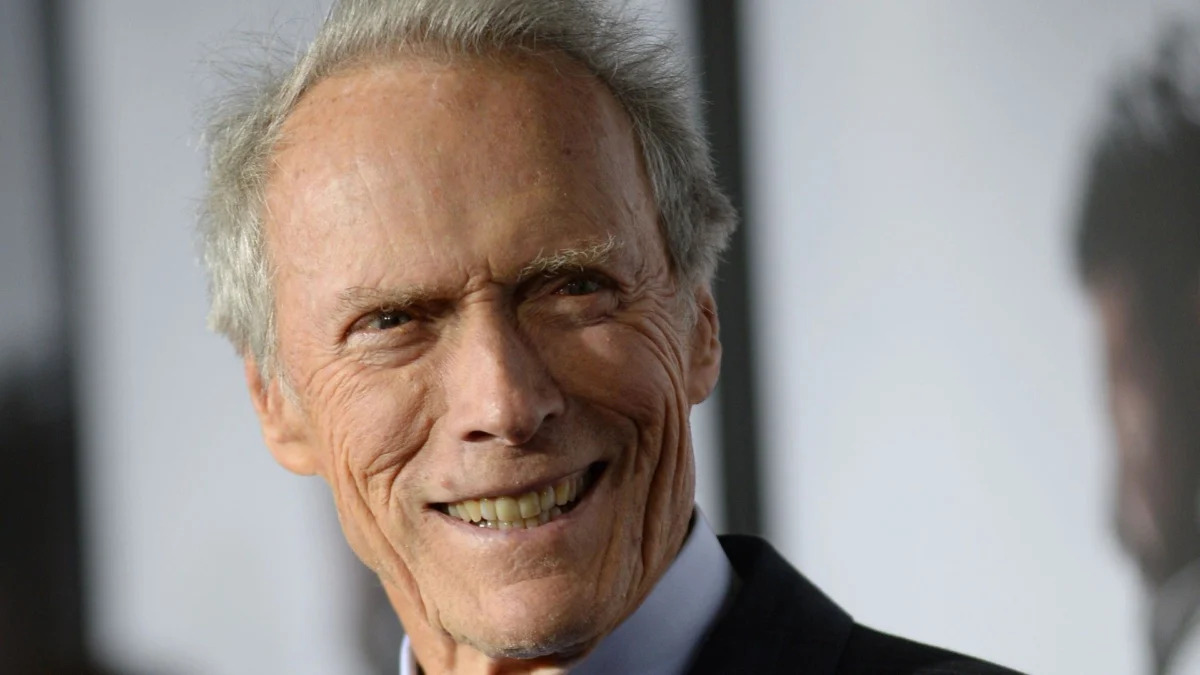
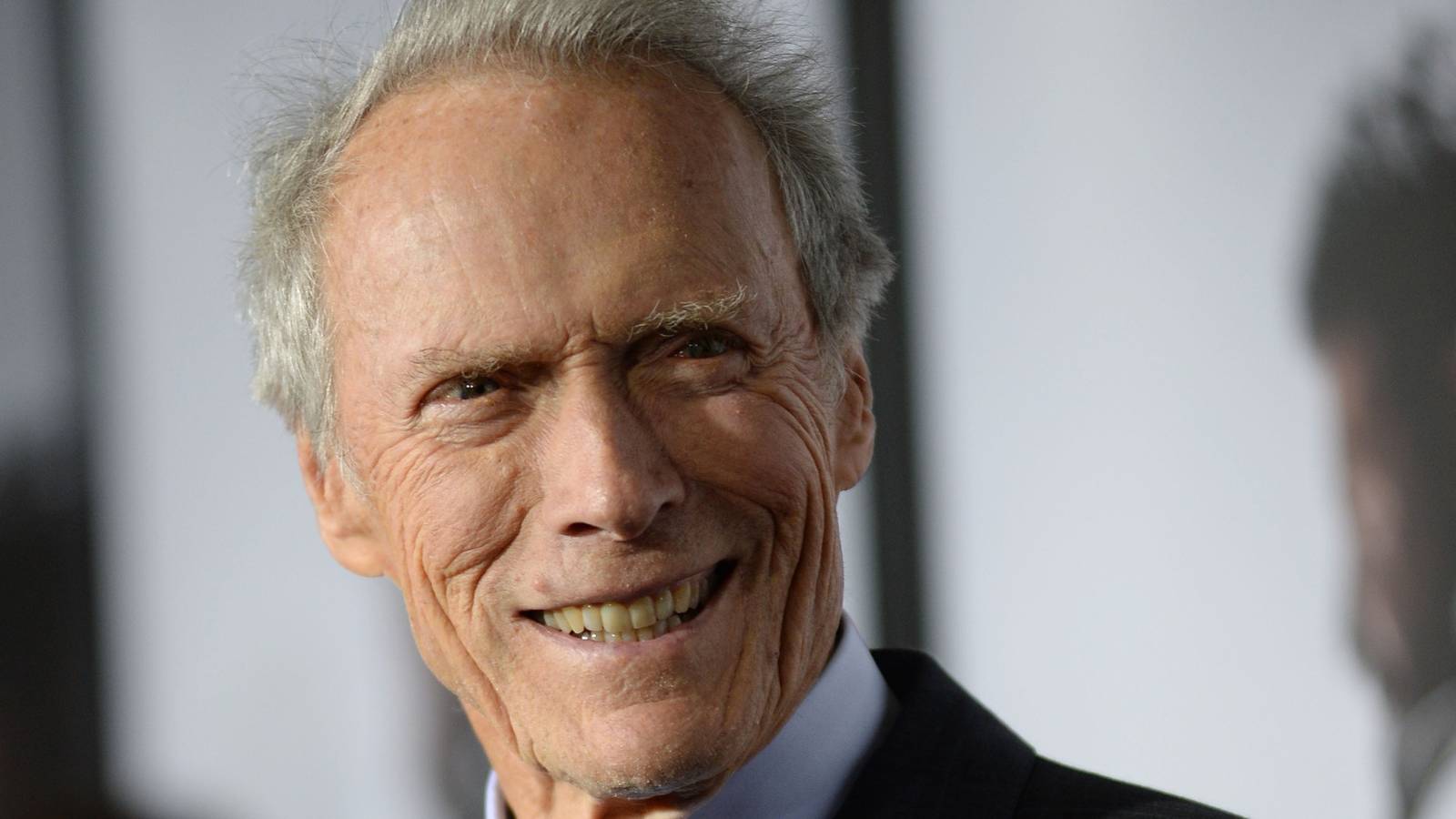
For over half a century, Clint Eastwood has been the face of the American Western. From his iconic, poncho-clad silence in Sergio Leone’s Dollars Trilogy to the operatic, revisionist deconstruction found in his Academy Award-winning masterpiece Unforgiven (1992), Eastwood has spent his career examining the soul of the frontier. However, it is a common misconception that his contribution to the genre ended when the horse operas of the 20th century faded into the rearview mirror.
In 2008, with the release of Gran Torino, Eastwood didn’t just make a gritty urban drama; he synthesized the DNA of his entire career into a singular, profound neo-Western. By stripping away the dust of the Old West and replacing it with the asphalt of a changing Detroit suburb, Eastwood proved that the themes of frontier justice, solitary redemption, and the clash between tradition and modernity remain as potent as ever.
The Evolution of the Archetype: From Munny to Kowalski
To understand the weight of Gran Torino, one must look at the trajectory of Eastwood’s characters. William Munny in Unforgiven was a retired killer forced to pick up his guns one last time, haunted by his past and the moral ambiguity of violence. Walt Kowalski, the protagonist of Gran Torino, serves as a spiritual successor to Munny.
Kowalski is a Korean War veteran living in a neighborhood that has shifted around him. He is a man out of time, clinging to the rigid social codes of a bygone era. Like the classic "man with no name," Walt is an outsider in his own land. He is estranged from his family, alienated from his neighbors, and deeply cynical about the moral erosion of the world he sees.
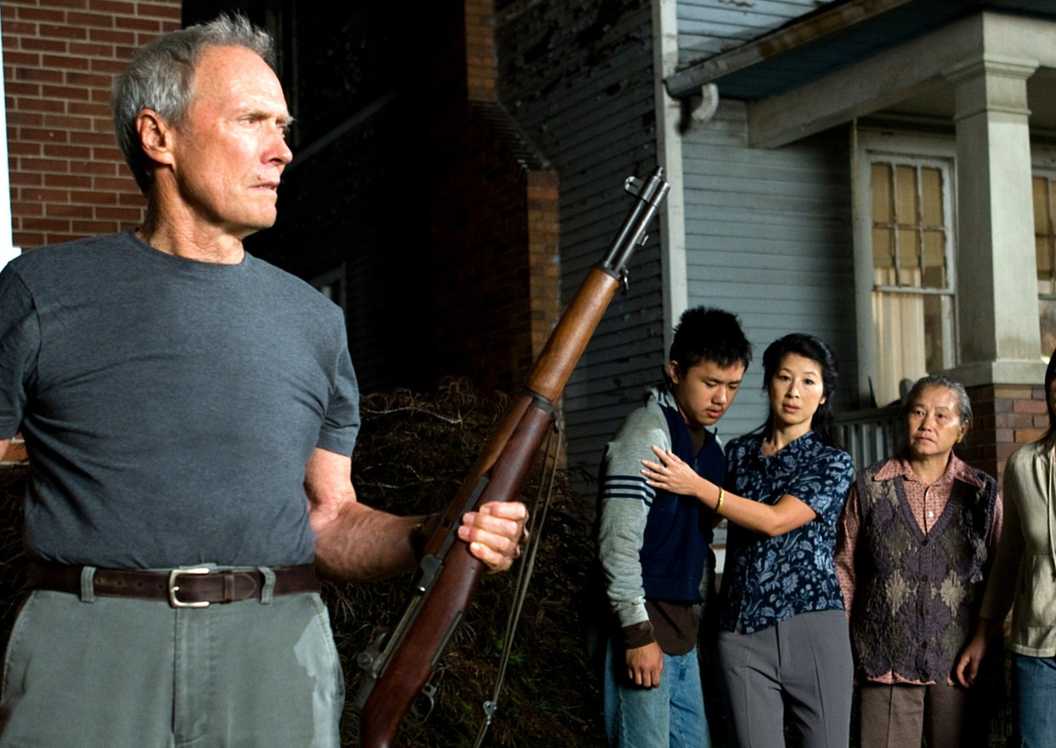
The brilliance of the film lies in how it adapts the Western structure. In a traditional Western, the "town" is a fragile place on the edge of the frontier. In Gran Torino, the street itself is the frontier. When Walt sits on his porch with a beer, he is effectively acting as the town sheriff, keeping a watchful eye on the borders of his property. The gang that threatens his neighbors, the Hmong immigrants who moved into the house next door, represents the encroaching lawlessness that the classic gunslinger is destined to confront.
Chronology of a Masterpiece: The 2008 Shift
Gran Torino arrived at a time when the genre landscape was shifting. Following its December 2008 release, the film was a massive commercial success, grossing over $269 million worldwide. It became a cultural touchstone not because it utilized high-concept CGI or action-movie tropes, but because it felt like a culmination of a lifetime of filmmaking.
The Developmental Arc
- The Catalyst: Walt loses his wife, stripping away the final anchor that tethered him to his social obligations.
- The Conflict: The attempted theft of his 1972 Ford Gran Torino by Thao, the boy next door, serves as the inciting incident that forces Walt out of his isolation.
- The Mid-Point: The transition from neighborly animosity to reluctant mentorship. Walt begins to recognize that the "savages" he once fought in Korea are not the threat; the gang violence plaguing his community is the true enemy.
- The Climax: The "Final Stand." Unlike the explosive gunfights of the past, the resolution of Gran Torino is a subversion of the genre’s reliance on retaliatory violence.
Supporting Data: Why It Remains a Definitive Neo-Western
The film’s power is supported by the deliberate parallels Eastwood draws between his past works and the reality of the 21st-century urban environment.
The Symbolic Weaponry
In the Old West, the six-shooter was the extension of the man. In Gran Torino, that mantle is passed to the M1 Garand rifle. This is a deliberate choice: the M1 is a symbol of Walt’s service in the Korean War, a weapon that represents his rigid, military-grade worldview. When he cleans and inspects the rifle, it carries the same weight as a cowboy sharpening his spurs. It is the tool of the last guardian.

The "Town" and the "Outsider"
Sociologists and film historians often note that the "frontier" in American film is defined by the absence of civil authority. In Gran Torino, the police are portrayed as ineffective or distant. This vacuum of power is what necessitates the presence of the gunslinger. By placing the narrative in a decaying Detroit suburb, Eastwood argues that the American frontier never disappeared; it simply moved into the inner city, where the marginalized and the disenfranchised fight for their own version of justice.
Official Responses and Critical Reception
Upon its release, Gran Torino was met with widespread critical acclaim, particularly for its screenplay by Nick Schenk. Critics lauded it as a "tough-minded, surprisingly tender look at the process of aging."
The film’s legacy is defined by its emotional resonance. While some critics debated the film’s handling of cultural tropes, the overwhelming consensus was that Eastwood had achieved something rare: a blockbuster that functioned as a character study. It was seen as an "honest" film—a descriptor rarely applied to Hollywood productions. Eastwood’s performance was frequently cited as one of the best of his later career, with many noting that the character of Walt Kowalski felt like an autobiography of the actor’s own career in film.
The Implications: A Legacy of Moral Complexity
The implications of Gran Torino reach far beyond its runtime. It solidified the idea that the "Western" is not a time period, but a moral framework. It is a story about the intersection of individual conscience and community safety.
The Subversion of the Vigilante Myth
Perhaps the most significant contribution of the film is its ending. In the classic Western, the hero wins by being the "fastest gun." The villain dies, the town is saved, and the hero rides off into the sunset. Gran Torino refuses this closure. Walt realizes that he cannot "out-shoot" the systemic problems of his neighborhood. Instead, he chooses a path of self-sacrifice that breaks the cycle of violence rather than perpetuating it. This is a profound shift from the gunslinger ethos of the 1970s and 80s. It acknowledges that the ultimate act of courage is not to kill, but to protect others from having to kill themselves.
A Masterclass in Directing
As a director, Eastwood utilizes a "less is more" philosophy. The cinematography is grounded, the pacing is deliberate, and the silence is used as effectively as the dialogue. In scenes where Walt is alone, the camera lingers, emphasizing his isolation. In scenes where he interacts with the Hmong community, the camera creates a sense of spatial awareness that defines the "territory" of the street. It is a masterclass in visual storytelling, proving that one does not need elaborate set pieces to create a sense of scale and stakes.
Conclusion: The Sun Sets on the Modern Frontier
Gran Torino stands as a testament to Clint Eastwood’s enduring relevance. It captures the transition of the "rugged individualist" into a man seeking peace with a world he no longer recognizes. By framing this narrative within the structure of a Western, Eastwood managed to keep the spirit of the genre alive while simultaneously pointing toward its necessary evolution.
As we look back at his career, it is clear that Eastwood’s filmography is a continuous exploration of what it means to be an American icon. From the stoic wanderer to the broken man seeking redemption, he has mapped the topography of the human heart across the American landscape. Gran Torino is not just a great movie; it is the final, perfect page in the book of the American gunslinger. It reminds us that whether on a dusty trail in the 1800s or a porch in Detroit, the fight for justice, the struggle for understanding, and the ultimate search for peace are the threads that bind the American story together.
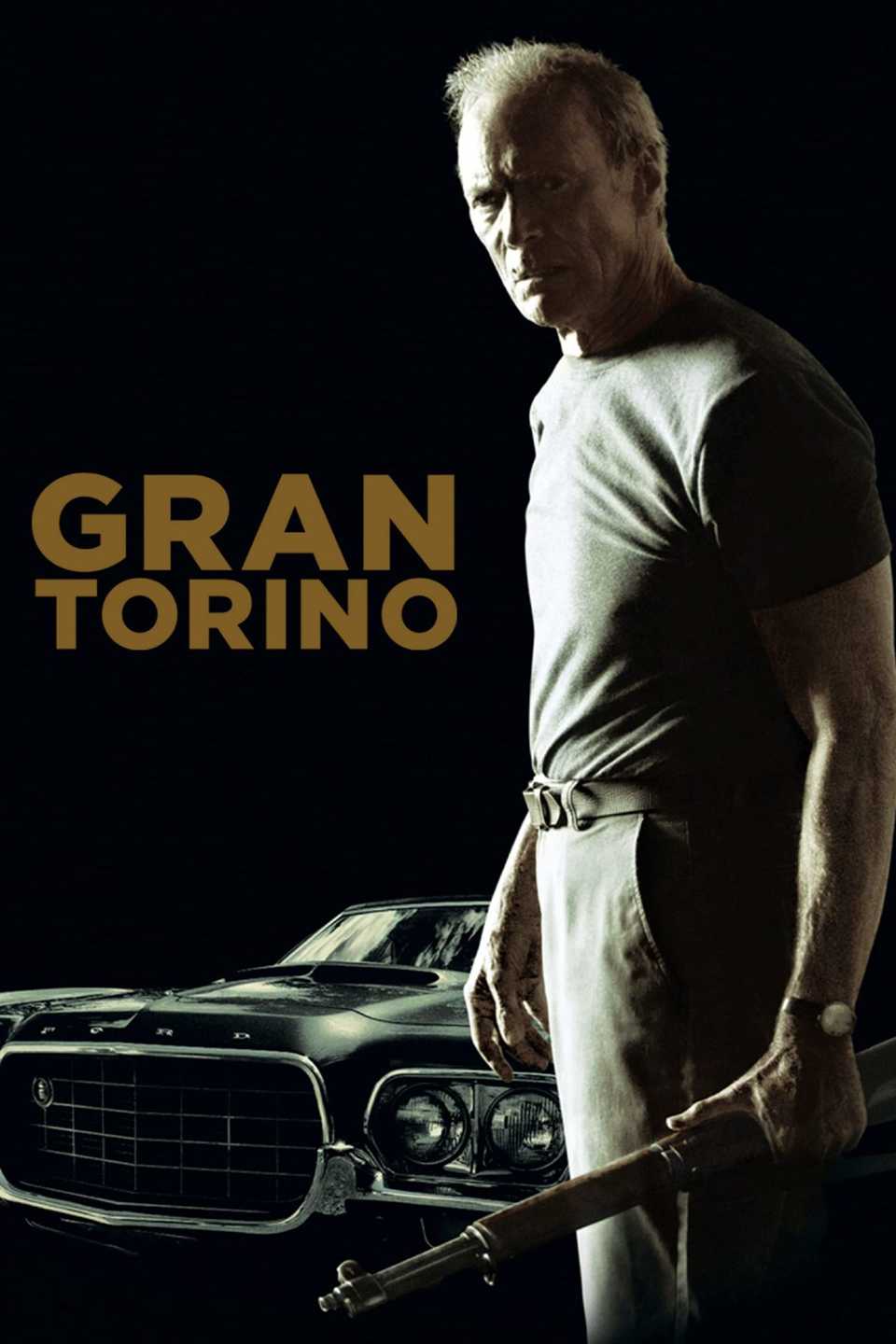
For fans of the genre and students of cinema alike, Gran Torino serves as a poignant reminder that even when the horses are long gone, the code of the West—the need to protect the vulnerable and the courage to face one’s own demons—is as relevant today as it was in the days of the frontier.
