
Inside the Digital Storm: Fact-Checking Aaron Sorkin’s ‘The Social Reckoning’

In the pantheon of modern cinematic biographies, few films have arrived with as much narrative baggage—and cultural necessity—as Aaron Sorkin’s The Social Reckoning. Serving as the long-awaited successor to David Fincher’s 2010 masterpiece The Social Network, Sorkin’s latest project shifts the lens from the birth of a collegiate experiment to the mature, often harrowing reality of a global communication monopoly. Released in October 2026, the film chronicles the tumultuous years leading up to and encompassing the COVID-19 pandemic, focusing heavily on the whistleblowing saga of Frances Haugen and the internal machinations of the company formerly known as Facebook.
While the film utilizes the fast-paced, rhythmic dialogue and intellectual fervor for which Sorkin is world-renowned, it also forces audiences to confront uncomfortable truths about the algorithms that dictate their daily information intake. Whether one is a daily user of the platform or an adamant digital minimalist, the influence of Meta’s ecosystem is undeniable. Understanding the intersection of historical fact and cinematic dramatization in The Social Reckoning is not merely an exercise in film appreciation; it is a vital step toward digital literacy in an age of rampant misinformation.

The Genesis of the Whistleblower: Sorting Fact from Fiction
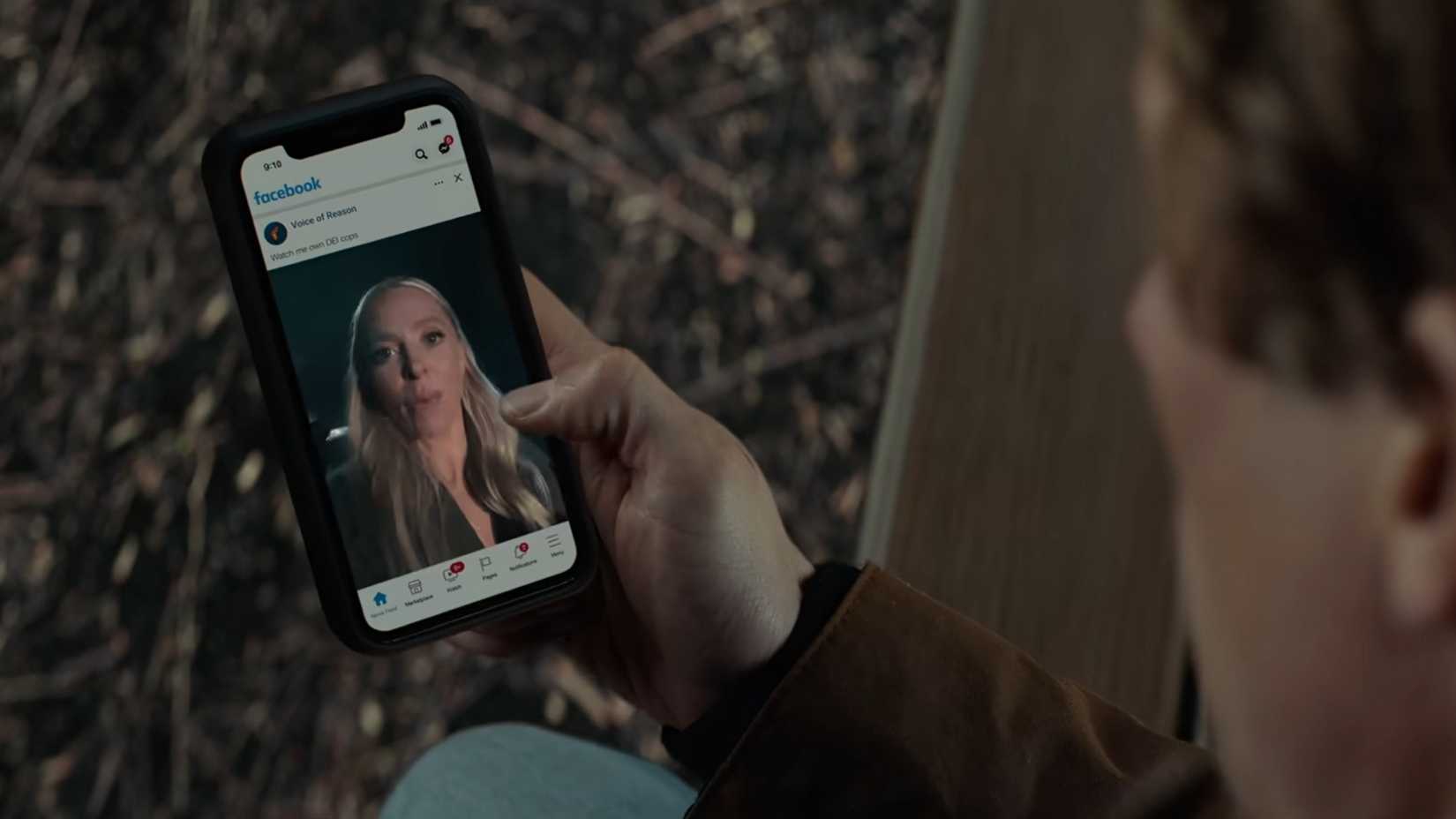
The film opens with a provocative, albeit stylized, prologue titled "White Girl Wasted." The scene depicts a young, intoxicated woman experiencing a mental health crisis on the side of a highway, live-streaming her increasingly xenophobic and aggressive rhetoric to a fringe group on Facebook. The scene serves as a visceral inciting incident, setting the stage for Frances Haugen’s eventual decision to leak the internal documents that would become known as the "Facebook Files."
It is essential for viewers to understand that while "White Girl Wasted" is a narrative invention—an amalgamation of various extremist behaviors observed on the platform—the core motivation it represents is rooted in cold, hard reality. The real Frances Haugen has spoken extensively about the radicalization of a close friend through Facebook’s recommendation engines. The film uses this fictionalized sequence as a proxy for the millions of real-world instances where algorithms, designed to maximize engagement through emotional triggers, funneled users toward radicalization.

Musical Departures: A New Tone for a New Era
One of the most immediate departures from The Social Network is the sonic landscape. Trent Reznor and Atticus Ross’s iconic, minimalist electronic score, "Hand Covers Bruise," defined the cold, calculating aesthetic of the 2010 original. However, Sorkin opted for a different path for The Social Reckoning. By recruiting composer Alexandre Desplat, the film trades in the muted, melancholic tones of the past for a sweeping, symphonic, and undeniably tense thriller score. This shift mirrors the film’s narrative: whereas the first movie was a story of ego and invention, the second is a story of global consequence and systemic collapse.
The MSI Mandate: Defining the Algorithmic Pivot
At the heart of the film’s conflict is the 2017 pivot to "Meaningful Social Interaction" (MSI). As portrayed in the film, the MSI algorithm change was presented to the public as a way to prioritize content from friends and family. However, the internal reality depicted in the film—and corroborated by leaked documents—suggests that the company knew the shift would inadvertently prioritize "ragebait."
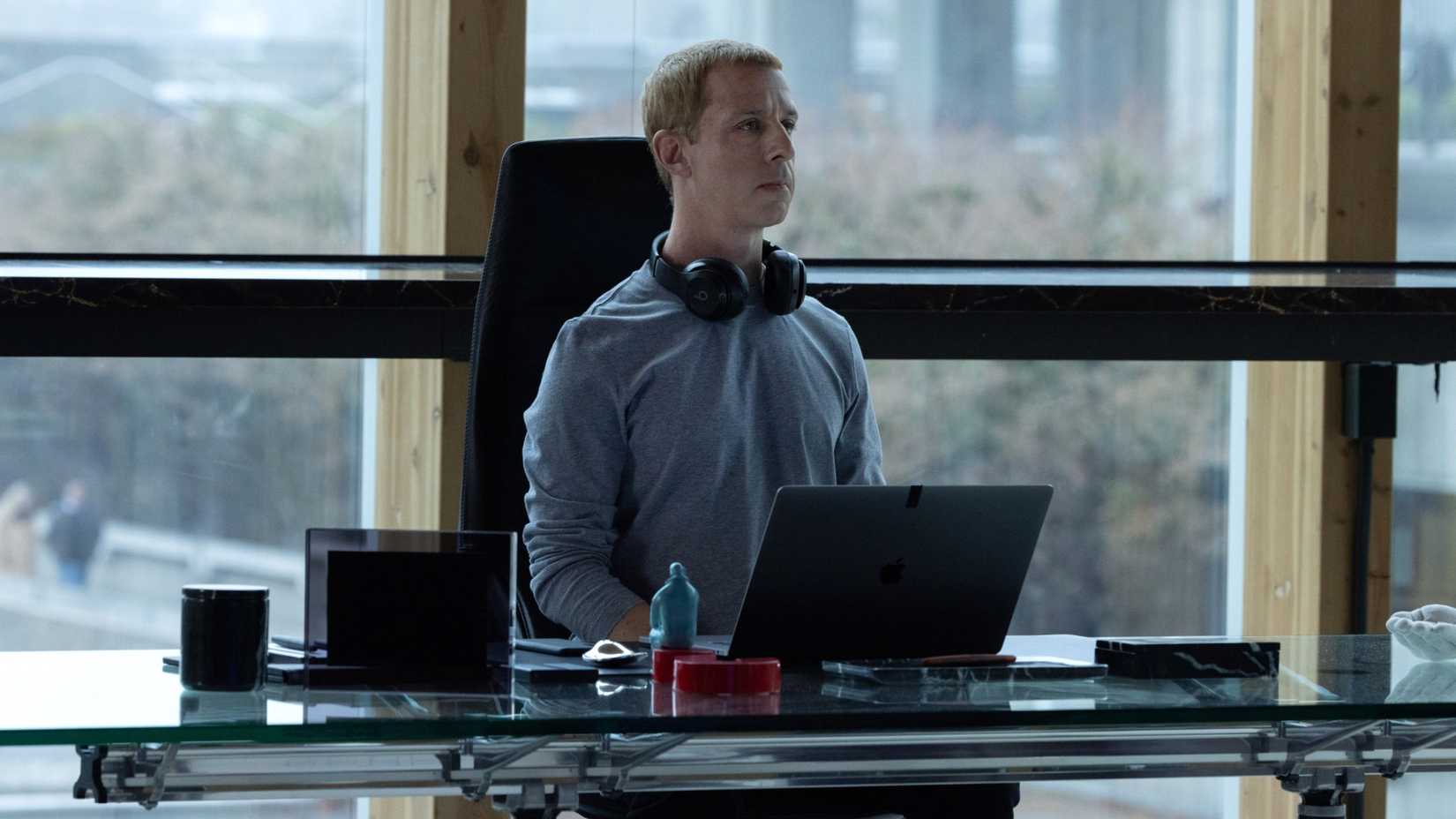
By weighting reshares more heavily than simple likes, the algorithm effectively gamified anger. The film posits that Mark Zuckerberg, played with a brittle, obsessive intensity by Jeremy Strong, was fully aware that the algorithm would disproportionately elevate polarizing and hateful content. The central thesis presented by Sorkin is that the company prioritized these metrics to maintain a stranglehold on user time, knowingly trading societal stability for quarterly engagement growth.
Pandemic and Polarization: The Cost of Misinformation
Perhaps the most harrowing section of the film deals with the COVID-19 pandemic. The Social Reckoning argues that Facebook’s algorithm did not just reflect existing political divisions; it actively widened them. With statistics showing that nearly 46% of American adults rely on the platform as a primary news source, the decision to allow, and in some cases incentivize, the spread of medical misinformation had lethal consequences.

The film meticulously tracks how the MSI algorithm created "echo chambers," where users were fed increasingly extreme content to ensure they remained on the site. When this architecture was applied to the sensitive topic of global health, the result was a fractured reality. The film does not merely blame the users; it indicts the design of the platform itself, suggesting that the architecture of Facebook was, by 2020, structurally incapable of hosting a unified, fact-based public discourse.
The Shadow of January 6th: Accountability and Complicity
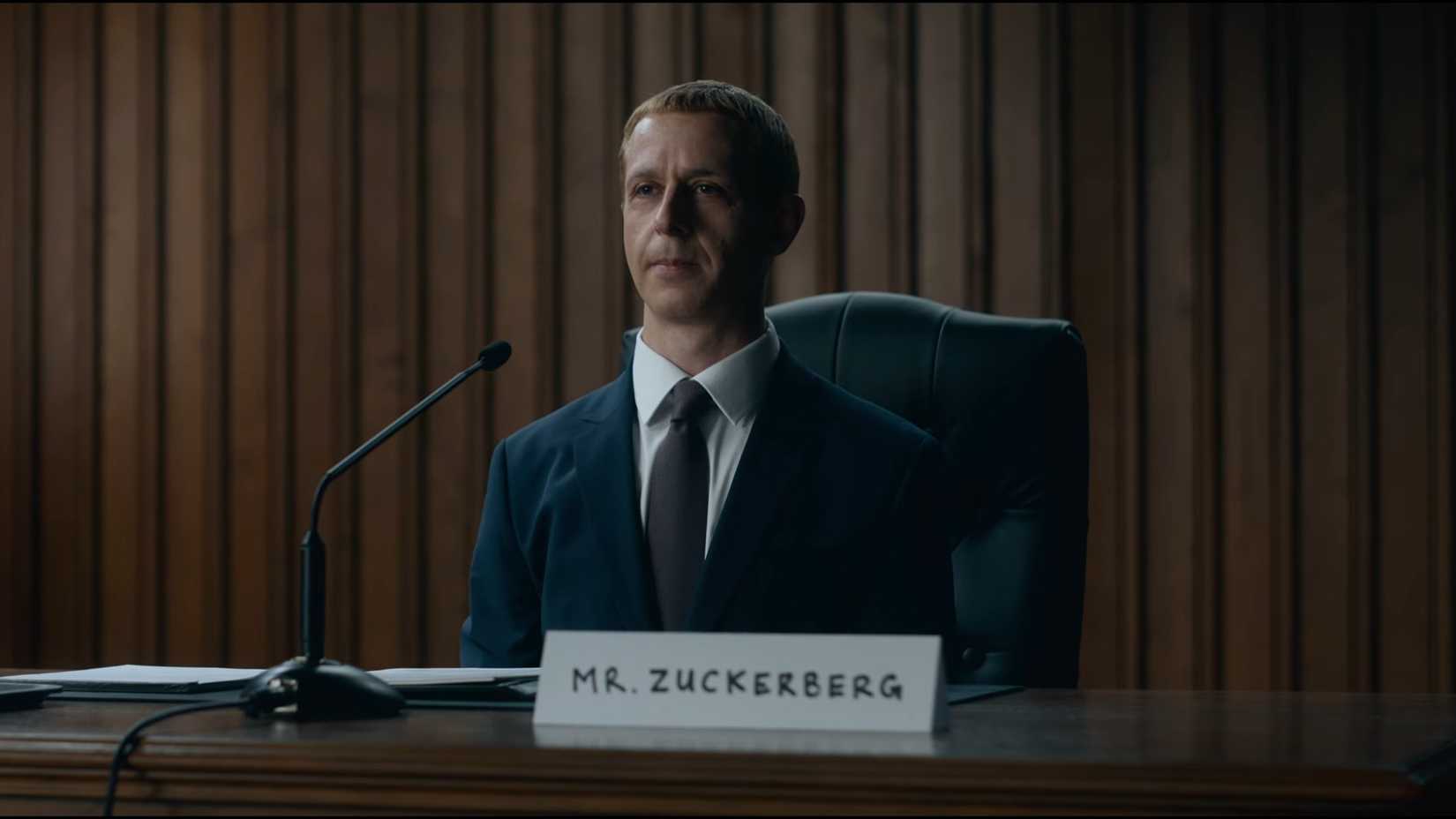
The narrative climax of The Social Reckoning is the January 6th insurrection at the U.S. Capitol. Sorkin frames this event as the inevitable conclusion of the algorithmic trajectory established in 2017. While the film stops short of making a direct criminal accusation against Zuckerberg, it presents a compelling case regarding institutional negligence.

Evidence presented in the film mirrors the findings of the Wall Street Journal’s reporting: far-right paramilitary groups utilized Facebook’s private groups and recommendation features to coordinate logistics. The film argues that internal warnings about the potential for violence were repeatedly ignored or sidelined in favor of maintaining growth. By linking the insurrection to the systemic failure of the MSI algorithm, Sorkin elevates the movie from a standard corporate drama to a cautionary tale about the intersection of technology and democracy.
The Omission of the President: A Stylistic Choice
A frequent point of discussion among audiences is the curious absence of the name of the then-sitting President of the United States. Despite the film being set during the 2020 election cycle, the name is never spoken. In a recent interview with Politico, Aaron Sorkin defended this creative decision, noting that invoking the name would have served as a "distraction."

Sorkin’s goal was to focus on the machinery of the platform rather than the specific political figures who utilized it. By keeping the political focus broad, he aims to make the film "perpetually applicable." He suggests that if the movie were too tethered to a single individual, the audience might dismiss the dangers of the algorithm as a partisan issue rather than a structural, universal threat to democracy.
Global Influence: A Billion-User Reality
Where The Social Network dealt with the quest for the first million users, The Social Reckoning acknowledges the terrifying scale of the modern platform. With over 3.07 billion monthly active users as of mid-2026, Facebook’s reach now encompasses more than a third of the human population. The film utilizes this statistic to drive home the point that the company is effectively a sovereign state in terms of its influence, yet it operates with significantly less accountability than most governments.
The Path Forward: Where to Find the Truth
For those who finish the film and wish to separate the dramatization from the reality, the primary source material remains readily available. The "Facebook Files," the massive cache of internal documents leaked by Haugen and analyzed by the Wall Street Journal, are still accessible online. These documents, combined with the transcript of Haugen’s testimony before the U.S. Senate, provide a roadmap of the systemic failures that Sorkin brings to the screen.
Implications for the Future
The Social Reckoning leaves the audience with a sobering final thought: technology is not neutral. The film serves as a reminder that every "like," "share," and "comment" on a major platform is part of a broader data ecosystem that generates profit through human psychology. While Mark Zuckerberg and his team have faced massive legal and financial settlements in the years since the Facebook Files were released, the fundamental business model remains largely intact.
As we look toward the future of the internet, Sorkin’s film poses the ultimate question: can we trust the current generation of tech giants to self-regulate, or is the damage to our collective psyche and democratic stability already too deep? The Social Reckoning does not offer an easy answer, but by stripping away the corporate PR gloss and exposing the mechanics of the algorithm, it provides the viewer with the necessary tools to navigate the digital age with a more critical eye.
The era of blind faith in social media is over. As The Social Reckoning demonstrates, the true price of "free" connection has been the very fabric of our shared reality. The film serves as an urgent wake-up call, demanding that we look past the screen and recognize the power structures that shape how we see the world, how we treat our neighbors, and ultimately, how we govern ourselves.
