
The Final Light: Why Lanterns Chose Permanence Over Plot Armor for Hal Jordan
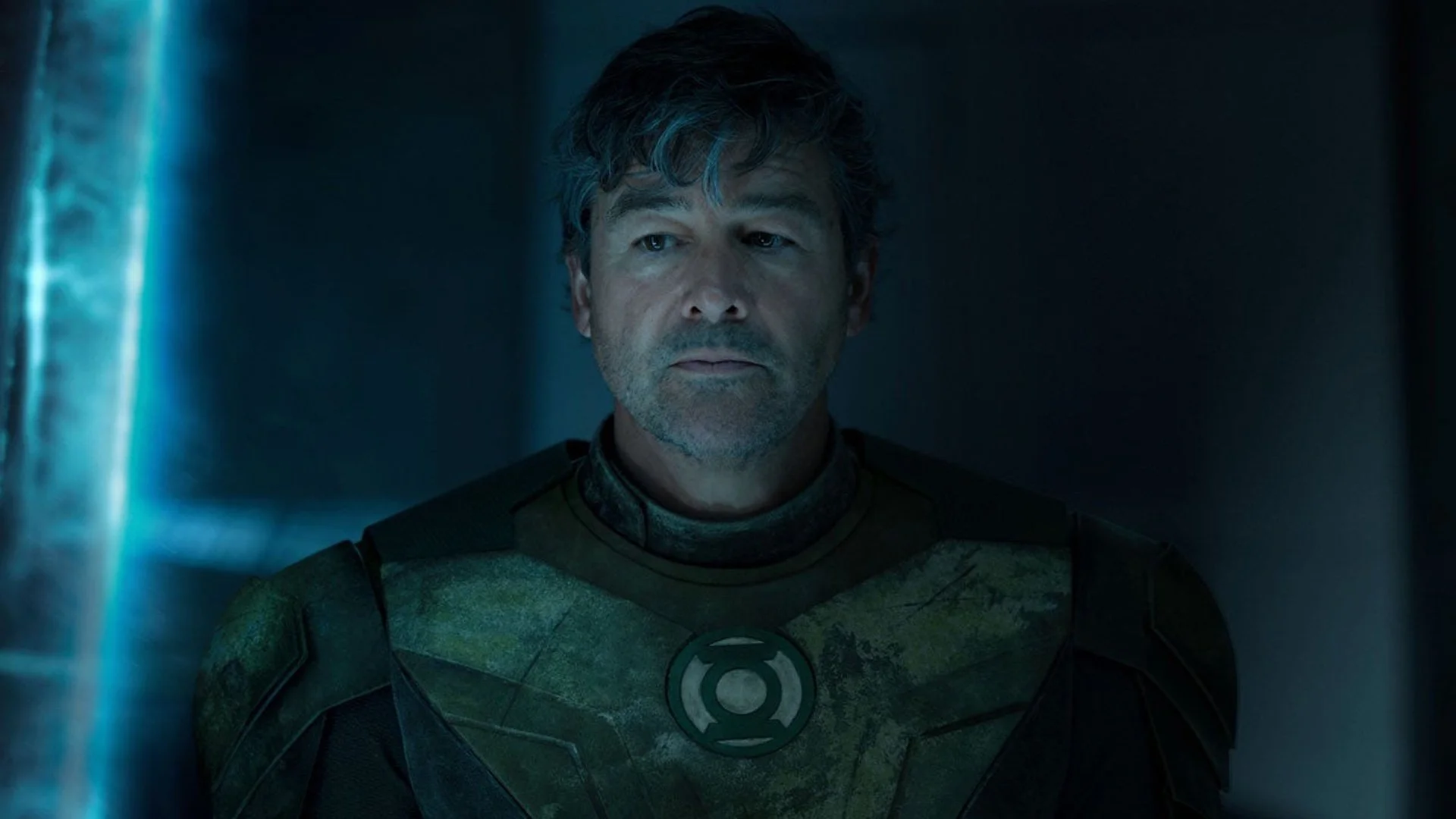
The first season of HBO’s Lanterns has concluded its broadcast run, leaving audiences with a mixture of narrative satisfaction and emotional exhaustion. In a medium often defined by the "revolving door" of superhero mortality, the series took a bold, albeit polarizing, stance: it allowed one of DC Comics’ most legendary figures, Hal Jordan, to remain definitively dead. As the credits rolled on the finale, the creative team confirmed that the mystery surrounding Jordan’s demise—the central engine of the season’s plot—was never a feint. For fans hoping for a last-minute resurrection or a "miracle" reveal involving Kyle Chandler’s portrayal of the iconic hero, the conclusion served as a somber confirmation that in this corner of the DC Universe, death is intended to hold real, lasting weight.
The Narrative Foundation: A Mystery Built on Loss
From the pilot episode, Lanterns positioned itself not as a traditional superhero origin story, but as a gritty, investigative noir. By framing the narrative around the murder of Hal Jordan, showrunners Damon Lindelof and Chris Mundy established a high-stakes premise that required total commitment.
The season-long arc functioned as a slow-burn procedural. As viewers followed the investigation into who killed Jordan, the series cultivated a sense of mystery that relied entirely on the finality of that death. Had the writers opted for a "fake-out"—revealing Jordan as a clone, an imposter, or simply "mostly dead"—the integrity of the entire season’s investigation would have crumbled. The mystery wasn’t just about who pulled the trigger; it was about the vacuum left by a titan of the Green Lantern Corps. By maintaining the permanence of his death, the creative team prioritized thematic consistency over fan-service convenience.
Official Responses: Defying the "Schmuck-Bait" Trope
In the wake of the finale, co-creator and writer Damon Lindelof provided extensive commentary on the creative philosophy behind Jordan’s fate. Speaking on the necessity of commitment to the script, Lindelof was candid about the dangers of catering to audience expectations at the expense of storytelling.
"Even though we knew that it was going to be emotionally devastating, disappointing, and maybe even frustrating, we knew that the worst possible ‘schmuck-baity’ thing we could do is show you a pilot where Hal Jordan was definitively dead, and then try to walk it back," Lindelof explained. He specifically referenced the trope of the "mostly dead" character, popularized by The Princess Bride, noting that such reversals often cheapen the stakes for future conflicts.
Showrunner Chris Mundy echoed these sentiments, emphasizing that the finale was designed to provide a sense of closure to the dynamic between John Stewart and Hal Jordan. "It’s absolutely the end of the season and the end of [John and Hal’s] relationship," Mundy stated. "I think our intent was always just that, to close that off emotionally. That’s the best way to say it."
While both creators left the proverbial door cracked open—a standard practice in the sprawling, reality-bending lore of DC—they were adamant that the current chapter of Lanterns has closed the book on Jordan.
Beyond the Grave: Key Developments in the Finale
While the focus remained on the aftermath of Hal’s death, the season finale was far from a quiet affair. It introduced several game-changing elements that promise to reshape the series’ trajectory in potential future seasons.
The Manhunter Reveal
For weeks, eagle-eyed viewers had been scrutinizing the behavior of Noah, the son of Kerry. The long-standing fan theory—that Noah was not what he seemed—was confirmed in the finale, revealing that he had been a sleeper agent for the Manhunters. This revelation adds a layer of existential dread to the series; if the classic robotic enemies of the Green Lanterns have infiltrated the personal lives of our protagonists, the scope of the threat has expanded from cosmic space-faring adventures to deep-seated espionage.
The Fear-Infused Lantern
Perhaps the most significant development for the series’ future is John Stewart’s acquisition of a fear-infused lantern. Created by the arch-nemesis Sinestro, this artifact introduces a psychological element to John’s arsenal. If the Green Lantern ring represents Willpower, the infusion of fear into the equation hints at a transition toward the Yellow Light of the Sinestro Corps. This suggests that John’s path in the coming seasons will be defined by his ability to master, rather than be consumed by, the very emotion that the Corps has spent eons trying to suppress.
The Implications: What This Means for the DC Universe
The decision to keep Hal Jordan dead carries profound implications for the Lanterns franchise and the broader DC television landscape. By choosing to let a character as significant as Jordan remain dead, HBO and the creative team have signaled a shift toward "prestige television" norms, where characters are not immune to the consequences of the plot.
However, this creates a fascinating paradox. In the world of DC Comics, death is famously fluid. Between the Lazarus Pits, time travel, Speed Force anomalies, and alien technology, the concept of "permanent death" is rarely an absolute. The writers are well aware of this, which is why Lindelof’s comment, "Where there’s a will, there’s a way," resonates so strongly with the comic book community.
If Jordan returns, the challenge for the writers will be to justify his resurrection in a way that respects the emotional weight of Season 1. A cheap, "ta-da!" moment would be catastrophic for the show’s credibility. Instead, any return would likely need to be rooted in the very cosmic insanity that defines Green Lantern mythology. Whether it involves an alternate reality version of the character, a memory echo, or a complex resurrection arc, the path forward must be earned.
A Legacy of Performance: Kyle Chandler’s Impact
One cannot discuss the finality of this arc without acknowledging the performance of Kyle Chandler. Often, secondary characters in superhero shows are treated as plot devices rather than fully realized human beings. Chandler’s performance, however, imbued Hal Jordan with a gravitas and a sense of history that made his absence feel like a genuine loss to the audience.
The chemistry between Chandler and his co-star, Aaron Pierre, became the emotional bedrock of the show. Their relationship—characterized by mentorship, rivalry, and deep-seated respect—grounded the high-concept space opera in something relatable and human. Because the audience was made to care so deeply about this specific iteration of Jordan, his death carried a genuine weight that is rarely seen in modern comic book adaptations.
Looking Ahead: The Future of Lanterns
As the dust settles, the series finds itself in an enviable position. By shedding the "must-save-the-icon" narrative, the show is now free to explore the evolving journey of John Stewart. The introduction of the fear-infused lantern, the Manhunter threat, and the lingering mystery of Sinestro’s machinations provide more than enough fuel for subsequent seasons.
The "death" of Hal Jordan is not the death of the show’s potential. Rather, it is a maturation of its narrative ambition. While the audience may clamor for his return, there is a certain bravery in the creative team’s insistence on the finality of their choices. If the series continues to treat its stakes with the same level of care and narrative courage, it will undoubtedly cement itself as a standout entry in the modern era of superhero storytelling.
For now, Hal Jordan is gone. But in a universe where the light of the Green Lanterns is fueled by the willpower of its wielders, nothing is ever truly set in stone. Whether he remains a memory or returns as a force to be reckoned with, his influence on Lanterns has already been cemented as a triumph of character-driven drama. The book is closed on Season 1, but the light, as they say, persists.
