
Shadowing the Subconscious: Why Rodrigue Huart’s Transylvanie Remains a Masterclass in Genre Subversion
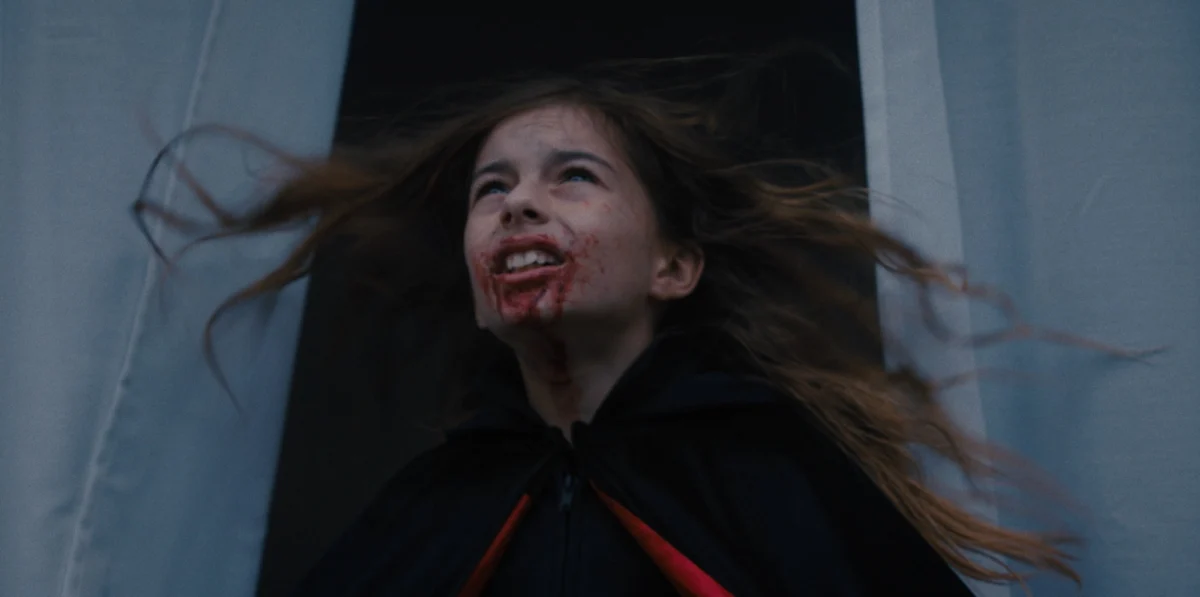
With Halloween still six weeks away, the cultural appetite for the macabre is only just beginning to stir. While the global film community turns its collective gaze toward the latest submissions for the Nightmare Shorts competition—an annual harbinger of the seasonal influx of terror—there is a profound value in looking backward. Amidst the flurry of new talent emerging in the horror landscape, one film continues to stand as a beacon of atmospheric tension and narrative ambiguity: Rodrigue Huart’s Transylvanie.
A triumph of independent filmmaking, Transylvanie does not merely rely on the tropes of the vampire mythos; it dissects them with surgical precision, leaving the audience in a state of perpetual uncertainty that persists long after the credits roll.
The Genesis of a Modern Gothic: Main Facts
Transylvanie is a 15-minute short film that operates at the intersection of social realism and supernatural dread. The story follows Ewa, a young girl living in a bleak, high-rise urban estate, who communicates with an unseen "Master." Through her whispered confessions, we learn of her profound isolation and a burgeoning desire to "transform someone."
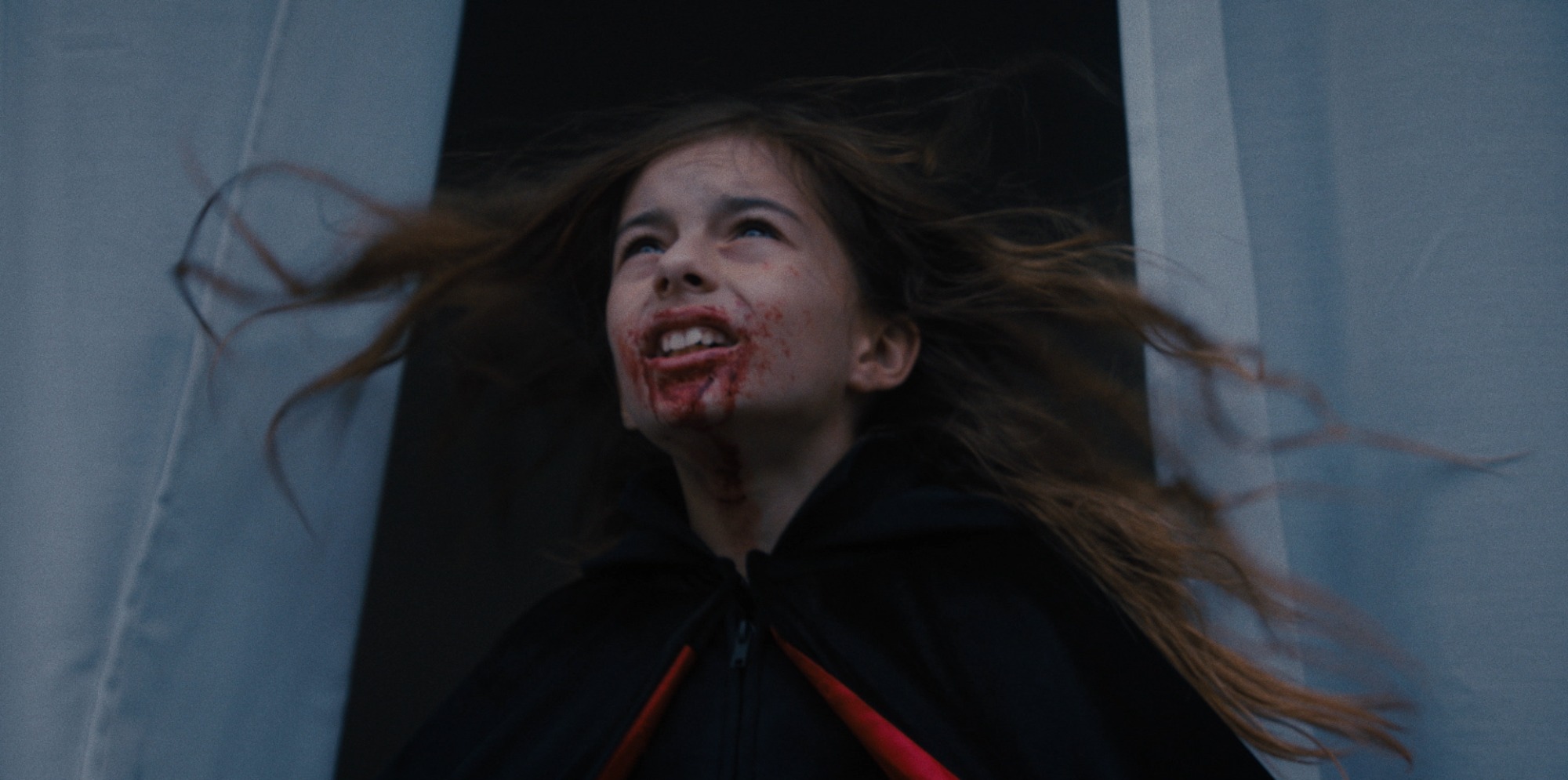
The film is a collaborative effort, with a screenplay penned by Huart alongside David A. Cassan and Axel Wursten. It has garnered significant acclaim, securing a robust festival run that included prestigious screenings at SXSW and BOGOSHORTS. Beyond its accolades, the film is defined by the technical mastery of its production team: cinematography by Julien Ramirez Hernan, sound design by Alix Clément and Florent Simon, and a haunting score by The Psychotic Monks. The central performance by Katell Varvat, whose portrayal of Ewa oscillates between vulnerable child and predatory entity, provides the film with its emotional anchor.
A Chronological Descent: From Premise to Unforgettable Conclusion
The trajectory of Transylvanie is one of escalating psychological instability.
The Opening Act: The film introduces us to a concrete jungle—an estate that feels simultaneously claustrophobic and expansive. The opening shots establish an aesthetic that draws more from the kitchen-sink dramas of the 20th century than from Hammer Horror. We are introduced to Ewa’s voice-over, a narrative device that immediately frames her as an outsider.
The Middle Ground: As the film progresses, the viewer is confronted with a series of contradictions. Huart introduces "clues" that serve to both validate and undermine Ewa’s supernatural claims. We see her attempting to feed on a dead rat, an act that evokes disgust rather than predatory satisfaction. We observe her walking through the harsh, uncompromising daylight—a defiant rejection of the traditional vampire’s fatal aversion to the sun. Simultaneously, her complex relationship with religious symbols—repelled by the cross in the bedroom, yet curiously drawn to the graveyard—creates a dissonance that prevents the audience from settling on a definitive interpretation.
The Resolution: The final act is where the film secures its legacy. Huart, Cassan, and Wursten purposefully withhold a definitive answer, leaving the audience to grapple with a dual reality: are we witnessing a supernatural transformation, or is this a devastating portrait of a lonely child retreating into a morbid, vivid imagination? By refusing to provide a "clean" answer, the film forces the viewer to confront their own assumptions about genre, childhood trauma, and the nature of belief.
Supporting Data: The Craft of Fear
The success of Transylvanie is not incidental; it is the result of a meticulously constructed production environment.
Cinematography and Sound
Julien Ramirez Hernan’s visual language is pivotal. By opting for a gritty, documentarian style, he grounds the fantastical elements in a tangible, decaying reality. This contrast is the film’s greatest weapon. When the camera captures the cold, grey textures of the apartment blocks, the introduction of any "vampiric" element feels intrusive and jarring.
Complementing this, the auditory experience is masterfully curated. The soundscape, designed by Alix Clément and Florent Simon, captures the ambient hum of city life—the distant traffic, the whistling wind through stairwells—which acts as a canvas for The Psychotic Monks’ score. The music does not merely underscore the action; it drives the tension, acting as a heartbeat that speeds up as Ewa’s mental state appears to deteriorate.
The Power of Performance
Katell Varvat’s performance is nothing short of transformative. To carry a film that pivots on the ambiguity of the protagonist’s mental state requires a level of nuance that is rare in short-form horror. Varvat manages to embody a character who is simultaneously a victim of her environment and a potential agent of her own darkness. Her performance remains the primary reason for the film’s enduring "staying power."
Official Perspectives: The Director’s Vision
In various interviews and retrospective looks at his work, Rodrigue Huart has been candid about his desire to "mess with audience expectations." His approach to horror is rooted in the idea that the most terrifying stories are those that could theoretically occur in the real world.
Regarding the future of Ewa, Huart has confirmed that a feature-length expansion is in development. However, he has signaled a thematic shift. In the proposed feature, the character of Ewa is expected to pivot away from the vampire mythos, moving instead toward the modern, digital folklore of "creepypastas." This transition suggests that Huart’s interest lies not in the creatures themselves, but in the obsession with those creatures—how marginalized individuals use myth and dark storytelling to navigate their own feelings of displacement.
Huart’s recent filmography—including Trigger, a meta-horror about an ASMR livestream, and Reel, a period piece involving the discovery of a smartphone in 1857—confirms his status as a director obsessed with the intersection of technology, history, and human isolation.
Implications: The Future of Horror and Short-Form Storytelling
The success of Transylvanie serves as a case study for the modern horror short. It proves that the genre does not need to rely on jump scares or high-budget practical effects to be effective. Instead, it demonstrates the primacy of narrative and the power of the "unreliable narrator."
1. The Death of the Trope
By subverting the vampire myth, Huart has contributed to a broader movement in contemporary horror that seeks to "deconstruct" classic monsters. We are entering an era where the vampire is no longer the threat; the threat is the human psychological state that requires the existence of the vampire to make sense of the world.
2. The Bridge to Mainstream Success
Huart’s path from short-film acclaim to his upcoming involvement in The Conjuring universe is indicative of a broader trend: the industry is increasingly looking to the short-film circuit to identify directors who can handle high-stakes tension. This is a positive development for the medium, as it allows creators to experiment with form and ambiguity before transitioning to large-scale studio productions.
3. The Enduring Power of Ambiguity
In an age of streaming algorithms and "explain-all" content, Transylvanie stands out because it refuses to be decoded. It asks the audience to participate in the storytelling process. By leaving the conclusion open-ended, the film ensures that viewers continue to discuss, dissect, and revisit it years after its release. It is a reminder that the most lingering horror is not what is shown on screen, but what remains hidden in the gaps of the narrative.
As we approach the height of the horror season, the lessons provided by Transylvanie remain vital. Whether we are watching established blockbusters or discovering new entries in the Nightmare Shorts competition, we should look for films that challenge our perceptions. We should look for the directors who, like Huart, are not afraid to leave the monster under the bed—or, perhaps, to reveal that there was no monster at all, only a lonely girl in a grey room, looking for a way to belong.
Rodrigue Huart has set a high bar, and as he moves toward feature-length projects, the film community waits with bated breath to see if he can translate that same intimacy and dread onto a larger canvas. For now, we have Transylvanie—a small, sharp, and perfectly executed piece of cinema that continues to haunt the edges of our imagination.
