
Demystifying the Virtual Volume: Inside the ASC and ASWF’s StEM3 Release for In-Camera Visual Effects
Main Facts
Virtual production has permanently altered the landscape of modern filmmaking, giving directors and cinematographers an unprecedented level of creative control on set. However, this power comes with a significant technological tax: the stage itself—comprising massive LED volumes, real-time render nodes, camera tracking systems, and intricate color pipelines—has effectively become an active component of the visual effects (VFX) imaging chain.
A cinematographer can arrive on set with a meticulously tested camera package, carefully selected lenses, and a refined color workflow, only to find that an unfamiliar LED volume suffers from poor calibration, compromised dynamic range, mismatched panels, or unexpected optical interactions with the sensor.
To solve this critical pre-production hurdle, the American Society of Cinematographers’ Motion Imaging Technology Council (ASC MITC), in collaboration with the Academy Software Foundation (ASWF), has officially released StEM3 (Standardized Evaluation Material 3). Hosted on the ASWF Digital Production Example Library (DPEL), StEM3 is a free, open-source collection of standardized evaluation assets created specifically for in-camera visual effects (ICVFX) and LED-volume production.
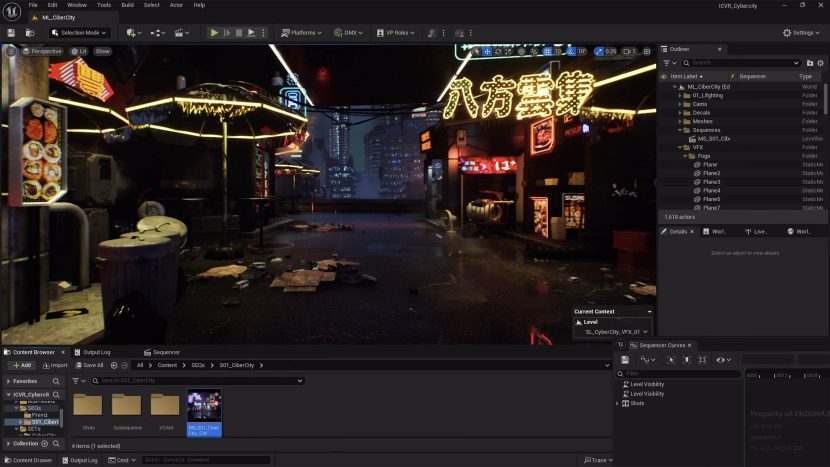
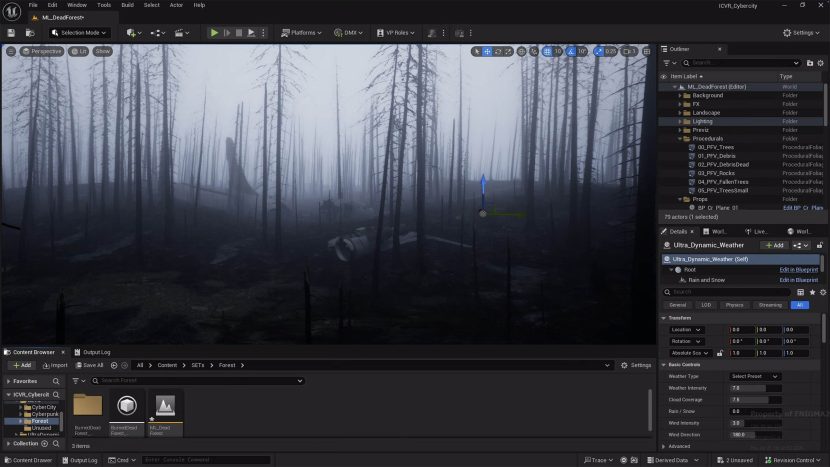
The package is available for immediate download and includes a diverse array of pre-built Unreal Engine 5 (UE5) scenes, 2D driving plates, and dedicated technical test elements. By loading these known assets onto an LED volume and examining them through the production camera, cinematographers, engineers, and VFX supervisors can instantly establish a reliable baseline. This allows crews to verify whether a stage is operating correctly before a single dollar is spent on principal photography.
Chronology: The Evolution of Standard Evaluation Material
To understand the necessity of StEM3, it is helpful to look back at the lineage of the ASC’s Standard Evaluation Material projects. Each generation of StEM was engineered to address a specific paradigm shift in the digital acquisition and post-production ecosystem.
The Film-to-Digital Transition (StEM)
The original StEM project was conceived during the film industry’s turbulent, highly experimental transition away from photochemical celluloid toward digital acquisition and projection. At a time when digital cinema cameras, codecs, and digital cinema packages (DCPs) were largely unstandardized, StEM provided a trusted, high-resolution reference point. It gave manufacturers, post-production houses, and early digital cinematographers a common framework to test how different digital sensors and display systems handled resolution, grain, latitude, and color fidelity.
The Modern Color Pipeline Era (StEM2)
As digital technology matured, the industry faced a new wave of complexities: the widespread adoption of High Dynamic Range (HDR), wide color gamuts (WCG), higher-resolution display technologies, and complex digital intermediate (DI) color pipelines. StEM2 expanded upon the original concept by delivering meticulously produced reference imagery capable of stress-testing modern image-processing chains. It ensured that post-production facilities and camera manufacturers could accurately pass wide-gamut data through the pipeline without unexpected color shifts or clipping.
The ICVFX Revolution (StEM3)
While StEM and StEM2 focused primarily on traditional capture, post-production, and display technologies, StEM3 shifts the evaluation process directly onto the virtual-production stage. In traditional filmmaking, technical errors are frequently addressed downstream during post-production or grading. In ICVFX, because the background is photographed live in-camera alongside the actors and physical sets, errors—such as incorrect black levels, crushed highlights, or color mismatches—are baked directly into the final photography. StEM3 represents the logical next step in the ASC’s mission, moving technical standardization from the grading suite to the LED stage during prep.
Supporting Data and Technical Architecture
An LED volume is far more than a simple background monitor; it is a complex, hyper-synchronized technical ecosystem. A single volume relies on real-time rendering engines (predominantly Unreal Engine 5), render nodes, frame synchronization hardware, LED processors, physical panels with varying pixel pitches, camera tracking systems, custom color transforms, and physical camera lenses and filters. If any link in this intricate chain suffers from a fault or an uncalibrated transform, the final recorded image will be compromised.
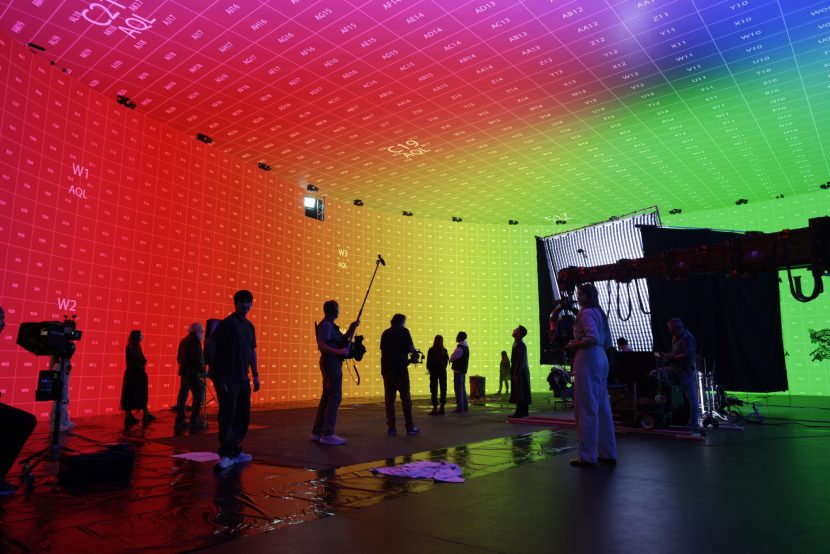
Conventional display calibration, while necessary, is rarely sufficient for virtual production. A wall may look visually pleasing to the naked human eye while photographing entirely incorrectly through a digital cinema sensor. For instance:
- Individual LED panels may react unpredictably near absolute black, leading to crushed shadows or muddy gradients.
- Colors can shift drastically once filtered through a specific camera’s sensor array and optical package.
- Refresh rates and scan behaviors can dangerously interact with a camera’s electronic shutter, producing tearing or artifacting.
- The usable highlight range of a specific LED wall frequently differs from its manufacturer-quoted specifications.
What is Included in StEM3?
To combat these variables, StEM3 provides a comprehensive suite of practical testing environments donated by industry-leading virtual production companies. Rather than relying on abstract technical test charts alone, the collection features fully realized environments designed to stress-test specific photographic challenges:
- Diverse Environments: The library includes interiors and exteriors, day and night setups, varying weather conditions, and urban or natural landscapes. Specific assets include a western town, a remote Himalayan base camp, a forest, an alleyway, a subway car, and a saloon.
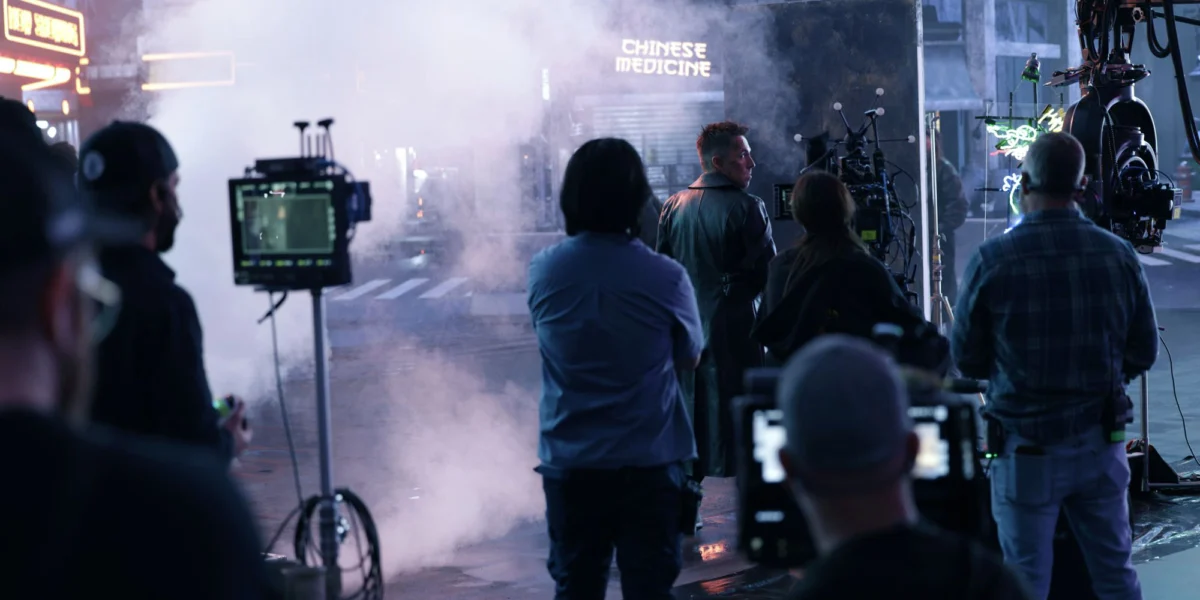
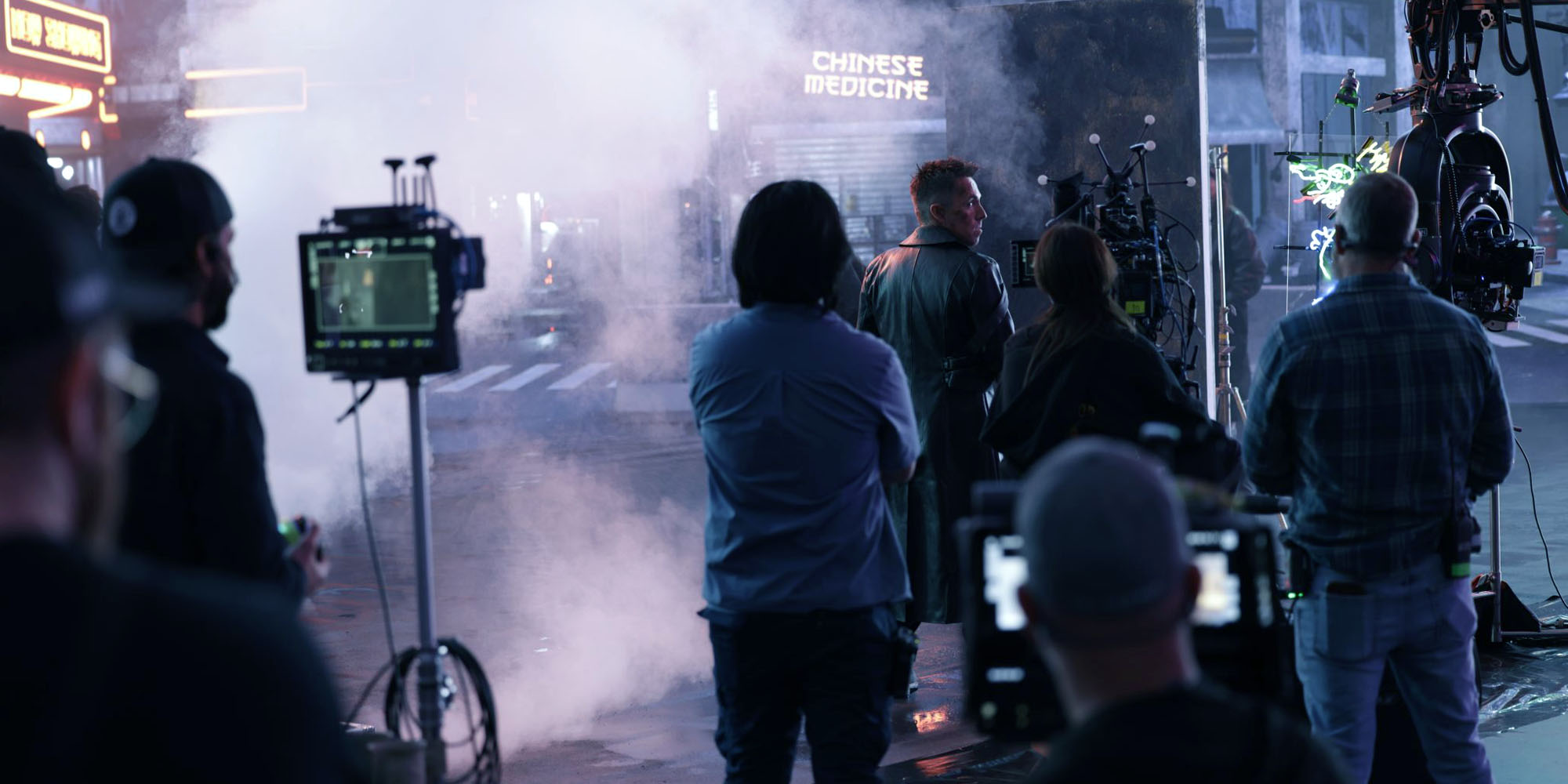
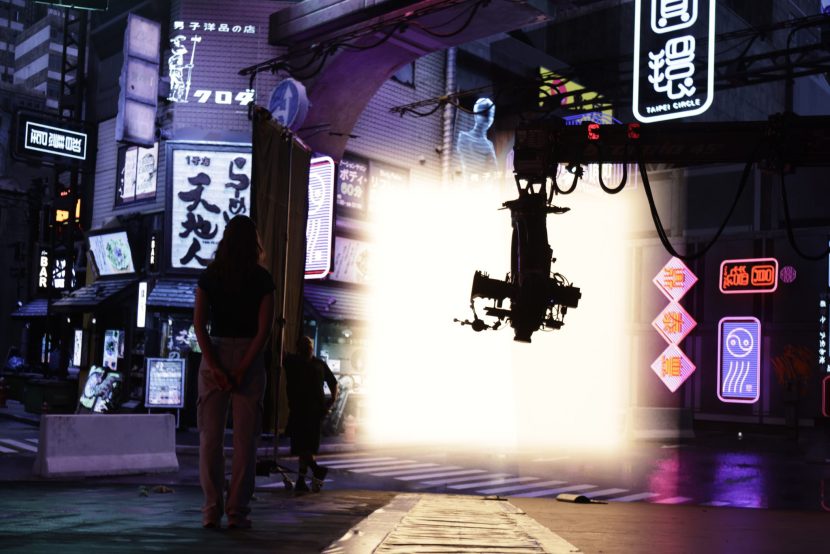
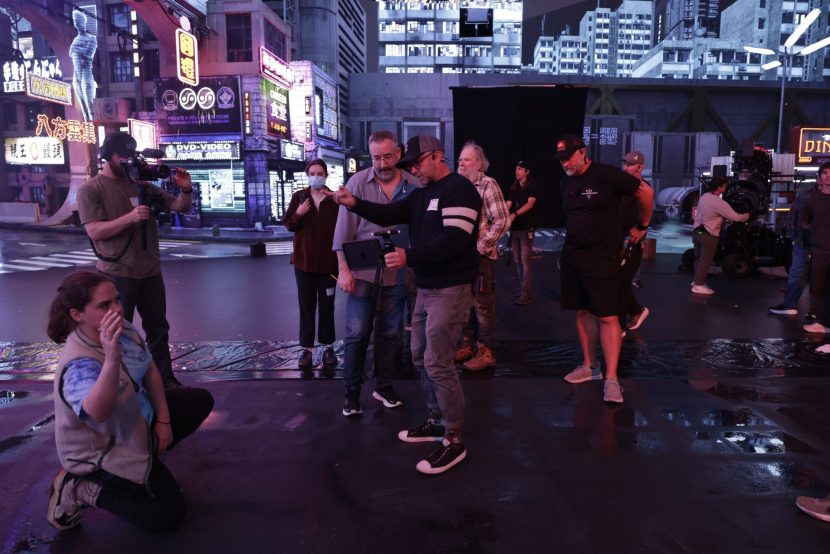
- Warped: CyberCity: To demonstrate the assets in a narrative context, the ASC commissioned a short dramatic scene titled Warped: CyberCity. Written by Michael Goi, ASC, ISC, and Jay Holben, ASC associate member, and directed by Holben with cinematography by David Klein, ASC, the short film uses a donated CyberCity environment with real actors, props, camera movement, and interactive lighting.
- Licensing and Accessibility: All assets have been rigorously tested across multiple LED stages and are packaged under the ASWF Digital Assets License v1.1. They reside in the ASWF Digital Production Example Library alongside industry-standard benchmarks such as StEM2, ALab, Sole Mates, Adobe’s OpenPBR Shader Playground, and the AWS Airship asset.
Official Responses and Industry Perspectives
The development of StEM3 was made possible through a sweeping collaborative effort across major studios, technology vendors, software developers, and stage operators. Contributors include Amazon Studios, Dolby, Epic Games, Sony Pictures, Walt Disney Studios, ETC, ICVR, MELS, Nant Studios, Pixomondo, ROE Visual, and V&Åu Studios, among many others.
Key industry figures have emphasized that StEM3 is designed to protect the creative agency of the cinematographer while bridging the gap between engineering and art:
- Michael Goi, ASC, ISC (Co-Chair of ASC MITC): Goi highlighted the practical frustrations cinematographers face on unfamiliar stages, noting that crews have frequently encountered stages where "colour rendition was off" and "dynamic range was sketchy." The core objective of StEM3, according to Goi, was to establish an indisputable visual baseline showing how a correctly configured system should behave.
- David Morin (Executive Director of the Academy Software Foundation and ASC Associate Member): Morin pointed out that as the industry undergoes yet another seismic technological transformation, keeping the cinematographer’s perspective at the center of the pipeline is vital. StEM3 ensures that technical standards are built around what the camera actually captures, rather than isolated display specs.
- Jay Holben (Director, Warped: CyberCity): Reflecting on the immediacy of volume capture, Holben and other directors of photography have described volume-based workflows as "the most exciting, fun, frustrating colour-correction suite you’ve ever been in, driven by computers." Holben stresses that while virtual production allows filmmakers to bend traditional rules, doing so successfully requires a firm, shared understanding of what the baseline standards actually are.
Implications for the Future of Virtual Production
The release of StEM3 carries profound implications for how film and television productions are planned, budgeted, and executed.
Shifting Workloads Forward
Virtual production does not eliminate labor from the filmmaking process; rather, it aggressively shifts that labor earlier into the pre-production schedule. Decisions regarding look development, color management, tracking accuracy, and asset optimization that typically happened weeks or months into principal photography must now be resolved during prep.
The virtual-production supervisor has emerged as a crucial bridge-builder, mediating between directors, cinematographers, production designers, VFX artists, and real-time engine operators. StEM3 gives this multidisciplinary team a shared vocabulary and an objective reference point. When an image looks wrong on an LED wall, a crew can load a StEM3 scene to determine whether the stage, camera, or color transform is at fault, bypassing subjective debates.
Standardization vs. Creativity
A common fear in technical standardization is that rigid frameworks stifle artistic expression, leading to a homogenized "look" across different projects. However, industry veterans argue that StEM3 achieves the exact opposite.
By establishing a reliable, neutral baseline, StEM3 allows creative teams to safely deviate from the norm. Once a cinematographer knows where "neutral" is on a specific stage, they can intentionally push the image warmer, cooler, higher-contrast, or more stylized with complete confidence. Without that baseline, it is nearly impossible to tell whether an unusual photographic result is an intentional creative choice or an undocumented calibration error hidden deep within the render pipeline.
Conclusion
As virtual production continues to mature, its underlying complexity will only increase, merging real-time rendering, display engineering, color science, and traditional cinematography into a single live event. Projects like StEM3 ensure that this complexity remains in the service of storytelling rather than overwhelming the creative process.
By providing free, open-source evaluation materials, the ASC and ASWF have given the global film community a straightforward mandate: load the material, look through the production camera, establish what the stage is doing, and get back to telling great stories.
