
The Return of the Titans: Spielberg and Bay Poised to Reunite for Transformers 8
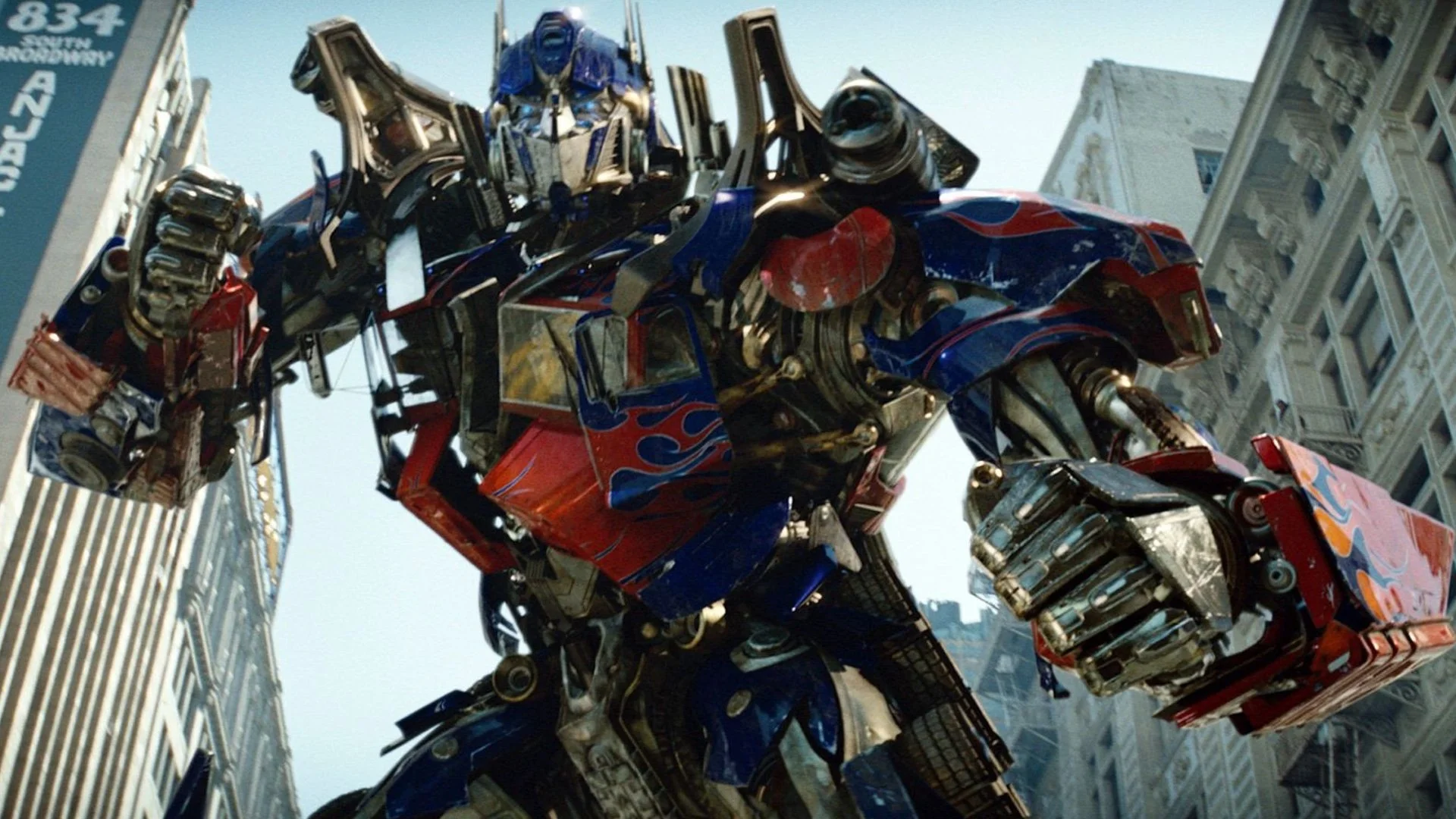
In a move that has sent shockwaves through Hollywood, Paramount Pictures is orchestrating a seismic shift in the trajectory of its most valuable intellectual property. Sources close to the studio confirm that the next installment in the Transformers cinematic universe—the eighth live-action entry—is currently in active development, anchored by the return of the two men who turned a line of Hasbro toys into a $5.4 billion global juggernaut: Steven Spielberg and Michael Bay.
The development signals a major strategic pivot for Paramount, following the August 2025 merger with Skydance. As the studio looks to stabilize its slate and reinvigorate its flagship franchises, the decision to reach back into the past to secure its future is a calculated gamble that reflects both the nostalgic power of the original series and the studio’s urgent need for a box-office revitalization.
The Core Strategy: Reassembling the Architects
According to reports, Steven Spielberg, who served as an executive producer on the early films, is stepping into a significantly more active creative role for the upcoming production. He will oversee the project’s creative direction in tandem with veteran producer Lorenzo di Bonaventura. This involvement marks a return to the hands-on oversight Spielberg provided during the franchise’s infancy, a period defined by his unique creative chemistry with director Michael Bay.
The catalyst for this reunion was a series of high-level meetings between Spielberg and the new leadership at Paramount, specifically co-chairs Josh Greenstein and Dana Goldberg. Following the Skydance merger, Greenstein and Goldberg identified the Transformers brand as a top-tier priority. During their initial discussions, it became clear that the studio was looking to recapture the "lightning in a bottle" energy that defined the 2007 original.
The turning point occurred when Spielberg reviewed the latest screenplay drafted by Jason Fuchs (Wonder Woman, Argyle). Impressed by the direction of the script, which is set in the modern day, Spielberg committed to a more rigorous, hands-on role. With the creative vision set, the studio turned its attention to the director’s chair, initiating early-stage negotiations with Michael Bay.
A Chronology of the Transformers Cinematic Universe
To understand the magnitude of this potential reunion, one must look back at the historical arc of the franchise:
- 2007: The original Transformers hits theaters, directed by Michael Bay and executive produced by Steven Spielberg. It becomes a cultural phenomenon, grossing over $700 million worldwide and setting a new standard for CGI-driven spectacle.
- 2009–2017: Bay directs four sequels (Revenge of the Fallen, Dark of the Moon, Age of Extinction, The Last Knight). While the critical reception becomes increasingly polarized, the films continue to generate massive global revenue, cementing the franchise as Paramount’s crown jewel.
- 2018: The studio pivots with Bumblebee, a prequel directed by Travis Knight. The film is widely praised for its emotional depth and character-focused storytelling, signaling a departure from the "Bayhem" aesthetic.
- 2023: Transformers: Rise of the Beasts continues the "reboot-quel" trend. While successful, it fails to reach the financial heights of the early 2010s, prompting internal debates at the studio regarding the brand’s long-term identity.
- 2025: The Skydance merger with Paramount leads to a top-down evaluation of all IP. New leadership prioritizes the revitalisation of Transformers.
- 2026: Paramount begins formal talks with Spielberg and Bay to steer the eighth installment, aiming for a synthesis of classic blockbuster sensibilities and modern narrative demands.
Supporting Data: The Box Office Reality
The impetus for this move is rooted in raw financial data. The Transformers franchise has collectively earned more than $5.4 billion globally. However, the last decade has seen a noticeable decline in the franchise’s domestic performance.
The original trilogy, guided by Bay’s singular vision, defined the "event film" of the late 2000s. Transformers: Dark of the Moon (2011) and Age of Extinction (2014) both crossed the $1 billion threshold worldwide—a feat that the recent, more critically acclaimed entries have struggled to replicate.
Paramount’s leadership is looking at these numbers and concluding that while quality and emotional resonance (as seen in Bumblebee) are valuable, the massive, "event-scale" spectacle that Bay perfected is what drives the franchise’s maximum market potential. By bringing back the original creative team, the studio is betting that the audience’s appetite for high-octane, large-scale destruction remains unquenched.
Official Responses and Studio Dynamics
While official statements have been guarded, the industry consensus is that Paramount is playing a "safety-first" game. In the wake of the corporate restructuring under the Skydance umbrella, the studio is under immense pressure to deliver consistent hits.
Sources within the studio indicate that the meeting between Greenstein, Goldberg, and Spielberg was not merely a courtesy call but a deep dive into the DNA of the franchise. By locking in Spielberg first, Paramount gained the necessary leverage to approach Bay. Reports suggest that Bay, who has previously expressed a willingness to return to the sandbox he helped build, was receptive to the project immediately after reading the Fuchs script.
"Negotiations are still in the preliminary stages," noted one insider. "However, the alignment of interest between the talent and the studio suggests that the hurdles are largely administrative rather than creative."
The Implications: Nostalgia vs. Innovation
The prospect of a Spielberg-Bay reunion raises profound questions about the future of blockbuster filmmaking. For proponents of the original films, this represents a triumphant return to form—a chance to see the Autobots and Decepticons return to the cinematic scale that made them household names.
However, the industry is not without its skeptics. Critics of the decision argue that returning to the "Bay-era" formula risks alienating a younger generation of fans who have grown accustomed to the more nuanced, character-driven approach of films like Bumblebee. The term "Bayness"—a shorthand for rapid-fire editing, hyper-masculine aesthetics, and chaotic action sequences—has become a point of contention in modern film criticism.
The implications for the franchise are twofold:
- The "Safety" Argument: From a business perspective, the studio is minimizing risk. By utilizing the proven brand equity of Spielberg and Bay, Paramount is effectively "de-risking" a massive budget production. In an era of unpredictable box-office returns, sticking to a proven formula is often viewed as the most responsible path for stakeholders.
- The "Stagnation" Argument: Conversely, by doubling down on the past, Paramount may be missing an opportunity to evolve. Critics fear that if the film relies too heavily on the stylistic choices of 2007, it will feel like a relic in the landscape of 2026/2027. The challenge for Jason Fuchs’ script will be to provide a modern narrative framework that feels fresh enough to justify the return of the original architects.
Conclusion: A New Spark or a Faded Echo?
As the industry watches this development unfold, the ultimate success of the project will likely hinge on the balance between Spielberg’s legendary narrative intuition and Bay’s unparalleled ability to execute grand-scale visual spectacle. If the two can find a way to update the franchise while retaining the adrenaline-fueled joy that made the original Transformers a global icon, they may well secure the franchise’s future for another decade.
However, if the result is a derivative attempt to recapture a bygone era, it may only serve to highlight the need for the series to eventually move on to new voices and new visions. For now, all eyes are on the negotiating table, where the fate of Cybertron’s cinematic future is currently being decided. Whether this reunion marks the dawn of a new, glorious chapter or merely a final nostalgic lap for an aging machine remains to be seen. One thing is certain: when the dust settles, the world will be watching to see if the "Transformers" can truly spark once more.
