
Earthbound Guardians: The Future of HBO’s Lanterns and the Case for Grounded Superhero Storytelling
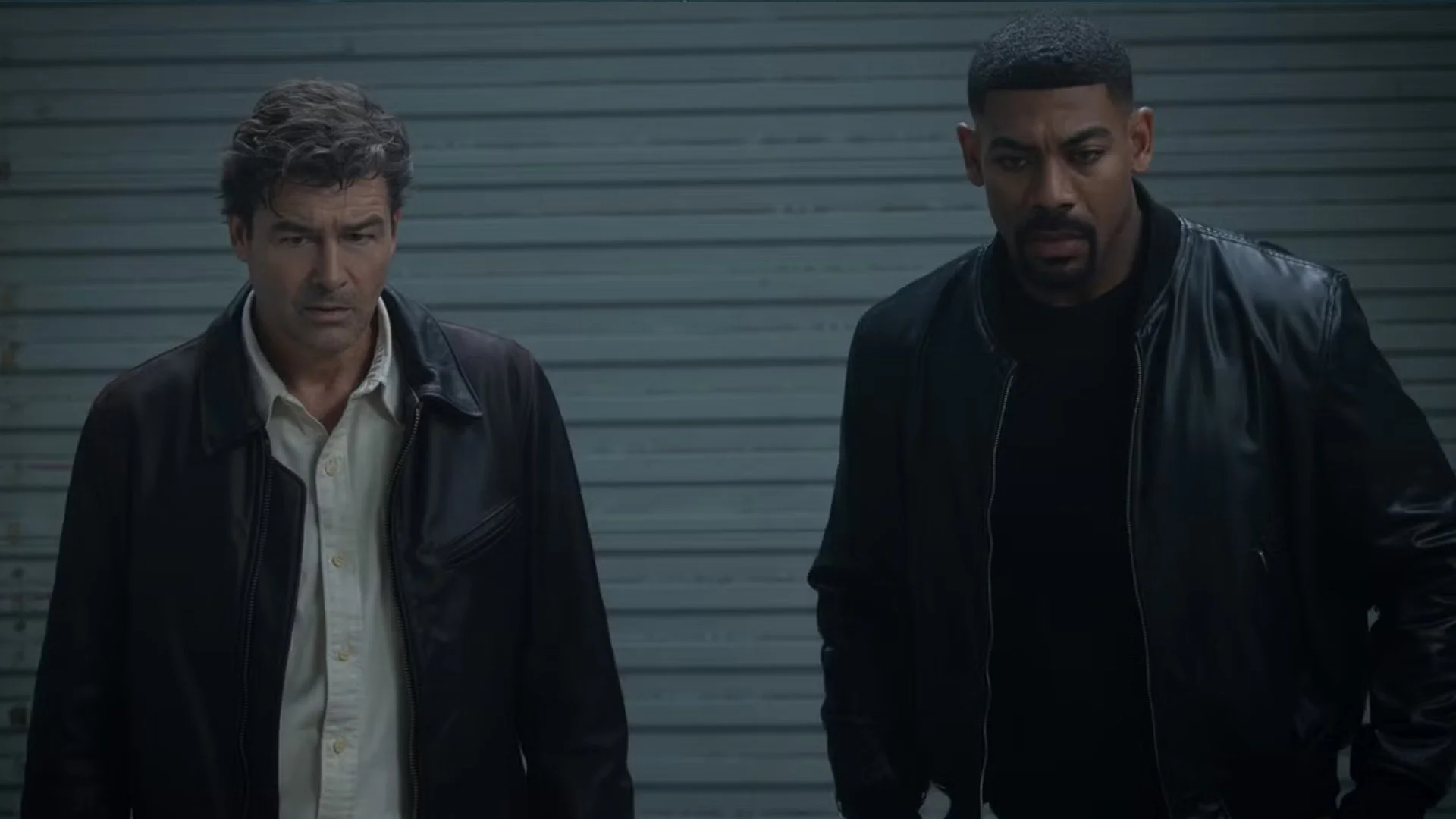
For fans of DC Comics’ deep-space mythology, the promise of a Green Lantern series was long-associated with sprawling intergalactic vistas, kaleidoscopic constructs, and the cosmic opera of the Guardians of the Universe. However, the HBO series Lanterns has charted a decidedly different course. By trading the vastness of the Oa sector for the gritty, shadow-drenched atmosphere of a True Detective-style mystery, the show has carved out a unique niche in the modern superhero landscape.
As rumors of a second season begin to solidify, showrunner Chris Mundy has delivered a clarifying, if potentially divisive, message: those expecting a pivot toward large-scale cosmic warfare in a prospective sophomore outing should temper their expectations. Lanterns is staying on Earth, and it is doubling down on the character-driven procedural elements that defined its debut.
The Foundation: A Procedural Shift for the DCU
When DC Studios announced Lanterns, the creative vision was clear: to move away from the traditional, effects-heavy tropes of the superhero genre. The first season of the show operated as a restrained, atmospheric crime drama. Over the course of eight episodes, the spectacle was kept on a short leash. While fans anticipated a "pilot season" that would eventually give way to a cosmic epic, the reality was a narrative focused on human stakes, intricate mysteries, and the psychological toll of wielding immense power in an environment that felt claustrophobically terrestrial.
Visually and narratively, the show resisted the temptation to overwhelm the audience with alien landscapes or high-octane space battles. Even the series’ extraterrestrial elements—such as the appearance of Sinestro—were handled with a grounded, almost understated aesthetic. The Manhunters, traditionally robotic legions of galactic enforcers, were portrayed with a human-centric focus that emphasized the show’s preference for character over CGI scale.
Chronology and Creative Intent: The "No-Roadmap" Philosophy
A common misconception among viewers of serialized television is the existence of a rigid, multi-season "master plan." In the case of Lanterns, showrunner Chris Mundy has been remarkably transparent about the organic, sometimes frantic process of building the show.
According to Mundy, the creative team did not spend their time mapping out a multi-year "cosmic floodgate" strategy. Instead, the focus remained squarely on the present: finishing the first season with the same intensity with which it was written.
"We didn’t write toward platforming for our Season 2," Mundy explained. "We always wrote assuming there would be a Season 2, but we didn’t think of it as a limited series. We thought of it as a show that’s going to keep going on, but we were just trying by the skin of our teeth to finish this season."
This confession provides a fascinating look into the production of high-stakes television. Rather than planting seeds for future storylines years in advance, the writers chose to prioritize the immediate narrative arc. This approach suggests that the "grounded" nature of the show isn’t necessarily a strategic prelude to a larger cosmic expansion, but rather a reflection of the team’s current creative focus—what they find "interesting" and "useful" to the characters at hand.
Supporting Data: Analyzing the Narrative Constraints
The finale, titled "Dirt and Stars," served as a litmus test for the show’s direction. Fans hoping for the introduction of major comic book pillars—such as the Sinestro Corps, the entity Parallax, or the spectral influence of The Spectre—were met with a more restrained conclusion. The episode intentionally steered clear of the massive, universe-altering stakes that often define the Green Lantern comic runs.
By choosing to focus on John Stewart’s internal development rather than the external escalation of galactic threats, the writers have signaled a deliberate departure from the source material’s more bombastic tendencies. This creates a fascinating tension for the audience. The show is undeniably a Green Lantern series, yet it operates in a vacuum where the "lantern" aspect is secondary to the "detective" aspect.
Furthermore, the decision to move away from the emotional spectrum as a fundamental power source—a concept deeply embedded in modern Green Lantern lore—suggests that the show is looking to simplify its ruleset. By removing the emotional volatility inherent in the rings, the narrative gains more room for human drama, but it also risks alienating purists who view the emotional spectrum as the beating heart of the franchise.
Official Responses and Implications for the DCU
The implications of Mundy’s comments reach beyond a single show. As John Stewart prepares to transition to the silver screen in next summer’s Man of Tomorrow, the character’s trajectory is being split between two distinct formats.
On the big screen, fans may finally get the cosmic, high-concept, ring-slinging John Stewart they crave. However, the television iteration remains a bastion of grounded, character-focused storytelling. This dual approach could serve as a smart hedge for DC Studios. By separating the "cosmic" Stewart from the "grounded" Stewart, they can satisfy two different segments of the fan base without forcing the television show into a genre—high-concept sci-fi—that it may not be equipped to handle.
However, this also places a burden on the television show to remain compelling without the crutch of spectacle. Can Lanterns survive for multiple seasons without ever leaving Earth? The history of superhero television suggests that shows which rely heavily on "grounded" premises often struggle to maintain momentum once the initial mystery is solved. If the show remains on Earth, the writers must continuously invent ways to make the power of a Green Lantern ring feel relevant in a world of street-level crime, without rendering the protagonist overpowered or the conflict trivial.
The "Sinestro" Factor: Where Do We Go From Here?
One of the most interesting aspects of the finale was the handling of Sinestro. In many iterations of the mythos, his descent into villainy is the catalyst for the entire cosmic conflict. By seemingly concluding his immediate arc in the first season, the show has created a void. Who, then, is the threat for Season 2?
Mundy’s insistence that the team is not working from a rigid roadmap is both a strength and a potential weakness. It allows for creative freedom, but it also means the audience shouldn’t necessarily look for "clues" in the finale. The show is not a puzzle box of Easter eggs; it is a character study. If Season 2 comes to fruition, it will likely be built on the emotional aftermath of Season 1, rather than a pre-determined escalation toward a "Blackest Night" event or a battle for the universe.
Conclusion: A New Standard for Superhero Television?
The decision to keep Lanterns on Earth is a bold, if risky, creative choice. In an era where superhero fatigue is often attributed to the "CGI-heavy, universe-ending" stakes of modern blockbusters, Lanterns offers a reprieve. It is a show about people, not planets.
For those who view Green Lantern as inherently tied to the stars, the news may be disheartening. However, if the goal of the DC Studios leadership is to foster high-quality, character-driven storytelling, then Lanterns is a success. It proves that the iconography of the DC Universe can be repurposed to tell stories that are intimate, gritty, and profoundly human.
As the production team looks toward a potential second season, they have the freedom to redefine what a "superhero show" can be. Whether they choose to eventually pivot to the cosmic or stick to the asphalt, they have already succeeded in one major endeavor: they have made us care about the man behind the ring, regardless of where he stands.
What do you think? Should Lanterns continue to lean into the grounded, detective-driven narrative that made its first season a success, or is it time for John Stewart to embrace his destiny among the stars? The debate continues, but one thing is certain: the future of the Green Lantern in the DCU is anything but predictable.
