
Subverting the Spectrum: A Critical Breakdown of the HBO Lanterns Season 1 Finale and Its Groundbreaking Approach to Superhero Mythos
Main Facts
The Season 1 finale of HBO’s critically acclaimed science-fiction drama Lanterns (Episode 8) subverted traditional comic-book adaptation tropes by eschewing large-scale CGI sky-battles and energy blasts in favor of intimate character deconstruction, deep exposition, and thematic closure. Running counter to audience expectations, Aaron Pierre’s John Stewart never dons his official Green Lantern suit during the episode, and the series concludes with a philosophical reinforcement of restraint: “With great power comes great responsibility… not to use it.”
Key narrative revelations in the finale include:
- Noah’s True Identity: Zoe’s grandson, Noah (Shea Pritchard), is unmasked as the second secret Manhunter hiding within the tight-knit community of Rushville.
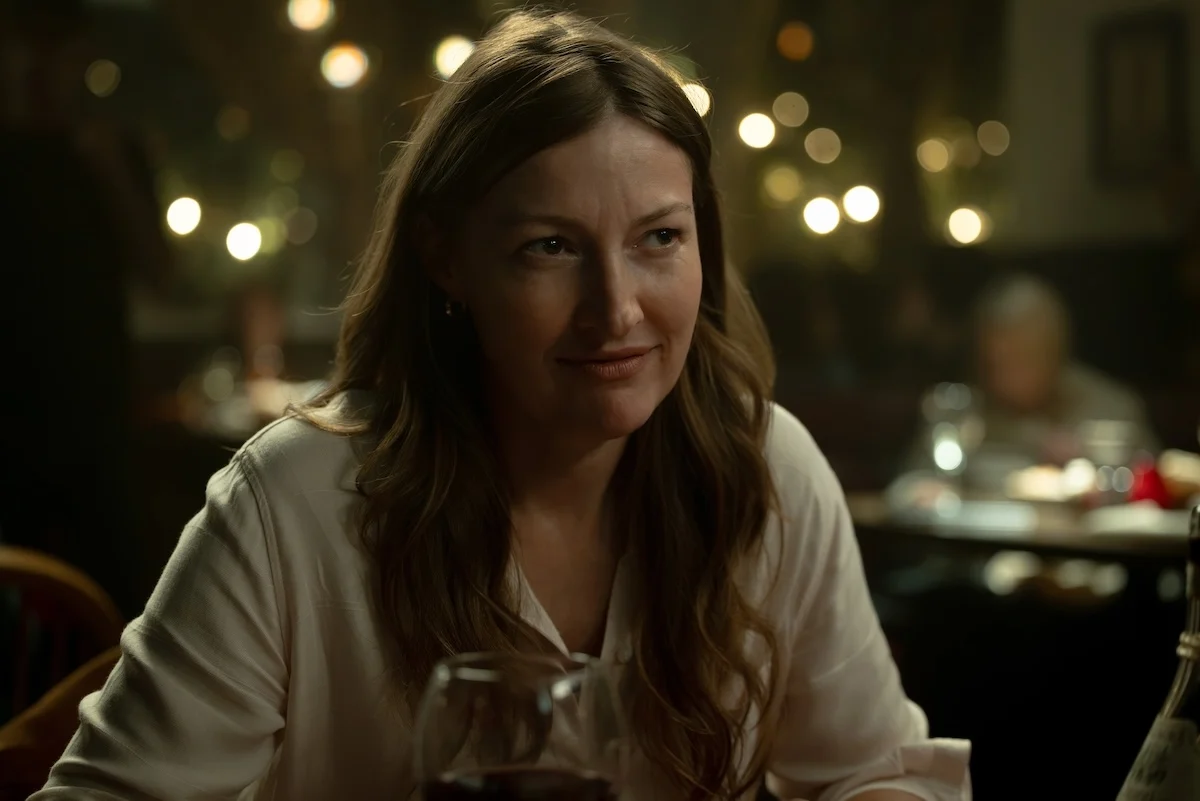
- The Murderer Revealed: After eight weeks of speculation, Sheriff Kerry (Kelly Macdonald) is unveiled as the person who shot and killed Hal Jordan (Kyle Chandler) during a moment of profound, panicked terror.
- A New Oath: John Stewart forges his own unique path by creating an unsanctioned power ring and reciting a custom-tailored oath, formally separating his moral code from the bureaucratic constraints of the Guardians of the Universe.
- Critical Reception: The episode received a B+ grade from critics, praised for its raw emotional core, standout performances by Chandler, Pierre, and Macdonald, but critiqued slightly for the rushed execution of Hal’s sudden assassination.
Chronology of the Finale: Unraveling Rushville’s Secrets
The pacing of Lanterns Episode 8 moves deliberately, balancing present-day confessions with long-awaited answers regarding the series’ central mystery.

Early in the episode, Hal Jordan—or rather, the digital consciousness tethered to the system, the "Hal-o-gram"—confronts the captured Sinestro (Ulrich Thomsen). Sinestro’s loquacious nature serves as a thematic foil to the quiet internal battles fought by the show’s actual protagonists.
The timeline of revelations unfolds across several pivotal confrontations:
- The Kidnapping of Sinestro: It is revealed that Noah orchestrated Sinestro’s abduction. Seeking protection from his creators (the Guardians, who view Manhunters as an eradication target), Noah forced the disgraced former Green Lantern to forge him a new, unsanctioned lantern.
- The Road Trip Confession: During a tense car ride with John Stewart, Noah grapples with his dark impulses—tempted by human ambitions like attending Annapolis and wielding political power. However, through the subtle grace of human upbringing, Noah steps back from the brink of villainy.
- The Truth Behind Hal’s Death: Flashbacks and emotional logic piece together the tragic demise of Hal Jordan. Sheriff Kerry, burdened by a lifetime of protective terror regarding Noah’s true nature, panics when Hal discovers the secret. In a flash of lethal miscalculation, she fires a fatal shot into Hal’s forehead, a moment that will haunt her for the remainder of her life.
- John’s Evolution: Rather than seeking vengeance against Sheriff Kerry or striking down Noah, John Stewart walks away. He rejects the traditional path of retaliation, cementing a legacy built on empathy rather than execution.
Supporting Data and Cast Breakdown
The ensemble cast of Lanterns Season 1 delivered nuanced performances that helped anchor the cosmic stakes in grounded, human drama:

| Actor | Character | Role/Significance in Finale |
|---|---|---|
| Kyle Chandler | Hal Jordan | The weary, redemptive mentor whose digital consciousness and physical flashbacks anchor the season’s moral framework. |
| Aaron Pierre | John Stewart | The observant, studious protagonist who rejects standard Corps protocols to forge his own heroic identity. |
| Kelly Macdonald | Sheriff Kerry | Rushville’s conflicted law enforcement officer and the tragic killer of Hal Jordan. |
| Shea Pritchard | Noah | Zoe’s grandson, revealed to be a secret Manhunter who ultimately chooses humanity over conquest. |
| Ulrich Thomsen | Sinestro | The loquacious, dangerous former Green Lantern who offers to resurrect Hal “for real.” |
| Poorna Jagannathan | Zoe | The elder Manhunter whose hidden past set Rushville’s tragic events into motion. |
John Stewart’s defining moment arrives when he rejects the traditional Green Lantern creed in favor of his own improvised mantra:
"In brightest day, in darkest night, I embrace my fear, I’ll do what’s right. I choose this ring, I choose this fight, in service to this Lantern’s light."
Official Responses and Critical Analysis
The departure from standard superhero formulas sparked intense debate across fan communities and critical circles. While mainstream comic book adaptations typically climax with destruction-heavy VFX spectacles, Lanterns leaned heavily into noir sensibilities, rural drama, and existential philosophy.

Showrunners and network executives at HBO have yet to formally announce a Season 2 renewal as of publication, though the finale’s narrative landscape leaves multiple pathways wide open. Critics have noted that while the transition from Sheriff Kerry’s shock to lethal action felt compressed—needing more narrative runway to allow her panic to curdle naturally into anger—the emotional payoff successfully tied together the season-long arcs of the parents who "let their fear go too far."
Furthermore, the ambiguity surrounding Sinestro’s claim that he can resurrect Hal Jordan physically, paired with the persistence of the Hal-o-gram within the ring’s network architecture, leaves the door wide open for Kyle Chandler’s return should HBO grant the series a second season.
Implications for the Future of the DC Universe on HBO
The conclusion of Lanterns Season 1 carries massive implications for the broader television and cinematic landscape under the new DC Studios leadership. By framing the Green Lantern legacy through a lens of psychological trauma, generational burdens, and moral restraint, HBO has successfully carved out a prestige-drama niche for comic book storytelling.

1. Redefining Cosmic Heroes
By emphasizing that love and emotional vulnerability ("Don’t be afraid to be afraid") conquer fear more effectively than cosmic artillery, the series challenges the traditional power-scaling of superhero television. John Stewart is not defined by the scale of the destruction he can cause with his ring, but by his deliberate choice not to use it destructively.
2. The Rogue Agent Dynamic
With John wielding an unsanctioned ring crafted by a Guardian-killer, and with characters like Guy Gardner (Nathan Fillion) waiting in the wings, future seasons are primed to explore internal civil war within the cosmic policing apparatus. The Guardians will undoubtedly view John as a rogue asset, setting up ideological friction between Earth-based protectors and interstellar bureaucracy.
3. The Demand for Renewal
As audiences await an official green light from HBO for Season 2, the finale leaves critical narrative threads dangling: Will John check back in on Noah? How will Kerry live with her secret in a small town? And can Sinestro’s resurrection promise be trusted?

For now, Lanterns has proven that superhero television can thrive on silence, character study, and emotional resonance just as much as green plasma and interstellar warfare.
