
Beyond the Headlines: How ‘She Said’ Captured the Echoes of Trauma and the Architecture of Justice
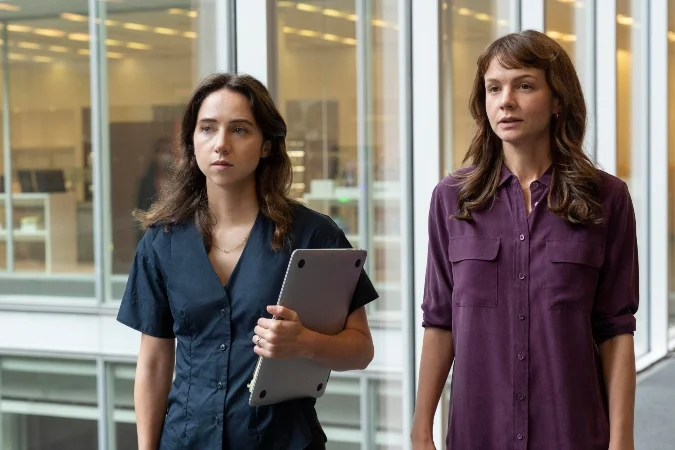
In the autumn of 2017, a seismic shift occurred in the cultural landscape of the Western world. When The New York Times published a bombshell investigation by reporters Jodi Kantor and Megan Twohey, it shattered decades of silence surrounding the conduct of Hollywood titan Harvey Weinstein. Now, that investigative journey has been immortalized in the Universal Pictures drama She Said. However, the film is far more than a procedural retelling of journalism; it is a profound exploration of the bodily and psychological toll of systemic abuse, crafted with the help of the very women who dared to break their non-disclosure agreements to bring the truth to light.
Screenwriter Rebecca Lenkiewicz, an acclaimed British playwright known for Her Naked Skin, took on the monumental task of translating the cold, hard facts of the Times report into a cinematic experience that resonates with emotional truth. Her process was not merely one of research, but one of deep, human connection.
The Human Cost: A Delicate Collaborative Process
Lenkiewicz’s approach to the script was defined by an intimate, empathetic methodology. She did not seek to re-traumatize the survivors; instead, she sought to understand the "echoes" of their experiences. By meeting with key figures like Laura Madden in Wales, and Rowena Chiu and Zelda Perkins in London, Lenkiewicz bypassed the superficial "what happened" to focus on the "what now."
"I met each of them for a few hours… and we just talked and talked and talked around a lot of things," Lenkiewicz told MovieMaker. "With Laura, for instance, I knew what had happened to her, and I didn’t ask her what happened. I just talked about the consequences and how she feels now and how she felt then. And it was just very interesting in terms of trauma, how that echoes throughout life."
For Lenkiewicz, the mission was to dismantle the public misconception that sexual violence is an isolated "event." She argues that society often views harassment as a discrete incident—a "couple of months or a couple of years"—after which one simply "gets over it." Her script for She Said insists on a more nuanced reality: that trauma is visceral and "bodily," requiring an immense, often lifelong, process of repair.
This deep understanding was not purely academic for the screenwriter. While she clarified that her own personal history did not involve Weinstein, she acknowledged a shared intimacy with the subject matter. "I’ve had horror stories, people around me have had horror stories. It’s not like it’s a million miles from my experience," she noted, framing the project as both a professional challenge and a personal privilege.
Chronology: From Investigative Roots to Screen
The path to the screen began long before the book She Said was even finished. Lenkiewicz was brought into the project early, allowing her to build a rapport with Kantor and Twohey that transcended the journalistic source material.
- The Pre-Publication Phase: Before receiving drafts of the book, Lenkiewicz traveled to New York, spending extensive time in the homes of Kantor and Twohey. She met their families and observed the rhythms of their daily lives. This immersion was, according to the screenwriter, "essential" to capturing the authentic strain of investigative journalism.
- The Drafting Process: Lenkiewicz sought to create a script that was "incredibly female," prioritizing layers of women’s experiences. She experimented with form and structure, ensuring the film functioned as both a high-stakes thriller and a meditation on female solidarity.
- The Balancing Act: While the film is a rigorous adaptation of the book, Lenkiewicz employed artistic license to bridge the gaps in the public record. "Private conversations were imagined, and shouting at the guy in the bar was imagined—but Megan said it happened to her in the past," she explained. By her estimation, the film remains 95% faithful to the source material while serving as a distinct, creative entity.
Supporting Data: The Legal and Cultural Fallout
The story documented in She Said is intrinsically linked to a historic shift in the American legal system. Harvey Weinstein, once the most powerful man in Hollywood, eventually faced a reckoning that the film contextualizes as a pivotal moment for working women everywhere.
- The Verdicts: In February 2020, following the #MeToo movement’s global escalation, Weinstein was convicted of third-degree rape and a first-degree criminal sexual act.
- Current Status: Weinstein is currently serving a 23-year prison sentence. Despite the overwhelming volume of testimony and subsequent legal findings, he has consistently denied all allegations of non-consensual sexual activity throughout the years of litigation.
- The #MeToo Catalyst: The investigation did more than convict a single man; it exposed a structure of NDAs, legal intimidation, and corporate enabling that allowed predatory behavior to flourish under the guise of Hollywood glamour.
Official Responses and Creative Intent
The production of She Said, directed by Maria Schrader and starring Zoe Kazan and Carey Mulligan, was meticulously managed to ensure that the voices of the victims remained the heartbeat of the film. The choice to cast Kazan and Mulligan as the journalistic duo was calculated to ground the film’s "investigative urgency" in the quiet, painstaking reality of reporting.
The film refuses to sensationalize the violence. Instead, it focuses on the "quiet work"—the late-night phone calls, the fear of losing sources, the moral weight of protecting vulnerable women, and the exhaustion of fighting a legal machine designed to silence them.
"I was very keen to have different timelines and chronologies," Lenkiewicz noted regarding the structural choices of the film. This desire to "echo out in different ways" was intended to ensure that the audience understood the film was not just about Weinstein, but about the systemic, often invisible, barriers that women face in the workplace across all industries.
Implications: The Legacy of ‘She Said’
The release of She Said serves as a cultural checkpoint. It invites the audience to measure how far society has come since 2017 and how far it still has to go. By centering the experiences of the women who spoke out, the film shifts the narrative focus from the perpetrator to the survivors, acknowledging their bravery as the primary engine of change.
The implications for the film industry are clear: accountability is no longer a peripheral concern but a central pillar of corporate responsibility. The "bodily" trauma described by Lenkiewicz is now a recognized subject of discourse, forcing institutions to rethink their internal handling of complaints and the role of non-disclosure agreements in protecting abusers.
In the final analysis, She Said is a gut-punching, searingly honest document of a modern revolution. It is a tribute to the women who refused to remain silent and to the journalists who risked their own professional standing to ensure that the truth was documented. As the film continues to reach audiences in theaters, it stands as a testament to the idea that, while the process of repair is slow and painful, the act of speaking out is the essential first step toward reclaiming one’s history.
Through the collaborative efforts of Kantor, Twohey, and Lenkiewicz, the story of the Weinstein investigation has been successfully transitioned from a newspaper column to a cinematic touchstone, ensuring that the lessons of the #MeToo movement remain etched in the cultural consciousness for years to come.
