
Shedding Light on the Shadows: Riley Keough and Clay Tweel Join ‘Under Fire,’ a Landmark Documentary on First Responder Mental Health
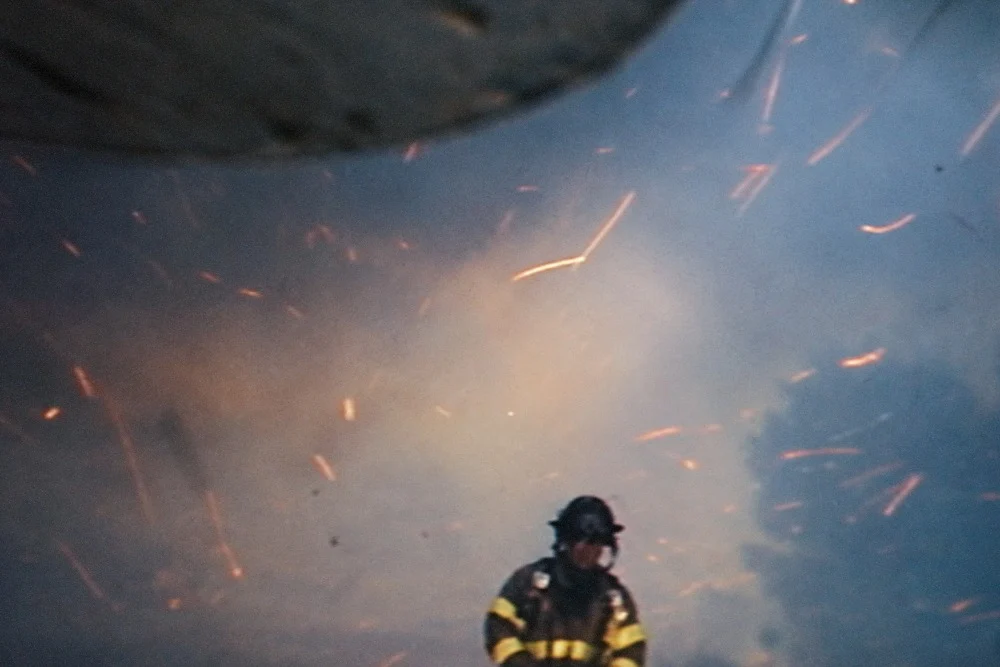
In an era where the national discourse surrounding mental health has reached a fever pitch, a new, deeply intimate documentary is set to challenge the cultural barriers surrounding trauma and healing. Under Fire, the directorial debut of filmmaker Brandon Kapelow, has announced a significant boost to its production team, with actress and producer Riley Keough and filmmaker Clay Tweel joining the project as executive producers.
The film, which serves as a feature-length expansion of Kapelow’s award-winning New York Times Op-Doc, An Act of Service, offers an unflinching look at the silent crisis of Post-Traumatic Stress Disorder (PTSD) within the first responder community. By chronicling the journey of Rob, a veteran Idaho fire captain, the film navigates the intersection of ingrained masculine stoicism and the cutting-edge, albeit controversial, world of psychedelic-assisted psychotherapy.
The Core Narrative: A Veteran’s Fight for Reclamation
At the heart of Under Fire is Rob, a man whose entire adult life has been defined by his service to others. As an Idaho fire captain, Rob has spent decades on the front lines of emergency response, bearing witness to tragedies that few civilians could fathom. However, the cumulative weight of this service has manifested in a debilitating struggle with PTSD, threatening not only his professional standing but the foundational relationships in his life, particularly with his teenage daughter.
The documentary follows Rob as he seeks a path forward that traditional clinical approaches have failed to provide: psychedelic-assisted psychotherapy. By choosing this unconventional treatment, Rob opens a window into a process that is increasingly being debated in federal policy circles but remains misunderstood by the general public. Kapelow’s lens does not merely observe; it builds a bridge of empathy, forcing viewers to confront the reality of those who save lives while their own are quietly fraying at the edges.
A Chronology of a Passion Project
The journey toward Under Fire began long before the cameras started rolling on the feature-length production. Brandon Kapelow’s background as a suicide loss survivor in Wyoming provided the initial impetus for his work. Having spent years focusing on mental health in the American West and serving as a peer support facilitator for the American Foundation for Suicide Prevention, Kapelow developed a unique rapport with his subjects.
- The Origin: The project roots itself in the success of the short film An Act of Service. The critical acclaim and audience response to that film proved that there was a hunger for stories that bypassed the clinical statistics of mental health in favor of deeply personal narratives.
- Development: Over the past few years, the project evolved from a short-form observation to a comprehensive study of family dynamics and trauma.
- The Catalyst: With the involvement of production outfits like Felix Culpa (Keough’s company) and Parkside Films, the project moved into its current phase, preparing for a high-profile festival run as a title for acquisition.
- Current Status: As of this month, the film is officially entering its impact campaign phase, led by Together Films with support from the Perspective Fund, ensuring that the documentary acts not just as a piece of media, but as a tool for societal change.
The Mental Health Crisis: Supporting Data and Context
While Under Fire focuses on one man, it illuminates a systemic issue. First responders—including firefighters, police officers, and EMTs—face disproportionately high rates of PTSD, depression, and suicide. According to various public health studies, the "culture of silence" within these professions often prevents individuals from seeking help until they are in a state of crisis.
Kapelow notes that the dissonance between public "optimism" regarding mental health awareness and the actual deteriorating health outcomes for Americans is a primary driver of the film. "Mental health outcomes in America are gradually getting worse," Kapelow stated. By focusing on the specific pressures of professions where "resilience and self-reliance are often deeply ingrained and expected," the film dissects why traditional support systems often fail to reach those who need them most.
The inclusion of psychedelic-assisted therapy in the narrative is timely. With federal agencies and research institutions beginning to acknowledge the potential efficacy of substances like MDMA and psilocybin in treating treatment-resistant PTSD, the film positions itself at the bleeding edge of psychiatric science.
Official Responses and Creative Vision
The addition of high-profile executive producers has brought a renewed sense of momentum to the project. Riley Keough, known for her commitment to character-driven storytelling through her production company, Felix Culpa, expressed her deep connection to the film’s themes.

"What moved me most about Under Fire is the tenderness with which Brandon tells Rob’s story," Keough said in a statement. "The experience of being the person everyone turns to for help while quietly struggling yourself is something we can all deeply relate to. I’m grateful that Felix Culpa has been able to stand behind a film that treats that experience with such honesty, compassion, and hope."
Clay Tweel, representing Parkside Films, echoed these sentiments, emphasizing the technical and emotional craftsmanship of the documentary. "The film is beautifully crafted, from its visual storytelling to its editing, and Brandon brings a real sensitivity to the material," Tweel noted. "We love telling stories that explore why people do the things they do."
Producer Laurel Thomson, who has been instrumental in shaping the film under the Long Holiday banner, highlighted the strategic importance of this partnership. "Psychedelic therapy is moving from the fringe into federal policy, but the people who stand to benefit most are often the hardest to reach," she said. "We’re grateful to have their support amplifying Rob’s story for the communities that need it most."
Implications: A Call for Cultural Reform
The implications of Under Fire extend far beyond the film festival circuit. By centering a "disarmingly open and empathetic" subject like Rob, the film aims to dismantle the stigma that keeps men in high-pressure roles from seeking mental health support.
1. Shifting the Narrative on Masculinity
The film challenges the traditional archetype of the "invincible" first responder. By showing a decorated captain grappling with his vulnerabilities, it provides a blueprint for others in the profession to seek help without feeling that they are forfeiting their identity or their strength.
2. Policy and Research Advocacy
The accompanying impact campaign suggests that the filmmakers are aiming for more than just critical praise. By partnering with organizations like the Perspective Fund, the team intends to use the documentary as a catalyst for legislative and cultural dialogue regarding the legality and accessibility of alternative mental health treatments.
3. The Future of First Responder Care
If the film succeeds in its goal of destigmatizing therapy, it could contribute to a broader shift in how emergency departments and fire stations handle the mental well-being of their staff. The transition from a "suck it up" culture to one that prioritizes proactive, evidence-based care is the ultimate horizon for this project.
As Under Fire prepares to hit the festival circuit, it carries the weight of a necessary conversation. With a production team that balances creative pedigree with a clear, socially conscious mission, the documentary stands as a testament to the power of film to humanize the statistics of the mental health crisis. For now, the global audience awaits a film that promises to be as brave as it is beautiful, offering a glimmer of hope to those currently walking through their own personal fires.
